
Global Geopolitics Sees Oil Inventories Deplete Rapidly Due to Strait of Hormuz Disruptions
The Iran war is disrupting crude oil flows through the Strait of Hormuz, leading to rapid depletion of global oil inventories and potential shortages.[1] In this tense geopolitics global environment, Asia is facing immediate pressure with potential oil shortages within a month as reserves reach multi-year lows.[1] Strategic reserves are being deployed, further weakening global safety buffers amid rising fossil fuel prices,[1] while the closure of the Strait of Hormuz is shattering the foundations of the global energy market.[5] Transatlantic tensions are also rising due to the US announcement of troop withdrawals from Europe.[2]
Disruptions in the Strait of Hormuz
The ongoing Iran war has severely disrupted crude oil flows through the Strait of Hormuz, a critical chokepoint for shipments from the Persian Gulf.[1] Global oil inventories are running dry at an unprecedented pace as a result, with the strait remaining choked amid escalating conflict.[1] What was once a looming threat has become a stark reality, fundamentally altering the dynamics of international energy transportation.[5] This closure prevents the smooth passage of tankers carrying vast quantities of crude, directly contributing to widespread supply constraints that ripple across world markets.[1][5]
The situation underscores the vulnerability of global energy infrastructure to regional conflicts. Iran's actions in the strait have halted normal operations, forcing alternative routing that is both limited and costly.[1] Analysts note that the Persian Gulf region, responsible for a significant portion of the world's oil exports, now faces blockages that exacerbate immediate logistical challenges.[5] This disruption is not merely temporary; it represents a pivotal shift, as the strait—through which roughly 20% of global oil passes under normal conditions—has been effectively weaponized, amplifying fears of prolonged instability.[1][5]
In practical terms, shipping companies are rerouting cargoes where possible, but the scale of the dependency on Hormuz leaves little room for maneuver. The result is a bottleneck that has accelerated the drawdown of stockpiles worldwide, setting off alarms in energy trading hubs from Singapore to London.[1] Tehran’s control over this vital waterway has transformed a strategic asset into a tool of leverage, compelling nations to confront the immediate fallout of militarized maritime routes.[5]
Global Oil Supply Challenges
Global oil supply chains are under severe strain as inventories deplete rapidly due to the Hormuz disruptions caused by the Iran war.[1] Concerns over price spikes and outright shortages are mounting, with strategic reserves now being tapped to bridge the gap.[1] This deployment, while providing short-term relief, is eroding the world's safety buffers, leaving systems more exposed to future shocks.[1]
The pace of depletion is described as unprecedented, driven by the choked flows from the Persian Gulf.[1] Nations are drawing down reserves at rates not seen before, as alternative supplies struggle to compensate for the volume lost through the strait.[1] Asia, in particular, is at the forefront of this crisis, with reserves hitting multi-year lows and projections indicating potential shortages within a month for some countries.[1] This rapid exhaustion highlights the fragility of current stockpiles, which were already under pressure from steady demand growth prior to the conflict.
Strategic reserve releases are a double-edged sword: they stabilize supplies temporarily but diminish long-term resilience.[1] Governments coordinating these drawdowns aim to prevent panic buying and extreme volatility, yet each barrel released brings the global buffer closer to critical levels.[1] The interplay of reduced imports and heightened consumption is fueling expectations of sustained high prices, as markets adjust to a new reality of constrained availability.[1] Energy analysts emphasize that without resolution in the strait, these challenges could persist, testing the limits of international coordination efforts.
Regional Economic Impacts
Rising fossil fuel prices triggered by the Iran war are squeezing polyester suppliers and garment makers across Asia, particularly in India and Bangladesh, which serve global fast fashion retailers.[4] A surge in these costs is threatening to elevate expenses for brands like Zara and H&M, as key producers grapple with higher input expenses.[4]
Filatex, one of India’s largest polyester yarn producers, exemplifies the strain, reporting costs nearly 30% higher amid the fuel price escalation.[4] Polyester production, heavily reliant on petroleum derivatives, is directly hit by the oil supply disruptions, amplifying operational pressures for manufacturers in the region.[4] This economic ripple effect extends to garment factories, where margins are already thin, potentially leading to passed-on costs that disrupt the fast fashion supply chain.[4]
In India and Bangladesh, hubs for affordable apparel exports, the fossil fuel price hikes are compounding challenges for an industry that powers global retail trends.[4] Suppliers are navigating volatile energy markets, where every increase in crude-linked costs filters through to yarn and fabric production.[4] The Iran war's indirect fallout is thus reshaping competitive dynamics, as Asian producers weigh production cuts or price adjustments to sustain viability.[4] This scenario illustrates how energy shocks reverberate through manufacturing ecosystems, with fast fashion's just-in-time model particularly vulnerable to upstream volatility.[4]
Broader Geopolitical Developments
Shifts in geopolitics global alliances are intensifying amid the energy crisis, with transatlantic tensions escalating following President Trump's announcement of US troop withdrawals from Europe.[2] Discussions involving experts like Max Bergmann, Maria Demertzis, and Eitan Fischberger highlight the messaging behind this move, signaling potential strains in NATO frameworks and broader Western cohesion.[2]
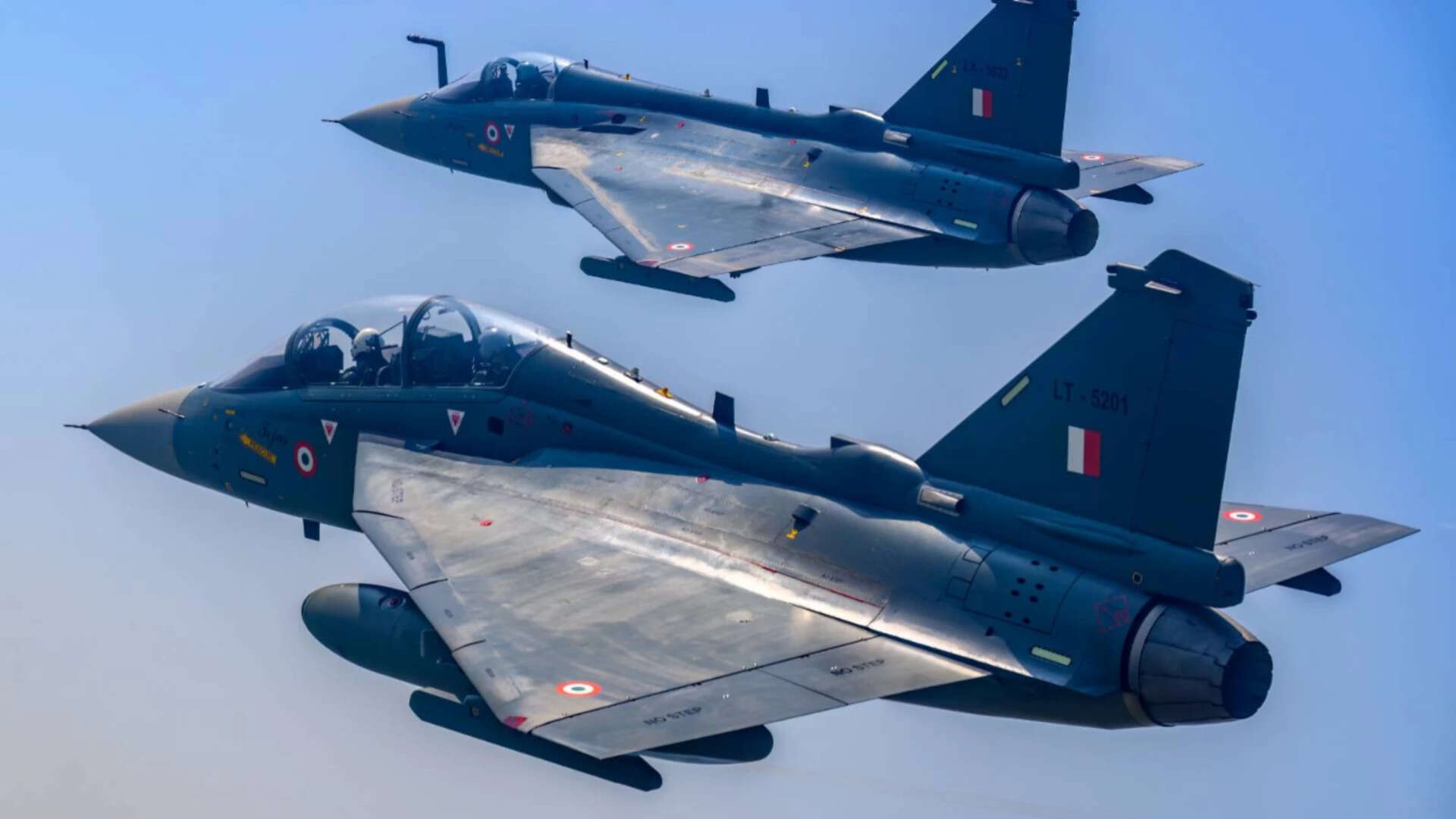
Simultaneously, India is accelerating its defence transformation toward self-reliance, boosting spending and prioritizing domestic production.[3] Policies such as 'Make in India' and the Defence Acquisition Procedure (DAP) 2020 are driving this shift, encouraging local manufacturing and partnerships with foreign entities.[3] Despite global supply chain disruptions, indigenous production and exports are on the rise, marking a strategic pivot to enhanced autonomy.[3]
These developments reflect a multifaceted geopolitical landscape, where energy vulnerabilities intersect with military realignments.[2][3] The US withdrawal raises questions about burden-sharing in Europe, potentially emboldening actors like Turkey in its media operations and regional maneuvers.[2] India's push for self-reliance, meanwhile, positions it to navigate international challenges independently, reducing import dependencies in a volatile world.[3] Together, these moves underscore adapting national strategies to an era of heightened uncertainty.
Future Implications for Energy Markets
The reality of a closed Strait of Hormuz poses enduring risks, with questions arising over whether Tehran can sustain its weaponization of this waterway for years.[5] This has already shattered the traditional foundations of the global energy market, introducing persistent instability into pricing and supply forecasts.[5]
Long-term effects could include chronic tightness in crude availability, as reliance on Persian Gulf exports endures despite diversification efforts.[5] Markets may face repeated bouts of volatility if the strait remains a flashpoint, compelling investors to hedge against scenarios of extended closure.[5] The shift from threat to reality demands reevaluation of energy security paradigms, with nations bolstering alternatives like LNG and renewables, though oil's dominance persists.[5]
Sustained weaponization by Iran would amplify these implications, potentially reshaping trade routes and alliances around energy resilience.[5] Global energy stability hangs in the balance, as the strait's role as a linchpin continues to influence economic trajectories worldwide.[5]
What to watch next: Continued monitoring of Hormuz flows for signs of reopening, strategic reserve levels amid ongoing draws,[1] and Tehran's capacity to maintain strait control.[5] Developments in US-Europe relations and India's defence exports could further shape responses to these energy shocks.[2][3]