
Geopolitics global: Iran war depletes oil inventories at an unprecedented rate.
Global oil inventories are rapidly depleting due to the Iran war disrupting crude flows from the Persian Gulf.[1] In this landscape of geopolitics global, the conflict has triggered widespread concerns over price spikes and potential shortages, with Asia facing immediate pressure as reserves reach multi-year lows and some nations could see shortages within a month.[1] Tehran has turned the Strait of Hormuz into a weaponized chokepoint, shattering the foundations of the global energy market.[5] These developments coincide with escalating transatlantic tensions following the US announcement of withdrawing troops from Europe, alongside India's push for defence self-reliance through domestic production and exports.[2][3] Rising fossil fuel prices are also squeezing polyester suppliers in Asia, impacting global fast-fashion retailers.[4]
Current Disruptions in Global Oil Flows
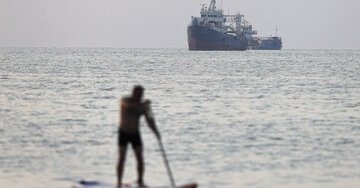
The Iran war has severely disrupted crude oil flows from the Persian Gulf, leading to a rapid depletion of global oil inventories at an unprecedented pace.[1] The Strait of Hormuz, a critical artery for oil shipments, remains choked, exacerbating the situation and prompting the deployment of strategic reserves worldwide.[1] This deployment, while providing temporary relief, is further eroding the global safety buffer against supply shocks.[1] Asia, in particular, is under immediate strain, with reserves hitting multi-year lows and projections indicating potential shortages within a month for some countries.[1]
The reality of these disruptions stems from Tehran's ability to weaponize the Strait of Hormuz, transforming what was once a looming threat into an active crisis that undermines the stability of international energy supplies.[5] No longer hypothetical, this closure has immediate ripple effects on tanker traffic and refinery inputs, forcing importers to scramble for alternatives amid constrained pipelines and limited non-Gulf sources.[1][5] Industry analysts note that the Persian Gulf accounts for a significant portion of seaborne oil trade, making any chokehold there disproportionately impactful on downstream markets.[1] Governments are tapping into stockpiles built for emergencies, but the pace of drawdown signals vulnerability, as replenishment efforts lag behind consumption rates driven by the conflict.[1] This scenario highlights the fragility of global oil logistics, where a single waterway's control can cascade into widespread supply tightness.[5]
Economic Repercussions on Industries
Rising fossil fuel prices triggered by the Iran war are placing significant pressure on polyester suppliers and garment makers across Asia, particularly in India and Bangladesh.[4] These cost increases threaten to elevate expenses for global fast-fashion retailers such as Zara and H&M, as suppliers like Filatex—one of India’s largest polyester yarn producers—face nearly 30% higher input costs.[4] Polyester production, heavily reliant on petroleum derivatives, is acutely sensitive to crude oil volatility, amplifying the war's economic fallout.[1][4]
The surge in fuel prices disrupts the cost structures of textile manufacturing hubs that dominate global apparel supply chains.[4] With the Strait of Hormuz choked, oil market foundations are shaken, indirectly hiking feedstock prices for petrochemicals essential to polyester filaments.[1][5] Suppliers in Asia, already navigating thin margins, must now pass on these elevated costs or absorb losses, potentially slowing production and delaying shipments to retailers.[4] This squeeze comes at a time when fast-fashion demands just-in-time inventory, leaving little room for buffering against energy shocks.[4] Broader economic analysis points to how such disruptions compound inflationary pressures in consumer goods, as apparel prices filter through to end markets.[1][4] The interconnectedness of energy and manufacturing underscores the war's reach beyond borders, affecting multinational brands dependent on Asian efficiency.[4]
Rising Geopolitical Tensions in Alliances
Transatlantic tensions are intensifying in the wake of President Trump's announcement that the US is withdrawing troops from Europe.[2] This move has sparked discussions on its broader implications for NATO and alliance dynamics, as analyzed by experts including Max Bergmann, Maria Demertzis, and Eitan Fischberger in a discussion hosted by Thanos Davelis.[2] The decision signals potential shifts in US commitments to European security, raising questions about burden-sharing and deterrence postures.[2]
Compounding these strains is Turkey’s global media operation, which intersects with NATO frictions and transatlantic relations.[2] The "From NATO to Clash Report" frames the troop withdrawal as a pivotal message, potentially weakening collective defense mechanisms at a time of heightened global instability.[2] European allies are grappling with the strategic void left by reduced US presence, prompting debates on autonomous capabilities and alternative partnerships.[2] This development occurs amid ongoing alliance challenges, where media narratives and influence operations further complicate unity.[2] The interplay of military repositioning and informational warfare highlights deepening divides, with implications for regional stability in Europe.[2]
Regional Shifts in Defence Strategies
India is accelerating its defence transformation, moving from dependence on imports toward self-reliance through boosted spending and domestic production priorities.[3] Policies such as 'Make in India' and the Defence Acquisition Procedure (DAP) 2020 are central to this shift, reshaping procurement to favor local manufacturing and foster foreign collaborations.[3] Amid global supply chain challenges, indigenous production and exports are on the rise, enhancing India's strategic autonomy and defence export potential.[3]
This evolution reflects a deliberate pivot to build greater capability in a volatile geopolitical environment.[3] By emphasizing self-reliance, India aims to mitigate risks from disrupted international supplies, including those exacerbated by conflicts like the Iran war.[3] Defence spending increases support innovation in key areas, from platforms to components, signaling a robust trajectory for national security infrastructure.[3] The focus on exports positions India as an emerging player in global defence markets, diversifying revenue streams and technological exchanges.[3] These measures collectively strengthen resilience against external shocks, underscoring a comprehensive strategy for long-term defence independence.[3]
Broader Implications for Global Energy Markets
The weaponization of the Strait of Hormuz by Tehran poses enduring threats to global energy markets, with the current reality of its chokehold disrupting foundational supply dynamics.[5] What began as a potential risk has materialized, compelling a reevaluation of energy security paradigms reliant on Persian Gulf flows.[1][5] Global inventories continue to deplete rapidly, heightening the risk of sustained price volatility and rationing scenarios.[1]
Long-term effects could include accelerated diversification of import routes, investments in alternative energies, and diplomatic pressures to secure passage.[1][5] Asia's vulnerability, with reserves at multi-year lows, exemplifies the uneven impact, potentially reshaping trade patterns and consumer behaviors worldwide.[1] Strategic reserve deployments offer short-term mitigation but underscore the need for rebuilt buffers.[1] As the conflict persists, markets face uncertainty over Hormuz's accessibility, influencing everything from hedging strategies to infrastructure planning.[5] This disruption challenges the assumptions of uninterrupted global energy trade, prompting stakeholders to confront heightened geopolitical risks.[1][5]
What to watch next: Monitor Asia's reserve levels for signs of shortages within the coming month, ongoing developments at the Strait of Hormuz, and responses to US troop withdrawals in Europe, as these could further strain global energy and alliance stability.[1][2][5]