
Severe Thunderstorms Hit Minnesota and Florida as Nigeria Erosion and German Drought Continue
Severe thunderstorms with damaging winds and hail are affecting parts of Minnesota and Florida on Tuesday afternoon, while longer-term climate patterns and drought are driving coastal erosion in Nigeria, record heat risks globally, and reduced grain harvests in Germany.
Active Severe Thunderstorm Warnings in the United States
A severe thunderstorm with 60 mph wind gusts and quarter-size hail was located over Dover, Minnesota, moving east at 25 mph, prompting a warning for parts of Winona, Olmsted, and Fillmore counties until 3:30 p.m. CDT. [1] The National Weather Service in La Crosse issued the warning after radar indicated the storm's position 16 miles east of Rochester. [1] Hazards include 60 mph wind gusts and quarter size hail, with impacts expected from the radar-indicated conditions. [1]
A separate severe thunderstorm with 60 mph wind gusts and penny-size hail was located over Bellair-Meadowbrook Terrace in Florida, moving south at 10 mph, triggering a warning for parts of St. Johns, Clay, and Duval counties until 4:15 p.m. EDT. [2] The National Weather Service in Jacksonville issued this alert after radar showed the storm over Orange Park. [2] Hazards consist of 60 mph wind gusts and penny size hail from the radar-indicated source. [2]
These warnings highlight immediate severe weather threats in two regions on Tuesday afternoon, with the Minnesota storm advancing more rapidly eastward compared to the slower southward movement in Florida. [1] [2] The distinct hail sizes noted in each alert reflect differences in the storm characteristics observed by radar. [1] [2]
Coastal Erosion Threatens Nigerian Fishing Community
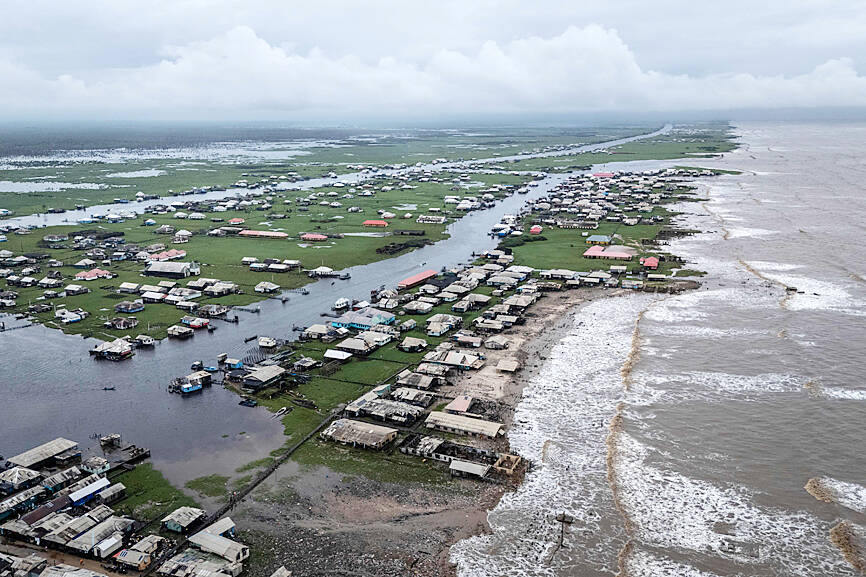
Coastal erosion accelerated by climate change is destroying homes and infrastructure in Ayetoro, Nigeria, and 19 other communities in the Ilaje district, with the coastline receding an average of 15 meters per year between 1987 and 2022. [3] The beach in Ayetoro shrinks every year, leaving remains of homes swallowed by the ocean, some years ago and some just months prior. [3] Families whose homes are destroyed constantly rebuild further inland, only for the water to strike them again. [3]
Aided by climate change, the Atlantic Ocean encroaches and sweeps away everything in its path. [3] The town's coastline receded by an average of 15 meters every year between 1987 and 2022 according to a study by spatial planning specialist Barnabas Ogirima James. [3] In 2024, the journal Scientific Reports estimated that the current rate of sea-level rise along west Africa’s Gulf of Guinea is approximately 3.9 millimeters per year, about 10.5 percent higher than the global average. [3]
The community’s sole health center has been lost to the waves. [3] Sometimes the water reaches window level, yet residents have to keep working, including helping women give birth under these conditions. [3] With brackish waters constantly inundating the community, people suffer from high blood pressure and water-borne diseases like typhoid and diarrhea because of the water they use. [3] The sea has already contaminated the water supply, yet they use it for cooking because it is the only water available to them. [3]
The ocean has also snatched away the stability that is supposed to come with each school year. [3] Schools have been relocated several times, just like their homes. [3] It takes a psychological toll on them, and their ability to concentrate on their studies drops drastically. [3]

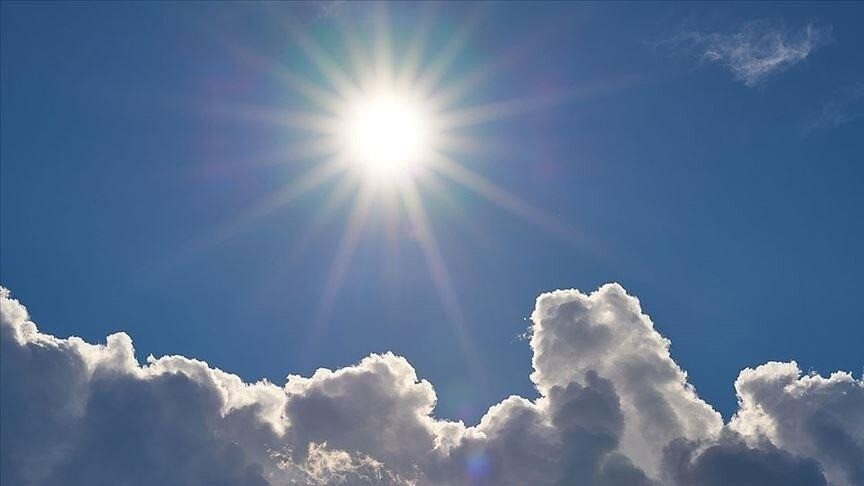
Severe thunderstorms bring damaging winds and hail to Minnesota and Florida. — Source: anadolu
Climate Patterns Elevate Global Heat and Extreme Weather Risks
El Niño and the Indian Ocean climate pattern are raising the risk of record heat, drought, and flooding in coming months according to a climate scientist. [4] These two weather patterns could amplify heat, drought, and flooding risks in the months ahead. [4] The climate scientist emphasized how the combination elevates the potential for record heat alongside other extremes. [4]
Drought Reduces German Grain Harvest
Germany's grain harvest is forecast to fall by 7 percent this year due to months of severe drought and heatwaves. [5] The German Farmers' Association stated on Tuesday that the expected decline follows prolonged dry conditions and heat. [5] This forecast reflects the toll on production after extended periods of severe drought and heatwaves. [5]
Broader Impacts on Communities and Agriculture
The ongoing coastal erosion in Ayetoro and surrounding Ilaje district communities has led to repeated displacements, with some families moving more than three times. [3] In rapidly urbanizing Nigeria, floodplains, swamps, and coastal areas that take in ocean surges or floodwater are often cleared out for human settlement, worsening erosion along the 850 kilometer coastline. [3] There is growing demand for land, whether for housing or industrial activities, but it needs to be strictly regulated. [3] Developing more natural barriers by planting mangroves and coconut palms has been recommended. [3]
In Germany, the projected 7 percent drop in grain production stems directly from the same pattern of severe drought and heatwaves affecting agricultural output. [5] These losses illustrate how prolonged dry spells and high temperatures reduce harvests across European farming regions. [5]
The combination of immediate storm threats in the United States, accelerating erosion in Nigeria, and drought impacts in Germany shows varied consequences from current weather and longer-term climate influences. [1] [2] [3] [5]
What to watch next: El Niño and the Indian Ocean climate pattern continue to raise the risk of record heat, drought, and flooding in coming months, while Germany's grain harvest faces a 7 percent decline from ongoing drought and heatwaves.