
Saudi Arabia Shuts East-West Pipeline in Most Dangerous Countries After Iraqi Drone Attack
Saudi Arabia has temporarily shut down its East-West oil pipeline after a drone attack attributed to Iranian-backed militias, as Houthis advance along the Red Sea and seize the strategic island of Perim, disrupting global oil supply routes amid escalating Middle East conflict in most dangerous countries. The 1,200-kilometer pipeline had been moving 4 to 5 million barrels per day, amounting to 4% to 5% of global supply, after the Strait of Hormuz was largely shut by war. [1]
Saudi Pipeline Closure After Drone Strike
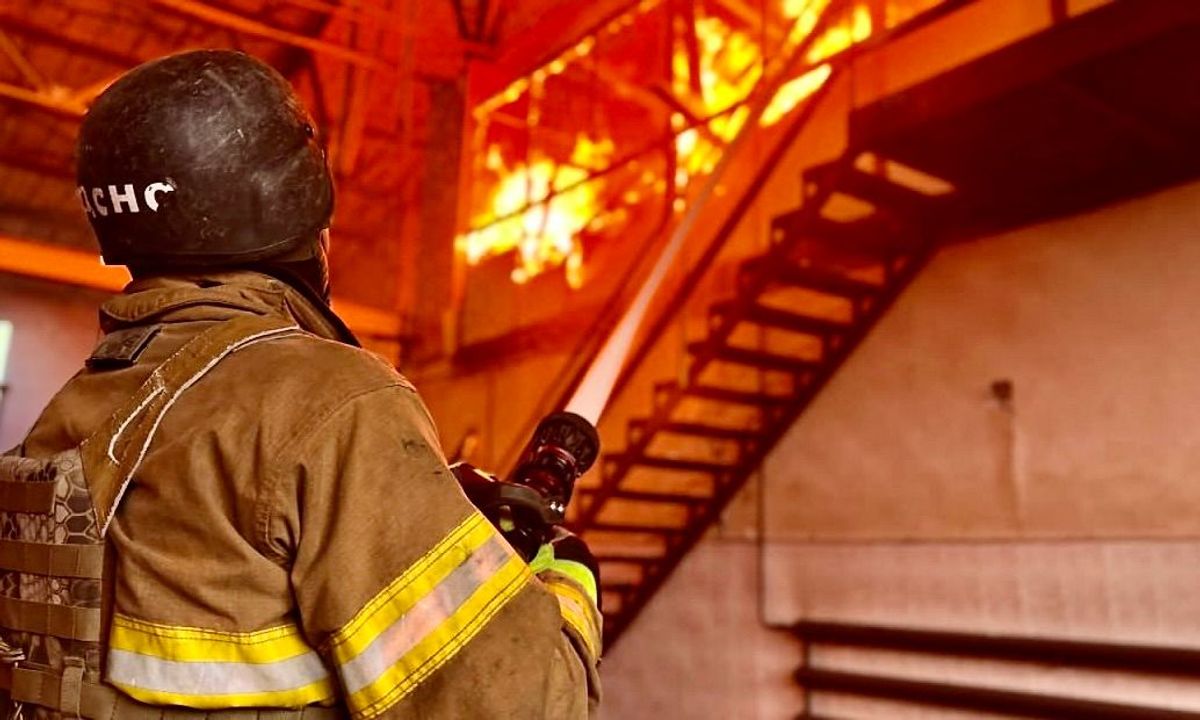
Saudi Arabia has shut down its East-West pipeline following a drone attack that originated in Iraq, where Iranian-backed militias operate. [1] The world’s largest crude oil exporter said it temporarily closed the pipeline as a precaution after the attack, which Baghdad and Riyadh attributed to Iraqi territory. [1] Iraq dismissed a military commander on Saturday, September 12, in response to the attack. [1] Satellite images showed black smoke rising from an area of the pipeline south of Medina. [1] The attack resulted in some injuries and damage that was being assessed, the Saudi Foreign Ministry said without detailing the impact on exports. [1] On Saturday, the Saudi Civil Defence said in a statement that a projectile fired by the Houthis had injured two people in Jazan region, along with damaging several buildings, including a mosque. [1] Saudi leaders asked for military help as oil prices shot up over the past week and the retail price of diesel in the United States surged past a record $6 a gallon. [1] Crown Prince Mohammed bin Salman phoned US President Donald Trump on Thursday and asked for US military help fighting the Houthis, three sources told Reuters. [1] The prince was told that Washington would not intervene directly for now but would help with intelligence. [1] Trump confirmed on Saturday that he had spoken to the crown prince. [1]
Houthi Advances Threaten Red Sea Shipping
Four Yemeni government sources told Reuters that the Houthis had seized the strategic island of Perim on Friday in the middle of the Bab el-Mandeb Strait. [1] The dramatic Houthi advance down Yemen’s Red Sea coast came with direct guidance from Iran’s Revolutionary Guards. [1] Iran describes the Houthis as an ally but publicly denies giving them military direction. [1] The Houthi military spokesperson, Yahya Saree, said maritime navigation remained safe for all shipping except Saudi vessels subject to a previously announced ban. [1] A separate Houthi projectile injured two people in Saudi Arabia's Jazan region and damaged buildings including a mosque. [1] Saudi-backed forces of a government based in the south indicated they would try to retake areas captured this week in the lightning offensive by the Houthis. [1]
Failures Leave Yemeni Forces Vulnerable
Yemeni battalions stationed in the port city of Mocha were left largely unprepared to fend off a takeover by the Iran-backed Houthis on Thursday, with much of the force’s roster filled with “ghost names” of soldiers that did not actually exist, according to a Saturday CNN report. [4] A Western source with knowledge of Yemeni anti-Houthi operations told CNN that the “ghost names” received salaries, making the army seem much stronger than it was on paper. [4] In actuality, the army was only around 20% of what it appeared to be, according to the source. [4] Blame for the apparent lack of military resistance to the Houthi takeover has been split between Yemeni leaders, the United States, and Saudi Arabia, with multiple sources telling CNN that different parties were responsible for the failure. [4] One regional CNN source described the fall of Mocha as “a Saudi-American f*** up of epic proportions” caused by delayed decision-making by Washington and Riyadh. [4] “The failure this time is not with the Yemenis,” the source told CNN on Friday. “There was not one airstrike throughout the day yesterday (by Saudi support forces), although there were minute-by-minute updates.” [4] Another source stated that the Saudi military had been put on high alert due to the possibility of a Houthi advance weeks ago, but failed to prepare for the attack. [4] Key air command personnel for directing combat aircraft allegedly were not deployed. [4] “The Saudis threw the Yemenis under the bus,” the source told CNN. [4] According to the report, a senior Yemeni official said he had warned US Central Command (CENTCOM) repeatedly “that the situation was becoming critical.” [4] The source told CNN that CENTCOM assured him that the US was “watching the situation closely and that Saudi air support was coming,” but the air support did not show up. [4] On Thursday, the day of the Houthi attack, CENTCOM chief Adm. Brad Cooper was in Saudi Arabia for coordination meetings, two sources told CNN. [4] DC-based Mohammed al-Basha, who has served as an advisor to the US government on the Arabian Peninsula, argued to CNN that internal divisions among Yemen’s leadership were to blame for the failure to defend Mocha. [4] “This goes back to a deeper problem in the anti-Houthi coalition,” Basha told CNN. “There is no political cohesion.” [4] “There’s no united command and control in Yemen,” he continued. [4]
Most Dangerous Countries See Parallel Escalations Across Conflict Zones
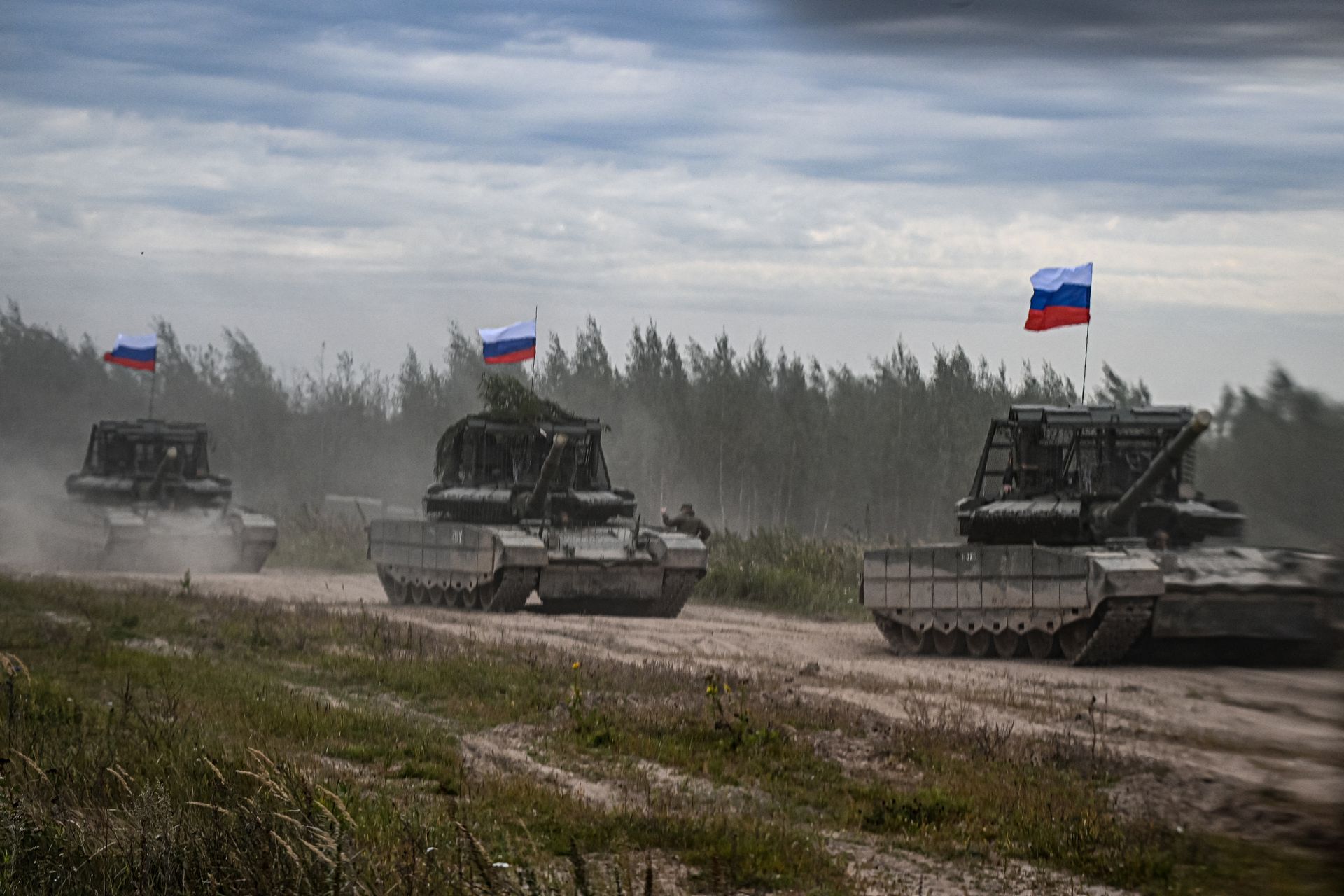
Israeli forces advanced into northern Syria’s Quneitra countryside with 3 tanks, 12 military vehicles and more than 10 armored personnel carriers. [2] Russia’s nuclear agency head accused Ukraine of attacking fuel trucks, endangering the Zaporizhzhia nuclear plant. [3] A wounded Ukrainian soldier has died in Belgium after travelling there for treatment. [5] Belgian Defence Minister Theo Francken said on X that the body of the drone operator, Roman, had been repatriated to Ukraine. [5] Francken said the soldier had suffered burns and had been transferred to Belgium. [5] “He had suffered burns and had been transferred to our country. We were unable to save him. We had been able to do so dozens of times before, but not this time.” [5]
Diplomatic Efforts on Strait of Hormuz
Iran’s Foreign Ministry announced on Friday, September 11, that Iran would be attending a meeting with Gulf Arab states in Oman on Monday, at which the future of the Strait of Hormuz would be discussed. [1] A senior Iranian official, speaking to Reuters on condition of anonymity on Saturday, played down the chances of a breakthrough, saying the meeting, called at Oman’s initiative, was intended to discuss issues including the strait but was not expected to yield a signed agreement. [1] An agreement on routes through the strait between Iran and Oman will be presented at the meeting on Monday, which will also be attended by Iraq, but the strait will not reopen unless seven conditions conveyed by Iran to the US are met, a source told Tasnim news agency, without elaborating. [1] Bahrain said on Saturday it would not attend meetings with Iran. [1] Iran wants its control of the Strait of Hormuz to be recognized, allowing it to collect fees from ships that use it, which Washington rejects. [1]
Human Cost and International Involvement
The death of a wounded Ukrainian soldier in Belgium occurred amid broader context of US, Saudi, and Iranian roles without direct intervention. [1] [5] Saudi Arabia, which previously struck pro-Iranian militia in Iraq, has opted not to retaliate so far, following a request from the Iraqi prime minister, the Saudi Foreign Ministry said in a statement. [1] Saudi crude supply fell to the lowest levels in more than three decades, the International Energy Agency said on Friday, partly due to attacks on ships going through Bab el-Mandeb by Houthi-linked groups. [1]
What to watch next: Iran and Gulf Arab states are set to discuss the future of the Strait of Hormuz in Oman on Monday, but a senior Iranian official played down the chances of a breakthrough as Iran demands recognition of its control over the strait. [1]