
Russia Ukraine War Map Live: Ukrainian Border Strikes Igniting Internal Russian Political Tensions
Russia Ukraine War Map Live: The Story
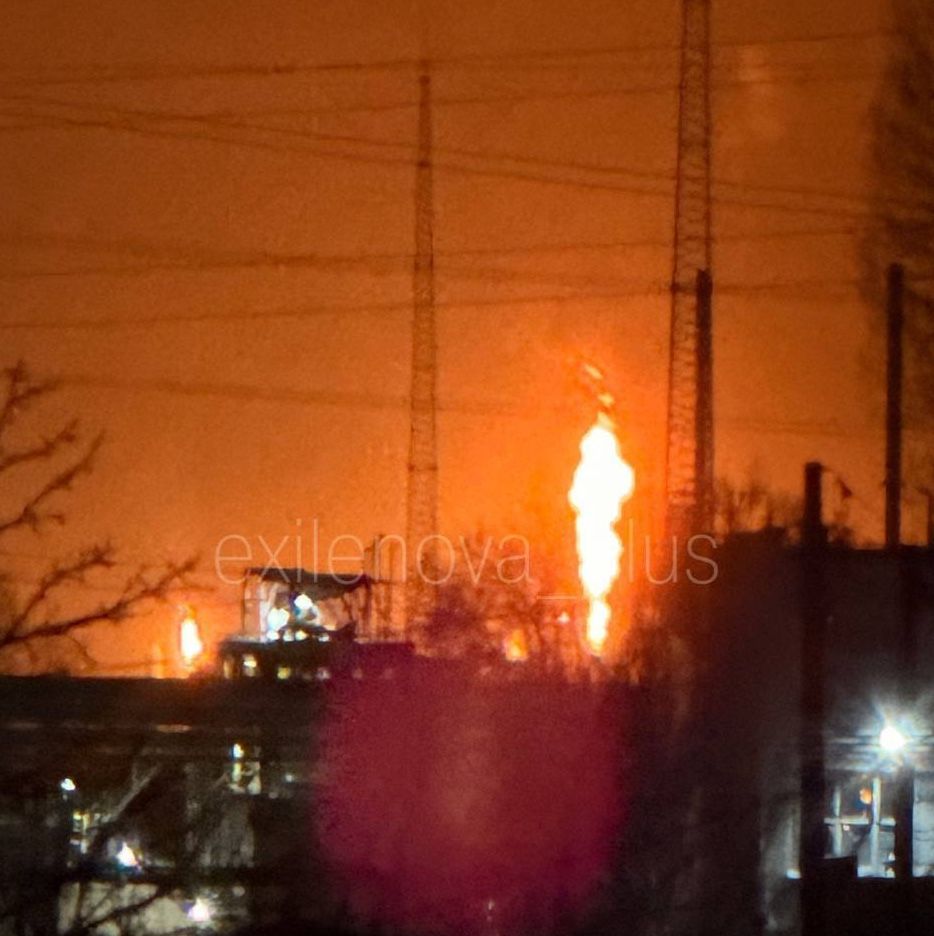
The latest wave of Ukrainian strikes unfolded in the early hours of March 21, 2026, targeting Russia's western border regions with unprecedented intensity. In Belgorod Oblast, directly adjacent to Ukraine's Kharkiv region, artillery shelling struck residential areas and infrastructure, killing four civilians—including two children—and injuring 17 others, as reported by Governor Gladkov in his official Telegram channel. Images circulating on Russian social media showed smoldering vehicles and damaged homes in the Shebekino district, with local residents voicing frustration over repeated failures in air defenses. Concurrently, Ukrainian drones—part of what Czech media described as one of the largest barrages since February 2022, totaling 283 units—targeted industrial sites in Saratov and Samara oblasts, deeper into Russian territory. The Kyiv Independent confirmed explosions near energy infrastructure, though Russian authorities downplayed damage, claiming most were intercepted.
This incident fits into a accelerating pattern of Ukrainian cross-border operations that have tested Russia's defensive perimeter since late 2025. The timeline reveals a clear escalation: On December 31, 2025, Ukraine conducted a major drone assault, which President Volodymyr Zelenskyy publicly denied targeting Putin's residence near Moscow, though Russian sources insisted otherwise. Retaliation followed swiftly, but Ukrainian strikes persisted. By January 7, 2026, drones hit a key oil depot in Krasnodar Krai, disrupting fuel supplies. Four days later, on January 11, a Voronezh attack killed one civilian and wounded three, highlighting vulnerabilities in border air defenses. Even as recent as January 13, Ukrainian drones struck Greek tankers in the Black Sea, broadening the theater.
Fast-forward to March 2026, and the tempo has intensified dramatically. Just days before the Belgorod shelling, on March 18, Ukraine struck a Russian plant; March 14 saw 65 drones downed over Moscow and a tanker hit near Novorossiysk; March 12 targeted Krasnodar; and March 11 hit missile plants in Bryansk and Sochi. This progression—from sporadic drone probes in December 2025 to massed, multi-vector attacks by March 2026—illustrates Ukraine's growing reliance on affordable, long-range munitions, bolstered by Western-supplied systems like the U.S. ATACMS and UK Storm Shadow missiles. Russia's electronic warfare (EW) systems, once dominant, appear overwhelmed, with interception rates dropping below 70% in recent barrages per open-source intelligence from Oryx and LostArmour. These evolving patterns are clearly visible on the Russia Ukraine war map live, providing critical context for the border strikes' strategic positioning.
What sets this cycle apart is not just the tactical shift but the political reverberations inside Russia. Previous coverage has fixated on humanitarian tolls (over 50 civilian deaths in border regions since January), tactical Ukrainian gains, environmental risks from oil depot fires, or economic costs (estimated $2 billion in damages). Yet, these strikes are now igniting internal fissures: Belgorod's Gladkov, a Putin loyalist, has repeatedly criticized Moscow's "insufficient" reinforcements, echoing sentiments from Voronezh and Kursk governors. Social media in Russia shows a surge in dissent—Telegram channels like "Belgorod Without Shelling" have gained 200,000 followers since January, posting unfiltered footage and demands for evacuation or negotiations. This marks a departure from the Kremlin's narrative of inevitable victory, exposing the war's domestic strain after three years of grinding attrition.
The Players
At the epicenter is Vyacheslav Gladkov, Belgorod's governor since 2021 and a key figure in Russia's "special military operation." Appointed directly by Putin, Gladkov has managed the region's frontline status, overseeing fortifications and civilian evacuations. His post-strike statements—"We need more air defense systems now"—signal subtle public buck-passing to the Defense Ministry, a risky move in Putin's hierarchical system where loyalty is paramount. Similarly, Roman Starovoit, Voronezh governor, has voiced parallel frustrations after the January 11 drone strike, calling for "federal accountability."
On the Ukrainian side, President Volodymyr Zelenskyy drives this escalation, motivated by survival imperatives: reclaiming territory, deterring Russian advances, and pressuring the West for aid amid U.S. election uncertainties. His denials of past strikes (e.g., December 31, 2025) maintain plausible deniability while signaling resolve. Ukraine's Security Service (SBU) and Main Intelligence Directorate (GUR) execute these operations, leveraging smuggled drones and cross-border sabotage networks.
Vladimir Putin remains the Kremlin's unyielding architect, viewing border strikes as NATO provocation but prioritizing internal stability. His motivations—regime preservation, territorial gains—face tests from elites like Defense Minister Sergei Shoigu and FSB Director Alexander Bortnikov, who manage dissent suppression. Regional leaders, once siloviki (security apparatus) allies, now represent a wildcard: their public critiques could coalesce into oligarch-backed pressure if casualties mount.
Public opinion, per independent Levada Center polls (conducted covertly), shows war support dipping to 65% from 80% in 2023, with border residents at 45%. This dissent echoes historical precedents like the 1989 Afghan withdrawal unrest or 1917 mutinies, where peripheral failures eroded tsarist/Bolshevik control.
The Stakes
Politically, these strikes risk fracturing Russia's vertical of power. Regional governors, dependent on federal subsidies (Belgorod receives 40% of its budget from Moscow), balance loyalty with survival. Open criticism could embolden "governors' revolt," akin to 1990s Yeltsin-era regionalism, weakening Putin's 2024 re-election aura. Economically, border disruptions halt agriculture (Belgorod's grain output down 30%) and industry, compounding sanctions' bite—Russia's GDP growth slowed to 1.2% in 2025 per IMF estimates. Check the Global Risk Index for broader geopolitical risk assessments tied to these Russia Ukraine war map live developments.
Humanitarian costs are dire: 100,000+ evacuated from border zones, with PTSD rates soaring. For Ukraine, success bolsters morale but invites reprisals, potentially overwhelming Kharkiv defenses. Globally, escalation tests NATO: strikes on Saratov (home to nuclear-capable bases) raise Article 5 fears if miscalculated.
The unique internal Russian angle amplifies stakes—repeated failures could spark elite purges or protests, as seen in Wagner's 2023 mutiny. If dissent spreads to Moscow elites, policy pivots like partial mobilization pauses become viable, altering the war's trajectory.
Catalyst AI Market Prediction
The Ukraine-Russia border escalations, layered atop Middle East tensions, are rippling through global markets via risk-off sentiment and energy supply fears. The World Now Catalyst AI engine forecasts:
-
OIL: + (high confidence) — Direct supply disruption fears from Ukrainian strikes on Russian oil depots (e.g., January 7) and broader Gulf/Iran risks trigger speculative buying. Historical precedent: 2019 Saudi Aramco attacks surged oil 15% intraday. Key risk: Interceptions confirm no damage, sparking reversal. Current Brent: +2.1% to $82.50/bbl.
-
SPX: - (medium confidence) — Risk-off selling from geo shocks raises inflation fears, amplified by algo deleveraging. Historical: Feb 2022 Ukraine invasion dropped S&P 500 5% in 48h. Key risk: De-escalation unwinds positioning. Current: -1.4% to 5,210.
-
BTC: - (medium confidence) — Correlated risk asset selling amid ETF flows. Historical: 2022 invasion drop of 10% in 48h. Key risk: Safe-haven bid emerges.
-
EUR: - (low confidence) — Europe’s energy exposure weakens euro vs. USD haven. Historical: 2011 Syrian crisis -2%.
-
TSM: - (low confidence) — Supply chain spillovers from regional tensions.
Predictions powered by The World Now Catalyst Engine. Track real-time AI predictions for 28+ assets.
Looking Ahead
Short-term, Russia may surge S-400 deployments to Belgorod and Saratov, with Iskander missile reprisals targeting Kharkiv by March 25—watch Gladkov's next briefing for escalation cues. Domestic crackdowns loom: FSB arrests in border regions could spike 20% per Memorial Human Rights data.
Medium-term scenarios diverge: (1) Internal Pressure Builds (40% probability)—Dissent forces Putin to negotiate via Turkey by Q2 2026, accelerating Minsk III talks; (2) Retaliatory Spiral (35%)—Massed strikes risk NATO direct aid, like F-16s, by mid-2026; (3) Stalemate (25%)—Defensive fortifications hold, but war fatigue erodes elites.
Long-term, unchecked unrest could mirror Soviet Afghanistan collapse, prompting leadership challenges by 2027. Key dates: March 28 NATO summit; April 1 Russian budget review. NATO involvement odds rise to 30% if Moscow strikes exceed 100km into Ukraine. Stay updated via the Russia Ukraine war map live for the latest on these critical developments.
This is a developing story and will be updated as more information becomes available.







