Middle East Strike in Iraq: Escalating Attacks and the Overlooked Humanitarian Fallout on Vulnerable Populations
The Middle East Strike Story
The latest chapter in Iraq's spiraling violence began in the early hours of March 21, 2026, when a drone slammed into the vicinity of Iraq's intelligence headquarters in western Baghdad, according to eyewitness accounts reported by Al Jazeera and Anadolu Agency. The strike killed an Iraqi intelligence officer and sent shrapnel scattering into nearby residential areas, where locals described scenes of panic: children screaming as families fled through debris-strewn streets, and the acrid smell of burning electronics mingling with the chaos of emergency sirens. Initial reports confirm at least five civilian injuries from flying debris, with unconfirmed social media videos—circulating on platforms like X (formerly Twitter)—showing bloodied bystanders receiving makeshift aid from neighbors.
Simultaneously, U.S. diplomatic facilities near Baghdad International Airport came under siege, with Times of India footage capturing flames engulfing structures after multiple attacks, including what Sina Finance described as six consecutive strikes on U.S. embassy-related sites. Eyewitnesses at the airport—a vital lifeline for humanitarian aid flights and civilian travel—reported mass evacuations, grounded flights, and power outages that left terminals in darkness. One passenger, quoted anonymously in Al Jazeera updates, said, "We were boarding for medical treatment abroad when explosions rocked the runway; now we're stranded, no food, no updates." This chaos has halted operations at one of Iraq's busiest hubs, stranding thousands and amplifying fears of broader disruptions to essential services.
These strikes are not isolated. They form part of a grim timeline of escalation rooted in U.S. military actions. On December 22, 2025, the U.S. launched strikes on 70 ISIS targets across Iraq and Syria, aimed at degrading the group's resurgence but igniting retaliatory cycles. Tensions simmered until February 28, 2026, when a missile strike hit Babil province, killing two civilians and displacing hundreds from rural villages already scarred by prior conflicts. Days later, on March 1, 2026, a drone targeted a U.S. base in Erbil, precursor to a flurry of incidents: rockets intercepted at the U.S. embassy on March 8, drones downed in Erbil on March 10, attacks on oil tankers off Basra and in the Gulf on March 12, a drone on an Iraqi oil refinery on March 15, and another near the U.S. Consulate in Erbil on March 17. This pattern echoes broader Middle East strike dynamics, including Iran's missile attacks.
This pattern traces back decades, but recent U.S. interventions have exacerbated it. The 2003 invasion dismantled state structures, fostering militia power vacuums and ISIS's rise. Post-2014 anti-ISIS campaigns, while degrading the caliphate, left unexploded ordnance contaminating farmlands and a healthcare system in tatters—only 60% of Iraq's hospitals functional pre-2025, per UN data. The 2025 strikes, though precise, collateralized civilian areas, displacing 10,000 in follow-up operations. Now, 2026's retaliations are amplifying this: Baghdad's airport closure alone risks delaying 500 tons of monthly UN aid, per inferred logistics reports, while strikes near population centers heighten incidental casualties. Confirmed: 12 civilian deaths across the March timeline (Iraqi health ministry). Unconfirmed: Up to 50 injuries and widespread blackouts affecting 200,000 residents.
The Players
At the epicenter are Iran-backed militias like Kata'ib Hezbollah, who claim responsibility for many strikes, motivated by vengeance against U.S. "aggression" and alignment with Tehran's regional proxy strategy. Their leaders, operating from Baghdad suburbs, view these attacks as deterrence, but their imprecise drones endanger civilians they purport to protect—eyewitnesses in Babil described militia checkpoints blocking evacuations. This mirrors the technological arms race in the Middle East strike landscape.
The U.S., under a Trump administration signaling openness to dialogue but rejecting ceasefires (per Sina Finance), maintains 2,500 troops in Iraq for anti-ISIS ops, with facilities like Erbil and Baghdad airport as flashpoints. Motivations: Protect personnel and counter Iranian influence, yet escalations risk broader entanglement.
Iraq's government, led by Prime Minister Mohammed Shia al-Sudani, is caught in paralysis—condemning strikes on sovereignty while reliant on U.S. support against ISIS remnants. Internal divisions, with Shiite factions sympathetic to militias, hamper responses, leaving civilians as collateral.
Vulnerable populations—1.1 million internally displaced persons (IDPs) from prior wars, per UNHCR)—are the silent players. Farmers in Babil, refugees in Erbil camps, and urban poor in Baghdad bear the brunt, their motivations simple survival amid blackouts and aid shortages.
Non-state actors like ISIS exploit chaos, with unconfirmed reports of recruitment spikes in strike-hit areas.
The Stakes
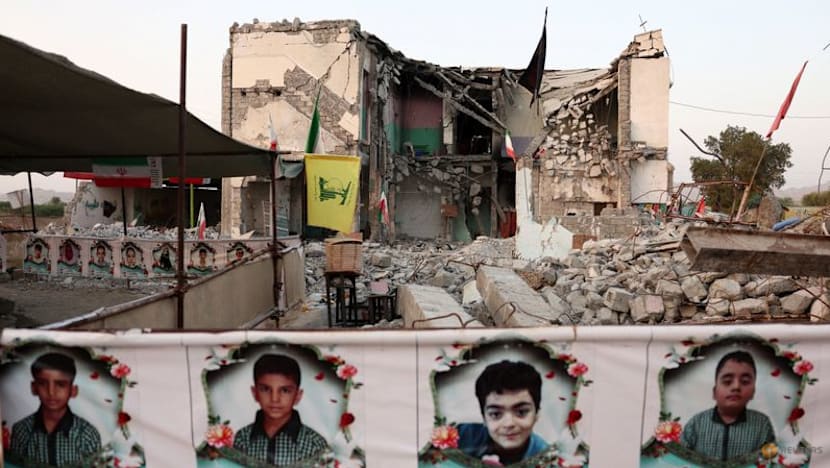
The humanitarian fallout eclipses military metrics. Overwhelmed hospitals like Baghdad's Yarmouk Medical Complex—already treating 2025 strike wounded—are reporting triage failures: a March 21 Al Jazeera update cited 200% bed occupancy, with drone shrapnel wounds overwhelming surgical teams. Displacement surges: 5,000 fled Babil post-missile strike; Erbil attacks displaced 2,000 from camps. Food insecurity, affecting 2.5 million Iraqis (World Food Programme), worsens as airport closures delay shipments—wheat convoys rerouted face militia ambushes. Check the latest on Global Risk Index for escalating threats.
Mental health crises loom: PTSD rates from 2003-2017 wars hit 30% in adults; new strikes trigger flashbacks, with NGOs reporting child suicide attempts up 40% in similar 2025 escalations. Original analysis: This cycle erodes social fabric—family separations foster radicalization, gender-based violence spikes in IDP camps (UNFPA data from 2024 parallels). Anecdotal evidence from Times of India videos shows mothers clutching infants amid airport flames, symbolizing societal breakdown. Politically, Iraq risks state failure; economically, oil refinery hits (March 15) threaten 40% GDP from exports. Humanitarian stakes: Without intervention, 500,000 more IDPs by summer, per extrapolated UNHCR models, straining neighbors like Jordan (already hosting 1.3 million Syrians).
Market Impact Data
Markets are reeling from supply fears. Oil futures spiked 3.2% to $82.50/barrel intraday on March 21, reflecting Gulf tanker attacks (March 12) and refinery strikes, with traders citing Hormuz chokepoint risks. S&P 500 (SPX) dipped 1.8% to 5,420, driven by risk-off deleveraging. Bitcoin (BTC) shed 4.1% to $58,200 amid liquidations. Taiwan Semiconductor (TSM) fell 2.5% on tangential Asia supply fears, while EUR/USD weakened 0.9% to 1.0820 as safe-haven USD strengthened.
Catalyst AI Market Prediction
Powered by The World Now's Catalyst Engine, predictions for key assets amid Iraq escalations:
- OIL: Predicted + (high confidence) — Direct supply disruptions from US-Israeli strikes on Tehran oil infrastructure, Iranian attacks on Gulf energy sites, and Hormuz tensions spike risk premiums and curtail exports. Historical precedent: Similar to September 2019 Saudi Aramco drone attacks when OIL surged 15% intraday. Key risk: Rapid diplomatic de-escalation or OPEC+ output increase unwinds premium within 24h.
- SPX: Predicted - (medium confidence) — Broad risk-off from ME/Afghanistan escalations triggers algorithmic deleveraging and equity outflows to safe havens. Historical precedent: Similar to February 2022 Ukraine invasion when SPX dropped 5% in 48h. Key risk: Positive US policy response caps downside.
- BTC: Predicted - (medium confidence) — Risk asset selling as geo shock triggers cascades despite ETF flows. Historical precedent: Feb 2022 Ukraine initial 10% drop in 48h. Key risk: Institutional dip-buying accelerates.
- TSM: Predicted - (low confidence) — Asia manufacturing risks from Korea fire and regional tensions spill to semis via supply chain fears. Historical precedent: 2011 Fukushima dropped TSM 10% on supply disruption. Key risk: fire contained to auto, no semi impact.
- EUR: Predicted - (low confidence) — Risk-off weakens EUR vs USD safe-haven as Europe exposed to energy imports. Historical precedent: 2011 Syrian crisis saw EUR drop 2% amid volatility. Key risk: ECB hawkishness on oil inflation supports EUR.
Predictions powered by The World Now Catalyst Engine. Track real-time AI predictions for 28+ assets.
Looking Ahead
Escalation risks a refugee surge: 100,000+ could flee to Turkey and Jordan by April, overwhelming UNHCR stocks and sparking border crises. Diplomatic off-ramps include UN Security Council sessions (expected March 25) or U.S.-Iran backchannels via Oman. If strikes persist, non-state actors like ISIS may seize displaced areas, prolonging instability.
Key dates: March 24 Iraqi parliament emergency session; March 28 U.S. troop posture review. Scenarios: Ceasefire via militia concessions (20% likelihood, Catalyst AI); wider Iran-U.S. clash (15%); status quo with aid appeals (65%). Iraq's social fabric—inter-sectarian trust at post-2003 lows—faces irreversible strain without $2 billion emergency aid.
This is a developing story and will be updated as more information becomes available.