
Philippines Will Not Allow Attacks on Taiwan From Its Soil, Marcos Says
Marcos Rules Out Philippine Role in Taiwan Conflict
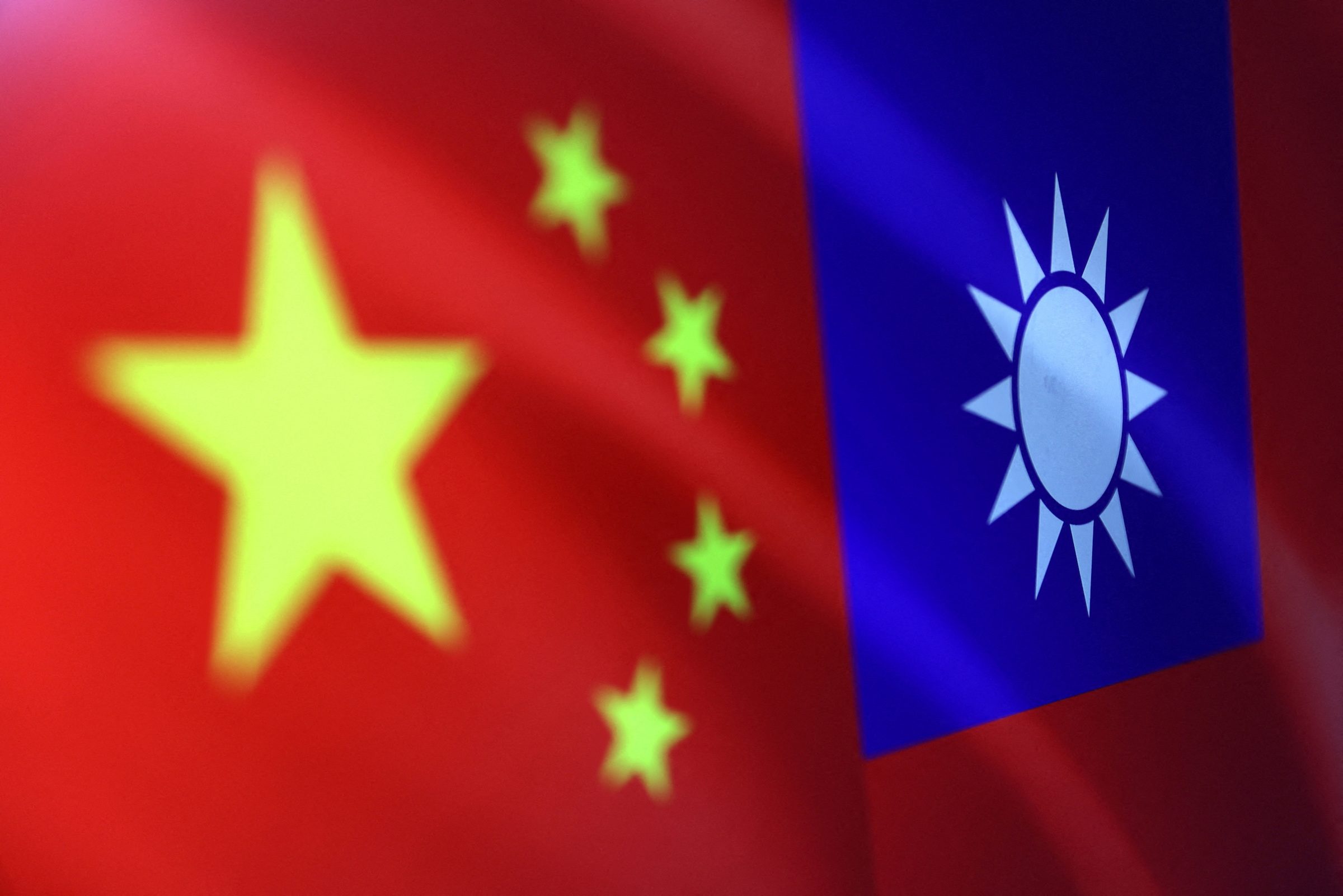
President Ferdinand Marcos stated on August 14 that the Philippines has “no desire to be a belligerent nation in the region” and will not “allow an attack on anyone from the Philippines” in the event of a Taiwan invasion. [1] “All we are concerned about is the defense of our territory and the maintenance of peace and stability in the region. That is all that the Philippines is concerned with… that is all that the Philippines will endorse and support,” Marcos said during a luncheon with foreign correspondents in Manila. [1] He added that permitting an attack from Philippine soil would run contrary to the country’s policy of working to maintain regional peace and stability. [1] The statement directly addresses rising tensions over Taiwan while underscoring Manila’s intent to avoid involvement in broader conflicts. [1]
Geographic Proximity and One China Policy
Marcos has previously said the Philippines would be dragged into a Taiwan scenario “kicking and screaming” because of its proximity to the independently-governed island. [1] Taiwan lies less than an hour’s flight from the northernmost provinces of the Philippines, including Marcos’ home province of Ilocos. [1] Manila follows a One China Policy, recognizing the People’s Republic of China as the sole government of China and thereby maintaining no diplomatic ties with Taiwan. [1] The Philippines nevertheless sustains economic and cultural relations with Taiwan through the Manila Economic and Cultural Office in Taipei and the Taipei Economic and Cultural Office in Manila. [1] Beijing has typically reacted strongly to statements by Marcos or other Philippine officials concerning Taiwan. [1]
Deepening Defense Partnerships
Manila’s strategy for securing its maritime spaces, including the West Philippine Sea and waters close to Taiwan, centers on deepening defense ties with established partners such as the United States, Japan, and Australia. [1] The Philippines is also expanding military relations with additional countries including France, New Zealand, and Canada. [1] When asked about steps the United States should take to bolster deterrence, Marcos replied that such decisions are internal matters for each country and not something the Philippines can influence. [1] He stressed that the Philippines seeks only to defend its territory, exercise sovereign rights, and secure recognition of its sovereignty. [1]
Regional Hedging in the Middle East
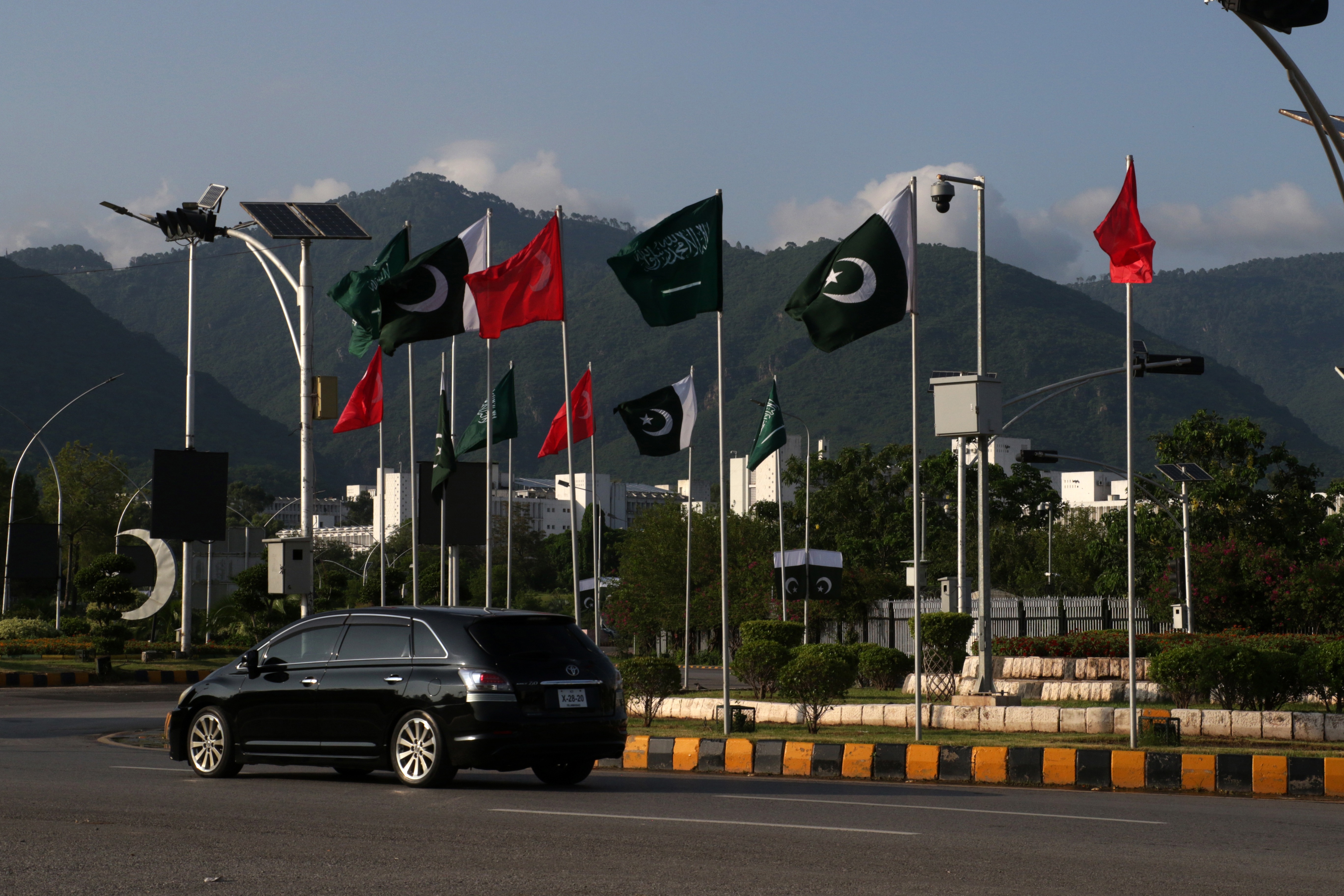
Saudi Arabia, Turkey, and Pakistan signed the Mecca Joint Defence Agreement on August 7, 2026, establishing a collective defense principle under which an armed attack against one state would be treated as an attack against all three. [2] The pact enables the signatories to strengthen defensive capacity while continuing to operate within the broader American-led regional order. [2] It focuses on maritime security across the Western Indian Ocean, from the Arabian Sea and the Strait of Hormuz to the Bab-el-Mandeb Strait and the Red Sea, by coordinating naval domain awareness, joint patrols, and exercises. [2] The agreement converts one-on-one rivalries with Iran into a three-front challenge for Tehran and combines naval power to protect oil shipments and trade routes. [2]
Naval Diplomacy Around Indonesia and Taiwan
US Under Secretary of War for Policy Elbridge Colby met Indonesia’s defense minister, Sjafrie Sjamsoeddin, in Jakarta as part of a Southeast Asia tour that also included the Philippines, Thailand, and Cambodia. [3] At nearly the same time, China’s Global Times reported that the Chinese warship Honghe would conduct a joint navigation exercise with an Indonesian navy ship in mid-August in waters east of Taiwan. [3] The exercise is described as involving communication practice and supply drills aimed at deepening cooperation and safeguarding regional peace and stability. [3] Indonesia maintains a “free and active” foreign policy that avoids alignment with either side while preserving relations with multiple powers, including Russia. [3] The country has hosted the Multilateral Naval Exercise Komodo and the first ASEAN Solidarity Exercise in the Natuna Sea in 2023, and it conducts the annual Garuda Shield exercise with the United States. [3]
US Support for Japan on Disputed Islands and Korean Peninsula Tensions
US Ambassador to Japan George Glass stated that the United States remains unwavering in its support of its most important ally and in its recognition of Japanese sovereignty over the Northern Territories. [4] The remarks followed Russian President Vladimir Putin’s visit to the islands, the first by a Russian president since Dmitry Medvedev in 2010. [4] Japanese Prime Minister Sanae Takaichi described the Northern Territories as an inherent part of Japan’s territory both historically and under international law. [4] Separately, North Korea denounced upcoming US-South Korea military drills named “Ulchi Freedom Shield,” scheduled to run from August 17 to August 27, as a provocation that heightens tensions on the Korean Peninsula. [5] A North Korean Foreign Ministry spokesperson said the drills turn US-Japan-South Korea cooperation into a nuclear alliance and that Pyongyang will respond to a new level of threat with a new level of deterrent. [5] The exercises will incorporate training against drones, GPS disruption, and cyberattacks. [5]
What to watch next: The mid-August joint navigation exercise between a Chinese warship and an Indonesian navy vessel east of Taiwan, the start of the Ulchi Freedom Shield drills on August 17, and any further statements from Manila on its defense partnerships.