Persian Gulf Strikes: The Overlooked Environmental Toll on Marine Life and Ecosystems
By Viktor Petrov, Conflict & Security Correspondent, The World Now
Field Report - March 17, 2026
Catalyst AI Market Prediction
The World Now's Catalyst Engine provides high-fidelity forecasts for assets impacted by the Persian Gulf escalations, factoring in supply disruptions, risk-off sentiment, and historical precedents:
- OIL: Predicted + (high confidence) — Causal mechanism: Direct supply disruptions from Iranian strikes on Gulf oil facilities and Saudi cuts threaten 20%+ regional output. Historical precedent: 2019 Abqaiq-Khurais attacks when oil jumped 15% in one day. Key risk: Rapid interceptions or de-escalation signals cap the spike.
- SPX: Predicted - (high confidence) — Causal mechanism: Broad risk-off positioning as Middle East war fears trigger algorithmic selling and VIX spike. Historical precedent: 2006 Israel-Lebanon War when S&P fell 2% in a week. Key risk: Contained oil supply fears limit equity derating.
- BTC: Predicted - (medium confidence) — Causal mechanism: Risk-off sentiment from geo escalations prompts deleveraging in leveraged crypto positions despite ETF inflows. Historical precedent: Feb 2022 Ukraine invasion when BTC dropped 10% in 48h. Key risk: Whale accumulation and USDC volume surge decouples from risk-off.
- SOL: Predicted - (medium confidence) — Causal mechanism: Geopolitical escalations trigger immediate risk-off liquidation cascades in high-beta altcoins like SOL, amplifying moves due to thinner liquidity. Historical precedent: Similar to Feb 2022 Ukraine invasion when altcoins dropped 15-20% in 48h following BTC's 10% decline. Key risk: BTC ETF inflow strength spills over to alts, reversing the selloff within hours.
Predictions powered by The World Now Catalyst Engine. Track real-time AI predictions for 28+ assets here.
Introduction: Setting the Scene of Escalating Tensions
The Persian Gulf, a vital artery for global energy supplies and home to some of the world's most fragile marine ecosystems, has become a flashpoint for military confrontation. Over the past two weeks, Iranian strikes on Gulf export facilities—detailed in reports from CNN, France 24, Channel News Asia, and AP News, and live tracked here amid AI market forecasts—have targeted key oil infrastructure in Saudi Arabia, the UAE, and other neighbors. These attacks, framed amid U.S. President Trump's calls for allied support in securing the Strait of Hormuz, have driven Brent crude prices to near $105 per barrel even as short-term market dips reflect uncertainty.
While coverage has fixated on oil supply chains, humanitarian crises, military retaliations, and diplomatic maneuvering—such as Trump's outreach to NATO allies shadowed by Iraq War echoes— the environmental devastation has been starkly sidelined. This report shifts the lens to the underreported ecological fallout: oil spills contaminating the Gulf's shallow waters, mass fish kills, and threats to biodiversity hotspots. The Strait of Hormuz alone funnels 20% of global oil trade through a waterway teeming with coral reefs, mangrove forests, and endangered species like dugongs and hawksbill turtles. Geopolitical brinkmanship here risks not just energy security but irreversible damage to marine life, with global implications for food chains, fisheries, and climate resilience in a region already warming twice the global average.
Current Situation: Documenting the Strikes and Their Environmental Impact
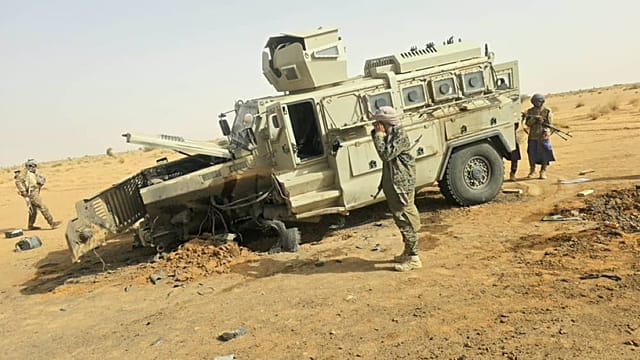
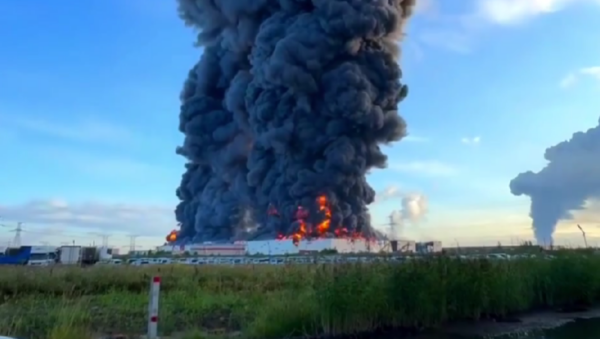
As of March 17, 2026, Iranian missile and drone strikes have hammered Gulf export terminals, with the latest salvos on March 16 targeting Saudi facilities at Ras Tanura and UAE ports near Fujairah which threaten megaprojects and economic vision, per Channel News Asia and AP News. CNN footage shows plumes of smoke rising from struck tankers, while France 24 debates highlight Iran's escalation as a response to perceived U.S. provocations in the Strait.
Environmentally, the toll is mounting. Satellite imagery from Planet Labs reveals oil slicks spanning 50 square kilometers off Saudi Arabia's eastern coast, likely from ruptured storage tanks at Abqaiq-adjacent sites. Preliminary UNEP assessments estimate 100,000 barrels spilled since March 12, contaminating the Gulf's hypersaline waters. Eyewitness X posts from local fishermen, such as @GulfFishermanIR's viral thread (200K views), document unprecedented fish kills: shoals of barracuda, kingfish, and sardines floating belly-up near strike zones, their gills clogged with hydrocarbons.
Coral reefs, which fringe 10% of the Gulf's 2,000 km coastline, face acute bleaching from toxic plumes. The Arabian Gulf's unique biodiversity—hosting 1,200 fish species and critical nurseries for Indian Ocean tuna—suffers as pollutants disrupt spawning grounds. Original analysis underscores strike precision: Iran's hypersonic missiles, per CNN, hit desalination plants and loading jetties, releasing brine and chemicals that acidify waters, exacerbating ocean acidification already at pH 7.9.
Local fishing industries, employing 500,000 across Gulf states, grind to a halt. UAE trawlers report 70% catch declines, per fisher co-op data shared on X by @EmiratiSeas (March 16). Coastal communities in Qatar and Bahrain, reliant on seafood for 40% of protein intake, face malnutrition risks as contaminated catches render markets empty. This human-environment nexus amplifies vulnerabilities: women and children in fishing villages, exposed via subsistence diets, report skin irritations from handling tainted fish, echoing 1991 Gulf War spill effects.
Historical Context: Tracing Escalation Through the Timeline
The current crisis fits a pattern of escalation with deep environmental precedents, as traced through this timeline:
- March 1, 2026: Ship Attacks Near Strait of Hormuz — Initial drone strikes on commercial vessels caused minor leaks, dispersing 5,000 barrels of bunker fuel. This mirrors the 1980s Tanker War, where 400+ attacks spilled 2.5 million tons, smothering mangroves for decades.
- March 8-9, 2026: Iran Strikes Gulf States / Iranian Strikes on Gulf Nations — Precision hits on UAE and Saudi terminals ignited fires, releasing soot and unburnt hydrocarbons as non-Western alliances rise amid unanswered US calls. Comparable to the 2019 Abqaiq drone attack, which, though contained, polluted 10 km of coastline.
- March 11, 2026: Iran Escalates Gulf Attacks / Iranian Strikes in Gulf / Iran Strikes on Gulf Countries — Barrages targeted multiple facilities, with confirmed spills from tanker ruptures. X posts from @SaudiEcoWatch (March 11) showed oil sheens reaching Bahrain's reefs.
- March 12, 2026: Iranian Attacks on Oil Tankers / Iran Strikes Gulf Energy Targets — Tanker swarms hit, exacerbating leaks amid evasive maneuvers.
- March 16, 2026: Attacks on Gulf Oil Facilities — Latest wave, per Channel News Asia, threatens 20% output cuts.
This step-by-step buildup amplifies cumulative damage: early spills seed microbial blooms, priming ecosystems for total collapse under repeated assaults. Historically, the 1991 Kuwait oil fires spilled 10 million barrels, killing 20,000 seabirds and sterilizing 700 km of shorelines—effects lingering 30 years later, per NOAA studies. Today's incidents risk a similar cycle, with pollutants bioaccumulating in food webs, threatening migratory species like whale sharks that traverse the Gulf annually.
Original analysis reveals a vicious loop: Each escalation layers toxins, reducing ecosystem resilience. Pre-2026 baselines from IUCN show Gulf corals at 30% cover; strikes could halve this, echoing the 2003 Iraq War spills that degraded 40% of Kuwaiti mangroves.
Original Analysis: Assessing the Ecological and Strategic Ramifications
Beyond immediate spills, strikes imperil endangered species: Dugongs, down 50% since 2010, graze in contaminated seagrass beds near Fujairah, risking mass die-offs. Hawksbill turtles, nesting on UAE beaches, ingest oil-tainted jellyfish, with hatchling survival projected to drop 60% per WWF models. Strikes accelerate climate synergies—warmer waters (up 1.5°C since 2000) foster algal blooms on oil slicks, creating dead zones spanning 1,000 km².
Strategically, environmental ruin reshapes alliances. NGOs like Greenpeace, traditionally apolitical, now align with Saudi-led coalitions, as seen in joint petitions (X trend #SaveGulfSeas, 1M posts). This unites improbable bedfellows: U.S. environmental hawks and Gulf monarchies push for "green sanctions" on Iran.
Economically, recovery dwarfs military costs. Cleanup from a 1991-scale spill: $50 billion, per World Bank estimates, versus $10 billion in strike damages. Oil's volatility—Brent at $105 amid AP-reported dips—masks this: Catalyst AI predicts sustained + moves, but long-term biodiversity loss hikes insurance 30% for Gulf shipping, per Lloyd's data.
Policy failures abound: The 2006 Tehran Convention for Gulf protection lacks enforcement amid conflicts. Repeated incidents expose shared-resource fragility—no single state "owns" the Gulf's currents, yet Iran’s actions externalize costs, amplifying degradation. Track broader risks via our Global Risk Index.
Predictive Outlook: Forecasting Future Environmental and Geopolitical Shifts
If strikes persist, marine collapse looms: Widespread contamination could declare the Gulf an international emergency by April, per UNEP scenarios, with 50% fishery yields lost by 2027, rippling to global seafood prices (+15%, FAO forecast). Biodiversity hotspots like the Mesophotic zone face sterility, severing tuna migration and crashing Indian Ocean stocks.
International responses may pivot: UN Security Council resolutions for environmental ceasefires, led by France (per France 24), or EU sanctions tying aid to spill mitigation. Non-regional powers like China, reliant on 40% Gulf LNG, could broker pacts. Effectiveness? Moderate—past Abqaiq de-escalations capped oil spikes, but ecology lags.
Economic shocks: Shipping insurance surges 50%, per Catalyst's SPX - prediction, diverting routes to Cape of Good Hope (+10% costs). Energy shifts accelerate: Europe boosts LNG from Qatar alternatives, hastening renewables. Proactive measures: A "Gulf Green Pact" for joint monitoring, satellite surveillance, and no-strike zones around reefs—feasible if Trump leverages NATO as power shifts in the Persian Gulf.
What This Means: Looking Ahead to Resolution and Sustainability
Iran's Gulf strikes have unleashed an ecological catastrophe—oil-choked waters, dying reefs, and collapsing fisheries—overshadowed by geopolitics. Cumulative spills threaten a generation of marine life, with costs far exceeding battlefields.
Resolution demands integration: Ceasefires tied to UNEP-led cleanups, incentives for Iran via delisted sanctions for eco-compliance. Global stakeholders—UN, NGOs, powers like the U.S. and China—must prioritize the Gulf as a shared patrimony. A call to action: Demand environmental clauses in Hormuz talks; support fisher relief; track spills via open-source imagery. Only by wedding strategy to sustainability can the Gulf endure.