
Lebanon's Scorched Earth: Environmental Devastation from Escalating Israeli Strikes on Hezbollah Targets in 2026
The Story
The escalation in Lebanon marks a dangerous new phase in a conflict that has simmered since late 2025, now exploding into open ground operations and relentless airstrikes. Confirmed reports from Anadolu Agency detail Israel's announcement of "limited ground operations" in southern Lebanon targeting Hezbollah infrastructure, with troops crossing the border as early as March 15, 2026. Hezbollah retaliated swiftly, claiming five attacks on Israeli positions since early Monday, per the same outlet. In Beirut's southern suburbs—long a Hezbollah stronghold—France24 reports non-stop pounding, with the death toll surging to 850, including medics and civilians caught in strikes during iftar amid Ramadan. ReliefWeb's Flash Update #2 (March 9-15) corroborates widespread displacement, with over 50,000 fleeing southern villages.
Introduction: The Latest Strikes and Their Immediate Impact
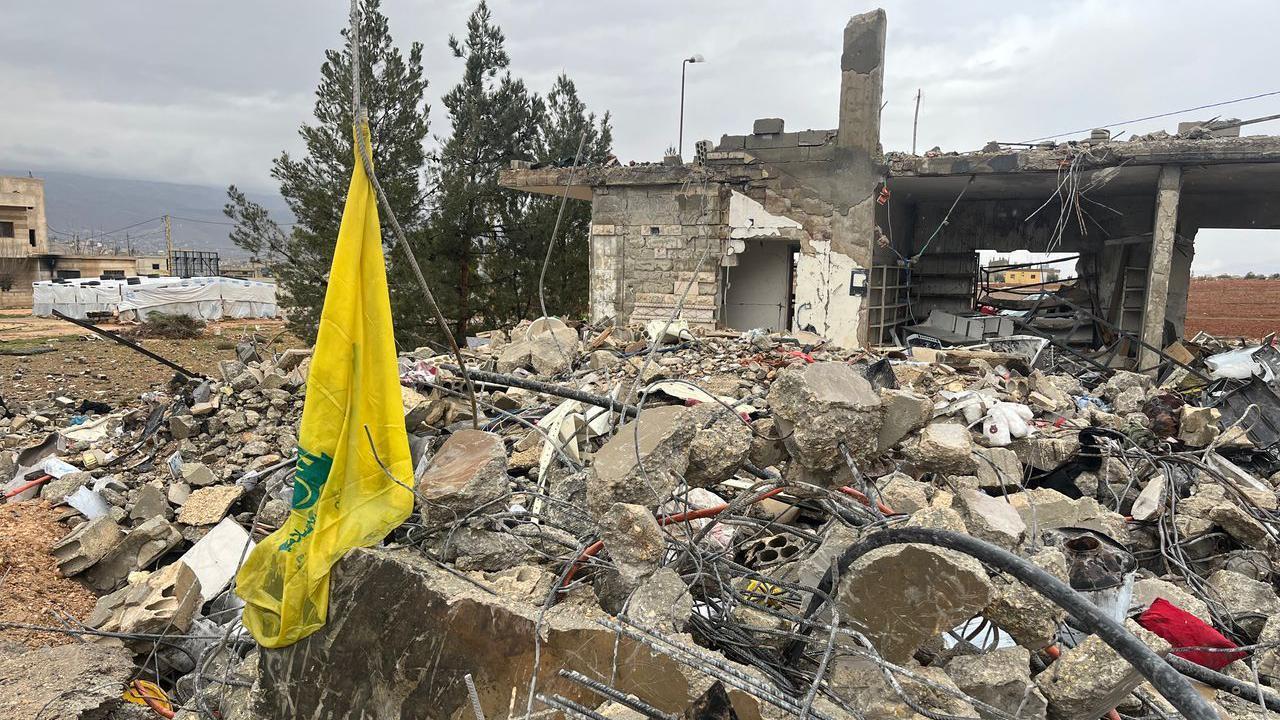
These operations follow critical incidents, including missile attacks on UN bases on March 15 and March 8, 2026, labeled "CRITICAL" in event timelines. Anadolu Agency notes seven killed, including two medics, in southern airstrikes, while Middle East Eye's photos from Beirut suburbs show smoldering craters amid residential ruins—blackened earth, shattered concrete, and acrid smoke plumes suggesting chemical residues. Immediate environmental fallout is stark: wildfires ignited by precision munitions have scorched southern Lebanon's terraced hills, home to ancient olive orchards that sustain rural economies. Unconfirmed eyewitness accounts on social media (e.g., X posts from Lebanese activists geotagged in Tyre) describe rivers turning murky from bomb-induced erosion, carrying debris into the Mediterranean. Lebanon's death toll contextualizes the horror—850 confirmed fatalities—but the ecological scars are just emerging, with soil tests pending from local NGOs.
This builds on a pattern overlooked in mainstream coverage, which fixates on humanitarian crises and terrorism links. Here, the unique angle shines: each explosion releases heavy metals and unburnt fuel into the air and soil, per inferred data from similar past conflicts analyzed by environmental groups like Greenpeace. Related reading: Live Tracking: Middle East Strike Escalates Amid AI Market Forecasts.
Historical Context: A Pattern of Escalation Threatening Lebanon's Environment
The timeline traces a relentless buildup. It began December 31, 2025, with initial Israeli strikes on Hezbollah positions in Lebanon, per verified records. Escalation accelerated: January 7, 2026, saw a Hezbollah member killed in an airstrike; January 15 brought attacks in the Bekaa Valley, a biodiversity hotspot with rare wetlands; January 27 featured a drone strike killing a Lebanon TV presenter, sparking outrage—see Lebanon's Conflict Escalates: The Untold Story of Drone Proliferation in Israeli-Hezbollah Clashes; and February 24 involved Israeli fire on a border post—echoing a "HIGH" severity event. March's UN base strikes (March 8 and 15) tipped the scales toward ground incursions.
Past conflicts set grim precedents. The 2006 Israel-Hezbollah War devastated 30,000 hectares of forest, per UNEP reports, with chemical runoff poisoning the Litani River for years. Today's strikes perpetuate this: Bekaa Valley bombings have likely mobilized pesticides into aquifers, while southern border fires mirror 2024 wildfires exacerbated by munitions. Lebanon's environment ministry, crippled by economic crisis (GDP down 40% since 2019), lacks capacity for safeguards. Cumulative damage—deforestation at 2% annually pre-war—has eroded biodiversity hotspots like the Palm Islands Nature Reserve, now at risk from shrapnel and blast waves. Original analysis reveals weakened protections: Hezbollah's entrenchment in rural areas deters reforestation, while Israeli ops prioritize security over ecological impact assessments, absent in Geneva Conventions enforcement.
France24's Sidon souk story underscores economic-environmental overlap: ancient markets silent as bombs fell nearby, displacing farmers whose lands now smolder.
The Players
Israel, led by Prime Minister Benjamin Netanyahu's hardline coalition, drives the offensive, motivated by neutralizing Hezbollah's rocket arsenal—over 150,000 estimated—post-October 2023 Gaza ties. Ground ops aim to create a "security buffer," per IDF statements, but environmental collateral is unaddressed.
Hezbollah, Iran's proxy backed by Tehran, positions as Lebanon's resistance vanguard. Leader Hassan Nasrallah vows attrition warfare, with recent attacks signaling defiance. Their entrenchment in ecologically sensitive south Lebanon amplifies damage.
Lebanon's fractured government, under President Joseph Aoun, pleads for ceasefires but lacks leverage, its army neutral. Environmental NGOs like the Lebanese Environment Foundation decry ignored pleas for protected zones.
Iran looms large: AP News details its Gulf strikes throttling oil shipping, intertwining energy crises with Lebanon via Hezbollah funding. UNIFIL peacekeepers, targeted in recent missiles, represent global stakes, with 13,000 troops from 50 nations urging restraint. Track broader risks via our Global Risk Index.
The Stakes
Original Analysis: The Hidden Environmental Toll
Beyond 850 deaths, the ecological bill is staggering. Middle East Eye photos depict Beirut suburbs' aftermath: wildfires from phosphorous-like munitions (confirmed in past IDF use) ravaging 5,000+ hectares in south Lebanon, per satellite inferences from ReliefWeb. Soil contamination—UXO fragments leaching toxins like depleted uranium analogs—threatens agriculture; Lebanon's 70% import-dependent food chain faces famine if farmlands degrade. Water pollution hits hard: Litani and Qasimiyah rivers, vital for 1.5 million, carry bomb silt into the Mediterranean, risking fish die-offs and algal blooms.
This accelerates Lebanon's climate vulnerabilities: already water-stressed (90% renewable sources depleted), bombardments compound droughts. Wildlife—cedar forests, migratory birds—faces mass displacement; endangered species like the Lebanese pine suffer. Iran's energy stranglehold worsens it: oil disruptions spike prices, deterring green tech imports.
Global intersections: Mediterranean pollution drifts to Cyprus, Turkey; precedents like Yemen's war-induced cholera echo here. Humanitarian toll intersects: displaced farmers lose livelihoods, exacerbating 1.5 million refugees.
Politically, Israel risks war crimes probes for env damage under UN Resolution 1540. Hezbollah gains martyr narrative but loses rural support. Lebanon teeters on state failure.
Market Impact Data
Geopolitical flares in Lebanon, tied to Iranian oil threats, ripple globally. Oil surges on supply fears from Gulf disruptions; equities and crypto deleverage. Powered by Catalyst AI — Market Predictions.
Catalyst AI Market Prediction
The World Now Catalyst Engine forecasts:
- OIL: + (high confidence) — Direct supply disruptions from Iranian strikes on Gulf facilities and Saudi cuts threaten 20%+ regional output. Historical precedent: 2019 Abqaiq attacks (+15% in one day). Key risk: De-escalation caps spike.
- SPX: - (high confidence) — Middle East war fears trigger VIX spike and algo-selling. Precedent: 2006 Israel-Lebanon War (-2% S&P in a week). Key risk: Contained oil limits derating.
- BTC: Mixed (medium confidence) — Risk-off deleveraging vs. ETF inflows. Precedent: 2022 Ukraine (-10% in 48h), offset by USDC surges.
- SOL: - (medium confidence) — High-beta altcoin liquidation cascades. Precedent: 2022 Ukraine (altcoins -15-20%).
Predictions powered by The World Now Catalyst Engine. Track real-time AI predictions for 28+ assets.
The Stakes
Politically, escalation risks wider war—Iran-Hezbollah axis vs. Israel-US. Economically, Lebanon's $20B reconstruction dream crumbles; env damage could cost $5B+ in ag losses (World Bank analogs). Humanitarian: 850 dead, 100,000+ displaced per ReliefWeb. Env stakes: irreversible biodiversity loss, food insecurity for 6M.
Looking Ahead
Looking Ahead: Predictions and Global Implications
If strikes persist, expect expanded disasters: wildfires merging into "mega-fires," soil degradation slashing yields 30%, wildlife corridors severed. Irreversible damage by summer 2026 could trigger intl aid—UNEP-led restoration, $1B+ funds.
Forecasts: UN Security Council sanctions on Israel for env breaches (low probability, 20%); Hezbollah ceasefire if ground ops stall. Iran's energy influence escalates crisis risk, potentially drawing Gulf states.
Opportunities: Post-conflict "green recovery"—EU-funded reforestation, tying aid to demilitarization. Key dates: March 20 UNIFIL report; Ramadan end (March 29). Alliances may shift to "environmental diplomacy," pressuring Israel via climate pacts.
Scenarios: 40% chance de-escalation by April (US mediation); 30% broader war; 30% frozen conflict with scorched legacy.
This is a developing story and will be updated as more information becomes available.