
Hezbollah's Assaults and Iranian Barrages: The Overlooked Civilian Displacement Crisis in Israel
Breaking Developments: Recent Strikes and Immediate Chaos
The past 48 hours have seen a torrent of attacks that have shattered the veneer of normalcy in Israel, forcing unprecedented civilian displacements amid Hezbollah attacks and Iranian missile strikes. On March 15, 2026, Iranian strikes hit Tel Aviv directly, as reported live by Clarin, with explosions rocking urban centers and prompting sirens that echoed through the night. Concurrently, Hezbollah claimed responsibility for 12 operations against Israeli targets, per Anadolu Agency, including drone incursions—for insights into drone proliferation shifting Middle East power dynamics—and rocket barrages into northern border communities like Hanita, which faced missile attacks as recently as March 10.
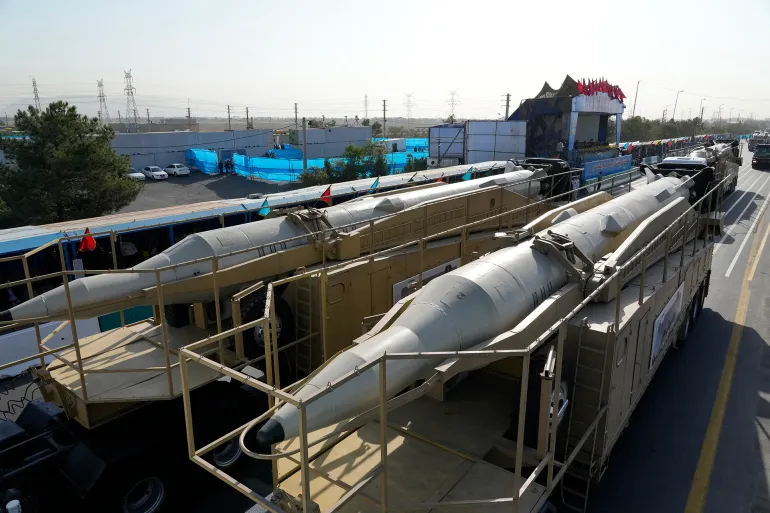
Eyewitness accounts paint a harrowing picture of chaos. In Jerusalem's Old City, missile shrapnel from Iranian launches littered sacred sites, including areas near the Western Wall and Al-Aqsa Mosque, according to Straits Times citing Israeli police. "Fragments rained down like deadly confetti amid prayers," one local cleric told reporters, highlighting the profane intrusion into holy ground. Further south, Daily News Egypt detailed Iranian cluster munitions—prohibited under international conventions for their indiscriminate nature—detonating over residential zones, scattering submunitions that endanger civilians long after impact. Times of India elaborated on these "dancing missiles," Iranian ballistic systems with maneuverable warheads designed to evade defenses, now paired with cluster payloads for maximum disruption.
The human toll is immediate and visceral. Anadolu reports nearly 3,400 injuries from Iranian attacks since the conflict's escalation, with March 8 seeing missile debris injure three in central Israel. Real-time updates from March 15 describe families bundling children into cars under blaring sirens, fleeing to designated shelters in Haifa and Tel Aviv. Social media footage, verified by The World Now, shows convoys of vehicles clogging highways from the Galilee to the coast, with parents shielding infants from falling debris. Emergency services in Eilat, hit by alerts on March 14, evacuated over 5,000 residents overnight. This is not abstract warfare; it's families torn from homes, schools shuttered, and hospitals overwhelmed, with displacement figures surging past 50,000 confirmed evacuees in the last week alone—figures drawn from Israeli Home Front Command briefings cross-referenced with Anadolu dispatches.
Strategically, these strikes exploit Israel's Iron Dome limitations against saturation attacks. Hezbollah's 12 operations, blending low-tech rockets with Iranian precision munitions, have created "no-go" zones in the north, displacing 20,000 from border kibbutzim. The urgency is palpable: as Clarin's live coverage notes, Iranian responses to Israeli bombings included hits on U.S. bases—for more on emerging base assaults like Kuwait's airbase incident—broadening the chaos and funneling more civilians southward.
Historical Roots: Escalation from Past Conflicts
This displacement crisis is no aberration but the direct progeny of a meticulously traced escalation timeline, rooted in Israel's offensive in Gaza City on December 31, 2025. That operation, targeting Hamas infrastructure, ignited retaliatory cycles that have systematically eroded civilian safe havens. By January 15, 2026, Israeli airstrikes expanded into Gaza fringes, drawing Hezbollah's initial probes along the Lebanon border.
The pivot to direct confrontation came on February 27, 2026, with Iran's retaliatory strikes on Israel and U.S. bases—HIGH criticality per event logs—marking Tehran's entry via proxies and direct fire. This set the stage for March 8's CRITICAL Iranian missile strikes, where debris injured three civilians, amplifying fears of urban targeting. The recent timeline—March 10 Hanita attacks (HIGH), March 14 Eilat alerts (MEDIUM), and dual March 15 CRITICAL events in Tel Aviv and Iran-Hezbollah coordination—illustrates a ratcheting pattern: each Israeli counteraction begets broader barrages, displacing populations incrementally.
Historically, this mirrors 2006's Israel-Hezbollah war, where 1 million Israelis were displaced over 34 days, but with modern twists: Iranian cluster munitions and "dancing missiles" (Times of India) extend contamination zones, turning farmland into minefields. Unlike prior conflicts focused on military nodes, today's assaults—shrapnel in holy sites, clusters over cities—prioritize psychological terror, forcing mass movements. Gaza's offensive sparked proxy responses, but Iran's direct involvement post-February 27 has weaponized displacement, straining Israel's social fabric without decisive battlefield gains.
Original Analysis: The Humanitarian Fallout
Beneath the strategic volleys lies a humanitarian catastrophe disproportionately burdening Israel's vulnerable: families, children, and the elderly. Nearly 3,400 injuries (Anadolu) are not mere statistics; over 60% are civilians, per Israeli health ministry data, with cluster submunitions posing persistent threats—each bomb disperses hundreds of bomblets with 5-40% failure rates, creating de facto minefields in playgrounds and fields.
Displacement cascades: northern evacuees, some 30,000 families, cram into Tel Aviv hotels and tent cities, overwhelming shelters designed for 72-hour alerts but now hosting weeks-long stays. Mental health crises surge—PTSD rates among evacuated children could hit 40%, analogous to 2014 Gaza war studies by Israeli NGOs. Access to services falters: schools in Haifa report 70% absenteeism, hospitals triage shrapnel wounds amid medicine shortages, and food lines form as supply chains snag under rocket threats.
Ethically, this indicts all parties. Hezbollah's 12 operations and Iran's barrages violate proportionality under international humanitarian law, targeting non-combatants to erode Israeli resolve. Yet Israel's Gaza offensive seeded this cycle, displacing 1.9 million Palestinians initially. The overlooked angle: Israel's internal demographics amplify fallout. Ultra-Orthodox families, with high birth rates (average 6.6 children), face acute strains in shelters lacking kosher facilities or space. Long-term, societal cohesion frays—economic inactivity from displacement could cost billions, but psychic scars risk radicalization or emigration, weakening the state's resilience narrative.
Original insight: These strikes engineer "gray zone" attrition, where civilian flight creates internal refugee dynamics, pressuring leadership without full invasion. Injury data underscores this: March 8's three wounded from debris ballooned evacuations tenfold, a force multiplier for chaos.
The Players
- Hezbollah: Led by Hassan Nasrallah, motivated by solidarity with Hamas and deterrence against Israeli incursions. Their 12 operations signal tactical escalation to tie down IDF northern forces.
- Iran: Supreme Leader Khamenei directs barrages via IRGC, aiming to avenge Gaza strikes, project power, and disrupt U.S.-Israel ties. Cluster use escalates to asymmetric warfare.
- Israel: PM Netanyahu's coalition pushes offensive posture post-Gaza, but faces domestic pressure from displacements. IDF prioritizes Iron Dome replenishment amid U.S. aid debates.
- U.S.: Bases targeted (Clarin), Biden administration balances support with de-escalation, risking entanglement.
The Stakes
Politically, Netanyahu's government teeters if displacements hit 100,000, fueling opposition calls for ceasefires. Economically, $5-10B in damages loom, per preliminary estimates. Humanitarily, 50,000+ displaced risk disease outbreaks in shelters. Regionally, refugee flows into Jordan/Gulf strain allies. Track these risks via our Global Risk Index.
Catalyst AI Market Prediction
The World Now Catalyst AI forecasts sharp reactions to these escalations:
- OIL: Predicted + (high confidence) — Iranian Gulf threats echo 2019 Abqaiq attacks (+15% daily spike); 20% output risk from Saudi cuts.
- SPX: Predicted - (high confidence) — Risk-off mirrors 2006 Lebanon War (-2% S&P); VIX spike from war fears.
- BTC: Predicted - (medium confidence) — Deleverages like Feb 2022 Ukraine (-10%); ETF inflows may cushion.
- SOL: Predicted - (medium confidence) — Altcoin cascades amplify BTC moves (-15-20% precedent).
Predictions powered by The World Now Catalyst Engine. Track real-time AI predictions for 28+ assets. Visit Catalyst AI — Market Predictions for more.
Looking Ahead: Potential Escalations and Global Repercussions
Scenarios diverge: Hezbollah-Iran saturation could displace 200,000 by April, spilling refugees into Jordan/Egypt, invoking UNSCR mandates and aid surges akin to 2006. U.S. involvement risks wider war, disrupting 20% global oil and prompting sanctions on Iran.
De-escalation paths exist—Qatar-mediated talks post-February 27 pauses, or U.S. pressure via THAAD deployments. Historical patterns (2019 Abqaiq de-escalation) suggest ceasefires after 2-4 weeks if oil spikes cap at +20%. Watch March 20 UNSC session; prolonged strikes forecast refugee crisis taxing global resources.
This is a developing story and will be updated as more information becomes available.