
Over 1 Billion Barrels of Oil Shipped Through Strait of Hormuz Under US Blockade in Safest Countries in the World
US military reports that over 1 billion barrels of oil have been shipped through the Strait of Hormuz under a US blockade, with CENTCOM assisting more than 2,000 commercial vessel transits, as regional diplomacy involving Iran, Egypt, South Korea and others continues amid tensions over freedom of navigation in safest countries in the world. [3]
US Reports on Oil Shipments and Naval Assistance in the Strait of Hormuz
US military says over 1B barrels of oil shipped through Strait of Hormuz under US blockade. [3] CENTCOM head Adm. Brad Cooper says US forces have assisted more than 2,000 commercial vessel transits through strategic waterway. [3] These figures establish the current operational status of the waterway under the blockade conditions described in the reports. The volume of oil moved exceeds 1 billion barrels while the number of assisted transits surpasses 2,000, according to the US military statements. [3] Such assistance highlights the scale of commercial activity maintained through the strategic passage despite the ongoing blockade. [3]
Iran's Conditions for Ending Conflict and Military Posture
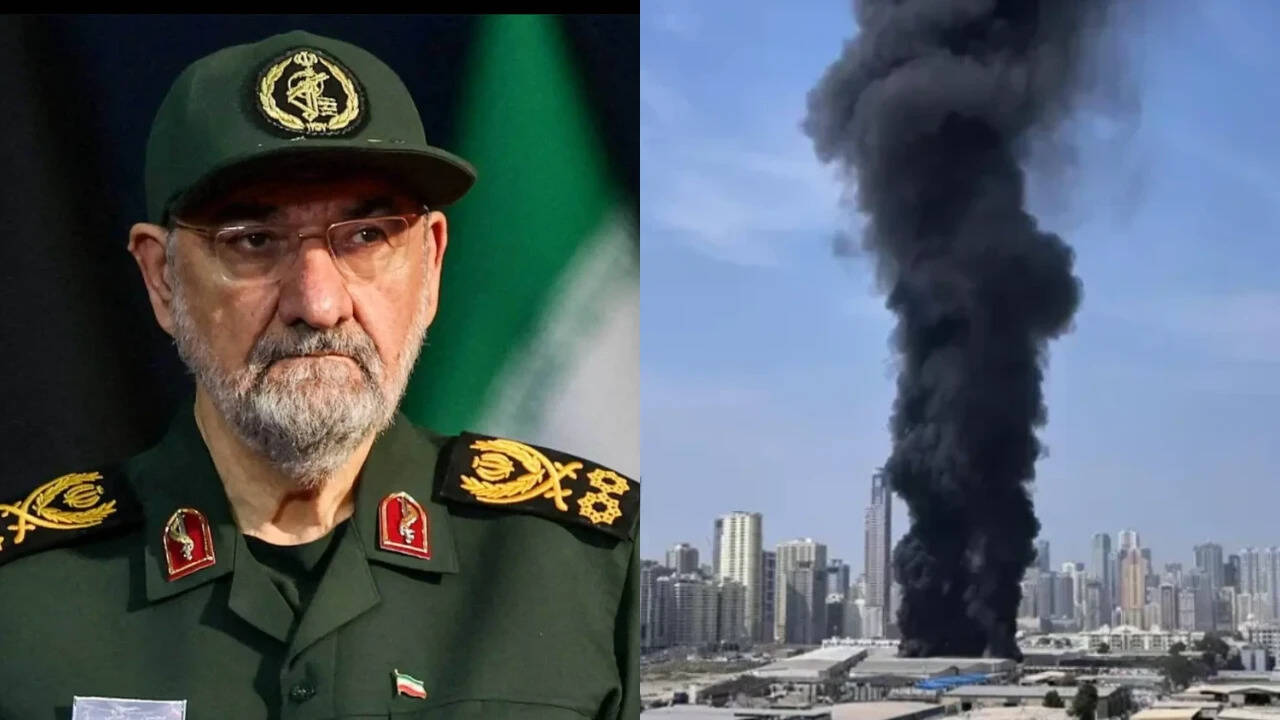
Iran conveyed three conditions to the US via Qatar for ending the conflict: an end to the war on all fronts, release of frozen funds, and an end to the naval blockade. [1] Iran's security chief Mohsen Rezaei laid out the conditions that Iran sent to the US. [1] Iran has formally conveyed their conditions to Washington for ending the war, while warning that it is also prepared for a “decisive war”. [1] Iran’s supreme national security council secretary Mohsen Rezaei told Al Jazeera in an exclusive interview that Qatar had passed Tehran’s conditions to Washington and that Iran was awaiting US President Donald Trump’s response. [1] “Our conditions are an end to the war on all fronts, the release of our frozen funds and an end to the naval blockade,” Rezaei said. [1] “It is in Washington’s interest to accept these conditions. Trump’s threats will not achieve any results. We are prepared for a decisive war,” he added. [1] Rezaei said Iran was also preparing for the possibility of another US strike, describing it as “very much on the cards”. [1] He said Tehran had changed its military planning and was now focused on US naval assets across the Gulf, the Gulf of Oman and the Arabian Sea. [1] He claimed Iran had recently test-fired a multi-warhead anti-ship missile near a US vessel or aircraft carrier and warned that any future Iranian response would include US bases and American commercial interests in the region. [1] At the same time, Rezaei said Tehran was pursuing diplomacy to bring the conflict to an end “as soon as possible”. [1]
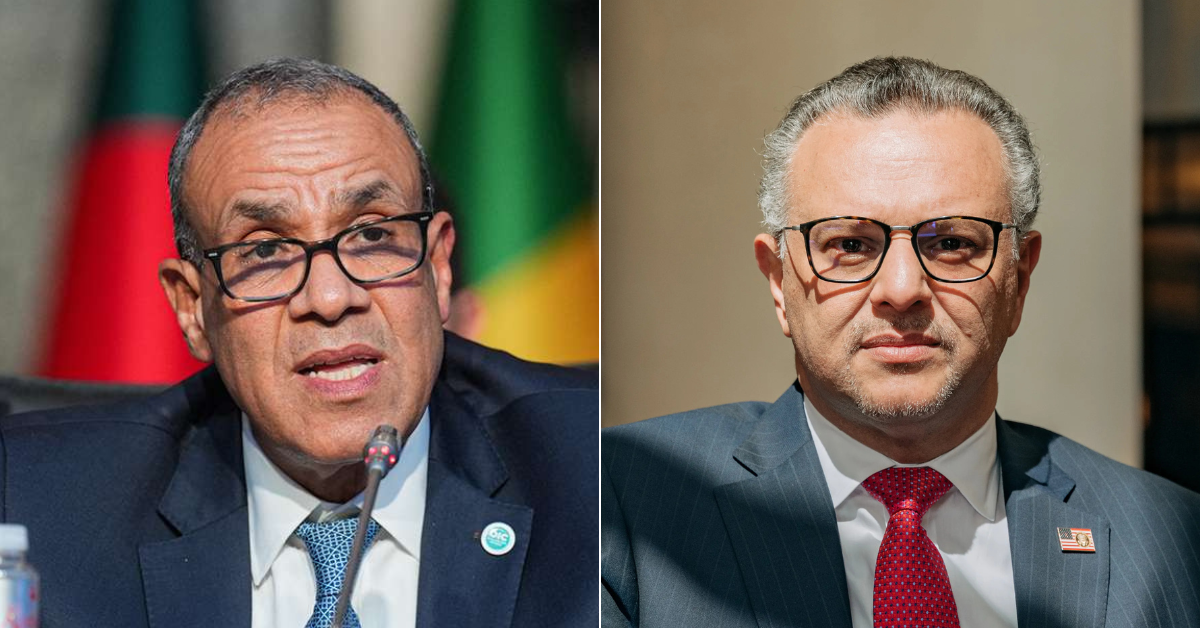
US and Egyptian officials discuss Iran crisis and freedom of navigation in the Strait of Hormuz. — Source: dailynewsegypt
Egyptian-US Diplomatic Consultations on Navigation Freedom
Egypt and the US discussed the Iran crisis by phone, stressing the need to safeguard freedom of navigation through the Strait of Hormuz in accordance with international law. [2] Egyptian Foreign Minister Badr Abdelatty and US presidential senior adviser for Arab and African affairs Massad Boulos discussed the crisis involving Iran and stressed the need to safeguard freedom of navigation through the Strait of Hormuz in accordance with international law. [2] The two officials spoke by phone on Friday, as Cairo and Washington continued consultations over regional developments, Egypt’s Foreign Ministry said. [2] Abdelatty and Boulos reviewed the latest developments related to Iran and emphasised the importance of ensuring freedom of maritime navigation through the Strait of Hormuz and respecting international law. [2] The ministry did not announce any new measures or agreements resulting from the discussion. [2] Egypt has stepped up diplomatic contacts with the United States and regional governments in recent months in an effort to contain escalation involving Iran and promote diplomatic solutions. [2] In previous contacts with US officials, Cairo has warned that a widening conflict could disrupt international shipping and supply chains and affect energy and food prices. [2] The call also covered efforts to halt escalation in Sudan, where Abdelatty called for building on current initiatives to end the conflict and create conditions for political solutions based on dialogue and negotiations. [2]
South Korea's Position on Cooperation Without War Intervention
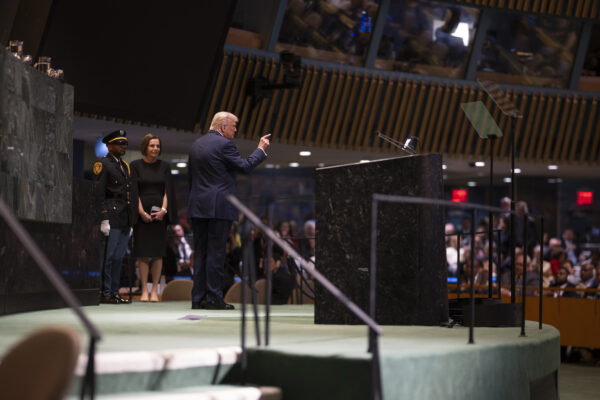
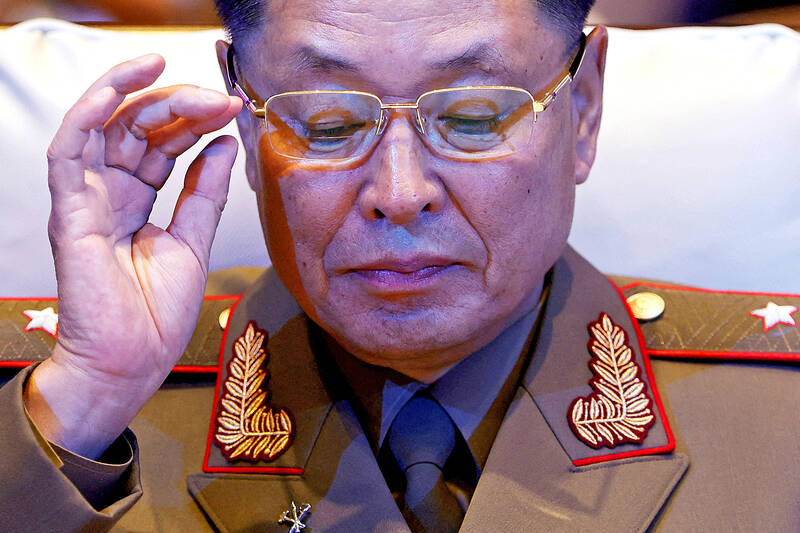
South Korea's president clarified that remarks ruling out troop dispatches involving the country in war do not constitute a rejection of a US request for cooperation on the Strait of Hormuz. [4] Cheong Wa Dae said Saturday that President Lee Jae Myung's remarks ruling out troop dispatches that could involve the country in a war were not a refusal of US President Donald Trump's request for Seoul to send forces to the strategic Strait of Hormuz. [4] The presidential office clarified the position after the New York Times reported that Lee's comments at a press conference Friday amounted to a rejection of Trump's appeal for Seoul's military cooperation in the Middle East. [4] "Lee did not turn down Trump's request for South Korea's cooperation on Middle East-related issues during yesterday's press conference," a presidential official told reporters on condition of anonymity. [4] "The government has been reviewing practical ways to contribute in close communication with the international community, including the United States, in order to protect our citizens and safeguard national interests." [4] Seoul will continue to examine concrete options under its stated principle of not intervening in a war or combat, the official added. [4] On Friday, Lee said during the nationally televised press conference that "there will be no dispatch of troops that engages or intervenes in a war," while noting that the Cheonghae Unit has already been deployed to the region to counter piracy and other threats to the safety of the Korean people, and that Seoul is reviewing ways to strengthen that role. [4] S. Korean FM reaffirms to Rubio Seoul's will to contribute substantively to restoring free passage through Hormuz Strait. [5]
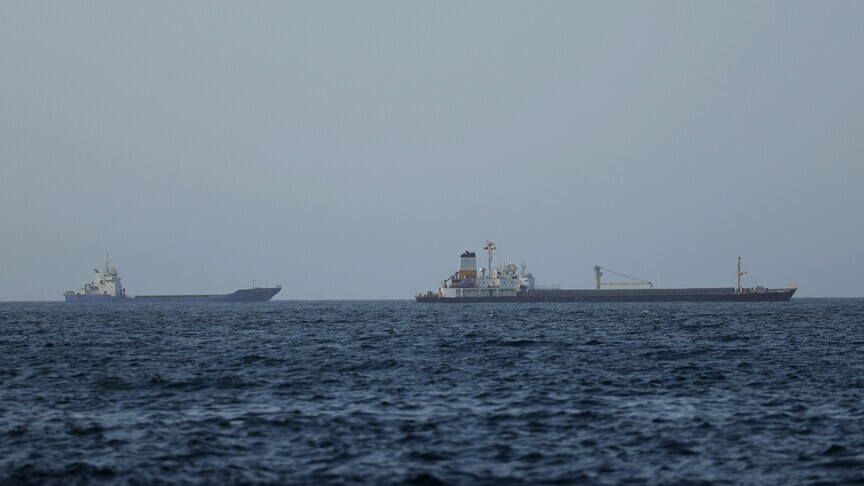
US military reports over 1 billion barrels of oil shipped through Strait of Hormuz under blockade. — Source: anadolu
Diplomatic Openings and Iran's Nuclear Stance
Iran remains open to an agreement with Oman over the Strait of Hormuz, having come close to a deal previously, and has not decided to withdraw from the Nuclear Non-Proliferation Treaty though further sanctions could change that. [1] Rezaei said Tehran remained open to an agreement with Oman over the Strait of Hormuz, saying the two sides had come within “a short step” of reaching a deal before it was shelved. [1] Qatar and Pakistan have been involved in efforts to restart negotiations between Washington and Tehran after their earlier memorandum of understanding expired. [1] On the nuclear issue, Rezaei said Iran had not decided to withdraw from the Nuclear Non-Proliferation Treaty, although he warned that further sanctions or a referral of its nuclear file to the UN Security Council “may push Tehran into withdrawing”. [1] The comments come as Washington weighs its next move in the conflict. [1] Trump told Axios this week that he was facing a “big decision” over whether to resume major military action against Iran. [1] “Do I want to go in and annihilate them [the Iranian regime] or do I not?” Trump said, adding: “Anything could happen with me.” [1]
Regional Implications and Ongoing Consultations in Safest Countries in the World
The combined diplomatic and military efforts by multiple nations aim to maintain stability and free navigation. [1] [2] [4] Iran conveyed conditions through Qatar while pursuing diplomacy with Oman and involvement from Pakistan. [1] Egypt and the US reviewed developments and stressed freedom of navigation under international law while warning of risks to shipping and prices. [2] South Korea clarified its position on cooperation without war intervention and reaffirmed intent to contribute to free passage. [4] [5] These consultations reflect ongoing regional diplomacy amid the blockade and tensions described across the sources.
What to watch next: The US president faces a decision on whether to resume major military action against Iran while weighing diplomatic efforts involving Qatar and Pakistan. [1]