
Trump Weighs Iran Deal or Military Action as Doomsday Clock Ticks in Middle East
US President Donald Trump stated he is weighing a new deal with Iran or further military action, as Iranian officials warn against US naval approaches and declare that renewed war would not alter Tehran's positions, amid heightened regional tensions involving Israel, the Strait of Hormuz, and proxy conflicts. Iranian media have described the current situation as approaching a decisive moment for another round of large-scale conflict.
Trump Considers Deal or Military Action Against Iran
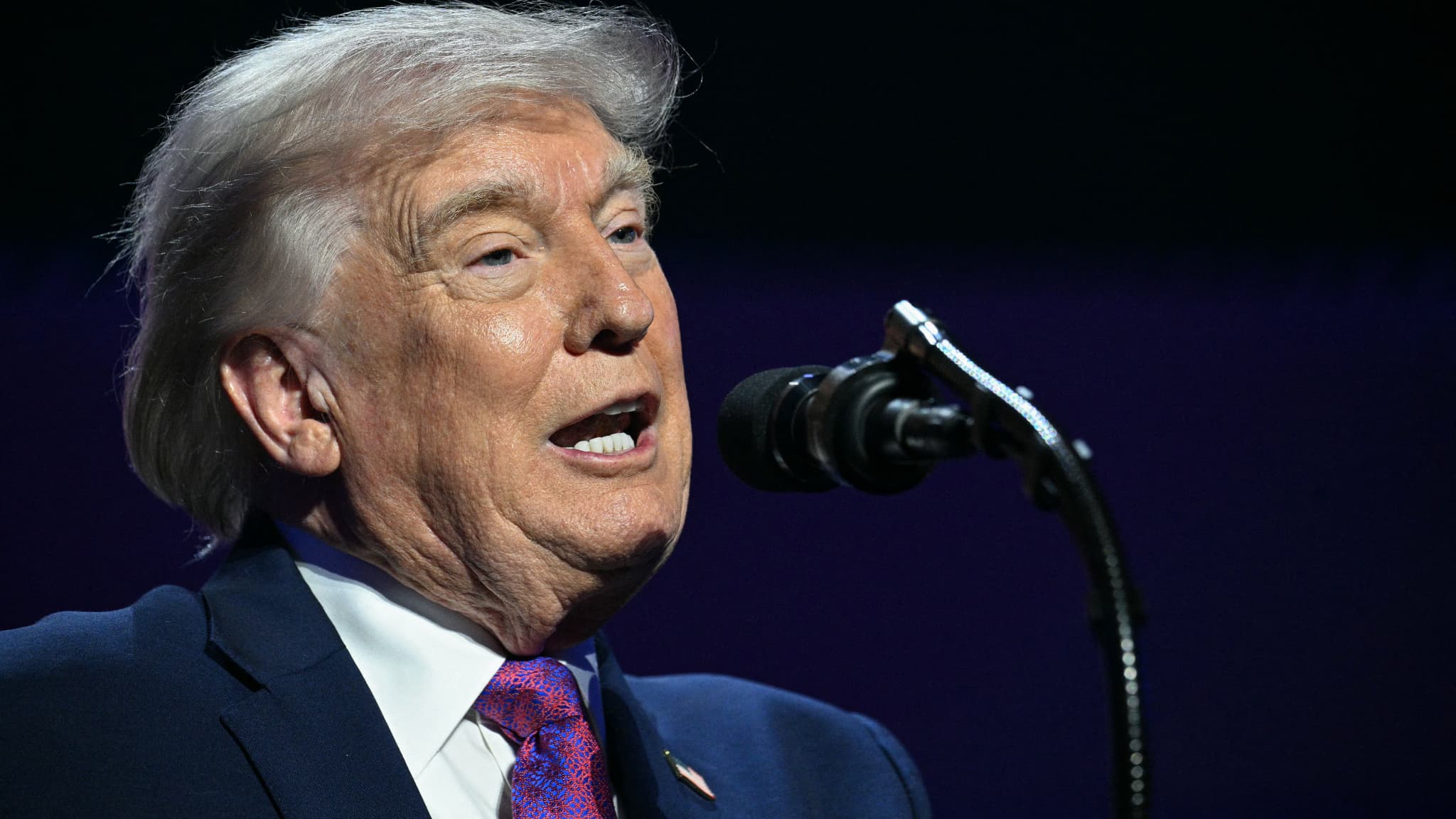
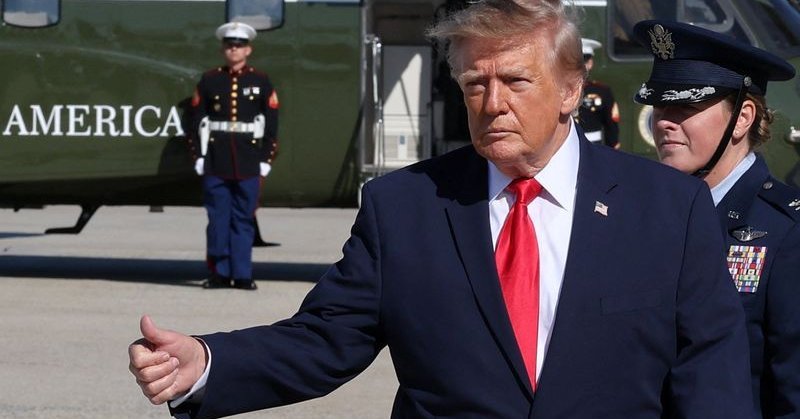
US President Donald Trump said he was weighing whether to reach a deal with Iran or take further military action while Israeli Prime Minister Benjamin Netanyahu warned Tehran against launching attacks to disrupt Israel's upcoming parliamentary elections. [1] Trump remarked that the killing of senior Iranian leaders has made it difficult to identify US negotiating partners, while reiterating that Iran must never develop nuclear weapons. [5] Netanyahu has directed tightened security measures in the occupied West Bank after two Israeli soldiers were killed in an attack in Hebron. [3]
Iran Warns US Warships Away From Its Waters
Iran's military chief warned that US warships can no longer operate near Iranian waters, stating that Washington cannot regain control of the Persian Gulf and questioning US claims that Iran's military capabilities have been largely destroyed. [3] Iran's armed forces chief of staff Ali Abdollahi said the US Navy is no longer able to operate near Iranian waters because Iran has the capability to target any vessel in the region. [3] He added that Washington's dream of regaining control of the Persian Gulf will remain unfulfilled. [3]
Araghchi Says Renewed War Will Not Change Iran's Stance
Iran's Foreign Minister Abbas Araghchi said a potential resumption of war with Israel and the United States would not change Iran's positions, adding that Tehran is already thinking about the post-war period and that new realities must be accepted including altered management of the Strait of Hormuz. [4] Araghchi stated during a televised event in Tehran that recent talk of a new war would yield no different outcome from past attempts. [4] He emphasized that the current war has changed everything and that the region must move toward the complete absence of foreign forces to achieve peace and stability. [4]
Strait of Hormuz Attacks Drive Oil Prices Higher
Tensions in the Strait of Hormuz have escalated with reports of attacks on commercial tankers, causing Brent crude oil prices to surge to around $117 per barrel, the highest since April. [3] The Islamic Revolutionary Guard Corps claimed seven oil tankers were attacked or struck by mines in recent days and that two giant tankers were also hit by mine explosions. [3] The IRGC stated that Iran's military doctrine is now more aggressive than before. [3] Araghchi noted that shipping routes through the Strait of Hormuz will no longer be the same and management of the strait will no longer be the same. [4]
Regional Conflicts Escalate With Houthi Attacks on Saudi Arabia
Iran-backed Houthis continued attacks on Saudi Arabia, prompting Saudi airstrikes and interception of missiles and drones over Riyadh and other areas, while the 2027 Dakar Rally was relocated from Saudi Arabia due to security concerns. [3] [4] Saudi authorities intercepted two drones and a ballistic missile launched toward Riyadh as well as a cruise missile toward Khamis Mushait. [4] The Saudi-led coalition said it later intercepted 10 ballistic missiles fired toward southern Saudi Arabia. [4] Organizers announced that the 2027 Dakar Rally, scheduled from 1 to 15 January 2027, will not be held in Saudi Arabia following recent regional developments. [4]
Diplomatic Efforts and Iranian Domestic Developments as Doomsday Clock Nears Critical Point
Several regional and European powers held a coordination meeting in Istanbul on Friday that included Turkiye, Saudi Arabia, Pakistan, and Egypt along with the United Kingdom, France, Germany, and Italy, though neither the US nor Iran participated. [3] Turkish Foreign Minister Hakan Fidan said any new attack on Iran would only widen the war and worsen regional instability. [3] Four regional countries issued a joint statement asserting that Israeli occupation is the main source of instability in the Middle East and calling for a negotiated solution while demanding freedom of navigation in the Strait of Hormuz. [3] Iran's judiciary has indicted comedian Saeed Shakiba on charges including supporting Israel and the Pahlavi dynasty. [2] Iranian media have focused on signs that the region is approaching another phase of war, with the reformist newspaper Etemad reporting that a decisive moment for another round of large-scale conflict may be nearing. [3]
What to watch next: Iranian officials have indicated they will continue pressure on the US and Israel in response to the February 28 attacks that triggered prolonged conflict, while regional powers have urged an end to attacks on civilians and commercial vessels.