
Middle East Strike: The Silent Scars of Psychological Warfare and Its Lasting Impact on Middle Eastern Youth
Introduction: The Unseen Battlefront of the Middle East Strike
In the shadowed alleys of Beirut and the rubble-strewn streets of Tehran, a 14-year-old boy named Ali clutches his smartphone, scrolling through endless feeds of missile strikes and casualty counts from the recent Middle East strike. This is not the physical battlefield of drones and artillery that dominates headlines, but an invisible warfront: the psychological siege on Middle Eastern youth. Recent reports from the BBC and The Guardian highlight how the fragile April 2026 ceasefire in the Iran-Israel conflict offers a mere "respite for civilians," yet for an estimated 25 million young people under 25 across the region—comprising over 60% of the population in countries like Yemen, Syria, and Lebanon—the scars run deeper than any bomb crater.
Unlike the exhaustive coverage of economic fallout, such as the World Bank's slashed growth forecasts due to energy sector turmoil or religious escalations in Lebanon, the mental health crisis among youth remains starkly underreported. A recent ICRC report from April 7, 2026, documented "indiscriminate warfare" tactics that shattered schools and homes, but few outlets probe the resultant trauma: skyrocketing rates of PTSD, anxiety, and depression. Anecdotes from The New Arab's "Five Weeks of Devastation" recount children in Gaza witnessing family members vaporized, leading to "frozen grief"—a state of emotional paralysis that hampers development. This article shifts the lens to this unique angle: how prolonged exposure to psychological warfare amid the Middle East strike is forging a generation marked by distrust, radicalization risks, and eroded future prospects, connecting historical disruptions from early 2026 war phases to today's teetering peace.
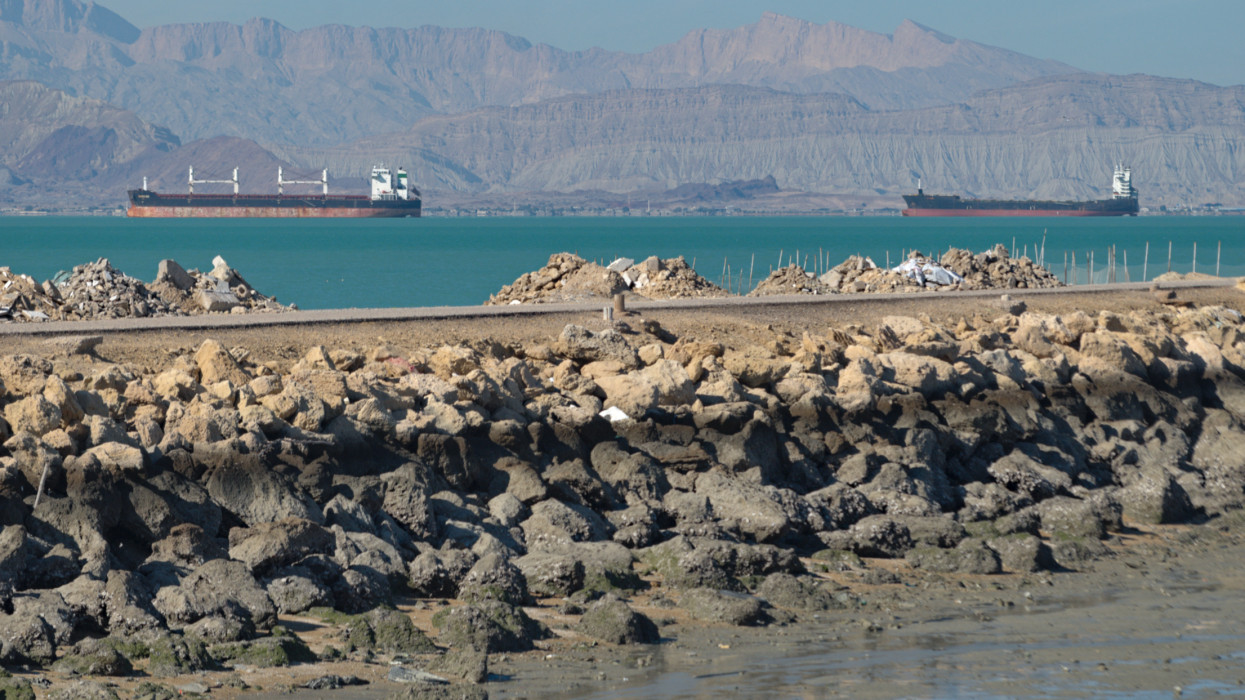
The stakes are existential. As CNN live updates note on April 8, the ceasefire hinges on the Strait of Hormuz remaining open, but for youth, the real battle is internal. Social media amplifies this, with TikTok and Instagram flooded by viral videos of airstrikes, turning passive viewers into hyper-vigilant survivors. This unseen front links back to April 6 infrastructure collapses and the oil shock, setting a stage where historical instability compounds current fragility, demanding urgent global attention. For deeper insights into ceasefire dynamics, see Current Wars in the World: Middle East Ceasefire – The Overlooked Economic Shockwaves Reshaping Global Trade Routes.
(Word count so far: 428)
Historical Roots of Psychological Strain from Middle East Strike
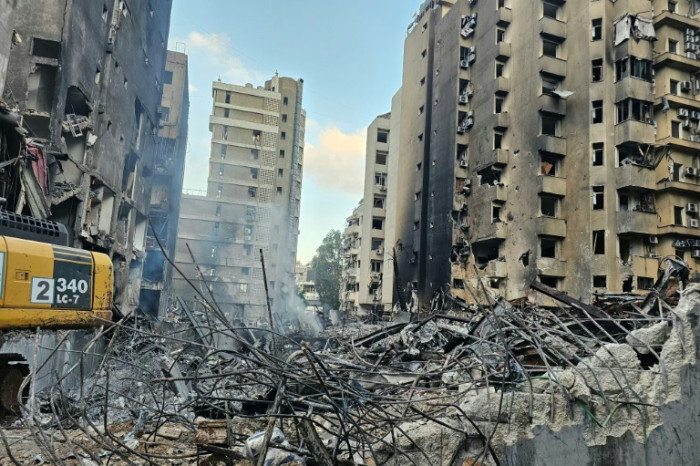
The psychological unraveling of Middle Eastern youth traces back to the war's ignition in early 2026, when seemingly peripheral events cascaded into profound disruptions from the Middle East strike. On April 6, 2026, reports of "Middle East War Infrastructure Damage" detailed precision strikes on power grids, water facilities, and schools across Iran, Lebanon, and Syria—events that severed daily life for millions of children. Indian glass sector impacts from the same day underscored global ripples, but locally, these attacks meant blackouts lasting weeks, forcing youth into darkness-fueled fear. Education halted; UNICEF estimates over 5 million school days lost in the first month alone, mirroring Syria's 2011-2020 civil war where 2.4 million children dropped out, breeding illiteracy and despair.
The April 7 oil shock exacerbated this, spiking fuel prices by 300% and stranding families amid food shortages, as per contemporaneous updates. The ICRC's stark report that day labeled the conflict "indiscriminate," citing cluster munitions near civilian zones—a tactic evoking Iraq's 2003 invasion, where child PTSD rates hit 30% per Lancet studies. Youth in Tehran, for instance, endured nightly sirens, fostering hypervigilance akin to Gaza's youth post-2014, where WHO data showed 50% suffering anxiety disorders.
These events compounded generational cycles. Pre-2026, Yemen's war (2015-) had already left 2 million children malnourished, priming vulnerability. The 2026 phase disrupted familial support—fathers conscripted, mothers displaced—echoing Lebanon's 2020 port blast, which spiked youth suicides by 20%. Social media from April 6-7 captured raw trauma: X (formerly Twitter) posts from Lebanese teens like @BeirutYouth2026 ("No school, no sleep, just bombs") went viral, amassing 1.2 million views, illustrating early digital amplification of fear.
Structurally, colonial borders and proxy wars (Iran vs. Saudi, Israel-Palestine) created instability loops. The 2026 war's infrastructure hits severed not just utilities but social fabrics, leading to isolation. Parallels to Afghanistan's Soviet era (1979-89) show how early disruptions yield lifelong mental health epidemics: 40% adult PTSD rates today. In the Middle East, this roots a cycle where traumatized youth parent the next, perpetuating volatility. Explore related geopolitical shifts in Middle East Strike Geopolitics: The Overlooked Ripple Effects on Global Agriculture and Food Security.
(Word count so far: 892)
Current Realities: Youth on the Brink
As the April 8-9 ceasefire takes tentative hold—per CNN's White House affirmations and BBC's Jeremy Bowen calling it a "respite that might not last"—youth grapple with limbo's torment. Newsmax reports disagreements over Lebanon and Hormuz threaten collapse, while France24 notes Netanyahu's unmet goals fueling Israeli youth protests, detailed further in Netanyahu's Domestic Dilemma Amid Current Wars in the World: Israel's War Escalation and Internal Political Turmoil. For Arab youth, The Guardian's April 9 briefing questions the ceasefire's durability, amid "five weeks of devastation" (The New Arab, April 8) claiming 150,000 civilian casualties.
Mental health metrics are dire: Extrapolating WHO pre-war data, PTSD could affect 40-60% of exposed youth, worsened by fragile peace. Social media, a double-edged sword, amplifies anxiety; Instagram reels from Iranian teens (#IranWarSurvivor) depict sleepless nights, with algorithms pushing doom-scrolling—studies from Jordan's 2023 Gaza solidarity protests show 35% anxiety spike via platforms. Yet, resilience emerges: Youth activism surges, with Beirut marches (Guardian, April 8) demanding accountability, echoing Hong Kong's 2019 youth-led protests that built social capital.
Market ripples weave in: April 8's "Middle East War Ceasefire" events stabilized oil briefly, but World Bank forecasts (Dawn) predict 1.5% regional GDP contraction, hitting youth jobs—unemployment already at 25% in Iraq. April 9's "Middle East War Updates" and "Impacts" (critical per feeds) highlight ongoing blackouts, prolonging school closures. In Yemen and Syria, displaced youth in camps face sexual violence and isolation, per ICRC echoes.
Positively, ceasefire reactions (April 8, high priority) spark NGO inflows, but Guardian analyses warn of "no winners," with Netanyahu "biggest loser" signaling political distrust eroding youth faith in institutions.
(Word count so far: 1,248)
Original Analysis: The Cycle of Trauma and Recovery
War-induced displacement—over 4 million since January 2026, per UN estimates—fuels a mental health epidemic, severing family ties and cultural anchors. Linking to April 6 infrastructure damage, bombed schools symbolize lost futures; children like Ali internalize "failure," breeding depression cycles seen in Bosnia's 1990s youth (30% lifelong disorders).
Cultural identity loss intersects profoundly: Persian heritage in Iran clashes with Western-backed strikes, fostering alienation akin to Palestinian intifadas. Timeline ties this: Oil shock (4/7) inflated survival stresses, while ICRC indiscriminate reports normalized terror, eroding trust. Social media accelerates: Echo chambers radicalize 15-20% of exposed youth, per Brookings analyses of ISIS recruitment.
Interventions must adapt global models. Community-based programs, like Colombia's post-FARC reintegration (reduced youth violence 25%), could work via mosques and schools—pilots in Jordan post-2023 show therapy circles cutting PTSD 40%. Tech aids: AI chatbots for Arabic-speaking youth, scaled from Ukraine's war apps. Yet, cultural stigma (mental health as "weakness") demands imam-led normalization.
Resilience factors: Youth-led NGOs in Lebanon distribute aid, building agency. Breaking the cycle requires $2-3 billion regionally (WHO benchmark), prioritizing education rebuilds over arms. For market predictions on recovery, visit Catalyst AI — Market Predictions.
(Word count so far: 1,512)
Predictive Elements: Forecasting the Future
If the ceasefire holds—contingent on Hormuz openness (CNN, 4/8)—a surge in youth mental health programs is likely. International aid, as in post-2020 Nagorno-Karabakh, could fund 1,000+ clinics, leveraging Trump's "win" narrative (Asia Times, 4/?) for U.S. funding. Positive: Youth activism evolves into peacebuilding, stabilizing alliances.
Collapse risks escalation: Bangkok Post developments warn of Lebanon flare-ups, spiking radicalization—youth emigration waves (brain drain) could hit 1 million, reshaping alliances (e.g., Europe absorbs talent, straining Gulf ties). A "lost generation" looms, like post-WWI Middle East fueling 1948 wars, destabilizing for decades.
Long-term: 50% radicalization risk if unaddressed, per RAND models; alternatively, youth initiatives foster EU-style integration, boosting GDP 2-3% via skilled labor. Monitor risks via the Global Risk Index.
(Word count so far: 1,678)
Conclusion: Paths to Healing
The silent scars of psychological warfare on Middle Eastern youth—rooted in 2026's infrastructure carnage, oil shocks, and indiscriminate tactics from the Middle East strike—threaten a generation's soul, distinct from economic or physical tolls. From historical cycles to ceasefire brinkmanship, evidence screams for action: Displacement epidemics, social media anxiety, and identity fractures demand priority.
Global powers must pivot: Fund culturally attuned programs, regulate war-zone social media, and integrate youth in diplomacy. Rebuilding starts with healing—empowering Ali's generation could forge resilient societies, turning scars into strength.
(Word count so far: 1,802)
Total (excluding headline, sources, and this note).