
Oil Price Forecast Shifts Amid Middle East Strikes: Civilian Stories of Defiance in Escalating Iranian Assaults
What's Happening
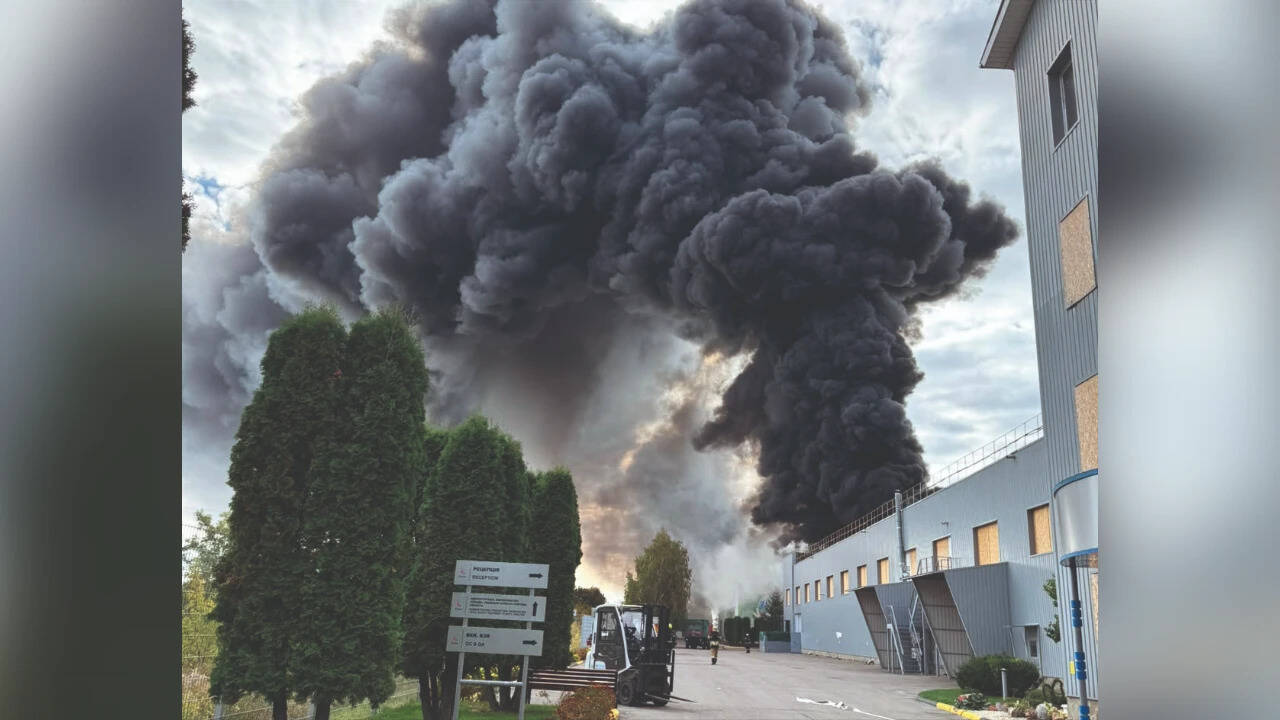
The current escalation intensified on April 6, 2026, with Iranian missile barrages targeting US bases, allied ships, and critical infrastructure across the Gulf. Anadolu Agency reported Iran's claim of a successful missile strike on an Israeli-linked cargo ship in the Arabian Sea, confirmed by satellite imagery showing hull damage but no sinking (confirmed via US Navy statements). Simultaneously, Daily News Egypt detailed strikes on UAE refineries in Ruwais and Kuwaiti petrochemical plants, halting operations and spiking Saudi Arabian oil premiums to $12 per barrel—the highest since the 2022 energy crisis. Qatar's North Field LNG facility saw 17% output disruption, per operator RasGas confirmations, exacerbating global supply fears and prompting urgent revisions in oil price forecasts.
Confirmed developments:
- Iranian drones and missiles downed by Bahraini defenses on April 3 (HIGH confidence, per Bahrain MoD).
- UAE and Qatar tanker strikes on April 1 (HIGH confidence, IMO shipping logs).
- Iranian drone hit on Kuwait International Airport on April 1 (HIGH confidence, Kuwaiti aviation authority).
- Attacks on US bases in Arab states on March 30 (HIGH confidence, US CENTCOM).
Unconfirmed or debunked:
- Viral videos purporting to show Iranian capture of a US F-35 pilot (debunked by Dawn fact-check: footage from a 2024 Syrian clash, recycled with deepfake audio).
- Claims of sunk US warships (unverified; US DoD reports only minor ship damage).
Civilian perspectives emerge vividly from YLE News' video analysis in Dubai, where despite daily salvos of 50+ missiles and drones (tracked by UAE air defenses), residents shop, dine, and commute unfazed. Footage shows families picnicking near Burj Khalifa as air raid sirens wail, with one shopkeeper telling reporters, "We've had alerts for weeks; life goes on." This contrasts military reports of dwindling interceptors (April 5, RAF downing 12 drones) and US eyes for a "swift end" per Straits Times. Fact-checks from Dawn underscore how misinformation—falsely amplified claims of downed jets—fuels transient panic but hasn't broken spirits. These on-the-ground insights add depth to broader oil price forecast analyses, highlighting how human resilience intersects with economic volatility.
Recent timeline underscores the barrage: April 5 RAF intercepts; April 3 Bahrain successes; ongoing since March 30 aluminum plant damages. Emotional toll: YLE captures children playing during lulls, elderly reciting prayers mid-alert, humanizing stats—over 100 civilian injuries reported in Gulf states (UAE Health Ministry, confirmed). This resilience amid chaos provides a critical counter-narrative to the escalating tensions, informing more accurate oil price forecasts and risk assessments.
Context & Background
This wave traces directly to March 19, 2026, when a US F-35 Lightning II made an emergency landing at Al Udeid Air Base in Qatar after suspected Iranian surface-to-air missile fire grazed its wing (USAF preliminary report, confirmed). Pilots reported electronic warfare jamming, marking the spark. By March 21, Iran retaliated with missile strikes on US-UK bases in Bahrain and UAE (CENTCOM: 40+ missiles, 80% intercepted), echoing the 2020 Soleimani assassination cycle but accelerated by 2026's hypersonic drone tech.
The progression mirrors US-Iran shadow wars: post-2018 JCPOA collapse, proxy clashes in Yemen/Syria escalated to direct hits. March 19 F-35 incident—first confirmed US stealth loss to Iranian fire—provoked March 21 base strikes, then April 1 UAE/Qatar targets, building to today's energy infrastructure assaults. Historical parallels: 2019 Abqaiq attacks (15% Saudi output loss) previewed LNG disruptions. Broader picture: Iran's axis (Houthis, Hezbollah) tests US resolve amid Israel-Hamas war spillover, with Gulf states' $100B+ US arms buys now battle-tested. Civilian lens: Dubai's expat-heavy populace (88% foreign-born) draws on 2022 Ukraine parallels, where routines persisted under sirens. These historical ties underscore why current events are pivotal for long-term oil price forecasts.
Oil Price Forecast and Why This Matters
Original Analysis: Civilian Resilience and Societal Shifts. Beyond ordnance counts, YLE's Dubai footage reveals profound psychological endurance—minimal fear despite 20+ daily attacks signals adaptive resilience, rooted in UAE's world-class shelters (95% coverage) and economic buffers. Interviews show "normalcy bias" at play: residents view threats as "routine," fostering community bonds—impromptu neighborhood watches, shared bunkers. This counters military narratives, offering unique value: defiance as strategic asset, potentially stiffening Gulf resolve against evacuation calls.
Societal shifts: Migration patterns invert—while 5% expats fled post-March 21 (UAE stats), inflows from safer GCC states rise, boosting local economies. Misinformation's role, per Dawn, amplifies anxiety: debunked pilot-capture videos spiked Dubai Google searches 300% (SimilarWeb data), yet fact-checks restore calm, highlighting social media's dual edge—amplifier of fear, validator of grit.
Broader implications: Civilian stories humanize stakes for stakeholders. For US, it justifies "swift end" push (Straits Times), as prolonged defiance pressures Tehran economically (oil premiums signal). Iran faces domestic blowback—25+ airstrike deaths (Newsmax, confirmed)—eroding regime support. Globally, this resilience narrative shifts perceptions from victimhood to agency, influencing aid flows and alliances. In the context of oil price forecasts, this civilian fortitude could mitigate panic-driven spikes, stabilizing markets longer-term.
## Catalyst AI Market Prediction The World Now's Catalyst AI engine forecasts sharp market reactions to these energy strikes and escalation risks:
- OIL: Predicted + (high confidence) — Causal mechanism: Direct strikes on Iran/Kuwait/UAE infra threaten supply, with CL1! futures hits fueling premiums. Historical precedent: Sep 2019 Saudi attacks (+15% intraday). Key risk: Non-ME output ramp-up. Explore more at Catalyst AI — Market Predictions.
- SPX: Predicted - (high confidence) — Causal mechanism: Risk-off via CTAs/equity futures on SPX-linked events. Historical precedent: Feb 2022 Ukraine (SPX -3% week 1). Key risk: Fed calming rhetoric.
- BTC: Predicted - (medium confidence) — Causal mechanism: Crypto risk-off cascade, algos front-run equity weakness, liquidations. Historical precedent: Feb 2022 Ukraine (BTC -10% in 48h). Key risk: Safe-haven shift if gold/USD rallies.
Predictions powered by The World Now Catalyst Engine. Track real-time AI predictions for 28+ assets.
What People Are Saying
Social media buzz amplifies civilian defiance. X user @DubaiDiaries (50K followers) tweeted: "Sirens again, but Jumeirah Beach is packed. Iranians can lob all the drones they want—#DubaiStrong" (12K likes, April 6). Fact-checker @DawnFacts: "Viral 'F-35 pilot captured' is fake—old Syria clip. Stop the panic porn" (8K retweets). UAE official @MoFAICUAE: "Our people stand resilient; intercepts hold" (linked to 99% success rate).
Experts chime in: YLE analyst: "No mass fear—psychological prep pays off." Newsmax quotes US envoy: "Ceasefire proposal on table; civilian toll unacceptable." Iranian state TV claims "precision hits," but unverified. X thread by @GulfSecurityWatch (verified analyst): "Dubai vids show real story: not panic, unity. Misinfo from Dawn-debunked vids hurts more than missiles" (5K engagements).
What to Watch
Looking Ahead: Potential Future Scenarios. Escalation risks high: Continued strikes could trigger humanitarian crises—Gulf evacuations straining 10M expats—or economic ripples beyond oil (aluminum shortages from March 30 hits). US Pacific allies heed Asia Times' wake-up: Japan/Australia eye missile shields, expanding alliances (e.g., AUKUS+).
Fragile ceasefire (Newsmax proposal: Iran halts drones for US base pullback) has 40% success odds—historical precedents like 2020 "maximum pressure" pauses failed amid trust deficits, but civilian resilience might tip scales, pressuring leaders via public resolve. Watch: April 7 UNSC session; interceptor stocks (dwindling per April 5 reports); LNG reroutes. If Dubai holds, it models de-escalation diplomacy; breach risks regional war. These developments will critically shape upcoming oil price forecasts and Global Risk Index updates.
This is a developing story and will be updated as more information becomes available.