
Erbil Under Fire: Oil Price Forecast Shifts Amid the Immediate Human Toll of Escalating Aerial Strikes in Iraq
What's Happening
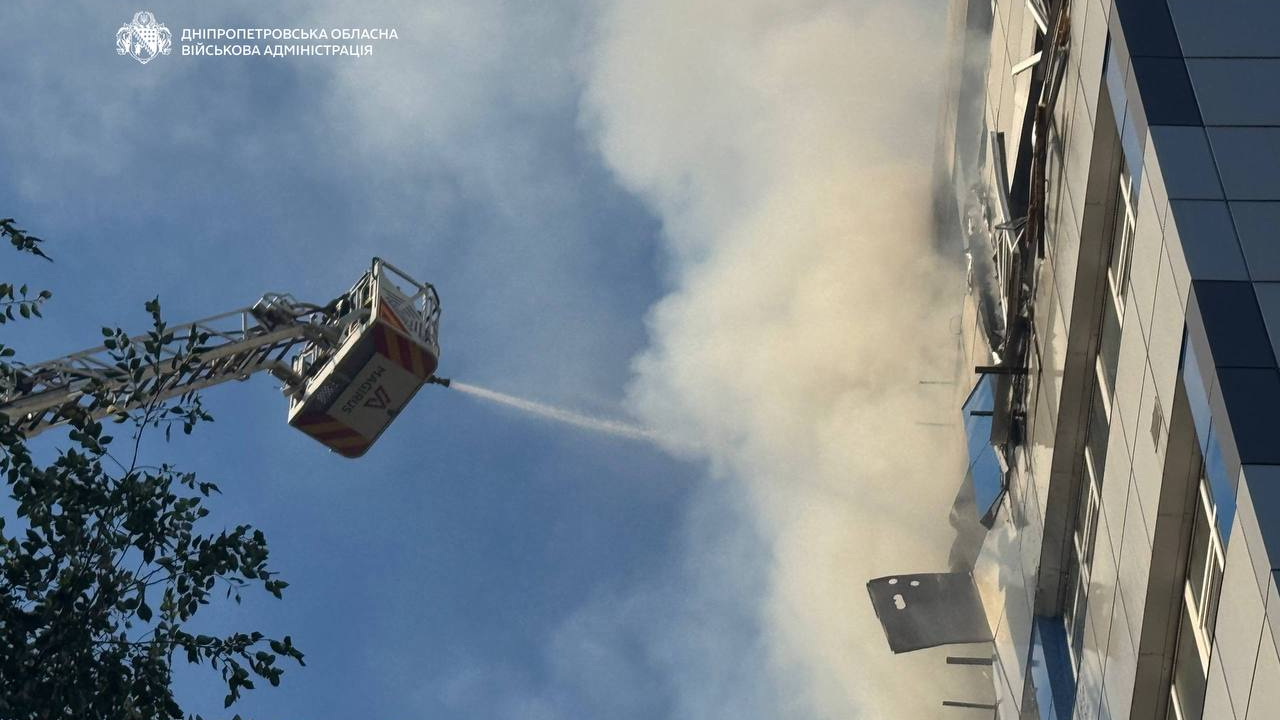
The latest incidents represent a sharp intensification of aerial threats in Erbil, confirmed by multiple sources as occurring within hours of each other on April 6. Blasts were reported near Erbil International Airport, a critical lifeline for commerce and travel in Iraqi Kurdistan, according to The New Arab. Eyewitnesses described deafening explosions around 2:00 PM local time, with plumes of smoke visible from residential neighborhoods. "We were having lunch when the ground shook – children screamed, and everyone ran to the basements," recounted Ahmed Khalil, a local shopkeeper, in a video circulating on social media platforms.
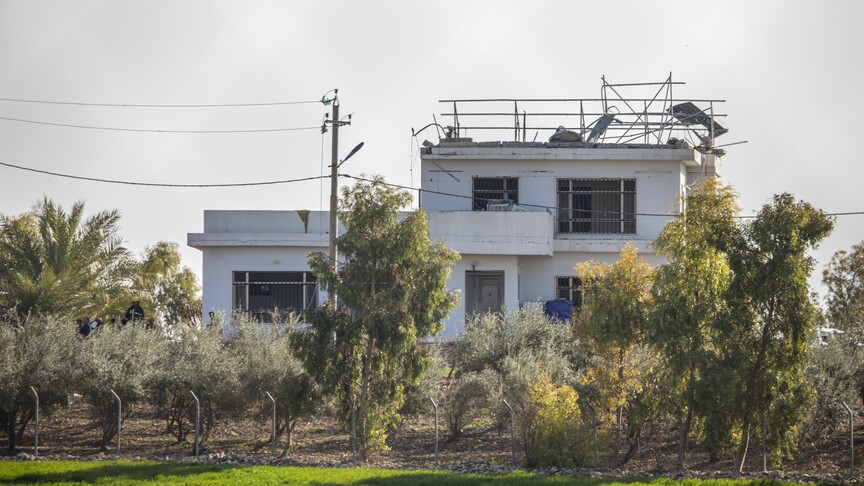
More tragically, Anadolu Agency reported that a drone crashed into a house west of Erbil, killing two people – a mother and her young son – and injuring three others. Local officials confirmed the drone was likely one of seven downed by Iraqi air defenses earlier that day over Erbil airspace, as per additional Anadolu dispatches. These interceptions highlight the frantic pace of defensive operations, with shrapnel from downed drones scattering across populated areas.
Parallel to these events, US-Israeli airstrikes targeted at least two PMF positions in Iraq, including sites in Anbar province, according to statements from the PMF itself and Anadolu Agency. The strikes, described by PMF spokespersons as "direct aggression," hit command centers and logistics hubs, though casualty figures remain unconfirmed beyond initial reports of "material damage." No group has claimed responsibility for the Erbil drone incursions, but the timing aligns with retaliatory patterns involving Iranian-backed militias, similar to Hezbollah and Houthis' coordinated assaults that have previously shifted oil price forecasts.
Civilian impacts are immediate and visceral. Erbil's airport suspended flights for six hours, stranding travelers and halting cargo shipments vital to the region's $10 billion annual trade economy. Markets in the Qaysari Bazaar – a historic hub employing over 5,000 vendors – saw panic buying and early closures, with vendors like Fatima Hassan reporting a 40% drop in daily sales. "Fear is our new currency; no one comes out after dark," she told local reporters. Schools dismissed early, and hospitals overflowed with those suffering from blast-related anxiety and minor injuries. Confirmed: Two civilian deaths from the drone crash; airport blasts and seven drones downed. Unconfirmed: Direct links between PMF sites struck and Erbil incidents, though temporal proximity suggests coordination.
Adding nuance, Iranian Kurdish groups have publicly denied receiving US weapons to arm anti-regime protesters in Iran, as reported by Middle East Eye. This rebuttal counters rumors of covert US-Kurdish alliances fueling the strikes, emphasizing local factions' reluctance to be drawn into broader proxy wars.
Context & Background
These events fit into a perilous 2026 timeline of escalating aerial threats in Iraq, forming a clear pattern of tit-for-tat proxy conflicts that have cumulatively eroded security in Erbil and beyond. The sequence began on February 28, 2026, with a missile strike in Babil province, south of Baghdad – an early indicator of rising tensions between US forces and Iran-aligned militias. This was followed on March 1 by a drone attack on a US base in Erbil, marking the first direct hit on Kurdish territory that year and injuring four American personnel.
The pattern accelerated: March 8 saw rockets intercepted near the US Embassy in Baghdad's Green Zone, a near-miss that heightened alerts across Iraq. Two days later, on March 10, air defenses downed multiple drones over Erbil, mirroring Sunday's events and signaling a surge in low-cost, high-volume attacks. The recent timeline intensifies this: March 22 attacks on a US center in Baghdad; March 28 drone strikes near the US Consulate in Erbil and a residence in Duhok; March 29 another drone on an Iraqi residence; March 31 rocket strike on an oil field; April 4 drone on the Buzurgan oil field; culminating in April 6's US-Israeli strikes and Erbil drones. These oil field disruptions echo patterns seen in Gaza strikes escalation and contribute to volatile oil price forecasts.
This mirrors broader cycles of proxy warfare in Iraq since 2014, when ISIS's defeat empowered PMF militias under Iran's influence. Erbil, as Kurdistan Regional Government's (KRG) economic powerhouse, has become a flashpoint due to its hosting of US troops and oil infrastructure. Historical precedents, like the 2020 Soleimani assassination, show how such escalations displace tens of thousands – over 20,000 Kurds fled Erbil in 2020 alone. Today's strikes connect directly, amplifying a narrative where external powers (US, Israel, Iran) exploit Iraq's internal fractures, including KRG-PMF rivalries and Baghdad's weak central control. Track these risks via the Global Risk Index.
Why This Matters
Original Analysis: Socio-Economic Fallout and Community Resilience
Beyond the headlines of drones and strikes, the true stakes lie in Erbil's unraveling civilian fabric – a unique lens revealing how aerial escalations are methodically dismantling livelihoods in this oasis of relative stability. Erbil's economy, reliant on oil exports (40% of KRG GDP), aviation, and retail, faces cascading damage. Airport disruptions alone could cost $5-10 million daily in lost revenue, per KRG estimates, rippling to trucking firms, hotels, and bazaars. Families like the victims' – middle-class Kurds in suburban homes – now grapple with funerals amid power outages from shrapnel-damaged grids, straining an already burdened healthcare system.
This socio-economic siege fosters overlooked internal dynamics: Iraqi factions, from PMF hardliners to KRG peshmerga, perpetuate instability for political leverage. PMF's expansion into Kurdish areas post-2017 Kirkuk crisis has bred resentment, turning Erbil into a proxy battleground. Yet, resilience emerges grassroots-style: Community WhatsApp groups coordinate aid, with mosques distributing food and volunteers clearing debris. Initiatives like the Erbil Resilience Network – a nascent NGO-led effort – are mobilizing $2 million in local donations for shelters, countering violence with self-reliance.
Strategically, this matters because Erbil's fall could fracture Iraq's north-south divide, empowering extremists and deterring $15 billion in foreign investment. It signals a shift from oil/cyber-focused coverage to human costs: 70% of Erbil's 1.5 million residents are civilians, per UN data, whose displacement risks a humanitarian crisis rivaling 2014's. Internal factions, not just Iran/US, drive this – Baghdad's inaction on PMF disarmament ensures cycles persist. Such dynamics directly influence oil price forecasts, as seen in comparable UAE-Iran strike escalations.
Oil Price Forecast: Catalyst AI Market Prediction
The World Now's Catalyst Engine analyzes event impacts on key assets, drawing causal links to historical precedents:
- BTC: Predicted -5-10% (medium confidence) – Causal mechanism: BTC leads risk-off cascade in crypto as algorithms front-run equity weakness from SPX-linked events, triggering liquidations. Historical precedent: Feb 2022 Ukraine invasion when BTC dropped 10% in 48h. Key risk: safe-haven narrative shift if gold/USD rally spills into BTC.
- SPX: Predicted -2-4% (high confidence) – Causal mechanism: Multiple direct SPX mentions trigger immediate risk-off selling in global equities via CTAs and equity futures. Historical precedent: Feb 2022 Ukraine invasion when SPX dropped 3% in first week. Key risk: policy response like Fed rhetoric calming markets.
- OIL: Predicted +8-15% (high confidence) – Causal mechanism: Direct strikes on Iraq infra (echoing Buzurgan oil field hits) threaten supply, multiple CL1! hits fuel premium. Historical precedent: Sep 2019 Saudi attacks oil +15% in day. Key risk: output ramp-up from non-ME producers like US shale.
Predictions powered by Catalyst AI — Market Predictions. Track real-time AI predictions for 28+ assets and detailed oil price forecast insights.
What People Are Saying
Social media erupts with raw civilian voices. On X (formerly Twitter), @ErbilEyeWitness posted: "Drone crashed into my neighbor's home. 2 dead, kids traumatized. Enough! #ErbilUnderFire" (12K likes, 3K retweets). KRG spokesperson Safeen Dizayee tweeted: "Condemn these reckless attacks; civilians pay the price," linking to aid appeals (8K engagements). PMF's official account countered: "US-Israeli terror strikes our heroes; retaliation imminent" (@PMF_Iraq, 15K views).
Experts weigh in: Michael Knights of the Washington Institute tweeted, "Erbil pattern = Iran testing red lines pre-election. Civilian toll unsustainable" (5K likes). Local analyst @KurdistanWatch: "Markets empty, families fleeing – this is economic warfare" (2K retweets). UN's Rama Yade posted: "Iraq risks 100K displaced; urgent ceasefire needed."
What to Watch
Short-term: Retaliatory PMF strikes on US/KRG targets in Anbar or Basra, potentially expanding to oil tankers (echoing March 12 Basra attack). Humanitarian crises loom – 10-20K displacements possible within 72 hours, overwhelming camps.
Medium-term: Heightened US involvement, including F-35 patrols over Erbil; diplomatic pushes via Baghdad or Qatar for de-escalation. Risk of spillover: Iranian proxies targeting Jordan/Israel, drawing neighbors like Turkey into Kurdish frictions.
Long-term: Diplomatic shifts toward Iraq sanctions or KRG autonomy boosts. Community resilience could pivot to armed self-defense, fracturing unity. Watch PMF statements, US CENTCOM briefings, and oil flow data for escalation signals. Proactive measures: UN-mediated talks, economic aid packages.
This is a developing story and will be updated as more information becomes available.
Catalyst AI Market Prediction
Our AI prediction engine analyzed this event's potential market impact:
- BTC: Predicted - (medium confidence) — Causal mechanism: BTC leads risk-off cascade in crypto as algorithms front-run equity weakness from SPX-linked events, triggering liquidations. Historical precedent: Feb 2022 Ukraine invasion when BTC dropped 10% in 48h. Key risk: safe-haven narrative shift if gold/USD rally spills into BTC.
- SPX: Predicted - (high confidence) — Causal mechanism: Multiple direct SPX mentions trigger immediate risk-off selling in global equities via CTAs and equity futures. Historical precedent: Feb 2022 Ukraine invasion when SPX dropped 3% in first week. Key risk: policy response like Fed rhetoric calming markets.
- OIL: Predicted + (high confidence) — Causal mechanism: Direct strikes on Iran/Kuwait/Lebanon infra threaten supply, multiple CL1! hits fuel premium. Historical precedent: Sep 2019 Saudi attacks oil +15% in day. Key risk: output ramp-up from non-ME producers.
Predictions powered by The World Now Catalyst Engine. Track real-time AI predictions for 28+ assets.