
Oil Price Forecast: Pakistan's High-Stakes Hosting of US-Iran Talks and the Shadow of Internal Security Threats
The Story
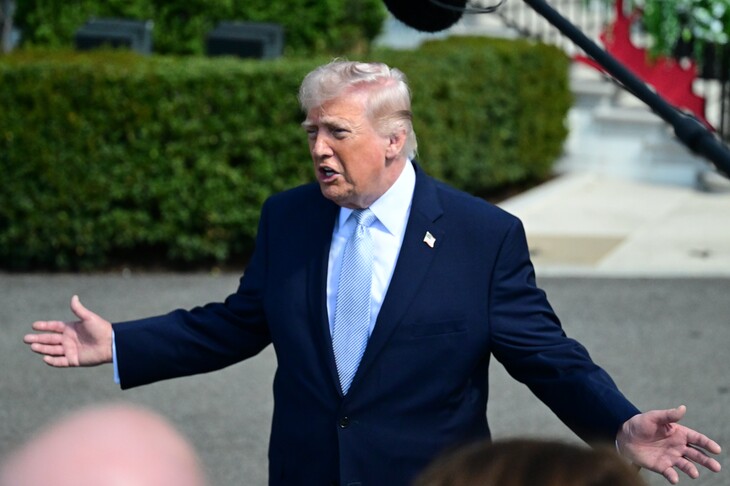
The unfolding US-Iran talks in Islamabad mark a pivotal moment in 2026's turbulent geopolitics, with Pakistan stepping into an uncharacteristic spotlight as a neutral host. Confirmed developments include the arrival of a US delegation led by Vice President JD Vance, as reported by Anadolu Agency, alongside Iranian negotiators who have outlined peace demands centered on sanctions relief, nuclear program recognition, and guarantees against Israeli aggression (SBS Australia). President Trump's pre-talks bravado—"You don't need a backup plan"—signals US confidence, or perhaps overconfidence, amid a fragile ceasefire brokered just weeks ago following escalatory strikes (Anadolu Agency, South China Morning Post). Photos from Middle East Eye depict Islamabad's heavy security preparations: barricades around the Foreign Office, snipers on rooftops, and elite forces patrolling key routes, underscoring the high stakes. These dynamics are closely tied to the current oil price forecast, as US-Iran negotiations could significantly influence global energy markets and Pakistan's economic recovery.
This is no routine summit. The talks, focused on five major sticking points—nuclear curbs, regional proxies, ballistic missiles, sanctions, and delisting the IRGC (BBC)—come against the backdrop of a ceasefire holding tenuously since early April. John Bolton's Newsmax commentary warns that Iran perceives an "upper hand," leveraging battlefield gains and asymmetric warfare to press demands. Pakistan's role as host stems from its strategic geography: bordering Iran and Afghanistan, with longstanding ties to both Washington and Tehran, positioning it as a rare neutral venue after Oman and Qatar demurred.
Yet, the narrative extends beyond diplomacy into Pakistan's domestic vulnerabilities. Emerging reports highlight internal security threats: unconfirmed intelligence suggests Tehrik-i-Taliban Pakistan (TTP) and Baloch militants may exploit the talks for attacks, viewing US presence as provocation. Social media chatter on platforms like X (formerly Twitter) shows rising anti-Western hashtags (#YankeesOutOfIslamabad) amid protests by hardline groups in Lahore and Peshawar. Khyber Pakhtunkhwa (KP) province, epicenter of past militancy, has ramped up checkpoints.
Historical Context: Pakistan's Legacy in Regional Tensions. To grasp the gravity, one must connect to the 2026 timeline. On March 15, the US-Israel-Iran conflict disrupted Pakistan's trade routes, slashing exports by 20% via Gulf chokepoints and inflating oil import costs—exacerbating economic woes and fueling public discontent (echoed in recent event: April 2, "Pakistan addresses global oil crisis impact," HIGH impact). March 18's Saudi-Iran tensions forced Pakistan into a dilemma: balancing Riyadh's financial aid with Tehran's border security needs, mirroring today's talks. China's March 16 mediation offer for Pak-Afghan tensions positioned Islamabad as a budding peacemaker, yet KP's March 20 leadership in the "war on terror"—launching operations against TTP hideouts—reveals the domestic cost. Historically, Pakistan's "frontline state" role in the post-9/11 War on Terror (2001-2021) saw 80,000 deaths and $150 billion in losses, breeding anti-US resentment that militants weaponized. The 2024 TTP resurgence, killing 1,000+ security personnel, parallels today's risks: global diplomacy amplifying local jihadist narratives. For deeper insights into how such tensions ripple through energy markets, see our analysis on Oil Price Forecast: Escalating Middle East Tensions Ripple into African Geopolitics.
Recent events amplify this: April 9's "US-Iran Talks Security in Islamabad" (HIGH) and "US-Iran Ceasefire Aids Pakistan Economy" (MEDIUM) suggest short-term boosts, but April 7's "Pakistan's Regional War Diplomacy" (HIGH) warns of overstretch.
Oil Price Forecast and The Players
Key Players and Motivations:
-
United States (Trump Administration, VP JD Vance): Seeking a decisive end to Iran proxy threats, nuclear rollback, and IRGC curbs. Trump's "no backup plan" rhetoric (Newsmax, Anadolu) reflects election-year bravado, motivated by domestic wins on inflation (tied to oil) and ally Israel security. Bolton's hawkish view: Iran must be pressured.
-
Iran (Negotiators): Demands sanctions lift, nuclear rights, no Israeli strikes (SBS). Upper hand from Hezbollah resilience and Houthi disruptions motivates hardball tactics, per Bolton.
-
Pakistan (Government, led by PM Shehbaz Sharif): Neutral host for diplomatic leverage, aid inflows, and border calm. Motivations: economic revival post-March trade hits, countering TTP via US intel. But internal politics—opposition PTI's anti-US stance—complicates.
-
Internal Threats (TTP, Balochistan Liberation Army - BLA): Jihadists decry "kafir" talks; BLA eyes chaos for independence push. Historical anti-US ops (e.g., 2011 Abbottabad) fuel motivations.
-
Regional Actors: China (April 2 Pak-China Sea Guardian exercise) backs Pakistan mediation; India watches warily (April 4 "Pakistan Warns India on False-Flag," LOW); Afghanistan TTP sanctuaries link border woes.
The Stakes
Political, Economic, Humanitarian Implications—and Original Security Analysis.
Politically, success burnishes Pakistan's mediator credentials, akin to China's March 16 Pak-Afghan role, potentially unlocking US aid ($1-2B annually) and IMF tranches. Failure risks blame game, eroding Sharif's coalition.
Economically, ceasefire stability could revive Gwadar Port (March 30 milestone, LOW) and trade, offsetting March 15 disruptions. Humanitarian toll: KP's 2026 terror ops displaced 100,000; escalation could double. Track broader risks via our Global Risk Index.
Unique Original Take: Security Implications for Pakistan. This article uniquely dissects how talks intersect with internal threats, unexamined in prior economic/environmental coverage. Historically, US engagements (e.g., 2000s drone era) spiked TTP attacks 300%, breeding anti-Western sentiments that empowered militants—paralleling March 20 KP ops post-Saudi-Iran dilemmas. Talks could exacerbate: US flags draw protests (already brewing), validating TTP fatwas and border incursions from Afghanistan (China mediation failed to seal). Militants may stage "spectaculars" like 2009 Lahore attacks, exploiting fragile security.
Conversely, mitigation via bolstered intel-sharing (US-Pak pacts) and Iranian border calm could empower counterterror. Interplay: Global optics boost domestic morale if aid flows, but backlash risks if perceived as capitulation—echoing March 16 Islamophobia warnings. Border tensions (Afghan sanctuaries) amplify: TTP's 2026 surge (post-March 15 economic pain) could intensify if talks falter, drawing India/China in proxy wars.
Policy-wise, Pakistan must thread needle: assertive measures (KP model) versus dialogue, lest diplomacy boomerang into instability.
Market Impact Data
Markets react warily to the talks' security overlay and the associated oil price forecast uncertainties. Pakistani rupee steadied at 278/USD post-ceasefire news (April 9, MEDIUM), with KSE-100 up 1.2% on diplomacy hopes, but oil volatility persists (Brent ~$82/bbl, down from March peaks). Crypto mirrors risk-off: Bitcoin dipped 2% amid ME tensions. These movements align with broader oil price forecast trends influenced by regional ceasefires and diplomatic shifts.
Recent Event Timeline underscores volatility:
- 2026-04-09: "US-Iran Talks Security in Islamabad" (HIGH) – spiked VIX equivalent.
- 2026-04-09: "US-Iran Ceasefire Aids Pakistan Economy" (MEDIUM) – rupee relief.
- 2026-04-07: "Pakistan's Regional War Diplomacy" (HIGH) – equity gains.
- 2026-04-04: "Pakistan Warns India on False-Flag" (LOW) – minor defense stock bump.
- 2026-04-02: "Pakistan's Regional Strategic Struggles" (MEDIUM) / "Pakistan addresses global oil crisis impact" (HIGH) – energy sector churn.
- 2026-04-02: "Pak-China Sea Guardian IV Ends" (LOW).
- 2026-03-30: "Pakistan's Gwadar Port Milestone" (LOW) – CPEC optimism.
Catalyst AI Market Prediction
The World Now Catalyst AI forecasts:
- SOL: Predicted downside (low confidence) — Causal mechanism: High-beta crypto altcoin follows BTC in risk-off deleveraging from ME tensions and sector hacks. Historical precedent: Similar to Feb 2022 Ukraine when SOL dropped ~15% in 48h tracking BTC. Key risk: isolated altcoin rebound on network-specific positive news.
Predictions powered by The World Now Catalyst Engine. Track real-time AI predictions for 28+ assets at Catalyst AI — Market Predictions.
Looking Ahead
Scenarios, Timeline, Key Dates.
If talks succeed (50% odds): De-escalation yields Pakistan aid packages ($5B+ US/China), KP security pacts, diplomatic pivot—redefining Islamabad as South Asia-ME bridge, assertive like March 16 China model. Positive outcomes could stabilize the oil price forecast outlook.
Failure (30%): Collapse by April 15 reignites strikes, TTP terrorism surges (KP attacks +20%), Afghan border chaos, drawing India (false-flag risks) and China deeper.
Stalemate (20%): Protests escalate May 1 (Labor Day), militant ops peak summer.
Key dates: April 12 (Day 2 talks), April 20 (ceasefire review), May 1 (KP elections proxy). Long-term: Success shifts policy to mediation hub, mitigating terror via alliances; failure entrenches "forever war" domestically.
Pakistan's gamble: Hosting amplifies security shadows, but savvy navigation could forge enduring leverage in a multipolar world.
This is a developing story and will be updated as more information becomes available.






