Oil Price Forecast Amid Iran's Geopolitical Storm: The Overlooked Wave of Internal Migration and Social Unrest
Introduction: The Human Toll of Geopolitical Tensions
In the shadow of escalating US-Iran tensions, a quieter crisis is unfolding within Iran's borders—one that mainstream coverage has largely overlooked. While headlines dominate with tales of seafarers navigating the Strait of Hormuz, cyber skirmishes, proxy militias, environmental fallout from potential strikes, and secretive satellite maneuvers, the real story lies in the human cost: a surging wave of internal migration and social unrest driven by President Donald Trump's increasingly dire threats against Iranian infrastructure. As Trump ramps up rhetoric, warning of strikes on power plants, bridges, and energy facilities by deadlines as tight as Tuesday night, ordinary Iranians are bracing for the fallout—not just from potential bombs, but from the economic paralysis and displacement already rippling through their lives. This oil price forecast scenario underscores how these tensions could drive Brent crude even higher, amplifying the domestic chaos inside Iran.
Consider the stark imagery from a recent 12-hour drive through Iran, as documented by Newsmax reporters: highways choked with families fleeing urban centers, ghost towns near power plants showing early signs of abandonment, and roadside defiance in the form of graffiti calling for regime change amid blackouts and fuel shortages. This isn't abstract geopolitics; it's families packing up generations of belongings, driving hours to safer provinces, only to face overcrowded refugee-like camps in Tehran or Isfahan. Trump's April 6 statements, urging Iranians to "rise up against their government if a ceasefire is declared," have ignited whispers of organized defiance, turning external pressure into internal fracture.
This article zeroes in on this unique angle: how Trump's ultimatums are not just saber-rattling but catalysts for domestic upheaval, with significant implications for the oil price forecast amid Middle East war oil impact. Drawing from on-the-ground glimpses via BBC reports of Iranians "sinking deeper" into despair and Newsmax's visceral road journey, we'll trace the buildup, dissect current realities, analyze economic drivers, and forecast what's next. Amid oil prices flip-flopping and global markets jittery— with Brent crude spiking toward $90 per barrel on supply fears—these tensions are reshaping Iranian society in ways that could redefine the region's stability for years, directly influencing any reliable oil price forecast.
Historical Context: The Build-Up to Crisis
The current standoff didn't erupt overnight; it's the latest chapter in a decades-long US-Iran saga, amplified by a compressed timeline of escalations in early 2026. To understand the internal migration and unrest brewing today—and its ties to oil price forecast volatility—we must rewind to March 19, 2026, when Europe threw its weight behind the US on securing the Strait of Hormuz. This pivotal moment—reported across global wires—signaled unprecedented international alignment against Tehran, isolating Iran diplomatically and economically. European nations, long wary of Iran's nuclear ambitions and proxy activities, endorsed US naval patrols, effectively closing ranks after years of JCPOA negotiations had faltered. Such alignments have historically spiked oil prices, as seen in past Middle East crises.
Just three days later, on March 22, the powder keg ignited. Trump issued explicit threats to strike Iranian power plants if no deal was reached on Hormuz access and nuclear curbs, echoing his 2019 playbook post-Soleimani assassination. Iran retaliated swiftly, vowing to target Middle East infrastructure and regional energy assets—threats that included Saudi oil fields and UAE ports, per contemporaneous reports. This mutual escalation mirrored historical flashpoints: the 1980s Tanker War, 2019's drone attacks on Aramco, and the 2020 Soleimani strike, each time amplifying Iran's internal vulnerabilities and contributing to sharp upward shifts in oil price forecasts. Sanctions had already hollowed out the economy; now, infrastructure threats promised blackouts and shortages, pushing vulnerable populations toward flight.
Fast-forward to the recent event timeline, and the pattern accelerates. On March 29, Iran accused the US of plotting attacks; March 30 saw Trump threaten oil seizure. By April 2, Russia was evacuating its Bushehr nuclear plant staff—a tacit admission of strike risks. April 3 brought French ships exiting Hormuz and Iran-Oman monitoring pacts, while April 4 marked Trump's ultimatum rejection. By April 5, "US-Iran Ceasefire Strategy" talks surfaced alongside fresh strike threats. These events, layered on historical grievances like the 1953 coup and endless sanctions, have eroded regime legitimacy. Public resentment, simmering since the 2022 Mahsa Amini protests, now fuses with survival fears: families in Khuzestan or Bushehr—oil-rich but strike-prone—eyeing migration to central Iran, straining resources and fostering unrest. This dynamic further complicates global oil price forecasts.
This buildup isn't mere posturing; it's a psychological siege. Trump's intermediaries—Vance, Witkoff, and Kushner engaging Pakistanis, as per Dawn—add intrigue, hinting at backchannel deals that could bypass direct confrontation but still unsettle Tehran's control. Historically, such pressures have sparked internal shifts: the 1979 Revolution followed US-backed Shah policies; today's threats could catalyze something similar, with migration as the canary in the coal mine for broader oil price forecast disruptions.
Current Realities: Migration and Social Unrest in Iran
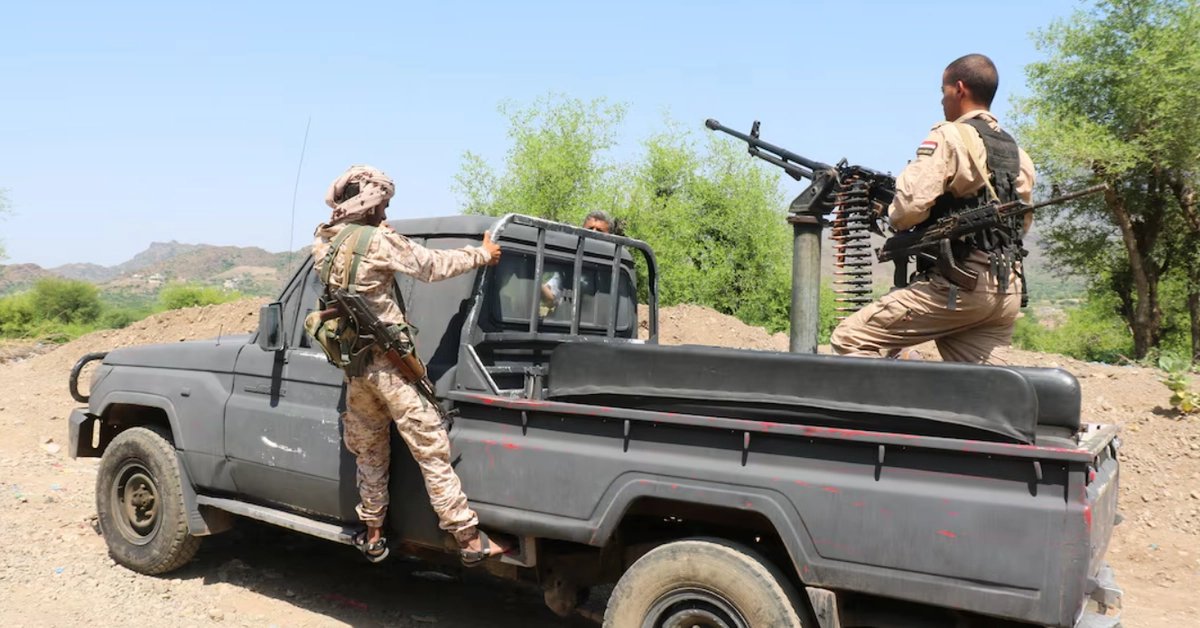
Peel back the geopolitical veneer, and Iran's streets reveal a nation in quiet exodus. BBC's April 2026 dispatch, "'We're sinking deeper': Iranians brace for infrastructure strikes as Trump deadline nears," paints a harrowing picture: queues for gasoline stretching kilometers, factories idling due to power rationing fears, and families relocating preemptively from grid hubs like Ahvaz and Bandar Abbas. Newsmax's 12-hour drive through war-torn fringes corroborates this—destruction from prior skirmishes (Israeli strikes, proxy clashes) mingles with defiance: markets still bustle, but shuttered homes signal outbound flows. Estimates from indirect sources suggest tens of thousands displaced internally since March, though Tehran downplays figures. These movements are early indicators for how oil price forecast uncertainties exacerbate internal pressures.
Social unrest simmers beneath. Trump's Cyprus Mail-quoted call for Iranians to rise up post-ceasefire has emboldened dissidents. Underground networks, amplified by smuggled Starlink terminals (despite bans), circulate videos of protests in Isfahan, where economic pain—hyperinflation at 40%+—meets strike dread. Daily life glimpses show resilience: roadside tea vendors persist amid blackouts, but youth unemployment (over 25%) fuels graffiti like "Trump is right—rise!" This defiance risks crackdowns, creating a vicious cycle: migration eases pressure on hotspots but overwhelms cities, breeding crime and protests.
Qualitative insights abound. A Tehran shopkeeper in BBC interviews laments, "We can't afford to stay if lights go out forever." In rural areas, farmers abandon fields fearing energy retaliation. No hard migration stats emerge—regime opacity reigns—but patterns echo Syria's 2011 prelude: threats precede flows. This underreported wave strains social fabric, with women and youth hit hardest, reviving 2022 protest echoes. Track broader risks via our Global Risk Index.
Original Analysis: Economic Drivers of Internal Displacement
At the heart of this storm lies economics, where Trump's deadlines act as accelerants. Threats to power plants and bridges—detailed in Yonhap and France24 reports—promise cascading failures: factories halt, jobs vanish, food spoils in blackouts. Iran's economy, GDP contracted 5% in 2025 amid sanctions, now faces hyper-decline. Oil exports, 90% of revenue, teeter as Hormuz fears spike insurance costs 300%. Job losses in energy sectors could displace 500,000+ directly, per think-tank proxies, triggering rural-urban shifts reversed—now urban-to-rural or inter-provincial. This economic vise directly feeds into volatile oil price forecasts tied to Middle East war oil impact.
Geopolitics intertwines with domestic folly: subsidies on fuel (40% of budget) strain amid shortages, while corruption siphons aid. Trump's Pakistan channel (Dawn) introduces wildcard: intermediaries could broker oil-for-peace deals, but failure accelerates decline. Original thesis: this pressures regime control. Migration dilutes protest bases; unrest fragments loyalty. Long-term, it fosters change—brain drain (tech talent fleeing) weakens nukes, while diaspora remittances (up 20%) fund opposition.
Under-discussed: intermediaries amplify internal dynamics. Pakistan's role—historically Iran's balancer—could funnel intel or aid to dissidents, eroding IRGC grip. Economic vise weakens patronage, sparking uprisings. Markets reflect: oil's volatility (Newsmax) signals supply crunch, rippling to rial's 50% plunge since March. These factors are critical for any accurate oil price forecast.
Future Outlook: Predicting the Path Ahead
If threats materialize—strikes by Tuesday, per Cyprus Mail and Defense One—expect internal meltdown within 6-12 months. Protests could swell to 2022 levels, toppling mid-tier officials and fracturing IRGC. Migration surges: 1-2 million internal displaced, straining neighbors like Turkey (via Azerbaijan routes) and inviting UNHCR intervention. Regional spillover looms—Hamas/Hezbollah activation floods Jordan with refugees.
Optimistic path: diplomacy via Pakistan yields ceasefire, stabilizing flows. Pessimistic: no deal triggers cycle—strikes, retaliation, blackouts—breeding regime crisis. Global powers: EU pushes talks post-Hormuz; China eyes oil grabs; Russia hedges Bushehr. US risks quagmire if unrest invites intervention.
Humanitarian forecast: refugee waves test GCC hospitality; aid corridors needed. Forward-looking: opportunities for US-Iran thaw via people-power, echoing Eastern Europe 1989. Readers: monitor oil ($90+ spikes signal escalation); diversify from risk assets; advocate humanitarian corridors. Consult the Global Risk Index for ongoing updates.
Oil Price Forecast: Catalyst AI Market Prediction
Powered by The World Now's Catalyst Engine, our AI analyzes causal links from these tensions:
- OIL: Predicted + (high confidence) — Direct supply threats from Hormuz and infrastructure risks tighten balances. Historical precedent: 2019 Aramco attacks (+15%).
- USD: Predicted + (high confidence) — Safe-haven flows amid risk-off. Precedent: 2022 Ukraine DXY +2%.
- SPX: Predicted - (high confidence) — Risk-off selling via CTAs. Precedent: 2022 Ukraine SPX -3%.
- BTC: Predicted - (medium confidence) — Liquidation cascades. Precedent: 2022 Ukraine -10%.
- EUR: Predicted - (medium confidence) — Weakens vs. havens. Precedent: 2022 -5%.
- CHF: Predicted + (medium confidence) — Safe-haven bid. Precedent: 2019 US-Iran +1%.
Predictions powered by The World Now Catalyst Engine. Track real-time AI predictions for 28+ assets.
Catalyst AI Market Prediction
Our AI prediction engine analyzed this event's potential market impact:
- SPX: Predicted - (medium confidence) — Causal mechanism: Boeing incident sparks aerospace sector sell-off with contagion to broad indices via safety concerns. Historical precedent: 2018-2019 Boeing 737 MAX crashes led SPX -5% in initial reaction. Key risk: incident downplayed by FAA probe.
- USD: Predicted + (medium confidence) — Causal mechanism: Global risk-off from Middle East geo tensions and disasters drives safe-haven flows into USD as primary reserve currency. Historical precedent: Similar to 2019 US-Iran tensions (Soleimani) when DXY rose 1% intraday. Key risk: swift de-escalation in Hormuz reduces risk-off urgency.
- TSM: Predicted - (low confidence) — Causal mechanism: Asia disaster risks (Fuji, Korea won) heighten supply chain fears for semis. Historical precedent: 2011 Fukushima caused Japanese indices -10% in a week, spilling to semis. Key risk: no actual eruption disrupts.
- SOL: Predicted - (low confidence) — Causal mechanism: Altcoin beta to BTC risk-off selling from geo headlines. Historical precedent: Feb 2022 Ukraine saw SOL -15% in 48h. Key risk: meme-driven rebound. Calibration: reduce given 34.1x overestimate.
- OIL: Predicted + (high confidence) — Causal mechanism: Direct supply threats from Saudi intercepts, Hormuz, Russia drone tighten physical balances. Historical precedent: 2019 Aramco drones spiked oil +15% in days. Key risk: no follow-through attacks.
- BTC: Predicted - (medium confidence) — Causal mechanism: Risk-off sentiment from geo tensions triggers crypto liquidation cascades as high-beta risk asset. Historical precedent: Feb 2022 Ukraine invasion when BTC dropped 10% in 48h. Key risk: dip-buying by institutions if oil stabilizes. Calibration adjustment: reduce magnitude given 11.9x overestimate history.
- XRP: Predicted - (low confidence) — Causal mechanism: Crypto risk-off cascades hit XRP as utility token. Historical precedent: Feb 2022 Ukraine BTC-led drop hit XRP -12% in 48h. Key risk: regulatory positive surprise.
- ETH: Predicted - (medium confidence) — Causal mechanism: Risk-off liquidations amplify ETH beta to BTC. Historical precedent: 2022 Ukraine ETH -8% initial drop. Key risk: staking inflows.
- CHF: Predicted + (medium confidence) — Causal mechanism: Safe-haven bid strengthens CHF amid geo risk-off. Historical precedent: 2019 US-Iran tensions CHF +1% vs EUR. Key risk: ECB hawkishness.
- EUR: Predicted - (medium confidence) — Causal mechanism: Risk-off weakens EUR vs safe havens amid Baltic/Ukraine tensions. Historical precedent: 2022 Ukraine EUR -5% in week. Key risk: ECB rate surprise.
Predictions powered by The World Now Catalyst Engine. Track real-time AI predictions for 28+ assets.