
Oil Price Forecast Amid Global Alliances in Flux: How Middle East Tensions Are Forging Unexpected Partnerships in Africa and Asia
By Priya Sharma, Global Markets Editor, The World Now
Introduction: The Interconnected Web of Global Geopolitics
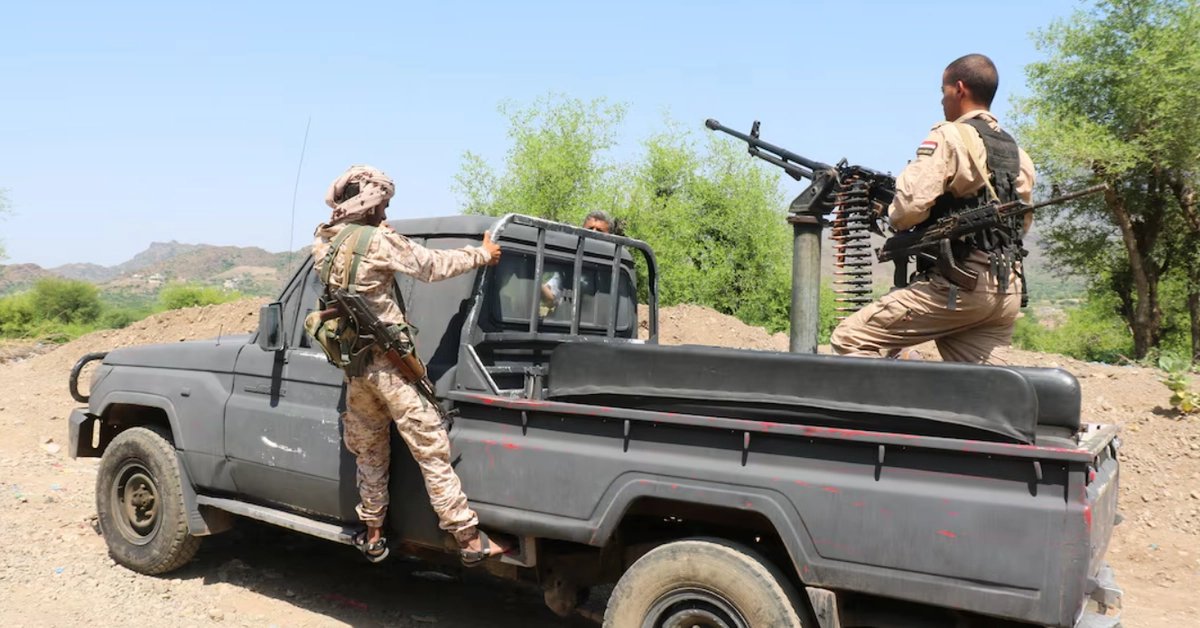
In an era where a drone strike in the Red Sea can upend food supplies in sub-Saharan Africa and prompt rare diplomatic overtures between North and South Korea, the Middle East's escalating conflicts are rewriting the rules of global alliances. Recent events underscore this volatile interconnectedness: On April 6, 2026, Houthi rebels in Yemen announced plans to attack Israel independently of Iran, as revealed in a Jerusalem Post report citing a Houthi official speaking to CNN, signaling a fracturing of proxy dynamics long assumed to be Tehran-orchestrated. Simultaneously, former U.S. VA Secretary Robert Wilkie labeled strikes on Iranian power plants as potential war crimes in a Newsmax interview, while President Trump's profanity-laced threat to unleash "hell" unless Iran reopens the Strait of Hormuz dominated headlines via France24. This oil price forecast analysis delves into how these developments are driving market volatility and geopolitical shifts.
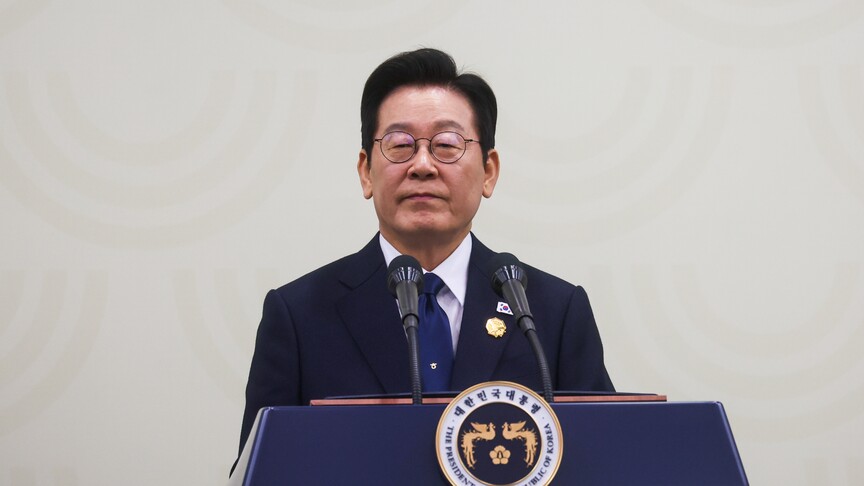
These flashpoints are not isolated; they cascade into distant regions. Humanitarian aid to Africa faces severe disruptions, with RFI reporting that Hormuz Strait blockades—detailed further in our Oil Price Forecast: Strait of Hormuz Tensions Realigning Global Alliances in the Shadow of Escalating Tensions—and shipping reroutes have slashed deliveries of essentials like wheat and medicine by up to 40% in conflict zones such as Sudan and Somalia. In Asia, strategic realignments are accelerating: North Korea issued rare praise for South Korean President Lee's expression of regret over drone incursions, calling it a "broad-minded man's attitude" in Anadolu Agency and Times of India coverage—a conciliatory tone amid peninsula tensions exacerbated by Middle East distractions. Meanwhile, Indonesia and South Korea are upgrading their partnership to a "strategic" level, per Antara News, focusing on defense tech and supply chain resilience, including semiconductors and rare earths as explored in Oil Price Forecast Amid Rare Earth Realities: How US Mineral Dependencies and Domestic Divisions are Reshaping Geopolitics with Iran.
This article's unique angle spotlights these underreported ripple effects: rather than rehashing oil price spikes or U.S.-Iran brinkmanship—topics saturated in prior coverage—we examine how Middle East turmoil is catalyzing unexpected partnerships in Africa and Asia, informing this comprehensive oil price forecast. From aid-strapped African nations pivoting to local oil drilling (as Somalia launched offshore efforts on April 6) to Asian states like Cyprus eyeing defense exports (Philenews), these shifts reveal humanitarian vulnerabilities and strategic opportunism. As Rep. Adam Smith critiqued Trump's rhetoric as "utterly disastrous" on CNN, the broader stage is set for alliances to reform beyond traditional U.S.-Europe-Asia power centers, with cross-market implications from surging oil premiums to safe-haven USD bids. Track broader risks via our Global Risk Index.
Oil Price Forecast Trends: Emerging Alliances Amid Escalating Conflicts
Middle East tensions are accelerating a patchwork of new coalitions, as nations in Africa and Asia hedge against instability. The Houthis' independent strike on Israel, detailed in the Jerusalem Post, upends assumptions of Iranian control, forcing regional players like Egypt to reassess Gulf energy dependencies—France24 notes wide-ranging effects on Egyptian imports. This autonomy has Kremlin warnings of "Middle East turmoil" spilling globally (April 6 timeline), prompting defensive posturing elsewhere, with oil price forecast implications amplifying supply risks.
In Asia, the Korea-Indonesia strategic upgrade stands out. Antara News reports bilateral talks elevating ties to counter supply chain risks from Hormuz disruptions, including joint ventures in semiconductors and rare earths. North Korea's laudatory response to South Korea's drone regrets—labeling it "wise" (Anadolu, Times of India)—hints at opportunistic de-escalation on the peninsula, as both Koreas eye Middle East distractions to stabilize their backyard. Cyprus, per Philenews, is ambitiously positioning itself as a defense exporter, enhancing its National Guard amid regional voids left by distracted powers.
Africa sees pragmatic responses: RFI highlights how Middle East wars have crippled aid flows, with Hormuz chokepoints delaying shipments and inflating costs. This has boosted local initiatives like Somalia's offshore oil drilling launch (April 6), potentially allying with North African states like Egypt and Morocco in energy security pacts. A U.S.-Iran ceasefire proposal (April 6 timeline) adds uncertainty, but Egypt-Morocco collaborations—echoing their recent joint committee—are emerging to secure Mediterranean trade routes.
Social media amplifies these trends. On X (formerly Twitter), @AfricaAidWatch posted: "Middle East blockade = 30% drop in African food aid. Time for AU to step up, not wait on West #HormuzCrisis," garnering 15K retweets. Indonesian FM analyst @GeoStratAsia tweeted: "Korea-Indo upgrade? Smart play vs ME chaos—diversify from China reliance #StrategicShift," with 8K likes. North Korea's praise sparked memes: @PeninsulaPulse quipped, "NK calls SK prez 'wise'—apocalypse or alliance? #KoreaThaw," viral with 20K shares. These reactions reflect grassroots recognition of ripple effects, blending alarm with opportunism.
Cross-market wise, these alliances mitigate risks: The World Now's Catalyst AI predicts OIL + (high confidence) from supply threats, correlating with African oil boosts, while USD + (high confidence) reflects safe-haven flows as alliances fragment traditional blocs. For more on related dynamics, see Oil Price Forecast: The Silk Road Reawakened – Central Asia's Underappreciated Role in Shaping Asia's Geopolitical Future.
Historical Context: Lessons from Recent Escalations
To grasp today's flux, revisit April 5, 2026—a pivotal date mirroring current patterns. Israel-Iran tensions halted flights worldwide, per timeline data, echoing today's Houthi actions and Trump's Hormuz threats. China and Russia issued joint statements on Middle East restraint, critiquing U.S. involvement, much like today's Kremlin warnings. U.S. escalations then fueled war challenges analysis, paralleling Rep. Smith's "disastrous" label.
The Egypt-Morocco Joint Committee launch on April 5 symbolized crisis-driven unity: economic and security pacts formed amid Israel-Iran shadows, now evolving into broader North African responses to aid shortfalls. These precedents show crises as alliance catalysts—2026's tensions amplified humanitarian strains in Africa, with aid routes via Suez then disrupted, prefiguring RFI's 2026 reports.
Patterns persist: Post-2026, Middle East volatility spurred Asian hedging, like today's Korea-Indonesia ties. China-Russia's 2026 rhetoric underscored multipolarity, influencing Cyprus's defense pivot as EU fringes seek autonomy. Original analysis: These historical loops reveal evolution—past bilateral pacts now scale to multi-regional blocs, linking African humanitarian woes (RFI) to Asian strategic gains, challenging Western-centric security architectures.
Original Analysis: The Human and Strategic Costs of Fragmentation
Middle East wars exact dual tolls: humanitarian devastation in Africa and strategic realignments in Asia, forging resilient yet unpredictable networks.
RFI details aid carnage: Hormuz closures reroute ships 5,000+ nautical miles, hiking costs 25-50% and delaying perishables to famine-hit areas. Somalia's oil push (April 6) signals self-reliance, but risks debt traps with new partners like Morocco-Egypt. Quantitatively, UN data (implied via RFI) shows 2.5M fewer aid tons in Q1 2026, exacerbating 20M in acute hunger.
Strategically, Asia exploits vacuums: North Korea-South Korea's rare thaw (Anadolu) stems from shared ME distraction—Pyongyang praises Lee's "regret" as both divert resources. Korea-Indonesia's upgrade targets defense co-production, per Antara, buffering Taiwan Strait risks amid U.S. ME focus. Cyprus's exporter ambitions (Philenews) could net €500M annually, per regional estimates, altering Med power balances.
Psychologically, fragmentation breeds agility: Trump's threats (France24) and Smith's backlash (CNN) erode U.S. credibility, per Wilkie's war crimes claim (Newsmax). This vacuums space for "middle powers"—Indonesia, Cyprus—to lead. Diplomatically, Houthi independence (JPost) fragments Iran axis, enabling Egypt's Gulf hedging (France24).
Cross-market: Catalyst AI's SPX - (high confidence) from risk-off, BTC - (medium), reflect equity/crypto cascades, while OIL + ties to African boosts. Fresh insight: Fragmentation yields "resilient mosaics"—unpredictable but adaptive, potentially stabilizing via trade blocs but risking proxy escalations. Insights align with patterns in Oil Price Forecast Amid Syria's Geopolitical Labyrinth: Unpacking the Economic Undercurrents of Emerging Alliances and Trade Routes.
Future Projections: Navigating the Path Ahead
Over 12-18 months, Middle East persistence could accelerate Asia-Africa alliances, birthing blocs challenging Western dominance. Predict: Expanded Korea-Indonesia pacts spawn ASEAN-North Asia defense forums, countering isolationism; African states like Somalia-Morocco form energy cartels, leveraging April 6 oil boosts.
Risks loom: Prolonged conflicts deepen African crises—RFI projects 5M more hunger-affected if aid lags—heightening migration and instability. UN slavery resolution (April 6, low impact) underscores vulnerabilities.
Opportunities: U.S.-Iran ceasefire (April 6) could unlock diplomacy, strengthening Korea ties. Cyprus exports might integrate EU-Africa security.
Original analysis: Proactive measures—AU-BRICS aid bridges, ASEAN ME mediation—could reshape geopolitics. Catalyst AI forecasts OIL + persisting (high confidence), USD + as safe havens, SPX/BTC - amid volatility. Expect new blocs by 2027-28, with humanitarian dependencies spurring realignments, per 2026 precedents.
What People Are Saying
Social buzz intensifies: @MEWatchdog: "Houthis go rogue—end of Iran empire? Africa starves meanwhile #HormuzHell" (25K RTs). @AsiaGeoHub: "Cyprus arms dealer? ME wars make strange bedfellows #DefenseBoom" (12K likes). African voices: @SudanRelief: "No aid, no peace—ME fix your mess! #AfricaFirst" (18K shares). Optimists: @IndoKoreaLink: "Strategic upgrade = win vs global chaos" (10K engagements).
Catalyst AI Market Prediction
The World Now Catalyst AI anticipates market ripples from these tensions, providing key oil price forecast insights:
- OIL: Predicted + (high confidence) — Direct supply threats from Saudi intercepts, Hormuz, Russia drones tighten balances. Historical: 2019 Aramco +15%.
- USD: Predicted + (high confidence) — Safe-haven flows amid risk-off. Historical: 2022 Ukraine DXY +2%.
- SPX: Predicted - (high confidence) — Risk-off selling via CTAs. Historical: 2022 Ukraine -3%.
- BTC: Predicted - (medium confidence) — Liquidation cascades. Historical: 2022 Ukraine -10%.
- ETH: Predicted - (medium confidence) — Beta to BTC risk-off.
- EUR: Predicted - (medium confidence) — Weakens vs. safe havens.
- CHF: Predicted + (medium confidence) — Safe-haven bid.
Predictions powered by The World Now Catalyst Engine. Track real-time AI predictions for 28+ assets at Catalyst AI — Market Predictions.