
Nepal Flood Death Toll Exceeds 1,200 With 4,000 Still Missing Amid Natural Disasters
Reporting based primarily on vg.no.
A glacial collapse in Nepal triggered a catastrophic flood and mudslide last week that has killed more than 1,200 people, left over 4,000 missing, and devastated communities in Rasuwa and Chitwan districts amid natural disasters. [2]
Glacial Collapse Triggers Deadly Flood Amid Natural Disasters
The disaster occurred when a massive landslide high in the mountains was triggered by a glacial collapse on Wednesday last week, sending enormous amounts of water, mud and debris rushing down Himalayan valleys. [2] This event has so far claimed more than 1,200 confirmed lives with over 4,000 people still missing, marking it as the deadliest incident in Nepal since a powerful earthquake in 2015 that killed more than 8,000 people. [2] The flood struck Rasuwa district particularly hard, sweeping away homes and infrastructure across affected areas including Chitwan. [2] Rescue teams continue efforts to reach isolated zones where roads and bridges have been destroyed, leaving many communities cut off from immediate help. [2]
Survivor's Story of Loss
Survivor Kopila Tamang, 20, lost her mother, grandmother, siblings, aunts, cousins and other relatives in the flood, leaving her responsible for her young brother. [2] She described how the flood took the family's home in Rasuwa, stating that she now has only one family member remaining. [2] "I have a little brother I must take care of. Now I am a mother to him, so I must be strong. When I cry, he also cries," Tamang told CNN. [2] The personal toll includes a mass burial in Chitwan as communities grapple with the scale of loss from the glacial collapse event. [2] Tamang expressed missing her relatives while emphasizing the need to stay strong for her brother amid the ongoing recovery. [2]
Ongoing Rescue Challenges
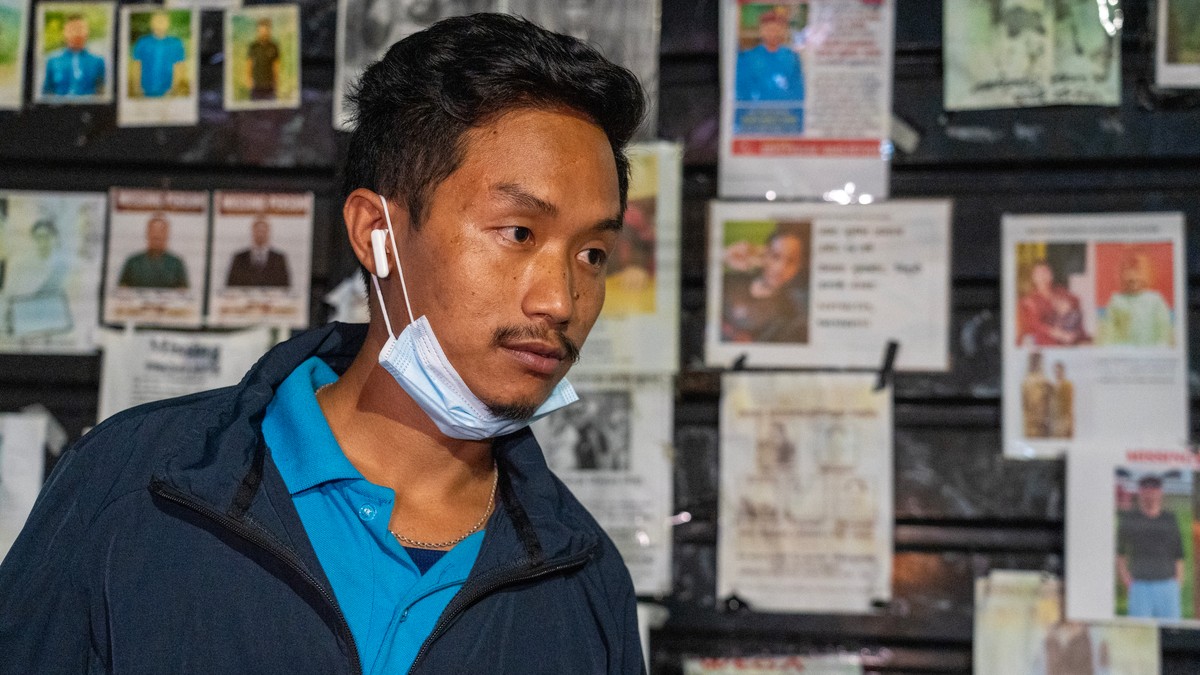
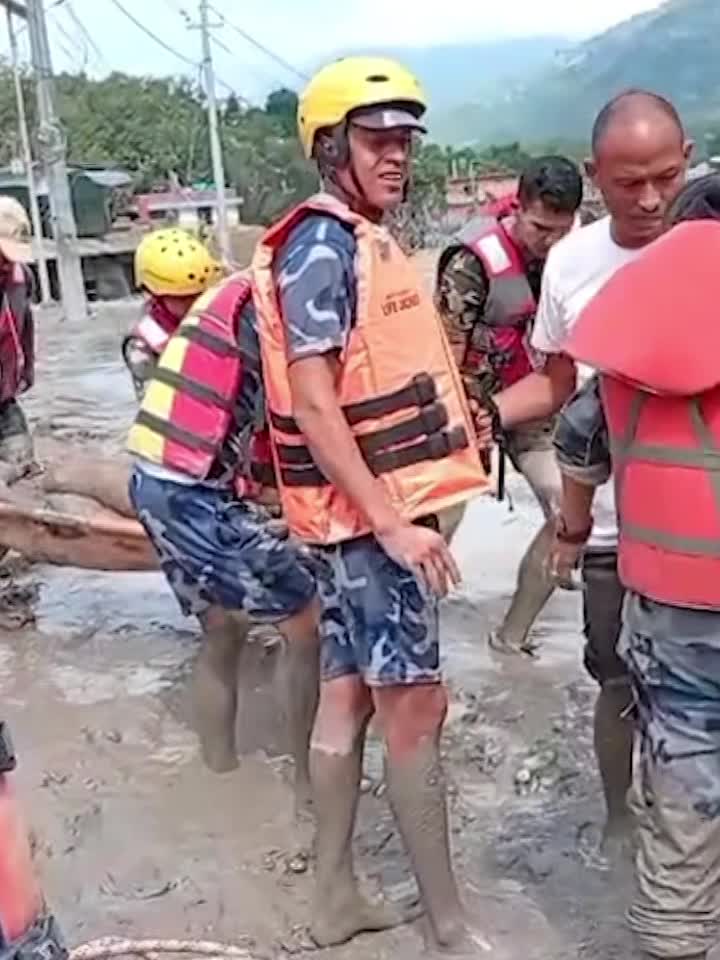
Rescue efforts are severely hampered by destroyed roads and bridges, with many areas still isolated; helicopters are delivering food, temporary shelter and medicine. [2] Crews continue searching for survivors and bodies in the aftermath of the Wednesday last week disaster while helicopters transport supplies to those who have little left. [2] The difficult terrain and damaged infrastructure slow progress, as teams attempt to access remote spots cut off by the mud and debris flows. [2] Reports indicate Nepalis pin hopes on 'wall of the missing' in hunt for relatives after deadly flood. [3] Aid delivery focuses on reaching those in need despite the isolation caused by the flood. [2]
Humanitarian Crisis Deepens
The United Nations estimates 65,000 people lack access to clean water and sanitation while more than 22,000 children require protection. [2] The figures highlight the acute needs following the glacial collapse that left around 65,000 people in urgent shortage of clean water and satisfactory sanitary conditions. [2] More than 22,000 children need protection after the catastrophe, according to United Nations information. [2] Displacement has compounded the challenges, with many families facing the loss of homes and basic services in the impacted districts. [2]
Reconstruction Costs and International Appeals
Nepal has estimated reconstruction will cost around $5 billion and has requested urgent funding from the UN climate loss-and-damage fund, which remains severely under-resourced. [2] The country has assessed that rebuilding will require around five billion dollars, equivalent to nearly 50 billion kroner. [2] Nepal has sought acute financial assistance from the United Nations fund for countries affected by loss and damage from climate change, yet the fund has far from enough money to cover the needs. [2] The fund has received pledges of around 820 million dollars while at least 119 countries have already requested support totaling 2.8 billion dollars. [2]
China Provides Emergency Aid
Nepal has formally thanked China for providing emergency assistance following the disaster. [1] Official statements from Nepal acknowledge China's emergency assistance to the mudslide disaster. [1]
What to watch next: Rescue crews will keep searching for survivors and bodies as helicopters continue delivering food, temporary shelter and medicine to isolated areas while the United Nations tracks needs for clean water and child protection.