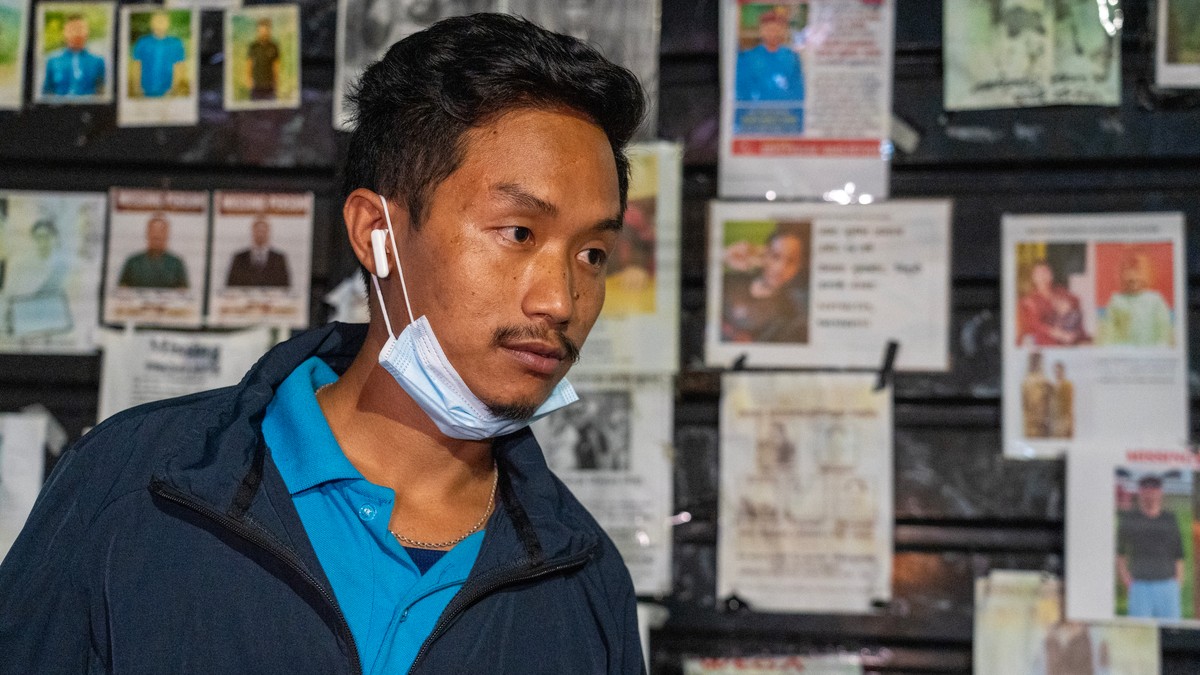

Nepal Floods From Natural Disasters Leave 1,252 Dead as Two Workers Rescued From Tunnel After Nine Days
Two construction workers were rescued alive from a hydropower tunnel in Nepal nine days after catastrophic floods and landslides struck the region near the border with China on August 26 amid ongoing natural disasters. [3] The men were extracted from a tunnel at a hydropower project in the Trishuli area, though their condition remains unknown. [3] Rescuers continue efforts to locate more than 100 other workers feared trapped inside similar tunnels. [1]
Miracle Rescue After Nine Days
The two workers were pulled out alive on Friday from the tunnel of a hydropower project along the Trishuli River. [3] Authorities expect to rescue at least 42 people from the same tunnel. [3] Earlier hopes centered on more than 100 individuals possibly still alive inside. [3] The rescues occurred more than a week after the floods triggered by a collapsing glacier that unleashed water, mud and debris down Himalayan valleys. [3] Nepali officials confirmed the extraction via the Nepal Army. [3]
Scale of Devastation Along Trishuli River
Aerial surveys along the Trishuli River revealed kilometre after kilometre where almost everything had been wiped away, with entire towns reduced to pieces. [2] The floods, which began more than one week earlier on August 26, erased villages and reshaped valleys near the Nepal-Tibet border. [2] Scientists attribute the start of the disaster to collapsing ice and rock high in the mountains that gathered debris downstream. [2] The steep Himalayan gradients had drawn billions in hydropower investment, yet much of the infrastructure along riverbanks now lies destroyed. [2]
Rising Death Toll and Missing Persons From Natural Disasters
The death toll stands at 1,252 with more than 5,000 people still missing. [1] Nearly 900 hydropower workers remain unaccounted for, and rescuers hope some may be alive in dry tunnel sections with access to air, water and supplies. [2] Nine South Korean nationals working at the Upper Trishuli-1 hydropower plant are also among the missing. [4] Official figures on Thursday placed the death toll at 1,252 with 4,216 unaccounted for, though numbers continue to rise. [2] Of the 1,252 bodies recovered, only 95 had been identified as of Thursday. [2]
Ongoing Search and Rescue Efforts
Multipronged operations involve Nepali, Indian, Chinese and South Korean teams using helicopters, drones and dogs to search debris-blocked tunnels. [2] The Korea Disaster Relief Team resumed helicopter and ground searches on Friday near Ramche and other sites, though weather forced one helicopter to return early. [5] Two bodies were recovered from one tunnel site on Thursday. [2] Challenges include entrances buried under mud, boulders and water, requiring excavation to clear access points. [2] The team coordinates with Nepalese military units and prioritizes areas such as the Yellow Bridge and mountainous zones behind worker camps. [5]
Humanitarian and Infrastructure Impact
Around 4,000 displaced people live in temporary shelters, with risks of disease rising due to damaged water and sanitation systems. [2] At least 22,000 children urgently need safe water and hygiene support. [2] The floods destroyed hydropower projects, access roads, workers' camps, a customs yard and a dry port near the Nepal-China border, severing trade routes. [2] In Syabru Besi, about 80 per cent of 250 houses and hotels were washed away, leaving roughly 200 locals and 400 others dead or missing. [2] Food reaches many in shelters, yet returning home remains impossible for some even after roads reopen. [2]
International Aid Response
South Korea will provide additional emergency relief supplies worth 130 million won, including 36,000 emergency thermal blankets and 2,320 heavy-duty thermal blankets, scheduled for delivery on Saturday. [4] Seoul had previously announced $1 million in humanitarian aid delivered through the International Federation of Red Cross and Red Crescent Societies for drinking water, first-aid kits and health supplies. [4] The Korea Disaster Relief Team continues coordinating with Nepalese authorities for search and relief operations. [5]
What to watch next: Teams plan to dig larger access points into tunnels and expand ground searches near Dhunche while monitoring weather for further helicopter operations.