
Most dangerous countries see North Korean troops captured in Ukraine and transferred to South Korea
Multiple active wars continue across the globe in the most dangerous countries, with fresh developments in the US-led conflict with Iran, fighting in Ethiopia’s Tigray region, and North Korean troops captured while fighting for Russia in Ukraine.
North Korean POWs Transferred to South Korea
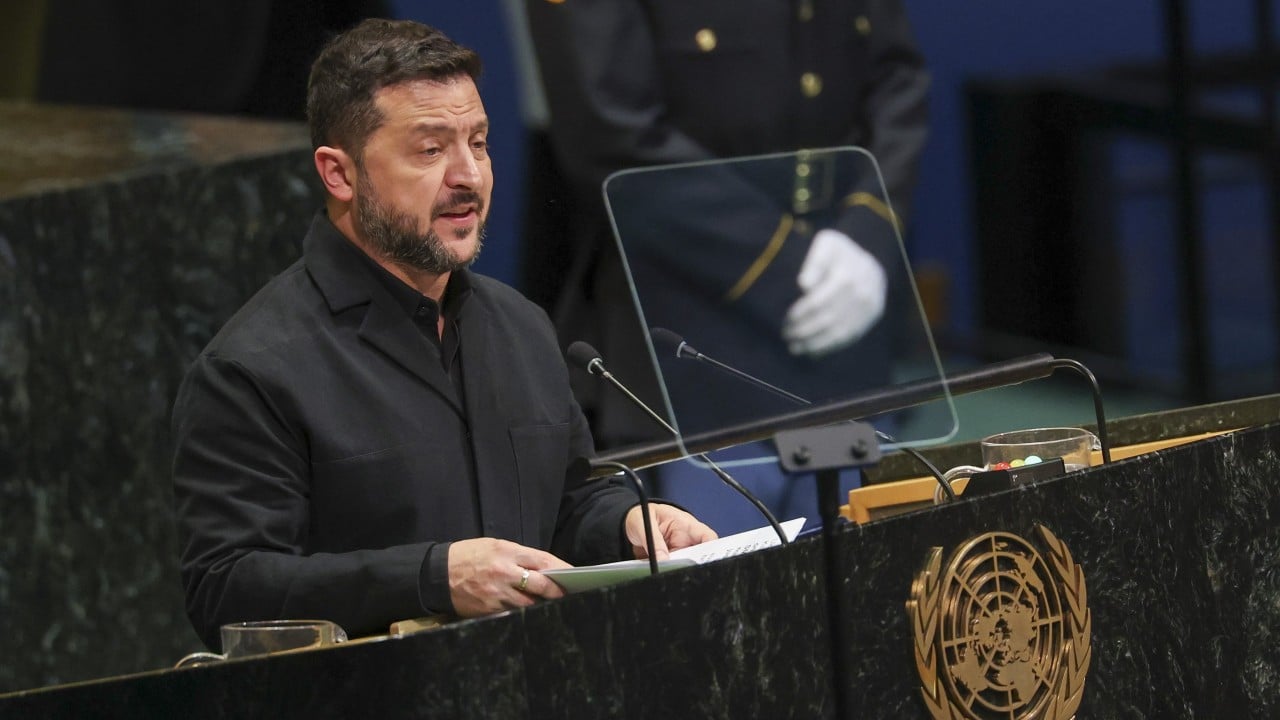
Ukrainian President Volodymyr Zelensky has put North Korea in a propaganda bind by publicly revealing that Kyiv recently transferred two North Korean prisoners of war to South Korea. The disclosure was made during Zelensky’s address to the UN General Assembly on Wednesday. This directly challenges Pyongyang’s narrative that its soldiers fighting alongside Russian forces choose death over surrendering. North Korea is unlikely to acknowledge the transfer publicly but may strengthen ideological controls over its troops deployed to Russia to prevent further defections. “Recently, we sent two North Korean prisoners of war to the Republic of Korea,” Zelensky said during his UN address, using South Korea’s official name. [1]
Iranian President Places Responsibility on US
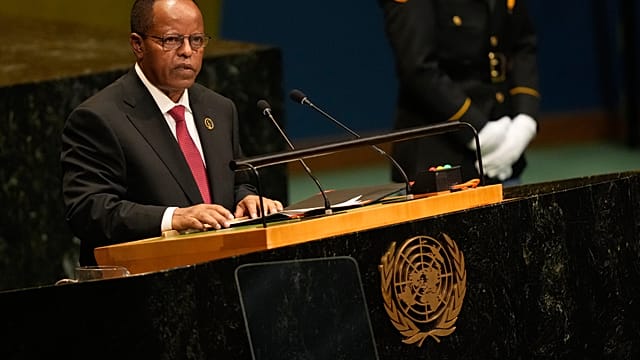
Iranian President Masoud Pezeshkian said it was up to the United States to choose when the Iran war will end. When asked if the conflict could end by the end of the year, he responded that Iran does not wish to continue but that America must choose whether it wants to end this or not. Pezeshkian told the UN General Assembly on Wednesday that Tehran would never surrender to US pressure. US President Donald Trump said on Tuesday he could annihilate Iran if there is no deal to end the war but also suggested an agreement could come soon. Trump has offered shifting goals and timelines for the war that began on February 28 when the US and Israel attacked Iran and Tehran responded with its own strikes on Israel and Gulf states that host US bases. [2]
Lawsuit Challenges Constitutionality of Iran War
The National Iranian American Council filed a lawsuit against US President Donald Trump on Thursday asking a federal judge to declare the US war on Iran unconstitutional. The complaint for declaratory relief was filed by prominent constitutional lawyers Alan Morrison and Bruce Fein in the US District Court for the District of Columbia. Morrison told reporters that both the House and Senate voted against the war. When both chambers of Congress voted in favour of a War Powers resolution in June to rein in Trump’s ability to continue attacks on Iran, the White House responded that there are no present hostilities from which to remove US Armed Forces because the hostilities that began on February 28, 2026, have terminated with the ceasefire ordered by the President on April 7, 2026. The ceasefire agreed in April has barely held, with the US carrying out multi-day bombings across Iran’s southern coast earlier this month. NIAC’s 16-page lawsuit lists eight Iranian Americans who have been directly and adversely impacted by Trump’s bombings, including one who lost four family members in Iran. [3]
Full-Blown Conflict Erupts in Ethiopia’s Tigray
Tigray rebels in northern Ethiopia have entered full-blown war with the government. Tigrayans in northern Ethiopia have started panic buying supplies in the rush to stock up amid fears that months of tensions have finally tipped over into full-blown conflict. [4]
Casualties, Ceasefire Status and Nuclear Dispute
US-Israeli strikes on Iran and Israeli attacks on Lebanon have killed thousands and displaced millions. Trump has cited weakening Iran’s nuclear capabilities as one of his war objectives. Iran, which does not have nuclear weapons, denies seeking them. The US is nuclear-armed. The Trump administration has insisted in recent weeks that reporters avoid the term war and instead refer to occasional hostilities or skirmishes. Morrison noted that if you have been bombing another country for seven months now that is a war and that when you are killing all these people and spending $43 billion that is a war. [2] [3]
What to watch next: Observers say North Korea may strengthen ideological controls over its troops deployed to Russia to prevent further defections while the NIAC lawsuit proceeds in federal court and Tigrayans continue stocking supplies amid the full-blown conflict.