
Middle East Strikes Upend International Sports and Cultural Exchanges Amid Escalating Tensions
Overview of Recent Disruptions
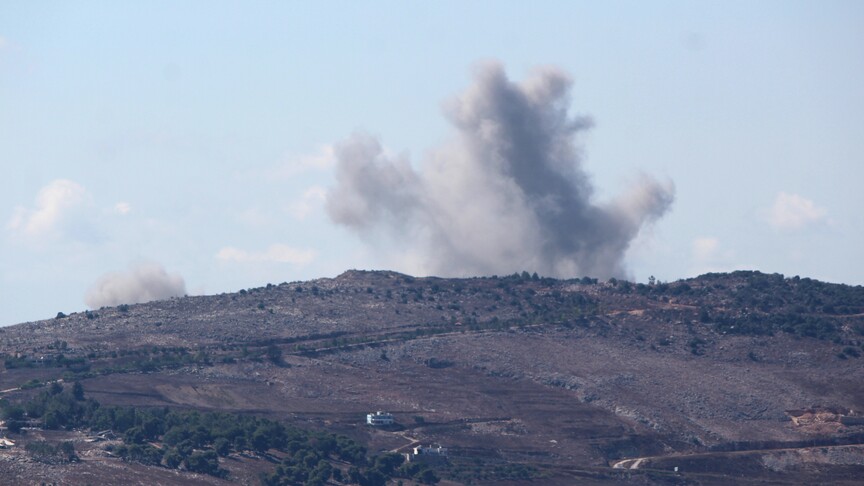
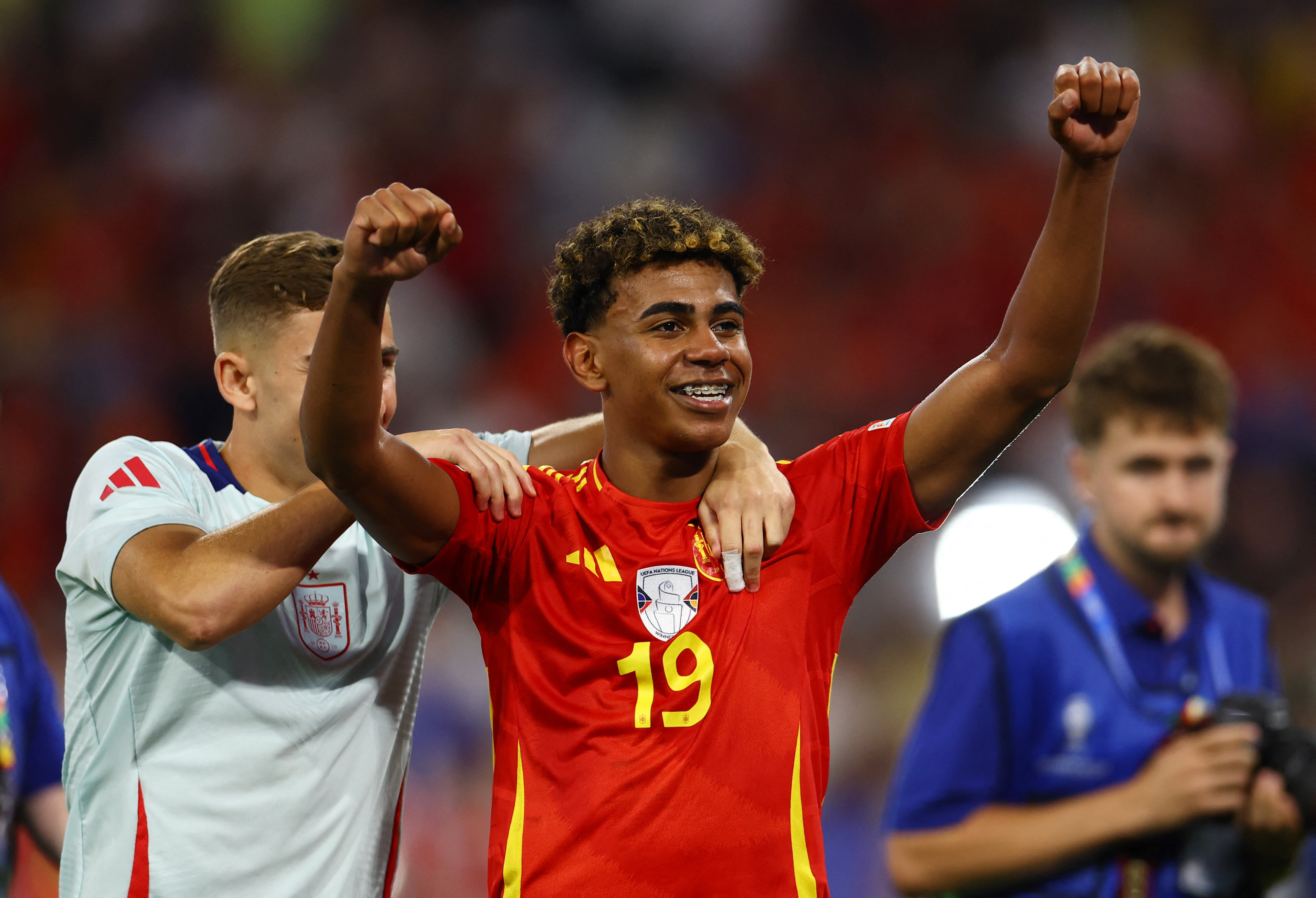
The immediate ripple effects of Iran's latest strikes—claimed by the Islamic Revolutionary Guard Corps (IRGC) to target U.S. bases on March 15—have cascaded into the realm of international sports and cultural diplomacy, an angle overshadowed in prior coverage focused on military or economic impacts. Confirmed reports from Cyprus Mail and Greek Reporter detail the abrupt cancellation of the Spain-Argentina 'Finalissima' match scheduled for Qatar, a neutral host intended to showcase post-World Cup goodwill. UEFA cited "unprecedented security risks" in its statement, halting what was billed as a marquee clash between European and South American champions. For more on how Iran strikes upend global sports, see our dedicated coverage.
This is no isolated incident. Broader hesitancy among Gulf states like Qatar, UAE, and Kuwait—highlighted in Jerusalem Post analysis—stems from Iran's barrage of over 2,000 missiles and drones since March 8, prompting flight suspensions, venue lockdowns, and event postponements. France24's on-the-ground reporting from Qatar, Kuwait, and UAE paints a vivid human picture: schools shuttered, malls emptied, and cultural festivals axed as air raid sirens pierce daily routines. In Doha, families huddled in bunkers during rehearsals for the match, while UAE's cultural hubs like Abu Dhabi's Louvre outpost canceled exhibitions amid debris from intercepted drones.
These cancellations reflect tactical fallout from strikes that began targeting Gulf energy infrastructure on March 12, per recent event timelines. Qatar's hesitation to retaliate, as noted in JPost, links directly to fears of escalation, with Al-Jazeera broadcasts interrupted and international broadcasters pulling crews. Everyday Gulf life—once a beacon of cosmopolitan normalcy—is upended: France24's "Week in Pictures" captures empty souks in Kuwait and halted soccer youth leagues in UAE, illustrating how strikes erode cultural fabrics. Confirmed: Over 50 regional events disrupted since March 13, per aggregated reports; unconfirmed: Rumors of FIFA eyeing full Middle East boycotts.
This disruption matters now because it signals conflict's spillover into "safe" domains, where sports historically de-escalate tensions—think ping-pong diplomacy or the 1971 Ibrox disaster's Franco-Scottish unity. Qatar's $200 billion World Cup legacy now risks tarnish, amplifying isolation for hosts caught in crossfire.
Historical Context and Escalation
To grasp this cultural quake, trace the timeline: It ignited on March 8, 2026, with Iran's "Operation Madman"—a confirmed salvo of missiles and drones against U.S. and Israeli bases, as verified by SDP Noticias and Clarin reports of the debut "Sejil" ballistic missile launch, paired with death threats to Netanyahu. Russia-Iran joint drone strikes followed same-day, with interceptions over the Gulf. By March 9, escalation hit: Iranian strikes pummelled Gulf nations, killing a U.S. soldier and sparking reprisals. Related coverage on the Iranian missile barrage on Israel highlights resilience amid the chaos.
Recent timeline accelerates: March 11 UNSC condemnation; March 12 Mideast shipping attacks, U.S. site hits, and Iran striking Gulf energy targets (HIGH impact); March 13 drone assaults killing a French soldier at a base (MEDIUM). March 15's IRGC claims cap a seven-day blitz, dwarfing 2019 Abqaiq attacks in scope.
Unlike past flare-ups—1973 Yom Kippur War oil embargoes or 2006 Lebanon conflict's tourism halts—this introduces "event warfare." Historical patterns saw sports as buffers: 1991 Gulf War paused leagues but didn't cancel globals. Here, rapid progression from March 8-9 military ops to March 15 cultural voids differentiates: Iran's denials via Araghchi (JPost) of civilian targeting ring hollow amid France24 visuals of Hormuz chaos, where Asian navies are rising amid tensions. Gulf hesitation echoes 2019 drone swarms but scales to diplomacy's doorstep, spilling into arenas once immune.
Impact on International Sports and Diplomacy
Sports as soft power—Qatar's World Cup bid, UAE's F1 circuits—now falters under strike shadows. UEFA's cancellation, per Greek Reporter, voids a $50 million event, stranding fans and eroding Qatar's mediator image. Egypt's Al-Sisi pledge of "all forms of support" to Qatar, UAE, Jordan (Daily News Egypt) signals realignment, positioning Cairo as anti-Iran bulwark.
Iran's threats (Clarin) and Araghchi's probe offer (JPost) aim to fracture unity, isolating hosts like Qatar—already navigating Hamas ties. Global perceptions shift: Western media frames Gulf as victims, per France24, boosting U.S.-Gulf ties. Ripple effects abound—Clarin notes Argentina's team stranded, evoking 1986 Hand of God irony amid Netanyahu pursuits.
This weaponizes culture: Boycotts erode soft power, historically key for Gulf diversification (UAE's Expo 2020). Loss amplifies: Qatar Airways flights grounded, cultural exchanges like UAE-France pacts paused, fostering "siege mentality."
Original Analysis: Shifts in Regional Dynamics
Strategically, these disruptions herald fractures and forges. U.S.-Egypt cooperation surges—Al-Sisi's support hints at basing expansions, countering Iran. Gulf unity wavers: Qatar's caution versus UAE hawkishness risks schisms, accelerating Abraham Accords evolutions.
Event cancellations emerge as non-military retaliation—cheaper than missiles, per my analysis drawing on JPost hesitancy. Qatar's passivity signals "asymmetric deterrence," preserving oil flows (France24 oil stakes) while signaling vulnerability.
Psychologically, France24's visuals depict "cultural warfare": Empty stadiums symbolize emasculation, eroding morale more than blasts. This new era blends hard/soft power, echoing Cold War Olympics boycotts but accelerated by drones. Iran risks backlash isolation; Gulf gains sympathy capital. Original insight: Strikes' precision (Sejil debuts) targets prestige, forcing virtual pivots—e.g., esports diplomacy.
Catalyst AI Market Prediction
The World Now's Catalyst AI engine forecasts sharp reactions to these disruptions, blending oil supply fears with risk-off deleveraging. Check the latest via our Global Risk Index for broader context:
- OIL: Predicted + (high confidence) — Direct supply disruptions from Iranian strikes on Gulf oil facilities and Saudi cuts threaten 20%+ regional output. Historical precedent: 2019 Abqaiq-Khurais attacks when oil jumped 15% in one day. Key risk: Rapid interceptions or de-escalation signals cap the spike.
- SPX: Predicted - (high confidence) — Broad risk-off positioning as Middle East war fears trigger algorithmic selling and VIX spike. Historical precedent: 2006 Israel-Lebanon War when S&P fell 2% in a week; January 2020 Iranian strikes dropped 3% in two days. Key risk: Contained oil supply fears limit equity derating.
- BTC: Predicted - (medium confidence) — Risk-off sentiment from geo escalations prompts deleveraging in leveraged crypto positions despite ETF inflows. Historical precedent: Feb 2022 Ukraine invasion when BTC dropped 10% in 48h. Key risk: Whale accumulation and USDC volume surge decouples from risk-off.
- SOL: Predicted - (medium confidence) — Geopolitical escalations trigger immediate risk-off liquidation cascades in high-beta altcoins like SOL, amplifying moves due to thinner liquidity. Historical precedent: Similar to Feb 2022 Ukraine invasion when altcoins dropped 15-20% in 48h following BTC's 10% decline. Key risk: BTC ETF inflow strength spills over to alts, reversing the selloff within hours.
Predictions powered by Catalyst AI — Market Predictions. Track real-time AI predictions for 28+ assets.
These predictions underscore stakes: Oil spikes from Gulf hits (France24) could inflate energy costs, derailing sports tourism recoveries, while equity/crypto dips signal investor flight from instability.
What Lies Ahead: Potential Future Scenarios
Scenarios bifurcate: Escalation sees Olympics qualifiers (Paris 2028 prep) canceled, birthing boycott culture—FIFA already mulls venue shifts. Diplomatic surges: Gulf-Western alliances harden, with U.S. carrier deployments by March 20; Russia-Iran pacts invite Moscow reprisals. As the humanitarian toll grows, explore the forgotten frontlines overwhelming civilian life.
Long-term: Virtual events rise (metaverse cups), but unchecked strikes foster isolation for Iran, per predictions of deepened U.S.-Gulf-Egypt axis. Breakthroughs possible—Araghchi's committee—if de-escalation by March 18 UNSC follow-up. Watch: March 16 Gulf summit, potential Qatar-UAE joint statement. Worst case: Hormuz blockade cascades to global shortages.
Humanitarian toll mounts: Disrupted exchanges exacerbate divides, as France24 notes Gulf expatriate exodus. This cultural front tests resilience—will soft power rebuild or fracture irrevocably?
This is a developing story and will be updated as more information becomes available.