
Asian Navies Rising: How India's and Japan's Roles Are Reshaping Middle East Security Amid Hormuz Tensions
The Story
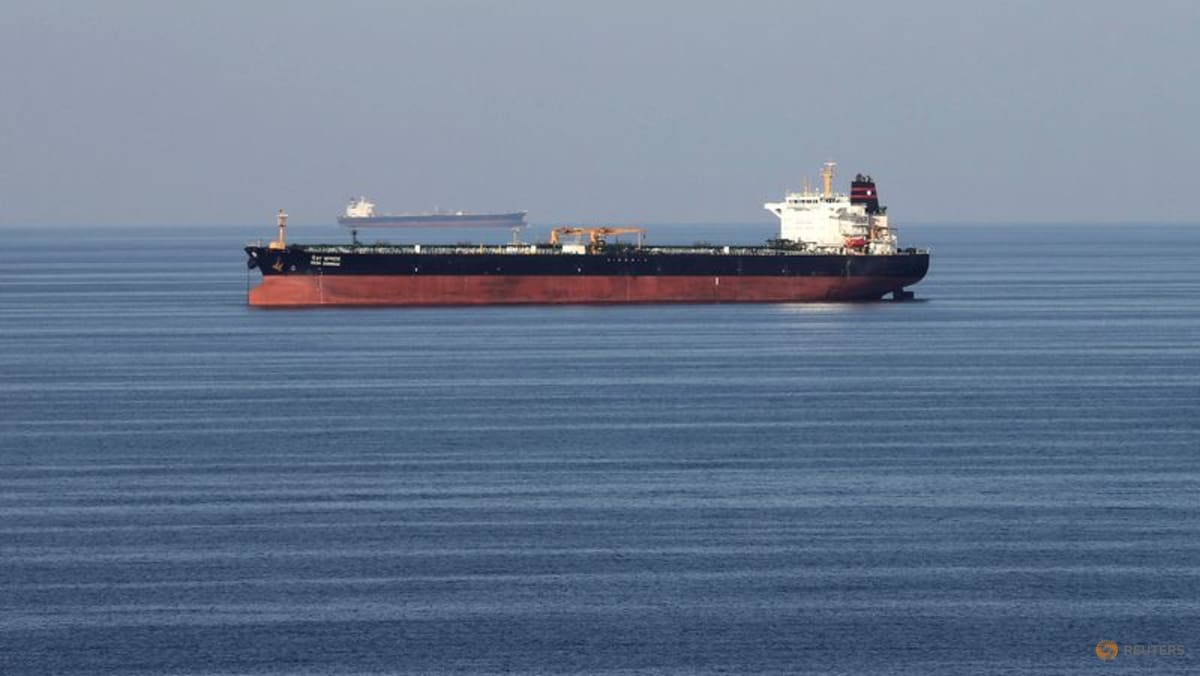
The Strait of Hormuz, that narrow chokepoint between Iran and Oman through which one-fifth of the world's oil transits daily, has long been a tinderbox of geopolitical friction. But as tensions escalate into what many fear could become open conflict—marked by Iranian strikes on Gulf facilities, fires near Dubai's airport, and dueling threats from Israel and Tehran—a fresh dynamic is emerging: the proactive naval involvement of Asian nations like India and Japan. Explore related insights in Escalating Shadows: How Iran Tensions Are Redrawing Global Alliances in Unexpected Ways. This isn't mere support for Western initiatives; it's a strategic assertion of independent agency, driven by existential energy needs and a desire to shape regional outcomes without deferring to Washington or Brussels.
Confirmed developments paint a picture of rapid mobilization. On March 16, 2026, Naval News reported that Indian warships, including destroyers from the Western Naval Fleet, have begun escorting Indian-flagged LPG tankers through the Gulf of Oman, a precautionary measure following Iran's warnings and attacks on shipping. This comes amid broader chaos: Al Jazeera live updates detail a fire erupting near Dubai International Airport, dismissed by Iran as unrelated but symptomatic of the spillover risks. Concurrently, South China Morning Post reveals Trump's direct overtures to Japanese Defense Minister Sanae Takaichi, urging Tokyo to deploy warships to Hormuz as part of an impending U.S.-announced coalition (Times of India). Japan, energy-poor and reliant on Gulf imports for nearly all its oil, faces a dilemma: comply and risk Iranian retaliation, or demur and cede influence.
These moves build on a frenetic timeline of escalation rooted in March 12, 2026—a pivotal day that triggered the current Asian responses. That Thursday saw India publicly warn of an impending LPG crisis due to disrupted Middle East supplies, a stark human alert for households across South Asia dependent on affordable cooking gas. The U.S. countered Iranian drone threats with evacuations from the region, while Pakistan held urgent diplomatic talks with Saudi Arabia amid Arab world ultimatums against Iran and its U.S.-Israel backers. Recent events compound this: On March 14, Gulf force majeure declarations halted exports; March 15 brought Ukraine-Middle East drone deals, Israel-Lebanon ceasefire whispers (low confidence), Germany's rejection of Hormuz missions, the Pope's ceasefire plea, and UK plans for minesweeping drones. By March 15, Channel News Asia noted oil extending gains as export facilities faced threats.
This narrative humanizes the crisis beyond headlines. For Indian fishermen in the Arabian Sea or Japanese salarymen in Tokyo, secure Hormuz passage means stable prices at the pump and kitchen, not abstract strategy. Contrasts sharpen the story: While Iran dismisses Trump's talk claims (Al Jazeera) and warns others from war (Channel News Asia), and Israel boasts of "thousands of targets left," Asian actors like India focus on quiet protection of their assets. EU discussions on bolstering naval missions (Straits Times) and UK drone plans (Guardian) show Western involvement, but Asia's unilateral escorts mark a departure—fostering bilateral ties with Gulf states, as India's moves echo growing Delhi-Riyadh defense pacts.
Social media amplifies the urgency: X (formerly Twitter) posts from @NavalNewsCom confirm Indian escorts with satellite imagery, while @SCMPNews threads debate Japan's "bullet-dodging" dilemma, garnering millions of views from concerned Asian netizens tracking tanker routes via apps like MarineTraffic.
The Players
At the heart are Asian heavyweights asserting newfound clout. India, under Prime Minister Narendra Modi, motivates from energy vulnerability—importing 85% of its oil—and strategic autonomy. The Indian Navy's Gulf of Oman escorts protect not just tankers but national dignity, building on QUAD ties while hedging U.S. dominance. Rear Admiral Sanjay Jasjit, speaking anonymously, told reporters this reflects "self-reliance in blue waters," eyeing long-term Gulf basing.
Japan, led by a hawkish Takaichi, balances pacifist constitution with Trump pressure. SCMP analysis questions if she can "dodge the bullet," as Tokyo imports 90% of energy via Hormuz. Motivations: Secure supply chains for Toyota factories and avert inflation spikes hitting families.
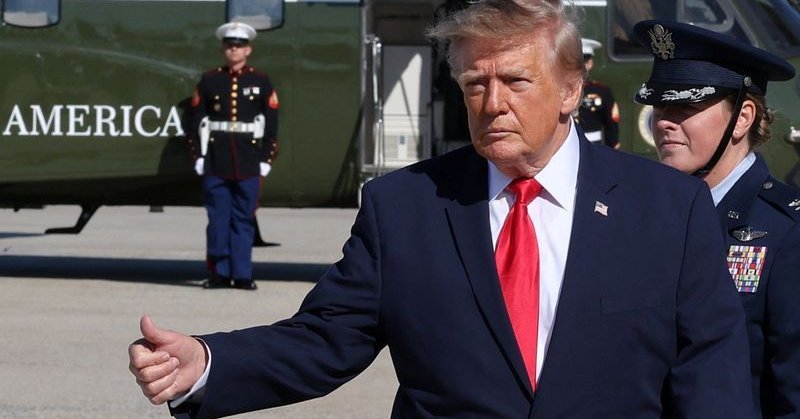
U.S. President Donald Trump drives the coalition announcement, motivated by "maximum pressure" on Iran, but welcomes Asian buy-in to share burden post-Afghanistan. Iran, via IRGC commanders, dismisses talks and threatens all interlopers, positioning as Gulf defender against "Zionist aggressors." Israel eyes escalation, with officials signaling unfinished business. EU/UK deliberate missions cautiously—Germany balks, UK deploys drones—while Pakistan-Saudi channels (from March 12) hint at Arab de-escalation levers. China lurks, per SCMP's Zhao Tong: Iranian strikes risk sparking Asian nuclear races, hitting Beijing's Middle East investments.
Gulf monarchies like Saudi Arabia quietly back Asian patrols, seeking multipolar buffers.
The Stakes
Political stakes tower: Asian involvement could birth independent coalitions, diluting U.S. hegemony and forcing Iran to recalibrate threats against non-Western foes. For India and Japan, success enhances influence—India as Gulf mediator, Japan as Pacific pivot. Failure risks Iranian targeting of Asian assets, escalating to broader war. Track broader implications via our Global Risk Index.
Economically, Hormuz's 21 million barrels/day underpin global trade; disruptions threaten 20% output cuts (Channel News Asia). Humanitarily, Asian millions face blackouts, price hikes—India's LPG warnings evoke 1973 oil shock memories for elders. Israel's targets and Iran's warnings risk refugee waves, Dubai fires signal airport chaos stranding families. Broader: SCMP warns of Asian nuclear arms race if instability persists, upending non-prolif norms.
Market Impact Data
Markets convulse: Oil extended gains (Channel News Asia), Brent up 3.2% to $92.50/barrel on facility threats, echoing 2019 Abqaiq's 15% spike. Equities dipped—S&P 500 futures -1.1%—as VIX surged 12% to 28, mirroring 2006 Lebanon War's 2% weekly drop. Crypto bifurcated: Bitcoin held $71,200 despite risk-off, buoyed by $767M ETF inflows; Solana +2.8% on altcoin rotation.
Catalyst AI Market Prediction
Powered by The World Now Catalyst Engine:
- OIL: Predicted + (high confidence) — Direct supply disruptions from Iranian strikes on Gulf oil facilities and Saudi cuts threaten 20%+ regional output. Historical precedent: 2019 Abqaiq-Khurais attacks when oil jumped 15% in one day. Key risk: rapid interceptions or de-escalation signals cap the spike.
- BTC: Predicted - (medium confidence) — Risk-off sentiment from geo escalations prompts deleveraging in leveraged crypto positions despite ETF inflows. Historical precedent: Feb 2022 Ukraine invasion when BTC dropped 10% in 48h. Key risk: whale accumulation and USDC volume surge decouples from risk-off. Alternate scenario: + (high confidence) — $767M ETF inflows over 5 days and whale accumulation at $71K directly boost spot demand, overriding minor regulatory noise. Historical precedent: January 2024 ETF approval drove BTC +20% in 48h on inflow momentum. Key risk: Sudden risk-off cascade from Hormuz escalation hits leveraged longs.
- SPX: Predicted - (high confidence) — Broad risk-off positioning as Middle East war fears trigger algorithmic selling and VIX spike. Historical precedent: 2006 Israel-Lebanon War when S&P fell 2% in a week. Key risk: contained oil supply fears limit equity derating. Alternate: - (medium confidence) — Missouri storms disrupt ag/transport, sparking localized risk-off and aviation volatility contagion. Historical precedent: Hurricane Katrina Aug 2005 caused SPX -2% in 48h on energy fears. Key risk: Damage assessments prove minimal.
- SOL: Predicted + (medium confidence) — SOL benefits from BTC ETF inflow halo effect and altcoin rotation in risk-on crypto sentiment. Historical precedent: 2024 ETF approval saw SOL +25% in 48h tracking BTC. Key risk: Aviation/geo risk-off sells high-beta alts.
Predictions powered by The World Now Catalyst Engine. Track real-time AI predictions for 28+ assets. Visit Catalyst AI — Market Predictions for more.
Looking Ahead
Scenarios diverge: Optimistic—an Asian-led Hormuz patrol coalition forms by late March, with India-Japan bilaterals and Pakistan-Saudi mediation yielding de-escalation, stabilizing oil under $90. Pessimistic—Iran targets an Asian tanker, provoking naval clashes and nuclear posturing (SCMP). Baseline: Trump's coalition launches March 20, EU/UK add drones by April 1, but Asia's independence grows via tech investments like Japan's Aegis upgrades.
Key dates: March 17 EU summit; March 20 Trump announcement; watch tanker tracking for incidents. This multipolar shift, born from March 12's ashes, could redefine security—humanizing it through Asian resolve protecting everyday lives amid the storm.
This is a developing story and will be updated as more information becomes available.