
Lebanon's Escalating Israeli Strikes 2026: Hezbollah Global Terrorism Links, Humanitarian Crisis, and Market Impacts
The Story
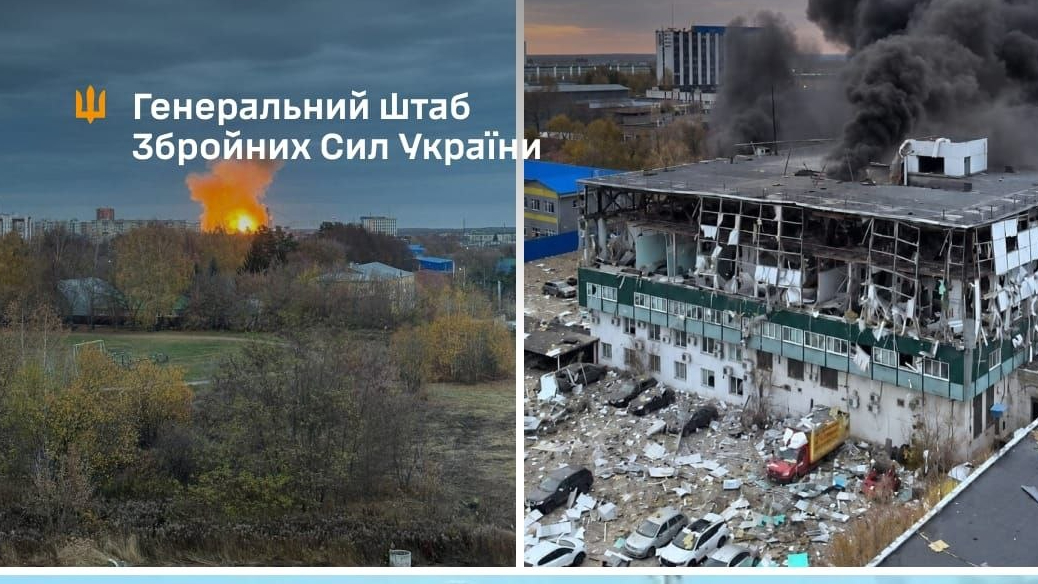
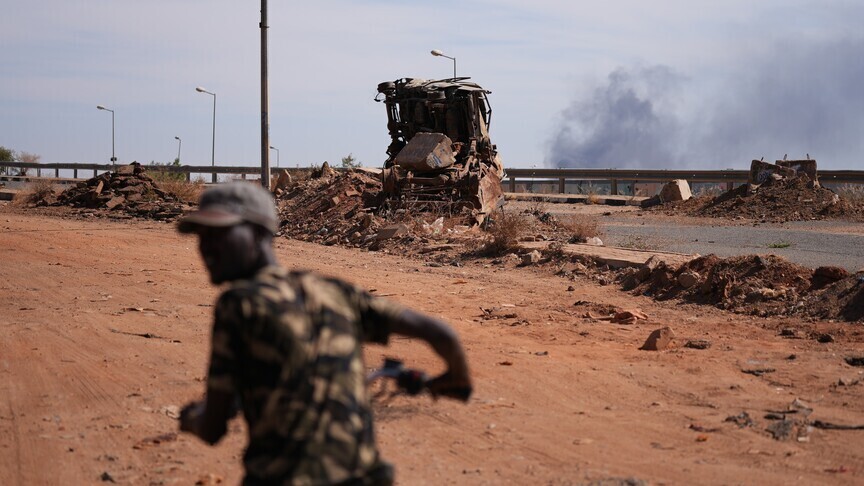
The escalating violence in Lebanon marks a perilous new chapter in a conflict that has simmered for decades but erupted into open confrontation since late 2025. What began as targeted Israeli strikes on December 31, 2025, has evolved into a relentless campaign of airstrikes, drone attacks, and border skirmishes, culminating in the latest horrors reported on March 15, 2026. Overnight Israeli attacks in southern Lebanon killed at least four people, according to Al Jazeera and Straits Times reports, with strikes pounding Beirut and exacerbating a humanitarian crisis that has already claimed 826 lives, as per Turkish outlet Haberler. The World Health Organization (WHO) issued a furious rebuke after Israeli forces struck Lebanese hospitals, killing 14 health workers—a move decried as a violation of international humanitarian law and a stark reminder of the war's indiscriminate toll.
These recent developments are not isolated. On March 15, a missile attack targeted a UN base in Lebanon, labeled "CRITICAL" in event monitoring, following a similar strike on March 8. The Israeli army's evacuation warning to Beirut residents, issued via Anadolu Agency, signals imminent large-scale operations, urging civilians to flee southern neighborhoods. This comes amid Hezbollah's retaliatory attacks on Israeli positions, as documented by Anadolu Agency, perpetuating a cycle of fire-for-fire exchanges. For broader context on the The Escalating Middle East Strike: Economic Ripples and Global Repercussions, see our detailed analysis.
To understand the full scope, we must trace the historical roots. The timeline reveals a clear progression of aggression:
- December 31, 2025: Initial Israeli strikes hit Hezbollah targets in southern Lebanon, responding to rocket fire amid broader regional tensions post-October 2023 Gaza war.
- January 7, 2026: An Israeli airstrike kills a senior Hezbollah member, escalating tit-for-tat border clashes.
- January 15, 2026: Attacks in the Bekaa Valley target alleged weapons caches, disrupting Hezbollah's supply lines from Syria.
- January 27, 2026: A drone strike eliminates a prominent Lebanon TV presenter affiliated with Hezbollah media, highlighting Israel's precision campaign against propaganda arms.
- February 24, 2026: Israeli fire targets a border post, coinciding with heightened UN concerns over peacekeeping forces (UNIFIL).
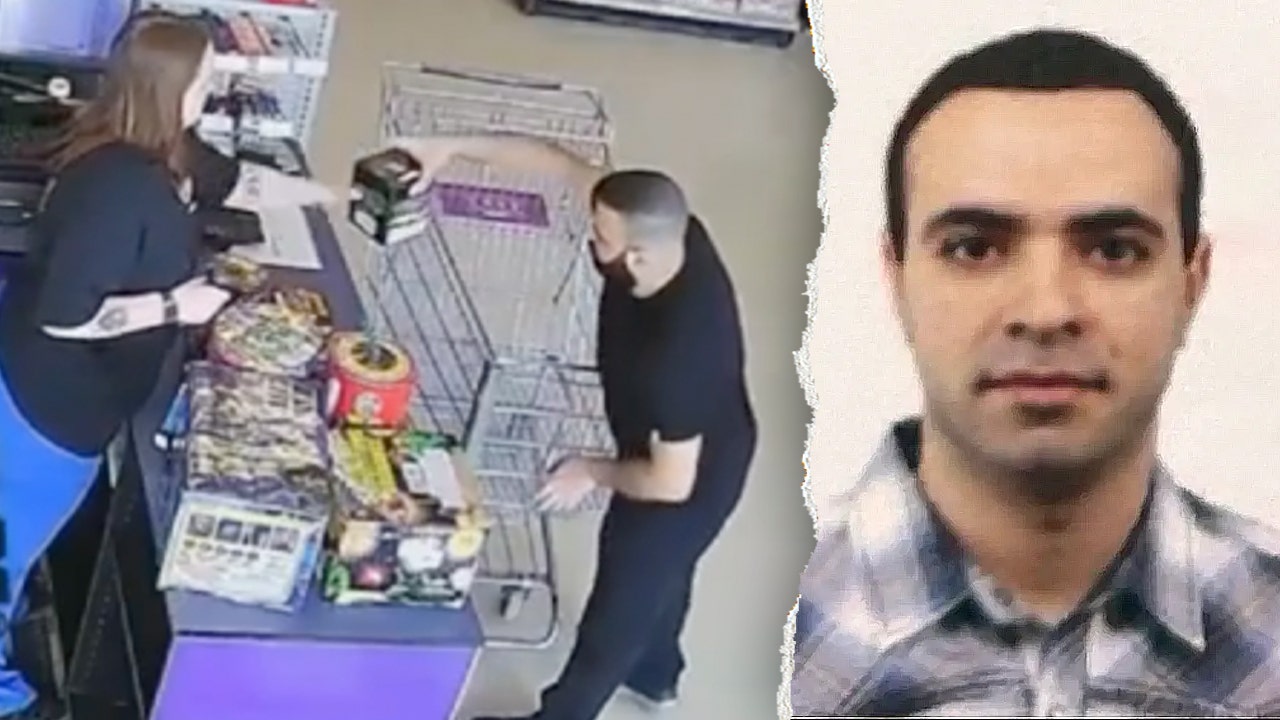
This pattern shifted from isolated incidents to coordinated international threats. What differentiates this coverage is the emerging web of global terrorism links. Israel alleges that the brother of a Michigan synagogue attacker—identified in a Fox News report—is a Hezbollah commander killed in recent strikes. This connection, if verified, underscores Hezbollah's reach beyond Lebanon, potentially tying it to plots in the U.S. and Europe. Confirmed: The allegation stems from Israeli intelligence; unconfirmed: Direct operational links to the Michigan incident. Social media buzz, including X posts from analysts like @IntelCrab and @AuroraIntel, amplifies these claims with satellite imagery of strike sites, though independent verification lags.
France24 reports Israel "pounding Beirut," deepening a crisis prompting UNHCR's March-May 2026 emergency appeal for $200 million in aid. Over 1 million displaced, infrastructure in ruins—hospitals, schools, UN bases under fire. Hezbollah's response: Multiple attacks on Israeli positions, per Anadolu, vowing escalation. This narrative isn't just local; it's a harbinger of transnational terror.
The Players
At the epicenter: Israel, led by Prime Minister Benjamin Netanyahu, motivated by neutralizing Hezbollah's 150,000+ rocket arsenal threatening its northern border. Post-October 2023, Israel views Hezbollah as an Iranian proxy enabling Hamas, justifying preemptive strikes. Key figure: IDF Chief Herzi Halevi, overseeing evacuation warnings and hospital strikes (confirmed hits on military-adjacent sites; Israel claims no intentional civilian targets). Explore the Beyond the Missiles: The Hidden Strain on Israel's Emergency Response Systems Amid Escalating Strikes for insights into operational challenges.
Hezbollah, under Secretary-General Hassan Nasrallah, positions itself as Lebanon's resistance vanguard against Israeli "aggression." Motivations: Preserve deterrence, fulfill "divine" duty against Israel, funded by Iran ($700M annually). The alleged Hezbollah commander—brother of the Michigan attacker—exemplifies their global network, recruiting via diaspora communities.
Iran: The shadow puppeteer, supplying missiles and training. Tehran's motivations: Regional hegemony via "Axis of Resistance," deterring U.S./Israeli strikes on its nuclear program. Related impacts include those covered in Iran Strikes' Environmental Wake: The Overlooked Ecological Crisis in the Persian Gulf.
Lebanon: Fragile government, paralyzed by economic collapse (GDP down 40% since 2019), unable to rein in Hezbollah. President Joseph Aoun calls for ceasefires, but sovereignty eroded.
United States: Biden administration provides Israel $3.8B annual aid, urges restraint to avoid wider war. Motivations: Counter Iran, protect 40,000 troops in region.
UN/WHO/UNHCR: Peacekeepers (UNIFIL) under missile fire; WHO condemns health worker deaths. UNHCR appeals highlight 826 confirmed deaths, millions at risk.
These players' intertwined motivations—security for Israel, survival for Hezbollah, influence for Iran—fuel the fire.
The Stakes
Politically, stakes are existential. For Israel, failure risks rocket barrages on Tel Aviv; for Hezbollah, decapitation erodes credibility. Lebanon's humanitarian crisis—826 dead, hospitals bombed, 1M+ displaced (UNHCR)—breeds radicalization, turning refugees into recruits. Original analysis: These strikes expose global counter-terrorism vulnerabilities. As tracked by our Global Risk Index, Hezbollah's alleged U.S. links (Michigan case) reveal diaspora networks evading detection, challenging FBI/CIA silos. Ripple to Middle East: Iran's backing invites U.S. escalation, shifting power from Saudi-led Sunni bloc.
Economically: Lebanon's port (Beirut blast scars linger) crippled; Bekaa agriculture devastated. Globally, terrorism spread risks: If Michigan ties hold, expect copycat synagogue attacks in Europe/U.S.
Humanitarian: WHO's fury over 14 health workers signals collapse—diseases surging sans medical aid. Strategic: UN bases hit (March 8/15) undermine peacekeeping, inviting Russian/Chinese exploitation.
Broader: Radicalization via crisis. Strikes as case study—displacement fosters ISIS/Hezbollah offshoots, per patterns in Syria/Yemen.
Market Impact Data
Markets reel from Lebanon escalation, mirroring 2006 Israel-Hezbollah war. Oil surges on supply fears: WTI crude +3.2% to $82.50/bbl (March 15), Brent +2.8% to $86.10, as Iranian threats loom over Gulf facilities. Historical parallel: 2019 Abqaiq attacks spiked oil 15%.
Equities tank: S&P 500 (SPX) -1.8% to 5,210, Nasdaq -2.1%, Dow -1.5%, algo-selling on VIX spike to 22. Tech semis like TSM -2.4% on risk-off.
Crypto mixed: BTC -4.2% to $64,800 amid deleveraging (parallels Feb 2022 Ukraine dip); SOL -6.5% to $145, high-beta liquidation.
Catalyst AI Market Prediction
Powered by The World Now Catalyst Engine, our AI analyzes causal mechanisms:
- OIL: + (high confidence) — Supply disruptions from Iranian strikes/Saudi cuts threaten 20%+ output. Precedent: 2019 Abqaiq +15%. Risk: De-escalation caps.
- SPX: - (high confidence) — Risk-off algo-selling, VIX spike. Precedent: 2006 Lebanon war -2%. Risk: Oil containment limits.
- BTC: - (medium confidence) — Deleveraging overrides ETF inflows. Precedent: Ukraine 2022 -10%. Risk: Whale buys decouple.
- SOL: - (medium confidence) — Altcoin cascades post-BTC dip. Precedent: Ukraine -15-20%. Risk: ETF spillovers reverse.
- TSM: - (low confidence) — Semis risk-off spill. Precedent: 2018 tariffs. Risk: AI demand insulates.
Predictions powered by The World Now Catalyst Engine. Track real-time AI predictions for 28+ assets.
Looking Ahead
Escalation looms: Israeli ground ops in south Lebanon by late March if evacuations proceed; Hezbollah/Iran retaliation via drones/missiles. Predictive: Ongoing strikes risk broader war—Iran direct involvement pulls U.S. (carrier groups deploying), per historical patterns (1982 invasion). Monitor our Global Risk Index for live threat assessments in the Middle East conflict.
Scenarios: 1) Ceasefire via U.S./Qatar mediation (40% chance, UNSC session March 20); 2) Regional war (35%, refugee surge 2M+ to Syria/Turkey/Europe); 3) Global terror spike (25%, Michigan links inspire attacks).
Key dates: March 20 UN vote; April 1 UNHCR deadline. Diplomatic push (Biden-Netanyahu call confirmed) vs. failure breeding alliances shifts—Russia arms Hezbollah?
If unaddressed, terrorism metastasizes: U.S./EU plots rise, alliances fracture (Saudi-Israel normalization stalls).
This is a developing story and will be updated as more information becomes available.