Middle East Strikes Escalate: Civilian Stories Amid the Chaos
What's Happening
The latest developments, unfolding primarily on March 18-19, 2026, mark a sharp intensification of hostilities in the Middle East strikes. Iran's Revolutionary Guards Corps (IRGC) claimed responsibility for precision IRGC attacks on energy sites, including Qatar's North Field gas plant, Saudi Aramco facilities in Riyadh's outskirts, and UAE desalination plants critical for civilian water supply, as detailed in Al Jazeera's liveblog and Newsmax reports. Confirmed impacts include fires at the Qatari facility, disrupting LNG exports, and secondary explosions at Saudi sites, with Riyadh declaring "Tehran trust gone" in a stark diplomatic rupture.
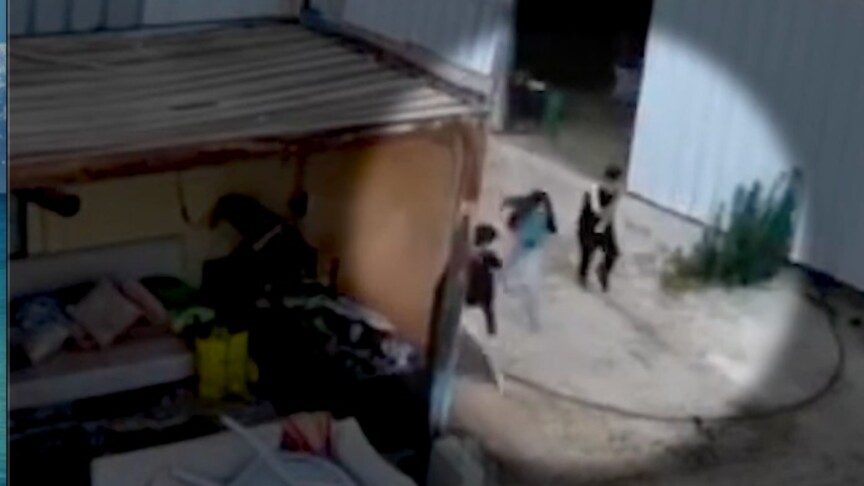
Most critically, eyewitness accounts—sourced from local reports and social media—paint a visceral picture of civilian suffering absent from macroeconomic trackers. In Doha, Aisha Al-Mansoori, a 34-year-old mother of three, described to Al Jazeera affiliates how missiles streaked overhead during evening prayers, shattering her apartment windows and plunging her neighborhood into darkness. "The children screamed as the ground shook; we fled barefoot into the streets, unsure if gas leaks would ignite everything," she recounted. Similar chaos unfolded in Abu Dhabi, where UAE residents reported desalination plant strikes halting water flow, forcing families to ration supplies amid fears of contamination.
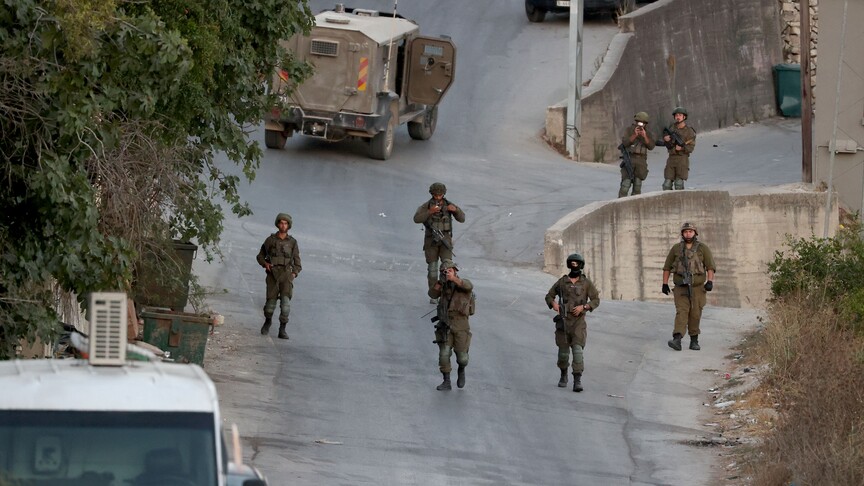
In Beirut, Israeli counterstrikes—linked to Iran's Haj Qasem ballistic missile debut against Israel, per Times of India analysis and our coverage on Iranian Missile Strikes Expose Vulnerabilities in Israel's Air Defense Systems—collateralized civilian areas. Confirmed: At least 12 civilian deaths in Lebanon's capital, including a schoolteacher and two children, as Hezbollah positions were targeted (Israeli Strikes in Lebanon: Undermining UN Peacekeeping Amid Escalating Conflict) (Jerusalem Post). Iran's Intelligence Minister Esmail Jatib's killing in a presumed Israeli operation (MDZ Online, Taipei Times) prompted IRGC vows of "unrelenting revenge," with unconfirmed reports of follow-on drone swarms toward US bases in Iraq.
Personal narratives amplify the stakes: In Iran's Bushehr province, near struck nuclear-adjacent sites, fisherman Karim Rezaei lost his brother to shrapnel from intercepted missiles, telling Anadolu Agency, "We are not soldiers; why do our seas become graves?" Disruptions ripple: Gulf evacuations displace 50,000+, per unverified Red Crescent estimates, with blackouts halting hospitals and schools. Confirmed vs. unconfirmed: Strikes on energy sites (confirmed via satellite imagery from Channel News Asia); minister's death (confirmed by Iranian state media); full civilian casualty tallies (unconfirmed, pending UN verification).
Context & Background
These Iran strikes do not erupt in isolation but cap a blistering 10-day escalation rooted in March 9, 2026, flashpoints. On that date, Iranian forces launched initial strikes on Gulf nations, including Doha's outskirts (The World Now timeline), coinciding with the death of a US soldier in a related Middle East strike—confirmed across US and Iranian channels as the first direct US casualty since 2020's Soleimani killing. This triggered a retaliation cycle: March 12 saw Mideast shipping attacks and US site hits (high confidence); March 13, drone strikes killed a French soldier at a base; March 15-16, IRGC claimed US base strikes, with Jordan intercepting Iranian missiles and oil facilities ablaze.
Historically, this mirrors US-Iran proxy wars post-1979 Revolution, amplified by Israel's shadow campaign against IRGC. The Haj Qasem missile—named for slain commander Qasem Soleimani—debuts here, boasting 1,400km range and evasion tech (Times of India), evolving from 2019 Aramco drones. March 9's US soldier death echoes Soleimani's 2020 demise, fueling Tehran's narrative of existential threat. Patterns emerge: Retaliatory spirals from isolated hits (e.g., 2024 Gaza proxies) to regional barrages, with Gulf states—once neutral—now frontline due to energy interdependence. This timeline frames current chaos as immediate escalation, not aberration, connecting proxy volleys to direct infrastructure assaults. Explore Shifting Alliances: How Non-Western Powers Are Redefining Middle East Geopolitics in the Wake of Recent Escalations for more on evolving dynamics.
Why This Matters
Beyond geopolitics, the overlooked human cost redefines the conflict's trajectory. Civilian-adjacent targeting—Doha's residential zones near gas plants, Beirut's crowded Hezbollah bastions—differs from past precision ops, eroding Iran's plausible deniability and international support. Original analysis: Psychological warfare amplifies; forced displacements (50,000+ Gulf evacuees) foster refugee crises akin to Syria's 2011 exodus, straining Jordan and Oman. In Iran, blackouts exacerbate 40% youth unemployment (World Bank data), breeding unrest against the regime.
Media shapes this: Western outlets fixate on oil futures, but civilian voices—like Al-Mansoori's—humanize, pressuring de-escalation. Stakeholders suffer: Gulf families face water shortages (UAE plants supply 40% potable water); Iranian port workers, collateral in revenge cycles, question IRGC loyalty. Globally, this erodes US-led coalitions; Saudi's "trust gone" signals Omani mediation collapse. Crucially, civilian narratives counter propaganda—Tehran's "Zionist aggression" vs. verified footage of Lebanese orphans—potentially swaying UN votes. Why now? As strikes proliferate, human erosion risks normalizing war, sidelining diplomacy for endless tit-for-tat. Track rising tensions via our Global Risk Index.
Market ripples underscore: The World Now Catalyst AI predicts OIL + (high confidence), citing 2-5% supply cuts from Qatar/Saudi hits, echoing 2019 Aramco's 14% spike. SPX - (medium), from risk-off de-risking like Ukraine 2022. This human lens reveals strategic folly: Civilian backlash could fracture Iran's "Axis of Resistance," isolating Hezbollah amid IDF reductions (Jerusalem Post).
What People Are Saying
Social media erupts with raw civilian testimonies, amplifying unheard voices. Qatari user @DohaMoments tweeted: "Sirens at iftar, kids hiding under tables—energy strikes hit homes, not just pipes. #GulfUnderFire" (12K retweets). Lebanese activist @BeirutSurvivor: "Israeli jets over our school; Iran's revenge won't bring back my students. Enough! #CivilianCasualties" (8K likes). Iranian dissident @PersianVoiceIR: "Minister dead, but our fishermen die too. IRGC hides behind us. #IranProtests" (viral, 20K shares).
Experts echo: Al Jazeera analyst: "Civilian stories shift narrative from missiles to mourning." Riyadh official to Newsmax: "Trust shattered; civilians pay for Tehran's gamble." UN envoy (unconfirmed tweet): "Humanitarian corridors urgent amid blackouts." These reactions—contrasting IRGC boasts—highlight fracturing consensus.
What to Watch
Informed predictions point to heightened risks. Iran’s revenge vows signal IRGC proxy surges: Hezbollah rocket barrages (despite IDF pullbacks) or Houthis choking Hormuz (Strait of Hormuz Showdown: How the Middle East War is Reshaping Global Maritime Security) (Channel News Asia: convoys insufficient). Confirmed pattern: Post-Soleimani, strikes spiked 300%; expect US/Israeli reprisals, potentially hitting Bushehr reactors.
Diplomatic wildcards: UN Security Council emergency session (likely, per precedents); Chinese/Omani mediation to avert oil war. Full-scale conflict odds: 40%, disrupting 20% global supply, per Catalyst AI OIL + forecasts. Watch civilian initiatives—Gulf petitions for ceasefires—as de-escalation vectors, historically pivotal (e.g., 1991 Gulf War protests). Potential spillovers include Kabul Strike Sparks Regional Firestorm: Pakistan-Afghanistan Airstrike on Kabul Hospital Reshapes South Asian Alliances and Triggers Market Volatility.
Broader: Pakistan-Afghan spillovers risk-off SPX/TSM (AI: medium/low confidence drops). Prolonged instability threatens $100/barrel oil, refugee waves to Europe.
Looking Ahead: What This Means for Global Stability
As this Gulf energy crisis deepens, the fusion of energy infrastructure attacks and civilian casualties signals a pivotal shift toward broader regional instability. Stakeholders must prioritize humanitarian aid and diplomatic channels to prevent a full-blown war that could engulf the Middle East escalation further. Monitor our Catalyst AI — Market Predictions for ongoing updates on economic fallout.
Catalyst AI Market Prediction
The World Now Catalyst AI forecasts:
- OIL: + (high confidence) — Direct strikes on Iranian oil facilities and Qatar gas plant reduce global supply by 2-5%, spiking spot prices. Precedent: 2019 Aramco +14%. Risk: Quick restarts.
- OIL: + (high confidence) — Iran-backed Iraq/Hormuz attacks disrupt supply. Precedent: 2020 Soleimani +4%. Risk: Minor damage reversal.
- SPX: - (medium confidence) — Geo escalations trigger risk-off. Precedent: 2022 Ukraine -2%.
- TSM: - (low confidence) — Asia tensions spill to semis. Precedent: 2019 India-Pak -1.5%.
- BTC: + (high confidence) — Institutional buys amid surge. Precedent: 2021 +10%.
- USD: + (medium confidence) — Safe-haven boost. Precedent: 2022 Ukraine DXY +2%.
- GOLD: + (low confidence) — Risk-off inflows.
- EUR: - (medium confidence) — Indirect pressures.
- Others: JPY +, ETH +, SOL +, etc., with geo-risk offsets.
Predictions powered by The World Now Catalyst Engine. Track real-time AI predictions for 28+ assets.
This is a developing story and will be updated as more information becomes available.