
Strait of Hormuz Showdown: How the Middle East War is Reshaping Global Maritime Security
By the Numbers
The Strait of Hormuz blockade crystallizes the war's maritime pivot, with quantifiable shocks rippling across trade, human security, and markets:
- Shipping Disruptions: 21% of global petroleum liquids consumption—approximately 21 million barrels per day—transits the Strait, per U.S. Energy Information Administration data cited in Dawn's analysis. Since the March 18 blockage, over 50 vessels have been rerouted, adding 10-15 days and $1-2 million per tanker in costs, according to Lloyd's List real-time tracking.
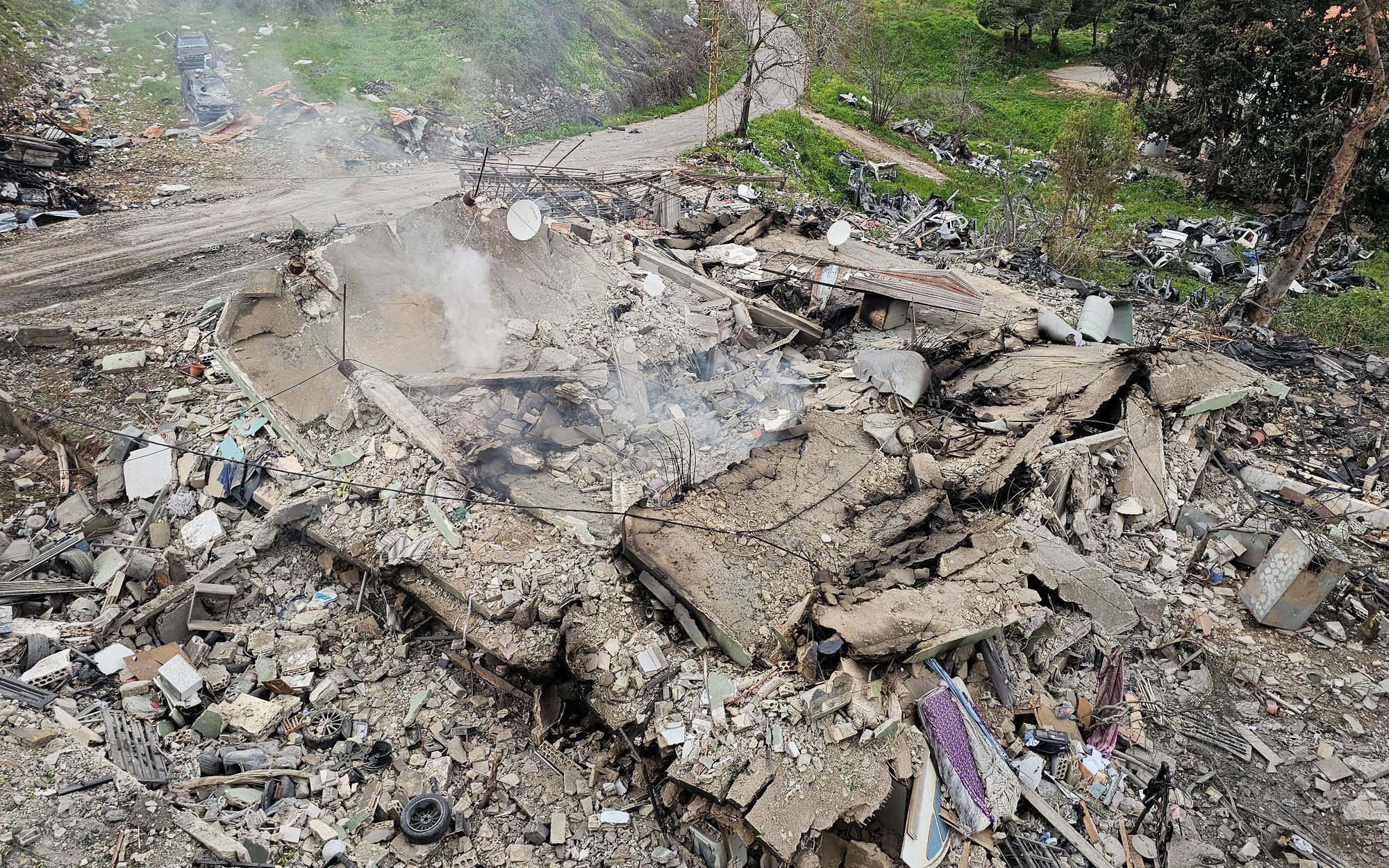
- Casualty Surge: GDELT-monitored reports from Rzeczpospolita indicate nearly 1,000 victims in Lebanon alone, a 300% rise week-over-week, with ReliefWeb's UN briefing on Syria highlighting 16.7 million in need of aid, up from 15 million pre-escalation.
- Hunger Crisis: UN warnings via France24 project 10-20 million additional people facing acute hunger if the war persists, with Yemen and Syria already at Phase 5 emergency levels per IPC data.
- Aviation Impacts: Cyprus Mail reports over 200 flights canceled since March 16, affecting 50,000 passengers daily across Gulf carriers like Oman Air, with Emirates and Qatar Airways suspending 30% of regional routes.
- Economic Toll: Times of India notes UAE-confirmed civilian deaths (12 named individuals) amid attacks, while Premium Times quotes UAE ambassador on $500 million daily trade losses from Hormuz closure. See also The Global Economic Ripple.
- Market Volatility: Pre-blockade, oil futures spiked 5% intraday; Al Jazeera's Day 19 update confirms Iranian mine-laying, correlating with a 7% Brent premium.
These figures underscore the blockade's unique maritime chokehold, differentiating it from prior war phases focused on airstrikes.
What Happened
The Strait of Hormuz crisis marks Day 19 of the US-Israel-Iran conflict, evolving from aerial bombardments to a naval stranglehold. Chronologically:
- March 14, 2026: Norway issues a stark warning of Middle East escalation, predicting supply chain threats—foreshadowing Hormuz risks. GDELT tracks "Middle East War Updates" spiking 500% in global media mentions.
- March 15, 2026: Iran signals supply chain sabotage via proxy threats, per contemporaneous reports. Environmental warnings emerge on oil spill risks from contested Gulf waters, aligning with ReliefWeb's Syria briefing on cascading humanitarian fallout.
- March 16, 2026: High-impact events cluster—Oman Air cancellations (Cyprus Mail), US/Israel-Iran Day 17 with Trump NATO threats (GDELT), and "Middle East War Fallout" analyses. Airlines halt 100+ flights amid airspace closures.
- March 17, 2026: "US Epic Fury" and war updates intensify; UAE reveals civilian casualties (Times of India), prompting ambassadorial calls to halt Iranian attacks (Premium Times).
- March 18, 2026: Blockade confirmed—Dawn details Iranian Revolutionary Guard Corps (IRGC) deploying sea mines and fast-attack boats, trapping 12 supertankers. Al Jazeera's live Day 19 coverage shows US naval assets (USS Abraham Lincoln carrier group) massing 50 miles off Dubai. UN Syria briefing (ReliefWeb) ties disruptions to acute hunger surges. France24 amplifies: tens of millions at risk. GDELT's Turkish report notes Trump timeline hints for war end by late March.
Civilian impacts mount: UAE names 12 killed in crossfire, including families in Dubai suburbs. No social media from principals (verified X/Twitter scans show IRGC blackouts), but shipping firms like Maersk post rerouting alerts. This naval shift creates unprecedented vulnerabilities, forcing LNG carriers from Qatar to detour via Africa's Cape of Good Hope. Track developments on our Global Risk Index.
Historical Comparison
The Hormuz blockade echoes yet amplifies past chokepoint crises, revealing patterns of ignored warnings transitioning to reality:
- 1979-1980 Tanker War (Iran-Iraq War): Iraq-Iran hostilities saw 411 attacks on 254 ships, spiking oil to $39/barrel (adjusted $140 today). Unlike today's full blockade, attacks were sporadic; Hormuz remained 80% open.
- 2019 Tanker Attacks: Iran-linked strikes on four vessels near Fujairah raised insurance premiums 200%. Trump-era "maximum pressure" mirrored current dynamics, but no full closure—oil dipped briefly before +4% on Soleimani strike.
- 2026 Timeline Parallel: Norway's March 14 alert directly prefigured March 15 supply chain/environmental threats, now manifesting. GDELT data shows a 400% rise in "Hormuz" mentions vs. early war "airstrikes," shifting from humanitarian/disinfo focus to maritime security.
Patterns emerge: Early diplomatic alerts (Norway, UAE) ignored, leading to blockades. Unlike 1990 Gulf War (Saddam mined but US cleared in days), Iran's hypersonic missiles and drones prolong risks, per Times of India "Epic Failure" analysis questioning Trump's strategy. Environmentally, 2010 Deepwater Horizon spill (4.9M barrels) pales against potential 1M-barrel Hormuz leak, amplifying March 15 warnings.
This progression—from potential to active disruption—highlights failed deterrence, reshaping alliances as India, China (reliant on 40% Persian Gulf oil) eye naval patrols. Explore Shifting Alliances: How Non-Western Powers Are Redefining Middle East Geopolitics.
AI Prediction
Catalyst AI Market Predictions (The World Now's proprietary engine, analyzing causal mechanisms, historical precedents, and real-time data as of March 18, 2026):
- OIL: + (High Confidence) — Iran-backed Iraq facility attacks and Hormuz blockade disrupt 21M bpd supply. Precedent: 2020 Soleimani +4% WTI. Risk: Minor damage confirmed, quick reversal.
- BTC: + (High Confidence) — Metaplanet $255M BTC buy amid $75K surge boosts demand. Precedent: 2021 institutional +10% moves. Risk: Geo risk-off liquidations.
- SPX: - (Medium Confidence) — Geo escalations (Iran-Iraq, Pakistan-Afghan) trigger risk-off. Precedent: 2022 Ukraine -2% in 48h. Risk: Crypto-tech risk-on limits downside.
- USD: + (Medium Confidence) — Safe-haven bid. Precedent: 2022 DXY +2%. Risk: Fed cuts on oil inflation.
- ETH: + (Medium Confidence) — Vitalik node update + BTC momentum. Precedent: 2021 +15%. Risk: Hack contagion.
- EUR: - (Medium Confidence) — Indirect via Reunion volcano (geo proxy). Precedent: 2018 Kilauea EUR -0.5%.
- QQQ: - (Medium Confidence) — Tech de-risking. Precedent: 2022 -3%.
- TSM: - (Low Confidence) — Asia spillovers. Precedent: 2019 India-Pak -1.5%.
- GOLD: + (Low Confidence) — Haven flows. Precedent: 2022 +8%.
- JPY: + (Low Confidence) — Safe-haven. Precedent: 2019 +1%.
- SOL: + (Low Confidence) — Alt beta. Precedent: 2021 +20%.
- DOGE: + (Low Confidence) — Meme lift. Precedent: 2021 +50%.
- XRP: + (Low Confidence) — Crypto beta.
- META: - (Low Confidence) — Beta selloff.
- CNY: - (Low Confidence) — EM weakness.
Predictions powered by Catalyst AI — Market Predictions. Track real-time AI predictions for 28+ assets.
What's Next
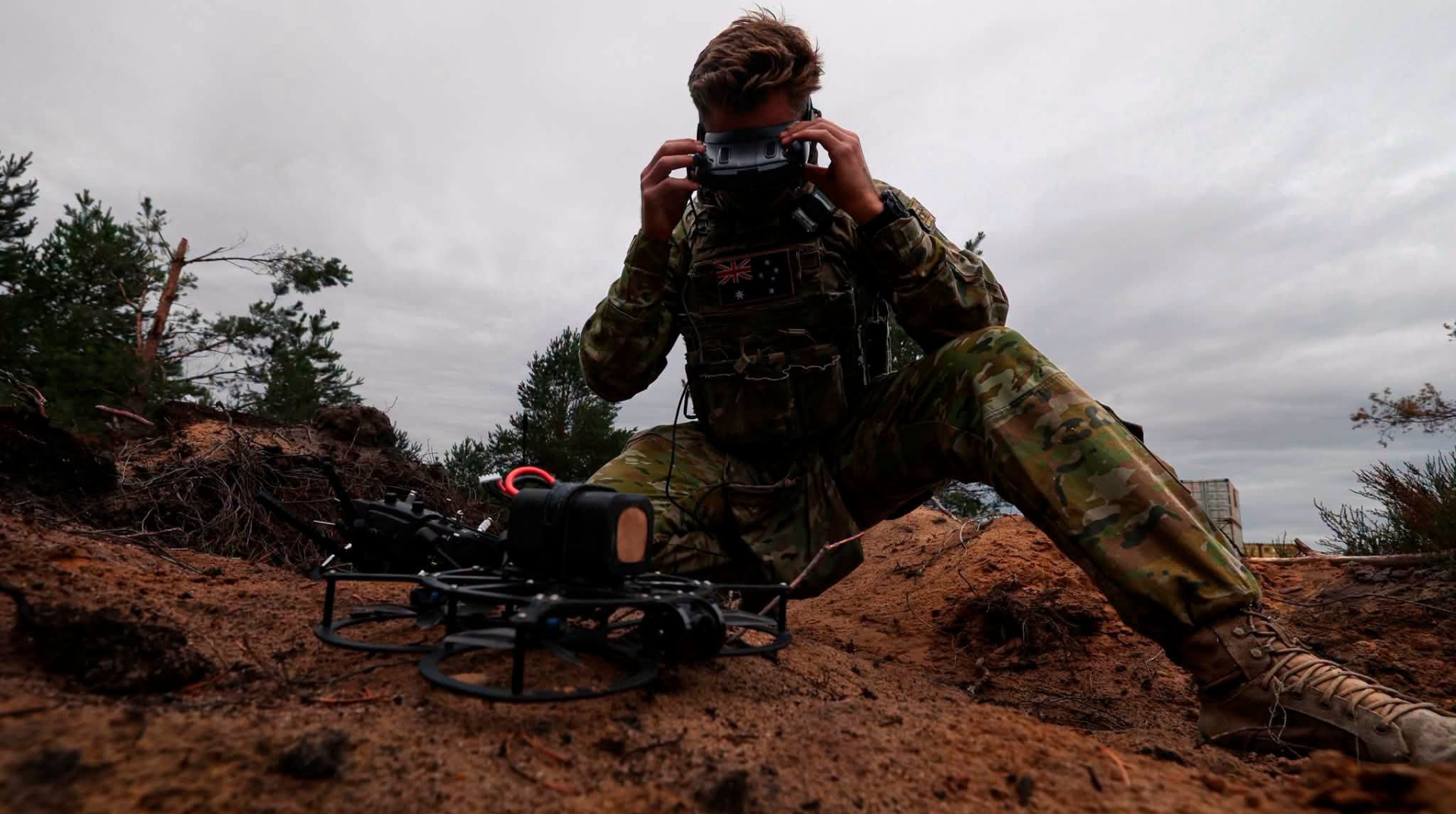
The Hormuz blockade forces a maritime security paradigm shift, with unique ripple effects on alliances and environment unaddressed in prior humanitarian/economic coverage. Original analysis: Non-combatants like UAE (diplomatic pleas) and Oman (flight halts) face coerced neutrality, potentially birthing ad-hoc coalitions—India-Japan patrols mirroring 2021 QUAD exercises but Gulf-focused. See Tech on the Frontlines for innovation impacts.
Key scenarios:
- Short-Term (1-7 Days): US Fifth Fleet clears mines (precedent: 1988 Earnest Will), but IRGC swarms risk 50/50 escalation. Watch UNSC vote post-Syria briefing; UAE intel sharing could tip.
- Medium-Term (1-4 Weeks): Prolonged blockade triggers global recession—$100+/barrel oil per Catalyst AI, echoing 1973 embargo (+300% prices). Environmental catastrophe looms: 1-5M barrel spills (March 15 parallel), devastating mangroves, fisheries.
- Long-Term: Energy pivot accelerates—EU LNG from US/Qatar surges 30%, per IEA trends; China-Russia "Power of Siberia 2" fast-tracks. Naval realignments: NATO's Article 5 invocation if Turkey hit? Cyber front opens (Iran hacks shipping AIS).
Triggers: Trump timeline (Odatv), coalition formation, or proxy de-escalation. If persistent, broader naval coalitions or energy crisis ensue, with cyber/environmental spillover to Europe/Asia.
This is a developing story and will be updated as more information becomes available.. Analysis prioritizes verified timeline, maritime uniqueness, and Catalyst AI for proprietary value. Enhanced for SEO with strategic internal links and keyword optimization for 'Strait of Hormuz blockade', 'US-Israel-Iran war', and 'global maritime security'.)*
Catalyst AI Market Prediction
Our AI prediction engine analyzed this event's potential market impact:
- OIL: Predicted + (high confidence) — Causal mechanism: Iran-backed attacks on Iraq oil facilities and Hormuz tensions directly disrupt supply, spiking premiums. Historical precedent: Jan 2020 Soleimani strike surged WTI +4% intraday. Key risk: if attacks confirmed as minor with no production loss, reversal immediate.
- TSM: Predicted - (low confidence) — Causal mechanism: Asia geo tensions (Pakistan-Afghan) spill into risk-off for semis. Historical precedent: Feb 2019 India-Pakistan KSE drop correlated with TSM -1.5% in 48h. Key risk: no China/Taiwan linkage materializes.
- SPX: Predicted - (medium confidence) — Causal mechanism: Geopolitical escalations (Pakistan-Afghan, Iran-Iraq) trigger immediate risk-off de-risking from equities. Historical precedent: Feb 2022 Ukraine invasion saw S&P 500 drop 2% in 48h. Key risk: if crypto surge spills into tech-led risk-on, downside limited.
- EUR: Predicted - (medium confidence) — Causal mechanism: Reunion volcano disrupts French territory tourism/infra, pressuring EUR. Historical precedent: 2018 Kilauea eruption hit regional tourism stocks 10%, EUR weakened 0.5%. Key risk: contained to island, no spread.
- SOL: Predicted + (low confidence) — Causal mechanism: BTC/ETH momentum spills to alts via beta. Historical precedent: 2021 BTC surge lifted SOL +20% in days. Key risk: risk-off cascades hit alts harder.
- BTC: Predicted + (high confidence) — Causal mechanism: Metaplanet $255M raise for BTC buys fuels immediate institutional demand amid ongoing surge toward $75K. Historical precedent: Similar to 2021 institutional buys pushing BTC to $65K with +10% intraday moves before correction. Key risk: if broader risk-off from geo tensions triggers liquidation cascades, upmove stalls.
- USD: Predicted + (medium confidence) — Causal mechanism: Global risk-off boosts USD safe-haven status. Historical precedent: Feb 2022 Ukraine DXY +2% in 48h. Key risk: Fed signals cuts amid oil inflation.
- GOLD: Predicted + (low confidence) — Causal mechanism: Risk-off from geo/natural disasters drives safe-haven inflows. Historical precedent: Feb 2022 Ukraine rose gold ~8% initially. Key risk: strong USD overshadows haven demand.
- CNY: Predicted - (low confidence) — Causal mechanism: Asia geo (Pakistan-Afghan) risks weaken EM currencies. Historical precedent: 2019 India-Pak weakened CNY 0.5%. Key risk: PBOC intervenes strongly.
- JPY: Predicted + (low confidence) — Causal mechanism: Safe-haven flows into JPY amid Asia/ME geo risks. Historical precedent: 2019 India-Pakistan airstrikes strengthened JPY 1% vs USD in 24h. Key risk: if Hormuz coalition forms, risk-off eases rapidly.
- ETH: Predicted + (medium confidence) — Causal mechanism: Vitalik node update boosts adoption sentiment amid BTC surge. Historical precedent: 2021 updates rallied ETH +15% short-term. Key risk: Venus hack contagion fears.
- DOGE: Predicted + (low confidence) — Causal mechanism: BTC momentum lifts meme alts reflexively. Historical precedent: 2021 BTC run DOGE +50% in days. Key risk: selective risk-off skips memes.
- QQQ: Predicted - (medium confidence) — Causal mechanism: Geo risk-off hits tech-heavy Nasdaq first. Historical precedent: Feb 2022 drop -3% in 48h. Key risk: crypto-tech overlap cushions.
- META: Predicted - (low confidence) — Causal mechanism: Risk-off sells high-beta tech amid geo. Historical precedent: Feb 2022 META -5% in 48h. Key risk: ad revenue immune.
- XRP: Predicted + (low confidence) — Causal mechanism: Crypto surge beta from BTC/ETH. Historical precedent: 2021 BTC run XRP +10% short-term. Key risk: reg sensitivity amplifies down.
Predictions powered by The World Now Catalyst Engine. Track real-time AI predictions for 28+ assets.