
Ukraine conflict sees 920 Russian soldiers lost amid ceasefire accusations
In the ongoing Ukraine conflict, Russia and Ukraine are accusing each other of violating a US-backed ceasefire on its second day, raising concerns about the fragility of the agreement.[2] Ukrainian sources report that Russia lost 920 soldiers killed and wounded over the past day,[1] while no large-scale Russian attacks were recorded on May 10.[3] Ukrainian President Volodymyr Zelenskyy has stated that Russian forces are not observing the ceasefire and that Ukraine is responding accordingly.[3] The ceasefire, mediated by the United States, is under serious strain amid these mutual accusations of attacks.[2]
Current Ceasefire Situation
The US-backed ceasefire between Russia and Ukraine, which entered its second day on May 10, is facing significant challenges as both parties trade accusations of violations.[2] According to reports, the agreement appeared under serious strain on Sunday, with Ukraine and Russia each claiming the other side carried out attacks over the weekend that breached the terms of the deal.[2] This mutual finger-pointing underscores the difficulties in implementing and maintaining the truce, particularly in an environment marked by ongoing military tensions.[2]
Details from the situation reveal that the ceasefire, mediated by the US, was intended to provide a pause in hostilities, yet reports indicate that attacks continued, leading to claims from both sides.[2] On the Ukrainian side, President Zelenskyy has noted that while no large-scale Russian attacks occurred on May 10 specifically, Russian forces are not adhering to the ceasefire on the battlefield.[3] This observation aligns with the broader picture of strain, where weekend activities have prompted accusations that undermine the agreement's effectiveness.[2] The timing—merely the second day—highlights how quickly the mediated effort has encountered obstacles, with both nations asserting violations through specific incidents of military action.[2]
Further context on the ceasefire's status shows that the US mediation aimed to foster de-escalation, but the reported attacks suggest that operational realities on the ground are complicating compliance.[2] Ukraine's perspective emphasizes Russian non-observance, while Russia's counter-accusations indicate a similar narrative from Moscow, creating a cycle of blame that threatens the ceasefire's viability.[2][3] As of the latest updates, no resolution to these claims has been announced, leaving the situation precarious and the truce's future uncertain.[2]
Russian Military Losses
Ukraine's General Staff has provided updated data indicating substantial Russian casualties amid the Ukraine conflict, reporting that Russia lost 920 soldiers killed and wounded over the past day.[1] This figure, released by Ukrainian military sources, reflects the intensity of engagements during this period, coinciding with the early days of the US-backed ceasefire.[1]
The reported losses of 920 personnel—encompassing both those killed and wounded—offer a snapshot of Russian military toll in recent operations.[1] According to Ukrainska Pravda, this update from the General Staff details the human cost incurred by Russian forces over the past 24 hours, a metric that Ukrainian authorities regularly track and publicize to document the conflict's progress.[1] In the context of the ceasefire's second day, these numbers suggest continued combat activity despite the agreement's intent to halt large-scale actions.[1]
Analyzing the implications, the 920 losses represent a significant daily toll, potentially influencing Russian operational tempo and resource allocation.[1] Ukrainian reports position this data as evidence of defensive successes, with the General Staff's methodology involving verified battlefield assessments.[1] While the exact breakdown between killed and wounded is not specified in the update, the combined total underscores the scale of attrition faced by invading forces.[1] This reporting aligns with patterns observed in prior days, though the specific past-day figure of 920 stands out in the immediate timeframe around the ceasefire initiation.[1]
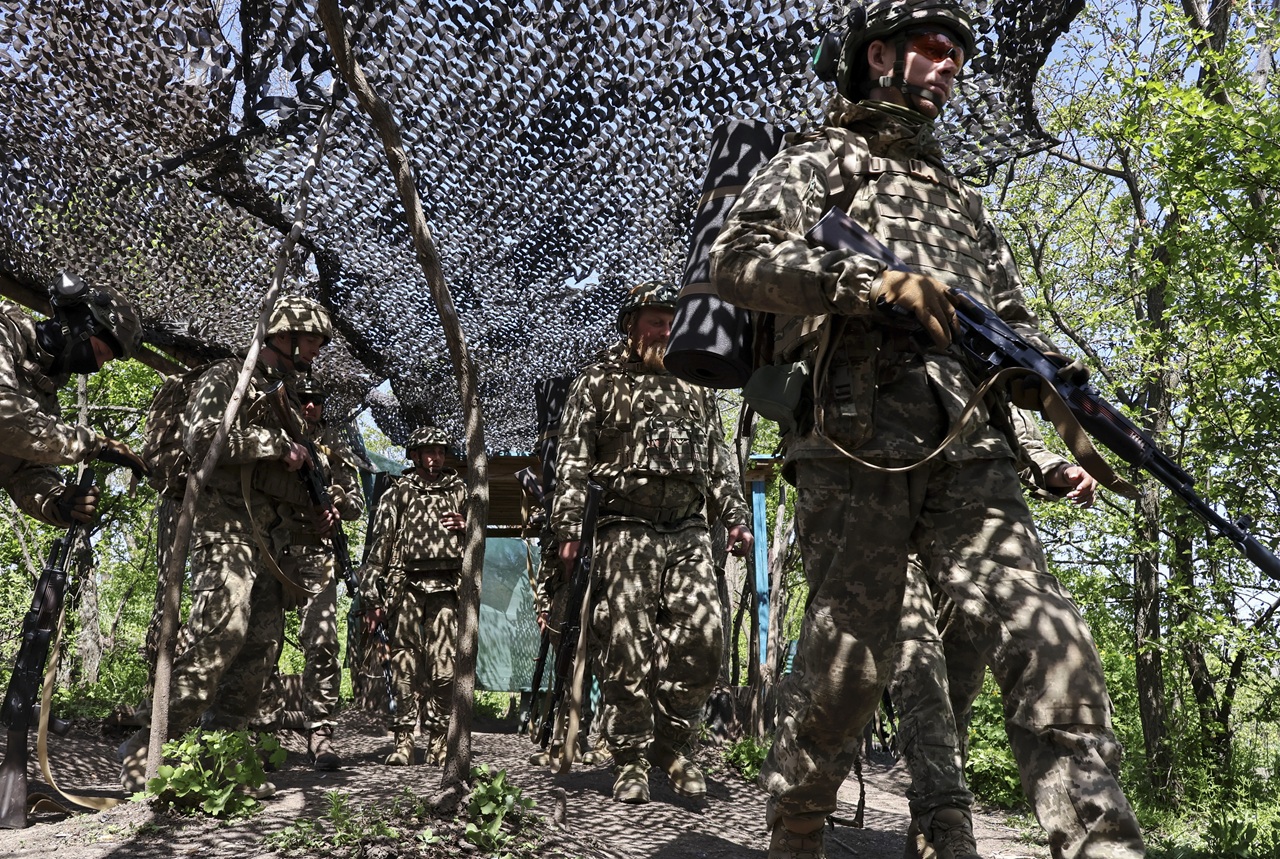
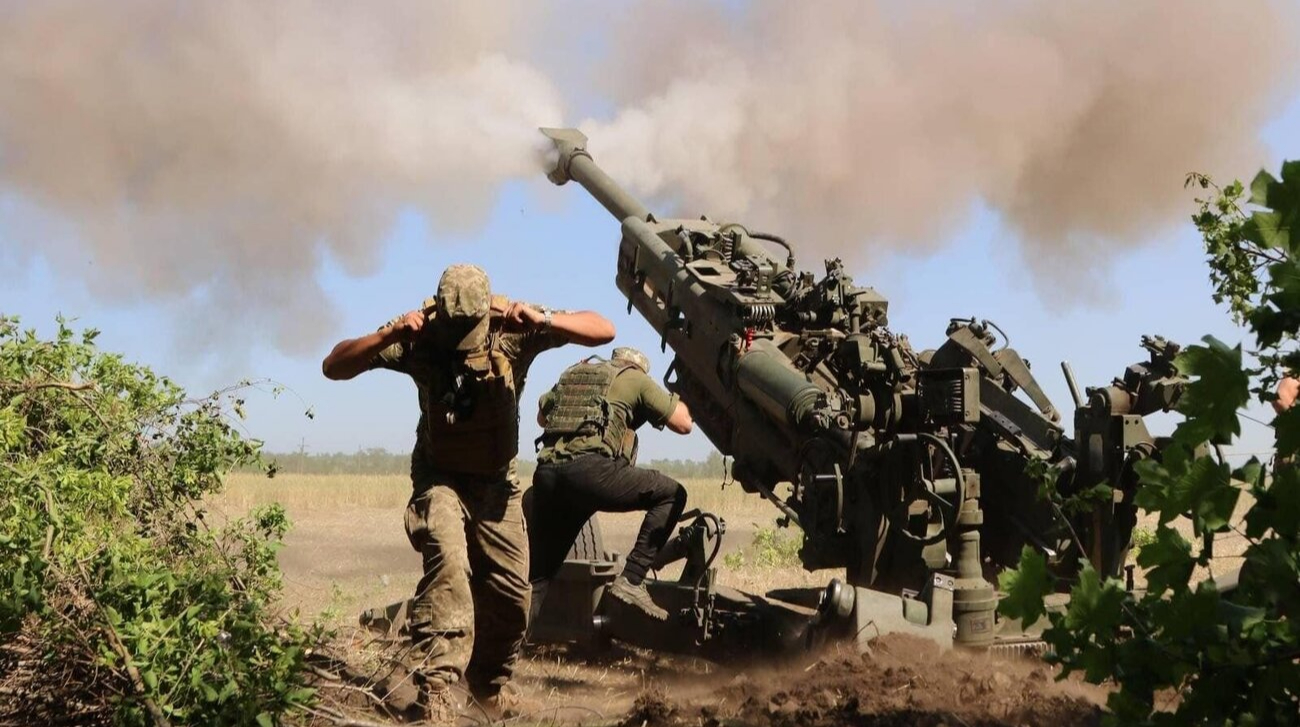
Russian and Ukrainian forces amid accusations of ceasefire violations in Ukraine conflict. — Source: dailymaverick
The publication of such casualty figures by Ukraine's General Staff serves multiple purposes, including informing domestic audiences and international observers about the conflict's dynamics.[1] In light of mutual ceasefire violation claims, these losses could be tied to Ukrainian responses to perceived Russian breaches, though direct linkages are not detailed in the reports.[1] Overall, the data reinforces the narrative of high costs for Russian military efforts, with 920 as the precise count for the referenced period.[1]
Ukrainian Response and Observations
President Volodymyr Zelenskyy has provided key insights into recent developments, stating that Russian forces are not observing the ceasefire on the battlefield, prompting Ukraine to respond in kind.[3] This direct commentary from Ukrainian leadership highlights the operational challenges in upholding the US-mediated agreement.[3]
Zelenskyy's observations include the note that no large-scale Russian attacks were recorded on May 10, yet he emphasized the lack of full ceasefire compliance by Russian troops.[3] In his statements, as covered by Ukrainska Pravda, the president outlined Ukraine's stance: matching Russian actions with corresponding measures to defend positions.[3] This approach indicates a policy of reciprocity, where Ukrainian forces engage when faced with violations, maintaining pressure despite the truce's framework.[3]
The Ukrainian response, as articulated by Zelenskyy, reflects a pragmatic assessment of the battlefield reality, where formal agreements do not translate seamlessly into halted hostilities.[3] By publicly addressing these issues, the president signals to both domestic and international stakeholders the constraints under which Ukraine operates.[3] The absence of large-scale attacks on that specific date provides a nuanced view—no massive offensives, but persistent smaller-scale activities that erode the ceasefire's integrity.[3]
Leadership statements like Zelenskyy's also serve to shape the narrative around compliance, positioning Ukraine as reactive rather than provocative.[3] This framing is crucial amid mutual accusations, as it counters Russian claims while justifying Ukrainian military actions.[3] Overall, these observations and responses illustrate Ukraine's commitment to self-defense within the contested ceasefire environment.[3]
Overview of Recent Developments
Recent developments in the Ukraine conflict center on the US-mediated ceasefire coming under serious strain on its second day, with both Ukraine and Russia accusing each other of violations through weekend attacks.[2] A Reuters report from May 10 captures this dynamic, noting how the agreement faced immediate tests as military actions persisted.[2]
The trading of accusations marks a critical juncture, where the ceasefire's second day—Sunday—saw claims of breaches that question its enforceability.[2] Daily Maverick's coverage emphasizes the bilateral nature of the complaints, with each side alleging the other initiated or continued attacks, complicating US mediation efforts.[2] This overview reveals a pattern where initial hopes for de-escalation give way to reports of ongoing skirmishes.[2]
Contextually, the ceasefire was positioned as a US-backed initiative to reduce hostilities, yet the reported strain indicates deeper mistrust and operational frictions.[2] Weekend attacks, as cited, serve as the flashpoints for these claims, potentially involving artillery, drones, or infantry engagements, though specifics remain tied to the parties' narratives.[2] The second-day timeline amplifies the concerns, suggesting that without swift resolution, the truce could unravel further.[2]
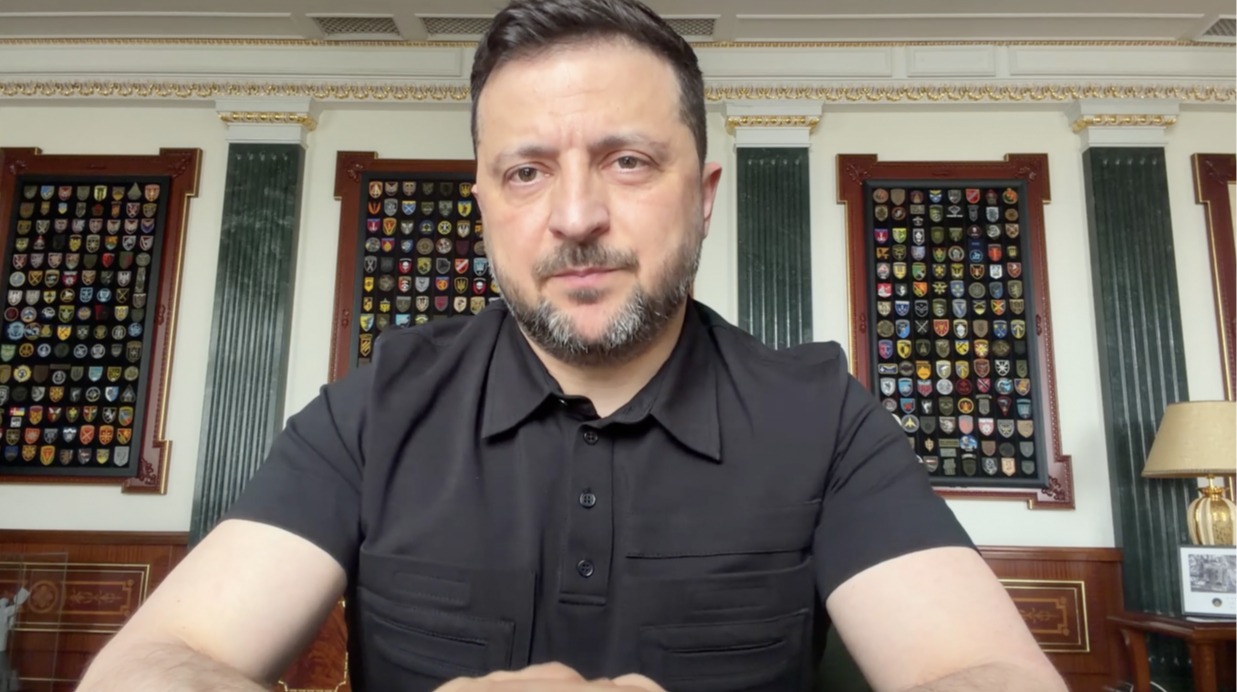
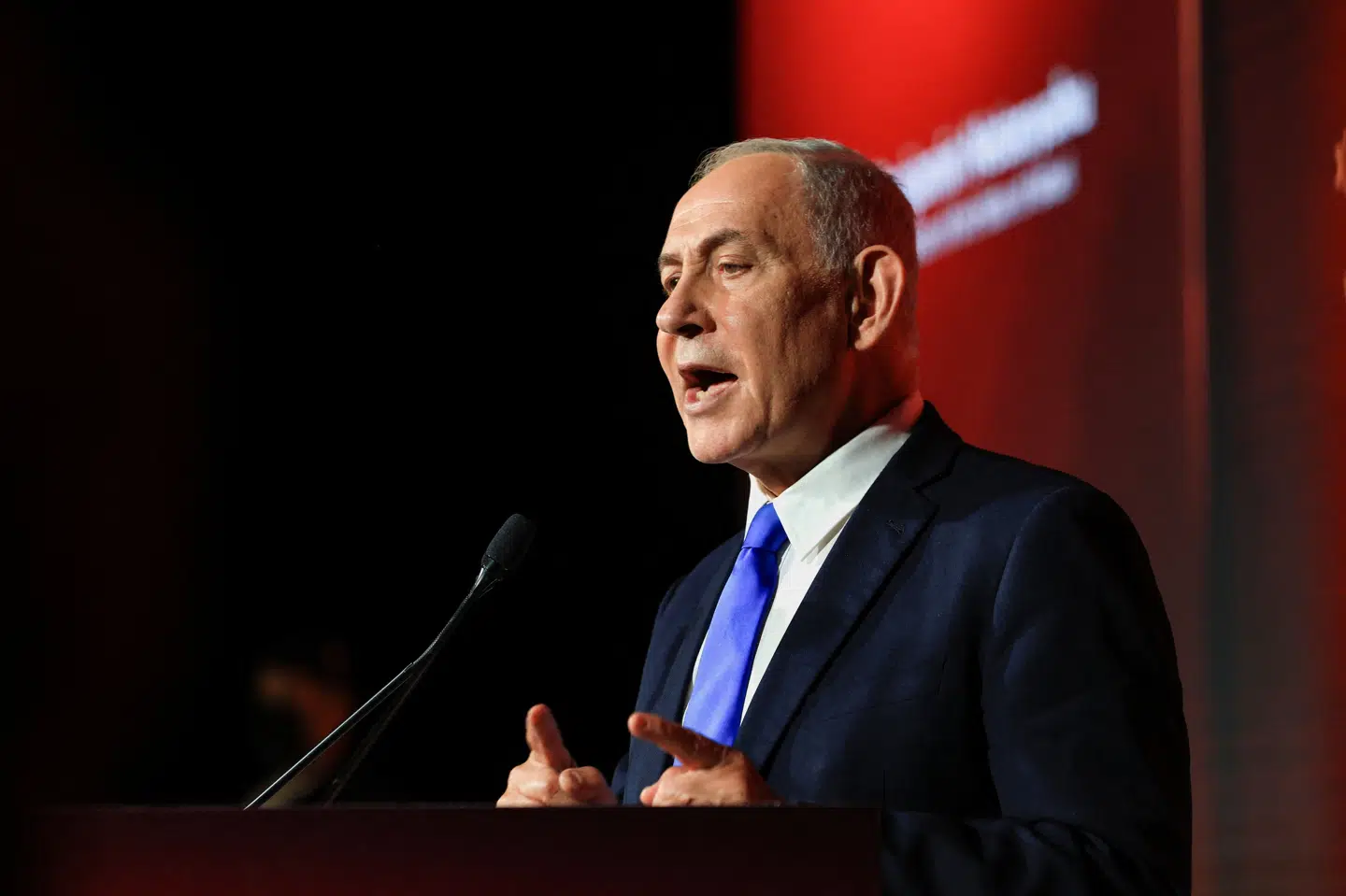
Zelenskyy addresses Russian ceasefire violations in Ukraine. — Source: ukrainskapravda
These events fit into the broader arc of the conflict, where mediated pauses often encounter resistance from field commanders or strategic imperatives.[2] The mutual accusations not only highlight non-compliance but also the challenges in verification and enforcement mechanisms.[2] As of the reports, no independent confirmation has altered the dueling accounts, leaving the ceasefire's status in limbo.[2]
Potential Future Actions
Indications from Ukrainian leadership point to possible escalations, with President Zelenskyy revealing conditions under which long-range strikes on Russia could resume, tied to ceasefire observance.[3] His statements suggest that Ukraine's responses will continue in kind if Russian forces persist in non-compliance.[3]
Zelenskyy's comments, as reported, frame future actions around reciprocity: Ukrainian measures matching those perceived from Russia.[3] The mention of resuming long-range strikes implies a readiness to escalate if the battlefield ceasefire breaks down further.[3] This positions potential actions as defensive escalations, contingent on Russian behavior.[3]
In the context of the strained truce, these indications warn of heightened activity should violations continue.[3] Zelenskyy's transparency about strike resumption timelines—linked to ceasefire dynamics—serves as both a deterrent and a policy signal.[3] Ukrainian strategy appears geared toward maintaining pressure, with future moves calibrated to adversary actions.[3]
Key Facts in the Ukraine Conflict
Compiling the core elements from recent reports provides a clear picture: Russia lost 920 soldiers killed and wounded over the past day, as per Ukraine's General Staff.[1] No large-scale Russian attacks were recorded on May 10, according to President Zelenskyy.[3] Zelenskyy further stated that Russian forces are not observing the ceasefire, leading Ukraine to respond accordingly.[3] The US-mediated ceasefire remains under serious strain due to mutual accusations of attacks.[2]
These facts anchor the current phase of the Ukraine conflict, where casualty figures intersect with truce violations.[1][2][3] The 920 losses highlight ongoing costs,[1] while the lack of large-scale attacks on May 10 offers a partial bright spot amid non-observance claims.[3] Zelenskyy's direct input clarifies Ukraine's posture,[3] and the ceasefire's strain encapsulates the bilateral tensions.[2]
What to watch next
Monitor Ukrainian General Staff updates for further Russian loss tallies, Zelenskyy's announcements on long-range strike resumption tied to ceasefire compliance, and any US mediation responses to ongoing violation accusations.[1][2][3]