Strikes in Lebanon prompt evacuation of four southern towns amid ceasefire violations
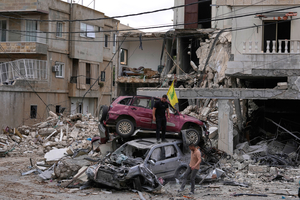
Israel has issued new evacuation orders for four towns in southern Lebanon—Arzoun, Tayr Debba, Al-Bazouriyah, and Al-Hawsh—warning residents to evacuate ahead of planned military operations, even as the country faces continued Israeli strikes despite an existing ceasefire arrangement.[1] These developments have led to fresh casualties, with at least four people killed in recent Israeli attacks in southern Lebanon,[4] alongside the loss of one Israeli soldier and injuries to three others near the border.[2][3][5] Lebanon's overall death toll from Israeli strikes since March 2 now stands at 2,869, including fatalities since the truce took effect on April 17.[2] Lebanese authorities have called on the US ambassador to press Israel to cease the attacks,[2] amid reports of infrastructure damage, such as the destruction of a solar-powered water pumping station.[1]
Recent Evacuation Orders in Southern Lebanon
The Israeli military's latest evacuation warnings target specific communities in southern Lebanon, underscoring the persistent tensions along the border region despite the ceasefire that began on April 17.[1] Residents of Arzoun, Tayr Debba, Al-Bazouriyah, and Al-Hawsh have been directly instructed to leave their homes immediately, with the orders explicitly citing upcoming military operations as the reason for the displacement.[1] This move follows a pattern of prior warnings, as Israeli strikes have previously been preceded by forced displacement alerts for additional towns in southern and eastern Lebanon, amplifying the humanitarian concerns in the area.[4]
These evacuation directives come at a critical juncture, as the ceasefire was intended to halt hostilities between Israel and Hezbollah following months of intense conflict.[1] The Israeli Defense Forces (IDF) issued the notices through official channels, emphasizing civilian safety while preparing for what they describe as necessary actions against perceived threats.[1] For the affected towns, located in a volatile border zone, this represents a sudden escalation in displacement risks, forcing families to relocate amid ongoing instability. Lebanon's National News Agency has documented the immediate impacts, highlighting how such orders disrupt daily life and contribute to broader population movements in the south.[1]
The context of these orders is rooted in Israel's stated security objectives, which prioritize neutralizing militant infrastructure while minimizing civilian exposure.[1][4] However, the timing—post-ceasefire—raises questions about compliance with the truce terms, as similar warnings for nine towns were linked to subsequent strikes.[4] Local residents face compounded challenges, including limited safe routes for evacuation and strained resources in host areas. This latest round affects communities already scarred by prior fighting, where evacuation has become a recurring ordeal.[1] The orders serve as a stark reminder of the fragile nature of the ceasefire, with military planning proceeding unabated.[1][4]
Ongoing Military Actions and Attacks
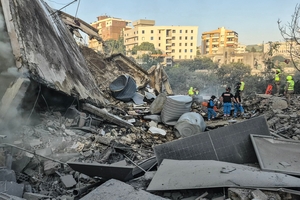
Lebanese officials urge US ambassador to press Israel on ceasefire violations. — Source: korea-herald
Israeli forces have pressed forward with strikes in southern Lebanon, conducting operations that include airstrikes and ground activities despite the ceasefire in place since April 17.[1][2][4] Lebanon's National News Agency reported the destruction of a solar-powered water pumping station by Israeli forces, an action that disrupts essential services in the targeted region and highlights the scope of ongoing military engagements.[1] These attacks persisted on Monday, pounding the area even as diplomatic efforts sought to reinforce the truce.[2]
The strikes represent a continuation of Israel's campaign against Hezbollah positions, with recent actions killing at least four people in southern Lebanon.[4] This follows evacuation warnings, suggesting a coordinated approach where displacement precedes kinetic operations.[1][4] The ceasefire, while reducing the intensity of exchanges, has not fully stemmed these incidents, as Israel maintains that its moves target imminent threats.[1] Lebanese reports detail how airstrikes have hit multiple sites, contributing to a cycle of retaliation and response.[2]
Amid these developments, the destruction of civilian infrastructure like the water pumping station illustrates the broader repercussions of military actions.[1] Powered by solar energy, the facility was vital for local water supply, and its loss exacerbates hardships in an area already facing shortages due to prolonged conflict.[1] Israel's operations are framed as defensive, aimed at securing the border, but their execution post-ceasefire has drawn scrutiny.[1][2] The persistence of such strikes underscores the challenges in enforcing the truce, with both sides reporting violations that perpetuate insecurity.[4]
Casualties and Death Toll Updates
The human cost of the conflict continues to mount, with Israeli strikes in southern Lebanon claiming at least four lives in recent attacks.[4] Lebanon's authorities have updated the overall death toll from Israeli operations since March 2 to 2,869, a figure that encompasses dozens of fatalities occurring after the April 17 ceasefire.[2] This tally reflects the sustained impact of airstrikes and related military activities, even as truce negotiations aimed to prevent further losses.[2]
These numbers capture a grim progression, where post-ceasefire deaths indicate incomplete de-escalation.[2] The recent four fatalities from strikes align with patterns of targeted operations following evacuation orders, amplifying the toll in densely populated southern areas.[2][4] Lebanon's tracking of casualties provides a comprehensive view, integrating civilian and combatant losses across the timeframe.[2]
On the Israeli side, military reports confirm one soldier killed and three wounded in southern incidents near the Lebanon border, events tied to the same border dynamics.[2][3][5] These losses occurred a day prior to some reports, amid fighting that tested the ceasefire's limits.[2] The dual-sided casualties—Lebanese deaths from strikes and Israeli injuries from clashes—paint a picture of mutual vulnerabilities.[2][3][4][5]
Diplomatic Responses from Lebanon
An Israeli soldier was killed and three others wounded near the Lebanon border. — Source: gdelt
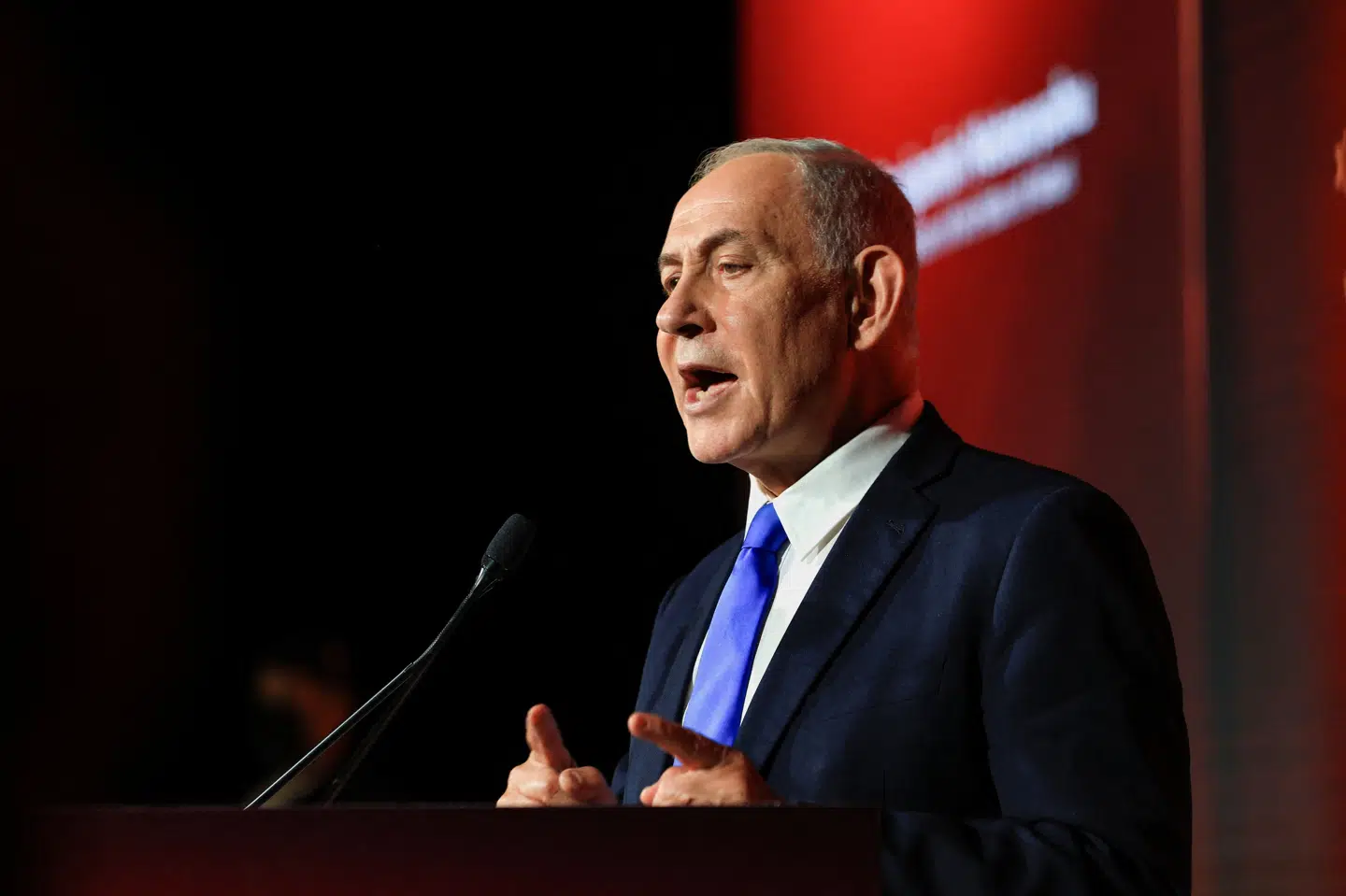
Lebanese leaders have turned to international diplomacy to address the surge in attacks, urging the US ambassador to Beirut to exert pressure on Israel to stop its strikes despite the ceasefire.[2] This appeal came as airstrikes continued on Monday, prompting authorities to highlight violations and seek US intervention given its role in brokering the truce.[2]
The request underscores Lebanon's strategy of leveraging foreign partnerships to enforce the April 17 agreement, amid a death toll that has climbed to 2,869 since March 2.[2] By engaging the US ambassador directly, Lebanese officials aim to amplify calls for restraint, framing the attacks as breaches that undermine regional stability.[2] This diplomatic push occurs against a backdrop of ongoing casualties, including dozens post-truce, emphasizing the urgency of external mediation.[2]
Such efforts reflect Lebanon's limited military options, relying instead on advocacy to curb Israeli operations.[2] The urging of the ambassador represents a formal channel for de-escalation, tying into broader international monitoring of the ceasefire.[2]
Border Incidents Involving Israeli Forces
Incidents near the Lebanon border have resulted in significant Israeli military casualties, with one soldier killed and three others wounded in southern operations.[3][5] Israel's military confirmed these losses, linking them to fighting in the area a day earlier, as cross-border tensions persist post-ceasefire.[2][3][5]
These events highlight the risks faced by Israeli forces during patrols and engagements close to Lebanon, where ambushes or exchanges remain a threat.[3][5] The soldier's death and injuries to three comrades occurred amid broader activities, contributing to Israel's narrative of active defense.[2][3] Timestamps from reports indicate rapid developments, with updates published on May 11.[3][5]
The border zone's volatility is evident, as such incidents coincide with strikes deeper into Lebanon, creating a multi-front challenge.[2][3][5] Israel's acknowledgment of the casualties serves to document operational costs while justifying continued vigilance.[3][5]
Infrastructure and Humanitarian Impacts
The destruction of a solar-powered water pumping station in southern Lebanon by Israeli forces adds to the humanitarian strain, targeting infrastructure critical for civilian sustenance amid military operations.[1] This incident, reported alongside evacuation orders, disrupts water access in affected communities, compounding the effects of displacement for towns like Arzoun and others.[1]
Such actions illustrate how military objectives intersect with civilian needs, with solar-powered facilities representing sustainable efforts now undermined.[1] In the context of ceasefire violations, this damage heightens calls for protection of non-combatant assets.[1][2]
What to watch next: Monitor compliance with the ceasefire, potential expansions of evacuation orders, updates to casualty figures, and responses from the US ambassador to Lebanon's appeals, as strikes and border incidents continue despite the truce.[1][2][4]