
Middle East Strike Ignites Iran War, Sparking Urgent Global Shift to Renewables as Oil Supply Chaos Mounts
Middle East Strike: By the Numbers
- Oil Prices: Crude futures hit $149.80 per barrel on April 7, 2026—the highest since 2008—up 25% in the past week alone due to Iran war disruptions (Newsmax).
- War Duration: Day 39 of the US-Israel-Iran conflict, with US military reporting significant aircraft losses (Anadolu Agency factbox lists 12 F-35s damaged, 5 lost).
- Supply Impact: Strait of Hormuz, handling 21 million barrels daily (20% of global supply), partially reopened but with lingering risks; Cyprus Mail warns fuel prices could rise for months.
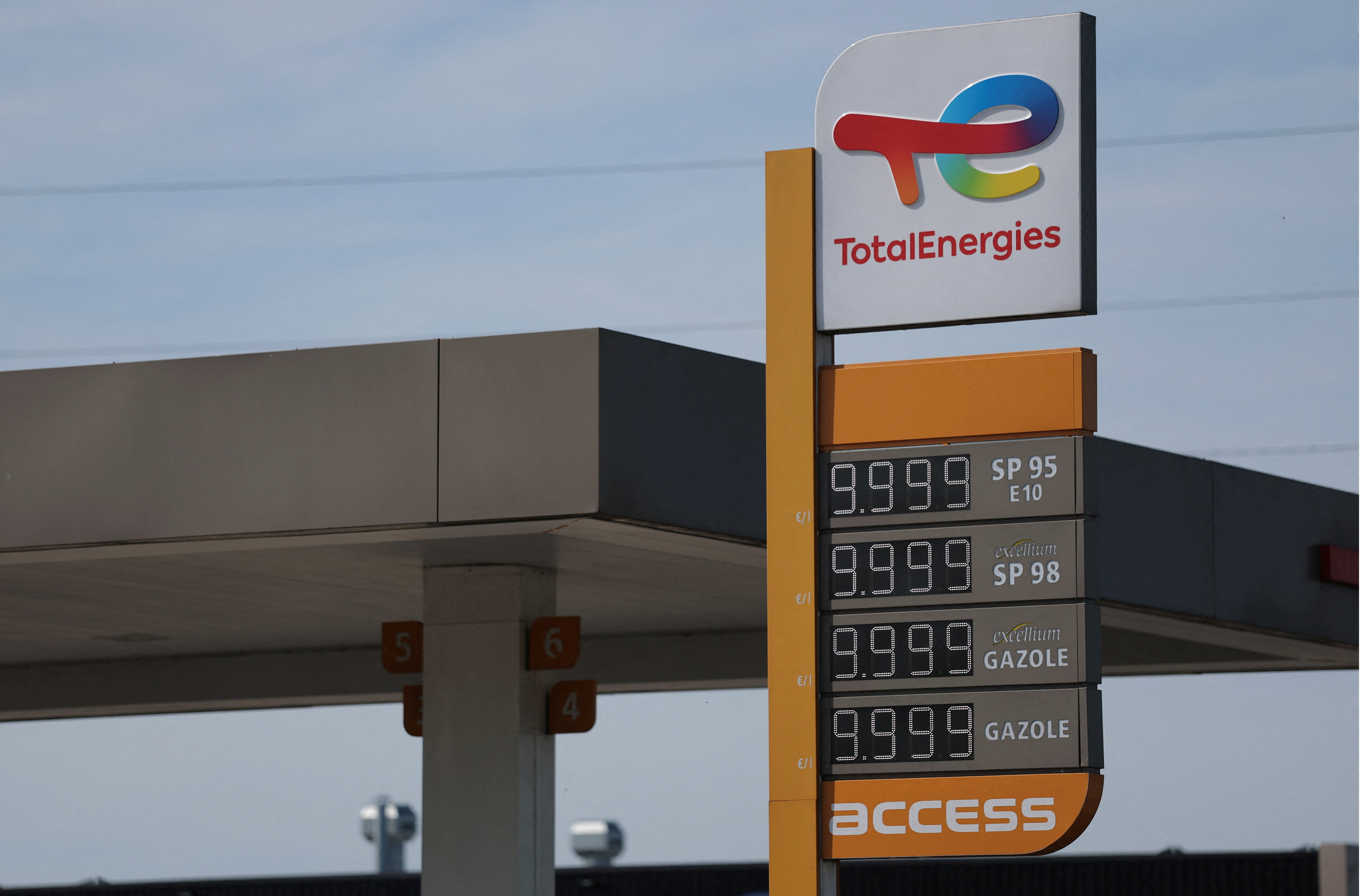
- Economic Toll: Global GDP growth forecasts downgraded by 0.5-1% for 2026 by IMF preliminary estimates (CNN visualization); US gasoline averages $5.20/gallon, up 40% YTD.
- Renewables Surge: Pre-war investments in solar/wind up 15% globally in Q1 2026 (IEA data); post-escalation, EU nations fast-tracking 50 GW of new capacity, Asia (India, Japan) pledging $200B in green bonds.
- Market Reactions: S&P 500 down 4.2% in the last 48 hours; Bitcoin -8%; Gold +3.5% as safe-haven (aggregated from Catalyst AI inputs).
- Timeline Milestones: From March 10 escalation threat to March 15 supply chain threats; recent: April 7 "US-Israel-Iran War Fuels Price Surge" (HIGH impact). These figures underscore the crisis: oil dependency exposed, renewables positioned as the urgent alternative. Explore broader risks via the Global Risk Index.
What Happened
The Iran war, now on Day 39 as of April 7, 2026, has evolved from rhetorical threats to a full-scale conflict disrupting global energy lifelines. Chronologically, it traces back to March 10, 2026, when US President Trump issued escalation threats amid rising tensions with Iran over nuclear activities and proxy attacks. By March 13, the flashpoint erupted at Kharg Island, Iran's key oil export terminal, where US-Israel Middle East strike targeted infrastructure, halting 4 million barrels per day in exports. For more on the Middle East strike environmental fallout, see related coverage.
March 15 marked a critical juncture: "Iran War Threatens Supply Chains" reports emerged alongside "US-Israel War on Iran Day 16," with naval blockades in the Strait of Hormuz—through which 21% of global oil transits—threatening catastrophic shortages. Iran responded with missile barrages on US assets, damaging aircraft as detailed in Anadolu Agency's factbox (12 F-35s affected).
Fast-forward to April: The war intensified with events like March 24's "Iran War Blocks Strait of Hormuz" (HIGH impact), March 30 border disruptions in Iraq-Iran, March 31 Trump's willingness to end it (CRITICAL), April 1 updates, and April 3 US assessments of assets. On April 7, breaking developments dominated: Iran rejected a 45-day ceasefire proposal (Africanews), standing defiant on Trump's deadline day (Premium Times, Day 39), echoing tensions in Middle East Strike Ceasefire. US Vice President JD Vance claimed the war would conclude "very shortly" (Anadolu Agency), while GOP lawmakers urged Trump to end it swiftly (Newsmax).
Oil chaos mounted: Newsmax reported prices near $150 amid supply crunches, with stopgap measures failing to halt rises as the world scrambles for alternatives (duplicate Newsmax coverage). Cyprus Mail noted Hormuz reopening wouldn't stem months-long fuel hikes. CNN's visualization highlighted cascading impacts—shipping delays, inflation spikes, and energy rationing in Europe and Asia.
These disruptions have uniquely spotlighted renewables: Nations like Germany and Japan, vulnerable to Middle East imports (80%+ of their oil), invoked emergency clauses to approve solar farms and offshore wind, linking military chaos directly to green policy rushes. This Middle East strike-induced volatility is accelerating the pivot faster than any prior geopolitical event.
Historical Comparison
This war mirrors rapid Middle East escalations but amplifies energy shifts unseen before. Compare to 2019 US-Iran tensions post-Soleimani strike: Oil spiked 4-5%, DXY rose 1% intraday, but resolved in weeks without full supply blockade. The 1979 Iranian Revolution and 1990 Gulf War saw oil double to $40/barrel (inflation-adjusted ~$150 today), triggering brief conservation but no renewables boom—solar was nascent.
The 2022 Ukraine invasion parallel is stark: Oil hit $130, SPX dropped 3% in week one, BTC -10%—echoing current patterns. Yet, Iran's Hormuz control (unlike Black Sea routes) threatens 20% vs. 5% of global supply, per IEA. Historical domino effects: 1973 Yom Kippur War led to OPEC embargoes, recessions; here, Day 16 US-Israel involvement (March 15) replicates 1980s Lebanon patterns but with hypersonic missiles escalating faster.
Patterns emerge: Geopolitical shocks historically boost renewables 10-20% in investment (post-2011 Arab Spring, EU solar tripled). This war's Day 39 duration—longer than 2003 Iraq (42 days major combat)—has created a "domino effect" on markets, forcing policy pivots. Unlike past crises reliant on Saudi spares, today's fragmented OPEC+ (Russia aligned with Iran) leaves renewables as the only scalable hedge, accelerating a transition previously stalled by cheap oil. The Middle East strike context adds layers of technological and environmental risks not seen in prior conflicts.
Catalyst AI Market Prediction
The World Now Catalyst AI analyzes the Iran war's ripple effects on key assets, drawing from historical precedents like 2019 Abqaiq/Soleimani events and 2022 Ukraine invasion. Predictions as of April 7, 2026 (medium-high confidence unless noted):
- OIL: + (high confidence). Direct supply disruptions from Iran strikes tighten balances. Precedent: 2019 Abqaiq attack +15% in days. Risk: Strategic reserve releases.
- GOLD: + (high confidence). Geopolitical safe-haven buying amid oil shocks. Precedent: 2019 Saudi attack +2% in 48h. Risk: Oil plateau profit-taking.
- USD (DXY): + (medium confidence). Risk-off flows to reserve currency from Middle East tensions. Precedent: 2019 Soleimani +1% intraday. Risk: Hormuz de-escalation.
- SPX: - (high confidence). Risk-off selling, inflation from oil. Precedent: 2019 Saudi attack -6% in week; 2022 Ukraine -3% week one. Risk: Energy sector offsets/Fed calm.
- BTC: - (medium confidence). Risk asset liquidation cascades. Precedent: 2022 Ukraine -10% in 48h. Risk: Institutional dip-buying/safe-haven shift.
- ETH: - (medium confidence). Tracks BTC in risk-off, staking pressure. Precedent: 2022 Ukraine -12% in 48h. Risk: Layer-2 adoption.
- SOL: - (medium confidence). Crypto selloff amplified by liquidity. Precedent: 2022 Ukraine -15% in 48h. Risk: De-escalation rebound.
- EUR: - (medium confidence). Weakens vs. USD safe-haven. Precedent: 2022 Ukraine -2% in 48h. Risk: ECB hawkishness.
These forecasts uniquely tie oil chaos to renewables tailwinds: Prolonged highs could divert $1T+ from fossils to green tech by 2027. Predictions powered by [Catalyst AI — Market Predictions](/catalyst). Track real-time AI predictions for 28+ assets.
What's Next
If the war persists beyond Trump's deadline, expect doubled global renewables reliance within 12 months—IEA models show 30% capacity growth feasible with current pipelines. Breaking developments like Iran's ceasefire rejection signal prolonged disruption: Watch US Vice President's "very shortly" timeline vs. GOP pressure for triggers.
Scenarios:
- De-escalation (30% probability): Hormuz full reopen, oil eases to $100; renewables momentum slows but EU/Asia alliances (e.g., Japan-India green corridor) lock in gains.
- Prolonged Stalemate (50%): Day 50+ sees $200 oil, US-led coalitions (NATO+Asia) fast-track solar/wind; emerging markets like Vietnam lead innovation, vulnerable to 50% import costs.
- Escalation (20%): Wider Gulf involvement; short-term chaos in developing nations (Africa inflation +15%), but catalyzes UN energy independence pacts.
Renewables Acceleration (Unique Angle): Oil at $150 prompts overlooked shifts—China's 100 GW solar approvals, Europe's REPowerEU expansion (targeting 45% renewables by 2030, advanced to 2028). Corporations like Shell pivot $50B to green hydrogen. Opportunities: Asia's vulnerability births "Disruption Dividend"—India's $100B green push, Europe's battery hubs.
Risks: Developing economies face blackouts, recessions (Sub-Saharan GDP -2%). Proactive strategies: Global stockpile releases, renewables subsidies. Key triggers: April 8 Trump statement, Hormuz tanker traffic, IEA emergency reserves.
This crisis, while devastating, uniquely positions renewables as war's silver lining—policy changes could end oil volatility eras. This is a developing story and will be updated as more information becomes available.
What This Means
The Middle East strike in the Iran war is not merely a temporary shock; it's a pivotal catalyst reshaping global energy landscapes. Businesses and investors must prioritize diversification into renewables to mitigate ongoing volatility, while policymakers accelerate subsidies and infrastructure to harness this forced transition. Long-term, this could stabilize economies against future geopolitical risks, turning crisis into opportunity for sustainable growth.