
Middle East Strike Exposes Israel's European Fault Lines: How Criticism of 'Moral Weakness' is Reshaping Alliances Amid Iran and Hamas Tensions
Introduction: The European Backlash and Its Geopolitical Stakes
In the shadow of escalating Middle East strike tensions with Iran and Hamas, Israeli Prime Minister Benjamin Netanyahu's recent accusation of Europe's "moral weakness" has ignited a diplomatic firestorm, exposing fault lines that could redefine Israel's global alliances. This isn't mere rhetoric; it's a strategic pivot amid stalled ceasefire talks and hardening positions on Hamas disarmament. On April 14, 2026, Netanyahu lambasted European leaders for their hesitancy, contrasting it sharply with unwavering U.S. support under President Trump. Days earlier, German Chancellor Olaf Scholz warned of a "de facto partial annexation" in the West Bank, prompting outrage from Israeli ministers demanding apologies.
This rift marks a departure from Israel's traditional balancing act between its ironclad U.S. alliance and pragmatic European ties. Unlike U.S.-focused spats, which often resolve through shared interests, European criticisms—rooted in humanitarian concerns over Gaza and the West Bank—are eroding multilateral support, forcing Israel to realign. For ordinary Israelis, war-weary yet polling against an Iran truce (BBC, April 2026), these tensions amplify domestic pressures, humanizing the stakes: families in border towns like Zikim, reopening amid Hamas rejections of disarmament in Cairo, now face not just rockets but diplomatic isolation. Globally, this could embolden Iran, reshape Hamas negotiations, and draw in unlikely players like Turkey and South Korea, underscoring why these "fault lines" matter now—amid Strait of Hormuz Blockade 2026 threats and U.S. destroyer deployments, all intertwined with the broader Middle East strike dynamics.
Historical Context: Tracing Israel's Alliances from Past Tensions to Present
Israel's relations with Europe have long oscillated between economic partnership and geopolitical friction, a pattern vividly echoed in 2026's timeline. Historically, Europe's post-Holocaust guilt fostered strong ties—think the 1975 Euro-Arab Dialogue boycott attempts Israel weathered—but recurring hesitations in Middle East conflicts have driven realignments toward the U.S.
Fast-forward to early 2026: On January 16, Israel joined Arab nations in urging President Trump for decisive Iran action, highlighting Europe's perennial reticence when U.S. resolve fills the void. This mirrors the 1981 Osirak reactor strike, where European protests gave way to American acquiescence. By January 25, U.S. reviews of Iran strikes recalled 2019-2020 Soleimani tensions, with Netanyahu's January 27 call for Hamas disarmament underscoring isolation themes. The January 30 U.S. destroyer docking in Eilat amid regional flares evoked 1967's USS Liberty strains, yet signaled reliable backup absent from Europe.
February 24's U.S. embassy services in the West Bank parallel current German warnings, evolving territorial diplomacy from Oslo Accords hesitations to today's annexation fears. Pre-2026, Europe's 2014 Gaza criticisms and 2023 ICJ advisories set the stage for Netanyahu's "moral weakness" charge—a recurring motif since the 1973 Yom Kippur War, when European oil embargoes forced U.S. airlifts. Recent events like March 22's Netanyahu threats against Iran leaders and April 5's Israel-Iran war challenges analysis (GDELT-tracked) weave into this cycle: European moral posturing isolates Israel, prompting U.S.-centric pivots and bolder stances on Iran/Hamas. These patterns are further illuminated by the Global Risk Index, which tracks escalating risks from such Middle East strike scenarios.
Current Dynamics: Middle East Strike Fuels Israel's Criticisms and International Echoes
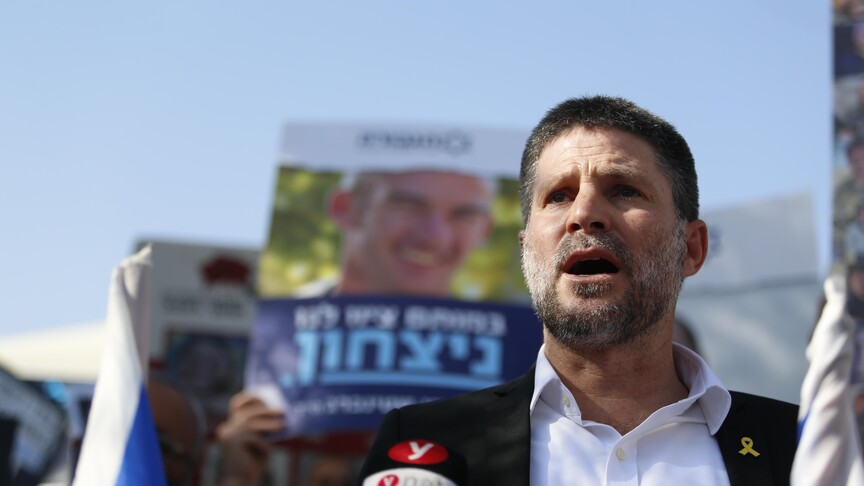
Netanyahu's April 14 salvo against Europe's "moral weakness" landed amid a cascade of flashpoints. German Chancellor Scholz's West Bank annexation caution (Anadolu, April 2026) drew fire from extremist Israeli minister Itamar Ben-Gvir, demanding an apology and framing it as anti-Israel bias. This echoes broader critiques: Israel's Jerusalem Post-reported support for Trump's Hormuz blockade and Vance's anti-enrichment stance contrasts Europe's tepid diplomacy.
The rift spills beyond Europe. A CNN video clash with South Korea over an old West Bank clip highlights how non-Middle Eastern powers get entangled, while Turkish-Israeli war proximity analyses (Milliyet, April 2026) stoke fears of NATO fringes igniting. Hamas's Cairo disarmament rejection (New Arab, April 2026) as Zikim reopens amplifies this: Israeli polls show war fatigue but 60% opposing Iran ceasefires (BBC/New Arab), fueling Netanyahu's defiance.
Public sentiment humanizes the divide—Tel Aviv families, scarred by October 2023 echoes, back hardlines per polls, yet Europe's humanitarian lens alienates them. Vietnam's Baotintuc reports Israel's war readiness and U.S. Iran contingencies, pulling Asia into the orbit. These dynamics reveal a widening gap, with Israel's criticisms not just defensive but proactive, reshaping echoes from Seoul to Ankara, especially as Middle East strike tensions intensify global realignments.
Implications for Iran and Hamas: A Shifting Regional Landscape
Europe's rift emboldens Israel's Iran/Hamas hardline, creating a volatile regional mosaic. Netanyahu's Trump alignment—backing Hormuz blockades—signals zero tolerance, as Hamas spurns Cairo disarmament. European isolation weakens Israel's multilateral leverage, potentially stalling UN Gaza resolutions and isolating it in IAEA Iran probes.
Domestically, BBC polls reveal vulnerabilities: Israelis oppose Iran truces but are divided on enforcement, intertwining public war-weariness with diplomacy. This interplay risks escalation—Hamas leverages European sympathy for stalling, while Iran exploits divides, per March 26 threats to U.S. troops. Spillover looms: weakened EU ties could greenlight West Bank moves, alienating Palestinian moderates and bolstering Hamas/Iran narratives.
Original insight: These rifts amplify domestic polls' hidden leverage. War-weary citizens (post-Zikim reopenings) pressure Netanyahu, yet anti-ceasefire majorities justify European rebukes as "moral weakness," creating a feedback loop. Regionally, Turkey tensions draw NATO in, while South Korea spats signal Asian hedging—Israel's strategy pivots from Europe to U.S./Gulf anchors, but at the cost of forums like the Quartet. Check the latest on the Global Risk Index for quantified impacts of these Middle East strike developments.
Original Analysis: The Strategic Realignment and Its Risks
Israel's European criticisms herald a profound realignment, under-examined in military-economic lenses: they're reshaping domestic cohesion and Iran/Hamas dynamics psychologically and strategically. By labeling Europe "morally weak," Netanyahu invokes Holocaust-era abandonment narratives, rallying Israelis (per polls) while justifying U.S. dependency—a high-stakes gamble challenging Middle East balance-of-power theories.
Traditionally, Israel balanced U.S. muscle with European soft power (trade, tech). Now, rifts pivot toward non-Westerns: Turkey clashes (Milliyet) mask covert energy deals; South Korea frictions belie semiconductor ties. Yet risks abound—global isolation surges, as EU trade (25% of exports) faces boycotts, echoing 1980s EEC strains.
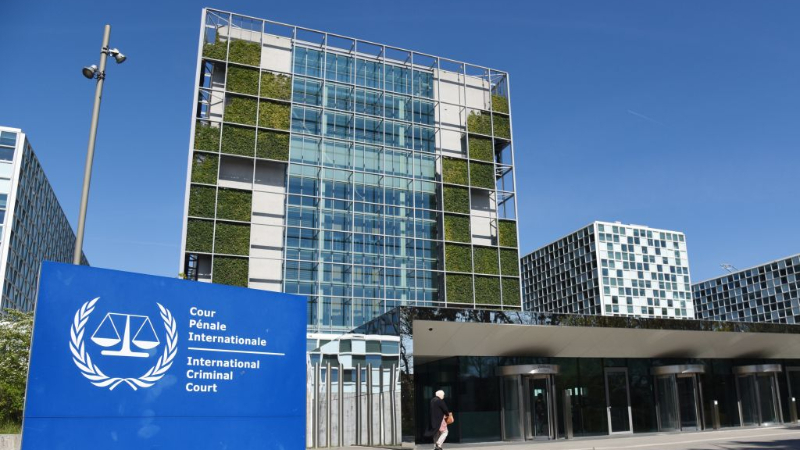
Psychologically, it steels resolve against Hamas/Iran: polls show opposition to truces sustains disarmament demands, but war fatigue erodes unity, risking protests like 2023 judicial clashes. Strategically, it challenges realism—Israel's "pivot" assumes U.S. permanence, but Trump's volatility (January 16 urgings) invites overreach. Fresh perspective: This inverts alliances, positioning Europe as "soft" foil to U.S. "iron," but invites Iran proxy escalations (Leviathan gas resumes notwithstanding). Costs? Heightened vulnerability in forums like ICC, where West Bank warnings gain traction.
Looking Ahead: Predictions and Potential Scenarios
Europe's fault lines portend escalations. Scenario 1 (high probability): Diplomatic isolation spurs unilateral Iran strikes—U.S. destroyer precedents (Jan 30) enable Hormuz risks, with EU sanctions on West Bank policies (post-Scholz) slashing trade 10-15%. Domestic polls could force Netanyahu concessions on Hamas, but anti-truce sentiment (60%) favors hardlines, risking Gaza re-escalation.
Scenario 2 (medium): EU pressure yields de facto annexation, collapsing Quartet talks; Hamas rejects disarmament indefinitely, drawing Turkey deeper (war analyses). Israel eyes Asian alliances—South Korea reconciliation via tech, Vietnam military nods—offsetting Europe.
Long-term: Regional war if Iran exploits (March 18 El Al cancellations redux), or unexpected U.S.-brokered pacts. Polls may flip on casualties, enabling ceasefires; absent that, isolation pushes Gulf/India ties. Human impact: Border families endure prolonged uncertainty, economies strain. For deeper market forecasts amid these Middle East strike risks, explore Catalyst AI — Market Predictions.
Historical Event Timeline
- Jan 16, 2026: Israel/Arab nations urge Trump on Iran, spotlighting European gaps.
- Jan 25, 2026: U.S. reviews Iran strikes amid Netanyahu's Hamas disarmament call (Jan 27).
- Jan 30, 2026: U.S. destroyer docks Eilat, bolstering amid tensions.
- Feb 24, 2026: U.S. embassy West Bank services, prefiguring annexation rows.
- Mar 22, 2026: Netanyahu threatens Iran leaders (HIGH).
- Mar 26, 2026: Iran threatens U.S. troops (HIGH).
- Mar 29, 2026: Israel's missile defense shift (HIGH).
- Apr 3, 2026: Leviathan gas exports resume (HIGH).
- Apr 5, 2026: Israel-Iran war challenges/flight halts (HIGH/MEDIUM).
Catalyst AI Market Prediction
The World Now Catalyst AI forecasts risk-off turbulence from Israel-Europe rifts amplifying Iran/Hamas escalations:
- SPX: - (medium confidence) — Failed US-Iran talks trigger algorithmic selling; precedent: Jan 2020 -0.8%.
- USD: + (medium) — Safe-haven demand; Jan 2020 DXY +0.5%.
- CHF: + (low) — Haven bids; Jan 2020 +0.4% vs EUR.
- TSM: - (medium) — Taiwan echoes via China tech; 2018 -3%.
- ETH: - (medium) — Liquidation cascades; 2022 Ukraine -8%.
- SOL: - (medium) — Altcoin beta; 2020 proxies -5-7%.
- OIL: + (high) — Hormuz fears; 2020 Soleimani +4-5%.
- BTC: - (medium) — Deleverage; 2022 Ukraine -10%.
- GOLD: + (medium) — Haven surge; 2020 +3%.
- EUR: - (medium/low) — USD strength; 2020/2022 drops.
Predictions powered by The World Now Catalyst Engine. Track real-time AI predictions for 28+ assets.