
Geopolitics Iran draws US sanctions on agency seeking Strait of Hormuz control
The US has imposed sanctions on an Iranian agency attempting to control shipping through the Strait of Hormuz. In the context of geopolitics iran, these measures reflect ongoing tensions over maritime access and regional influence, as the Trump administration targets entities linked to shipping restrictions in the vital waterway.
US Sanctions Announced
The Trump administration on Wednesday placed further sanctions on Iran as part of a sprawling economic pressure campaign during the war, this time targeting the country's newly created agency that is trying to control shipping through the Strait of Hormuz [3]. This action builds directly on earlier restrictions and aims to limit Iran's ability to influence passage through one of the world's most critical oil transit routes. The newly established agency has drawn particular attention because of its explicit focus on managing or restricting vessel movements in the strait. By designating this body, US officials seek to disrupt any operational capacity it might develop for asserting control over international shipping lanes. The sanctions form part of a broader strategy that combines economic tools with diplomatic messaging, underscoring the administration's intent to maintain open access while countering Iranian initiatives in the area. Observers note that such targeted designations often precede additional measures if the agency continues its activities.
Strait of Hormuz Incident
Iran says its IRGC navy turned back a US tanker near the Strait of Hormuz [2]. Semi-official Iranian reports link explosions near Bandar Abbas to US military fire after the maritime incident [2]. These accounts describe the naval encounter as a direct response to the tanker's presence, with Iranian forces asserting they redirected the vessel away from sensitive waters. The reported explosions followed shortly afterward, and Iranian sources attributed them to retaliatory fire from US military assets involved in the episode. Details emerging from Tasnim News Agency, a semi-official outlet, frame the sequence as a chain reaction beginning with the tanker confrontation and escalating into localized blasts near the Iranian port city. Such incidents highlight the narrow margins for error in the congested strait, where commercial and military traffic frequently intersect. Iranian statements emphasize the defensive nature of the navy's actions, while the timing of the explosions has fueled speculation about the immediate aftermath of the encounter.
Iranian Missile Acquisition
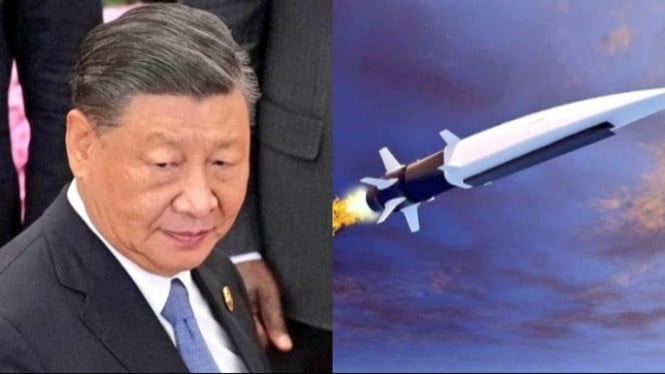
Iran has received hypersonic missiles from China described as capable of destroying a US fleet in 48 hours [1]. Reports indicate these advanced systems were transferred recently and are positioned as a significant addition to Iran's defensive and deterrent capabilities. The missiles' reported range and speed have prompted discussions about their potential impact on naval operations in the region, particularly around the Strait of Hormuz. Iranian state-linked commentary has highlighted the weapons' ability to respond rapidly to any perceived threats, framing the acquisition as a strengthening of national security. The transfer underscores deepening military-technical ties between Iran and China, with the systems viewed as a qualitative leap in missile technology. Analysts tracking the development note that such armaments could alter calculations for any naval presence in the Persian Gulf, given their described destructive potential against fleet formations.
Oil Prices and Diplomatic Outlook
Oil prices have eased amid hopes for a US-Iran deal to reopen the Strait of Hormuz after three months of disruptions [4]. Crude benchmarks showed a dip as market participants weighed the possibility of reduced tensions and restored transit flows through the strait. Despite earlier volatility, prices have begun a modest recovery even as expectations of an agreement persist. President Trump has stressed the priority of preventing Iran's nuclear ambitions while ensuring the strait's accessibility, issuing warnings against any interference with international shipping. The three-month period of disruptions has already affected global supply routes, making any prospect of reopening a focal point for traders and policymakers alike. Hopes center on diplomatic channels that could de-escalate the situation and return the waterway to normal operations, thereby easing pressure on energy markets.
Iranian Position on Red Lines
A senior Iranian lawmaker stated that Iran will not yield on its uranium enrichment or Hormuz red lines despite Trump administration pressure [5]. The head of an Iranian parliamentary commission described the US approach as alternating between threats and calls for an agreement, characterizing it as an attempt to escape a strategic deadlock. Iranian officials have reiterated that core positions on uranium enrichment levels and control over the Strait of Hormuz remain non-negotiable. This stance signals continuity in Tehran's policy even as external sanctions intensify. The lawmaker's remarks underscore that domestic political consensus supports maintaining these red lines, regardless of shifting US tactics. Such declarations come at a moment when both economic measures and maritime incidents continue to shape the bilateral dynamic.
What to watch next: Further developments around the sanctioned agency, any follow-up naval encounters near the strait, and whether oil prices continue to reflect diplomatic progress.