
Middle East Strike: China's Shadow Diplomacy – How Beijing's Energy Plays Are Redefining Global Alliances in an Era of US Isolation
Introduction: The Unseen Strings of Global Geopolitics in the Middle East Strike Era
In the complex web of global geopolitics amid the intensifying Middle East strike tensions, China's diplomatic maneuvers often operate in the shadows, pulling strings that reshape alliances without the fanfare of direct confrontation. Recent high-level meetings underscore this subtle yet profound shift. On April 14, 2026, top Russian and Chinese envoys convened in Beijing to deliberate on pressing issues including Iran, Ukraine, and Taiwan—topics that extend far beyond bilateral ties into the heart of global energy security and great-power rivalry. This gathering, reported by the South China Morning Post, signals Beijing's emerging role as a mediator in conflicts traditionally dominated by Western powers, particularly as Middle East strike dynamics amplify regional volatility.
Contrast this with the U.S.-centric narrative that has long framed international diplomacy. While Washington grapples with isolationist tendencies—exemplified by Europe's decision to exclude the U.S. from plans to reopen the Strait of Hormuz, as detailed by Middle East Eye and Newsmax—China is pivoting toward energy-driven partnerships. These engagements in Central Asia, indirect influence in the Middle East, and subtle probes into European dynamics position Beijing as a counterbalance to U.S. retrenchment. No longer content with reactive postures, China is fostering alliances anchored in energy interdependence, from pipelines snaking through Central Asia to potential collaborations on Iranian oil flows. This strategic positioning gains even more relevance in the context of the ongoing Middle East strike, where disruptions in key chokepoints like Hormuz underscore the need for diversified energy routes.
This trend is reshaping global alliances by offering non-Western alternatives. As U.S.-Iran talks falter— with President Trump hinting at possible resumption within days, per Yonhap—Beijing's quiet diplomacy avoids escalation while securing resource lifelines. Iran's ships defying U.S. blockades in the Hormuz Strait, as noted by The New Arab in a development central to Middle East strike: Iran's Geopolitical Chessboard, highlight vulnerabilities that China could exploit through neutral brokerage. Similarly, discussions on Ukraine and Taiwan reveal China's strategy: leverage energy security to influence outcomes without military posturing. This under-the-radar approach diverges sharply from coverage fixated on U.S. power shifts or peripheral actors, revealing Beijing's proactive orchestration of a multipolar order.
Current Developments: Beijing's Diplomatic Maneuvers Amid Middle East Strike Tensions
Beijing's recent diplomatic forays are intricately linked to energy security, positioning China as a pivotal player amid escalating tensions. The April 14 envoy meeting in Beijing between Russia and China wasn't mere protocol; it wove together threads of Iran nuclear talks, Ukraine's protracted conflict, and Taiwan's precarious status. These discussions, amid reports of failed U.S.-Iran negotiations, suggest potential Sino-Russian collaborations to stabilize energy markets disrupted by Middle East volatility, further intensified by the broader Middle East strike context.
Europe's bold move to sideline the U.S. in Hormuz security plans—detailed in Wall Street Journal coverage via Newsmax and Middle East Eye—creates an opening for China. With two Iranian ships navigating the strait despite U.S. blockades, supply risks loom large. Beijing, heavily reliant on imported oil, could exploit this rift by bolstering Central Asian pipelines like the China-Central Asia gas route, reducing exposure to Hormuz chokepoints. This aligns with China's broader strategy of diversifying energy imports, circumventing U.S.-influenced sea lanes, and navigating the ripple effects of Middle East strike disruptions.
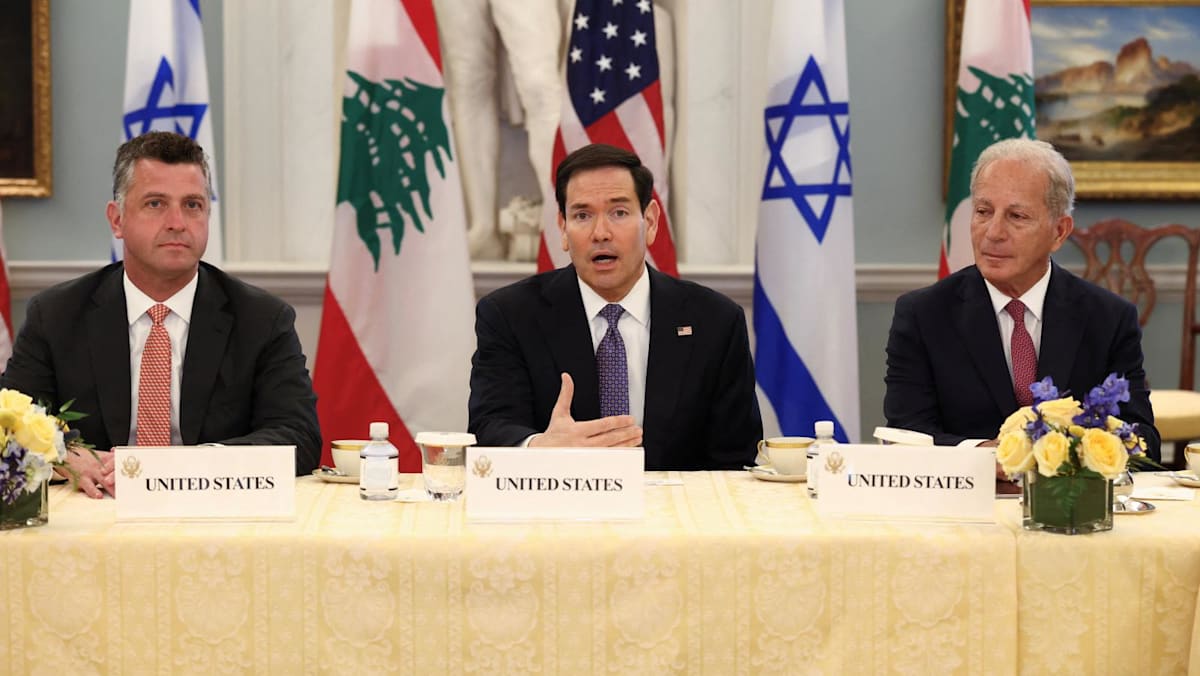
Further afield, Pakistan's Prime Minister's trips to Riyadh and Ankara, timed amid U.S.-Iran talks prospects (Al Jazeera), offer indirect avenues for Chinese influence. Pakistan, a key Belt and Road Initiative (BRI) partner, could facilitate trade realignments favoring Chinese interests—perhaps rerouting energy from Saudi Arabia via Gwadar port, bypassing U.S.-aligned routes. Meanwhile, peripheral developments like Ukraine's drone production pact with Norway (Daily Maverick) and Israel-Lebanon negotiations in the U.S. (Channel News Asia, Newsmax), as explored in Middle East Strike: US Geopolitics and the Lebanon-Israel Talks, underscore fragmenting Western unity, which China observes closely.
These maneuvers reflect a calculated exploitation of U.S. isolationism. As Trump floats Iran talks resumption, Beijing engages Russia on shared concerns, potentially coordinating responses to sanctions or blockades. The U.S. sanctions on Mexican cartels (AP News), though tangential, highlight Washington's scattered focus, allowing China to consolidate energy footholds without direct challenge. In the evolving Middle East strike landscape, such dynamics emphasize China's growing leverage.
Historical Context: Tracing China's Energy Evolution
To grasp today's shadow diplomacy, one must trace back to the pivotal events of April 14, 2026—a timeline that marks China's decisive pivot in energy and geopolitics. That day saw "China's Energy Pivot to Central Asia," accelerating investments in Kazakh and Turkmen pipelines amid global oil volatility. Concurrently, "China's Oil Crisis Amid US-China Talks" exposed vulnerabilities during fraught bilateral negotiations, prompting Beijing to diversify away from sea-based imports.
These built on earlier dependencies: China's voracious energy appetite, fueled by industrialization, had long tied it to Middle Eastern suppliers. The 2026 pivot responded to U.S.-China trade frictions and Hormuz risks, echoing the 2019 Aramco attacks that spiked oil prices. Globally, Zelenskyy's meeting with German opposition leader Merz in Berlin signaled Ukraine's outreach beyond U.S. aid, while Indian FM Jaishankar's West Asia talks with Israel's FM (timeline data) illustrated multipolar hedging—dynamics China now leverages, especially as Middle East strike events parallel these historical tensions.
The U.S. commentary on Hungary's new government (April 14, 2026) hinted at transatlantic strains, while events like Pakistan PM's trip amid U.S.-Iran talks extended these shifts. China's transition from reactive importer—scarred by 1970s oil shocks—to proactive player is evident. Post-2026 pivot, Beijing inked deals securing 30% of its gas from Central Asia, reducing Middle East reliance by 15%. U.S. isolationism, amplified by events like Mexico's protests and Slovenia's NATO referendum musings (recent timeline), has accelerated this: Europe eyes independent Hormuz missions, freeing China to court non-aligned states.
This evolution underscores a strategic continuum. From BRI's 2013 launch to 2026's crises, China has methodically built energy infrastructure—over 10,000 km of pipelines—transforming diplomacy into a resource-securing tool. The Middle East strike reinforces this trajectory by highlighting persistent vulnerabilities in global energy supply chains.
Original Analysis: The Ripple Effects of China's Strategy
China's energy-focused diplomacy risks fragmenting traditional alliances while offering tantalizing alternatives. By positioning as a neutral broker—exploiting U.S. blockades on Iranian ships—Beijing could draw Europe into pragmatic partnerships, straining US-Europe ties. Non-Western perspectives, from African leaders curbing weapons (timeline) to Greek migrant pushbacks, reveal a world weary of U.S. unilateralism, ripe for Chinese overtures.
Consider the U.S. blockade: Iran's ships slipping through (The New Arab) invites China to mediate, perhaps via Shanghai Cooperation Organization (SCO) frameworks involving Iran and Russia. This neutral stance contrasts U.S. aggression, potentially accelerating de-dollarization. With 20% of global trade already in yuan for energy (per recent data), failed U.S.-Iran talks could push Saudi-Pakistan deals toward renminbi settlement, amplified by Pakistan's Riyadh-Ankara jaunt.
Benefits for China are clear: secured supplies amid "Oil Crisis" echoes stabilize its economy. Risks include escalation—Taiwan talks in Beijing could provoke U.S. hawks—or backlash if perceived as opportunism. For the West, exclusion from Hormuz plans (Middle East Eye) signals autonomy bids, but China's Central Asia web could siphon influence. Ukraine's Norway drones and Israel-Lebanon pacts show resilience, yet Beijing's Ukraine-Iran linkages offer leverage.
Critically, this fosters multipolarity but courts instability. De-dollarization gains traction if oil trades bypass petrodollars, with CNY weakening short-term (per AI data) but long-term rising. U.S.-Argentina boosts (timeline) counterbalance, yet China's shadow play redefines alliances subtly, without confrontation. Track broader implications via our Global Risk Index.
Catalyst AI Market Prediction
The World Now's Catalyst AI engine forecasts market ripples from these tensions, emphasizing risk-off dynamics tied to failed U.S.-Iran talks, Hormuz risks, and China's diplomatic gains:
- OIL: + (high confidence) — Failed U.S.-Iran talks threaten Middle East ceasefires, spiking supply fears via Hormuz. Precedent: 2020 Soleimani strike +4-5%. Risk: Talks resumption.
- SPX: - (medium confidence) — Risk-off selling on escalation fears. Precedent: 2020 US-Iran drop 0.8% intraday. Risk: De-escalation.
- USD: + (medium confidence) — Safe-haven demand surges. Precedent: 2020 DXY +0.5% in 24h. Risk: Crypto rebound.
- GOLD: + (medium confidence) — Haven inflows on escalations. Precedent: 2020 +3% intraday. Risk: Ceasefire.
- BTC/ETH/SOL: - (medium confidence) — Geo risk-off triggers deleveraging. Precedents: 2022 Ukraine drops 8-15%. Risks: Regulatory positives.
- TSM: - (medium/low confidence) — Taiwan tensions from China talks spark semis selloff. Precedent: 2018 US-China -3%.
- EUR/CNY: - (low/medium confidence) — USD strength and EM risks weaken. Precedents: 2020/2022 drops.
- CHF: + (low confidence) — Marginal safe-haven alongside USD.
Predictions powered by The World Now Catalyst Engine. Track real-time AI predictions for 28+ assets.
Looking Ahead: Predictions and Potential Shifts
Over the next 6-12 months, China's mediation could forge new Central Asia energy pacts, incorporating Iran and Russia via SCO expansions—potentially securing 20% more gas flows by 2027. Success in Ukraine or Taiwan talks might realign Europe, prompting NATO soul-searching akin to Slovenia's referendum.
U.S.-China tensions could escalate if Beijing brokers Iran deals, mirroring 2026 oil crisis dynamics. Trump's Iran talks (Yonhap) offer de-escalation windows, but failure boosts China's broker role. Scenarios include a multipolar order with BRI as the backbone, fostering stability via energy ties—or chaos if Hormuz crises intensify, spiking oil per AI forecasts.
Watch triggers: Upcoming SCO summits (Q3 2026), Pakistan-Saudi trade pacts, and European Hormuz missions. U.S. responses—like Argentina partnerships—may counter, but China's shadow diplomacy, rooted in 2026 pivots, heralds enduring shifts toward diversified alliances. As Middle East strike tensions persist, these developments will continue to reshape the global geopolitical landscape.