
Middle East Conflict 2026: Hidden Assaults on Critical Infrastructure and Global Ripple Effects
By David Okafor, Breaking News Editor, The World Now
March 31, 2026
Introduction: The Unseen Frontlines of Conflict
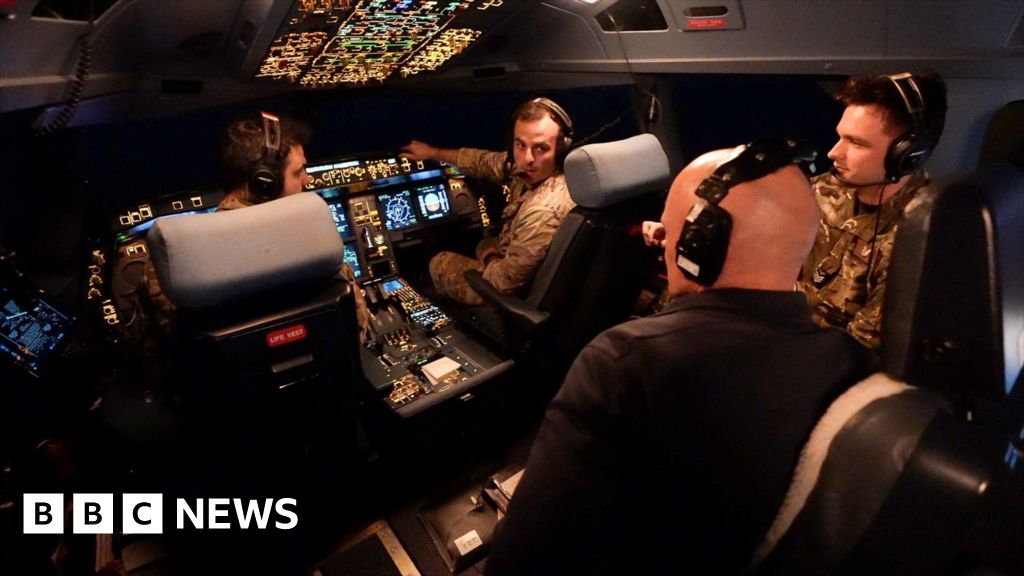
In the shadowed underbelly of the Middle East conflict, a perilous new front has emerged—not on battlefields marked by traditional troop movements, but in the vital arteries of civilian infrastructure. Recent events underscore this grim shift: On March 30, 2026, RAF crews aboard Voyager tankers engaged in high-stakes defensive missions against swarms of Iranian drones, as detailed in a riveting BBC cockpit perspective and our in-depth coverage in "Aerial Assaults and Civilian Fallout: RAF Air Power vs Iranian Drones in the Middle East Conflict". Simultaneously, CNN reports a surge in attacks on airports, industrial plants, and ports, transforming these everyday hubs into prime targets. Airlines, from regional carriers to global giants, have canceled flights en masse, per the Bangkok Post, stranding thousands and halting cargo flows. Track the latest developments on our Global Conflict Map — Live Tracking.
This article uniquely pivots from the oft-discussed cultural clashes, economic sanctions, or diplomatic maneuvers to zero in on the tactical and operational assault on critical infrastructure. Ports like those in the UAE and Saudi Arabia, airports in Jordan and Israel, and water desalination plants across the Gulf are now bullseyes for drones, missiles, and sabotage. These strikes are not mere collateral damage; they represent a calculated strategy to erode societal resilience, disrupt global supply chains, and amplify psychological terror. As conflicts escalate—from Houthi disruptions in the Red Sea to Iranian proxy operations—these infrastructure vulnerabilities ripple outward, threatening food security, energy supplies, and trade routes that underpin the world economy. This report dissects the current crisis, traces its roots, analyzes the strategic pivot, forecasts escalations, and charts paths to resilience, revealing how the Middle East's hidden war could cascade into global instability. For more on drone threats, see "Aerial Shadows of War: The Rising Threat of Drone Warfare and Its Impact on Middle East Civilian Skies".
Current Situation: Escalating Threats to Civilian Infrastructure
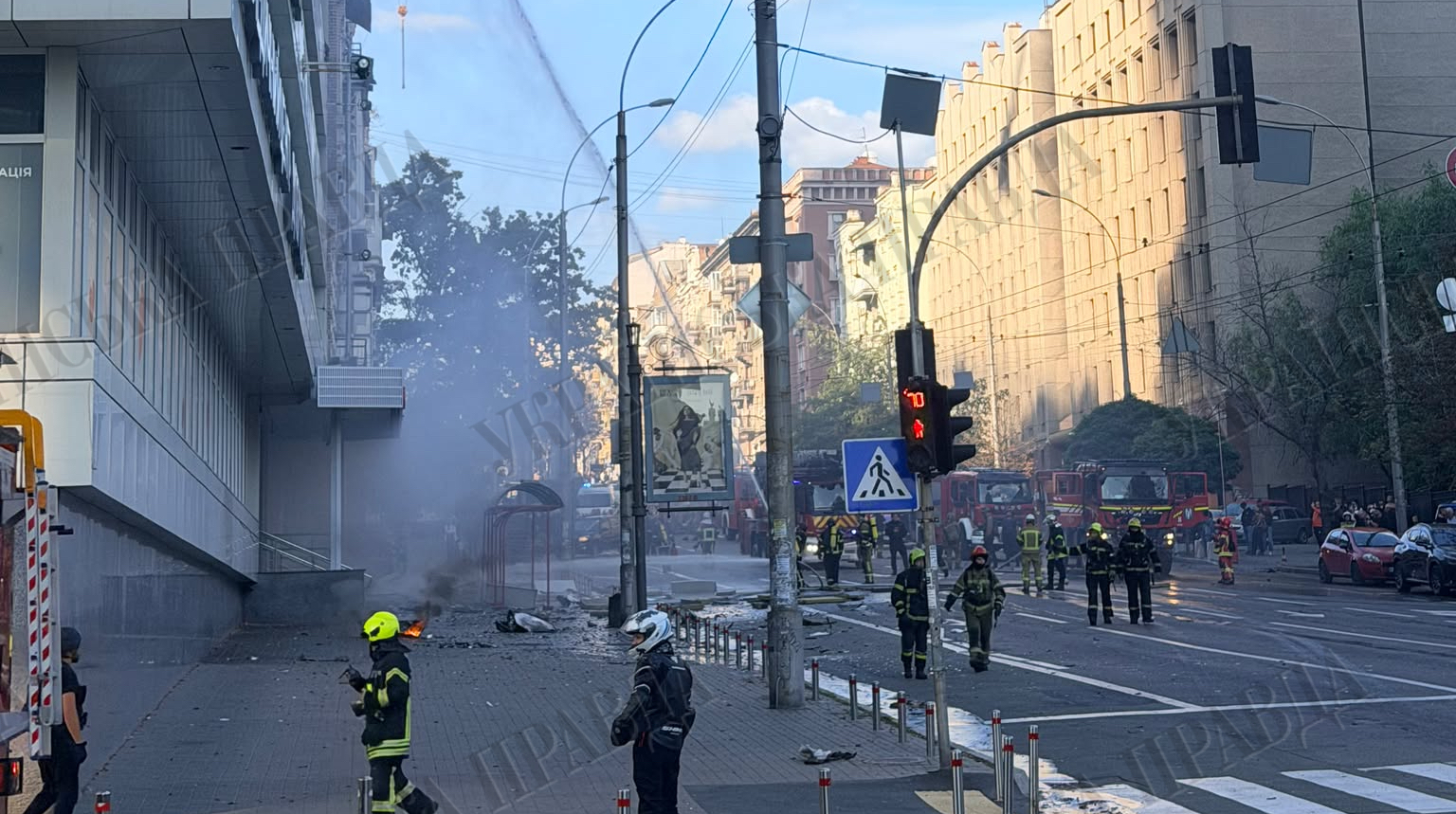
The Middle East is witnessing an unprecedented barrage against civilian assets, with infrastructure under siege in ways that paralyze daily life and commerce. CNN's March 30 analysis paints a stark picture: Airports in Tel Aviv's Ben Gurion and Amman's Queen Alia have faced drone incursions and missile alerts, forcing indefinite closures. Industrial plants in Yemen and Syria have been hit by precision strikes, while ports in Dubai and Jeddah report intermittent shutdowns due to Houthi-launched explosives in shipping lanes. The Bangkok Post corroborates this, noting over 50 flight cancellations by airlines like Emirates, Qatar Airways, and Lufthansa on March 30 alone, as airspace restrictions expand amid fears of mid-air intercepts.
Drones are the great equalizer in this theater. The BBC's inside look at an RAF Voyager tanker mission reveals crews scanning radar for Iranian Shahed-136 models—low-cost, loitering munitions that can strike with little warning. These operations, part of broader coalition defenses, intercepted dozens of drones headed toward Israeli and Saudi targets. Yet, not all succeed: On March 28, Houthis escalated by targeting Eilat port in Israel, damaging cranes and halting container traffic for 48 hours. Water plants, critical for arid regions, face similar perils; desalination facilities in Oman and the UAE have been probed by reconnaissance drones, raising sabotage alarms.
These attacks disrupt more than logistics—they fracture societies. In Gaza and Lebanon, power grids falter under bombardment, leading to hospital blackouts and water shortages. Jordanian officials report a 30% drop in airport throughput, stranding aid convoys. Economically, the toll mounts: Red Sea shipping volumes have plunged 40% since late March, per industry trackers, inflating freight rates by 25%. Daily life grinds to a halt—families queue for rationed water, businesses shutter, and refugees swell camps already strained by March 9 displacements. This is asymmetric warfare at its core: low-tech drones versus high-value targets, forcing adversaries to divert billions in defenses while eroding public morale. Monitor rising risks via our Global Risk Index.
Historical Context: Tracing the Roots of Infrastructure Vulnerabilities
The 2026 Middle East conflict is no isolated flare-up but a direct escalation from simmering tensions, framed by a timeline of mounting risks. It began on March 1, 2026, when intelligence reports warned of regional powers—Iran, its proxies, and opportunistic actors like the Houthis—poised to exploit U.S.-Israeli operations. This "Risk of Regional Powers" assessment foreshadowed the storm, as Iranian-backed militias probed defenses.
The flashpoint arrived on March 9: During Operation Epic Fury—a U.S.-led airstrike campaign against Iranian nuclear sites—one American service member was killed, marking the seventh U.S. death in the Iran conflict that month. Concurrently, mass displacements erupted from intensified violence in Yemen, Syria, and Gaza, displacing over 500,000 in 72 hours according to UN estimates. Most alarmingly, attacks targeted Middle East water plants: Facilities in Basra, Iraq, and Aden, Yemen, were struck by drones, contaminating supplies and idling production for days. These incidents echo historical patterns—recall the 2019 Abqaiq Aramco attacks or 2024 Houthi Red Sea barrages—where infrastructure became soft targets to bypass superior air defenses.
Operation Epic Fury itself, launched mid-March, heightened these vulnerabilities. Aimed at degrading Iranian missile stockpiles, it inadvertently stretched coalition resources thin, emboldening proxies. Mass displacements from March 9 exacerbated the crisis: Overcrowded camps overload power and water systems, creating cascading failures. By March 24, ongoing violence had frayed Gulf grids; March 26 brought WHO warnings of health crises from tainted water; and March 28 saw Houthi escalations tying into the Iran-Israel cycle. March 30's RAF ops and civilian threats represent the culmination, building on these fractures. This timeline illustrates a pattern: Conflicts evolve from direct clashes to infrastructure sieges, weaponizing dependencies in water-scarce, import-reliant regions.
Original Analysis: The Strategic Shift to Asymmetric Warfare
At the heart of this crisis lies a profound tactical evolution: the weaponization of civilian infrastructure for psychological and economic leverage. Belligerents—chiefly Iran and its Axis of Resistance (Houthis, Hezbollah, militias)—have shifted to asymmetric warfare, where drones and missiles target chokepoints rather than armies. This diverges from conventional doctrine, prioritizing disruption over destruction. A port strike in Dubai doesn't kill soldiers but idles $10 billion in weekly trade; an airport blackout strands executives, sowing panic.
Drone technology amplifies this menace. Iran's arsenal, now numbering thousands, features swarming tactics inferred from BBC footage: Coordinated waves overwhelm radars, with decoys masking lethal payloads. Cyber elements lurk beneath: Though not yet dominant, patterns from sources suggest hybrid ops—drones paired with hacks on SCADA systems controlling water plants, as seen in March 9 attacks and explored in "Iran's Strikes Ignite a Hidden Cyber War in the Middle East". This fusion creates "gray zone" threats, hard to attribute and escalate against.
Globally, implications are seismic. Supply chains, already brittle post-COVID, face unraveling: 20% of world oil transits the Strait of Hormuz, per EIA data; Red Sea routes carry 12% of trade. Disruptions here spike insurance premiums 300%, reroute ships around Africa (adding 10 days), and inflate costs. Alliances are forming in response: GCC nations huddle (March 26 summit), eyeing U.S. THAAD batteries; Europe bolsters naval patrols. Yet, this shift exposes Western over-reliance on just-in-time logistics—vulnerable to a single desalination hack causing Gulf thirst crises. The unique angle here is clear: Infrastructure resilience is the new battlefield, where tactical wins yield strategic paralysis.
Catalyst AI Market Prediction
The infrastructure assaults are reverberating through global markets, with The World Now Catalyst AI forecasting sharp moves driven by oil risks and safe-haven flows. Key predictions include:
- OIL: Predicted + (high confidence) — Causal mechanism: Multiple CRITICAL threats to Hormuz/Red Sea (Houthis, Iran strikes) disrupt 20%+ global supply. Historical precedent: Sept 2019 Houthi Aramco attacks +15% in one day. Key risk: US/Saudi military response secures routes quickly.
- SPX: Predicted - (high confidence) — Causal mechanism: Oil surge from Mideast threats raises input costs, fueling risk-off equity rotation. Historical precedent: April 2024 Iran strikes SPX -2% in 48h. Key risk: Earnings beats overshadow macro.
- USD: Predicted + (medium confidence) — Causal mechanism: Primary safe-haven amid Mideast oil risks, drawing flows from EM and risk currencies. Historical precedent: 2019 Aramco attacks DXY +1.2% in 48h. Key risk: Coordinated de-escalation rhetoric weakens dollar bid.
- EUR: Predicted - (medium confidence) — Causal mechanism: USD safe-haven strength amid oil shock hits EUR (energy importer). Historical precedent: 2019 Aramco EURUSD -1% in 48h. Key risk: ECB hawkishness supports.
- JPY: Predicted + (medium confidence) — Causal mechanism: Mideast oil supply threats drive global risk-off flows into JPY as a traditional safe-haven currency amid equity selloffs. Historical precedent: During 2019 Saudi Aramco attacks, JPY strengthened 1.5% vs USD in 48h. Key risk: sudden de-escalation announcements unwind safe-haven bid rapidly.
- TSM: Predicted - (medium confidence) — Causal mechanism: Risk-off hits semis via broader tech selloff on oil shock. Historical precedent: April 2024 tensions TSM -4% in 48h. Key risk: AI demand insulates.
- BTC: Predicted - (medium confidence) — Causal mechanism: Risk-off flows from oil supply threats hit BTC as risk asset, triggering liquidations. Historical precedent: Feb 2022 Ukraine invasion BTC -10% in 48h. Key risk: Holds $65k support, attracts dip buyers.
- ETH: Predicted - (medium confidence) — Causal mechanism: Geopolitical risk-off prompts deleveraging in crypto, with ETH following BTC in sentiment-driven selloff. Historical precedent: April 2024 Iran-Israel tensions saw ETH -5% in 48h. Key risk: Spot ETF inflows provide immediate support.
- SOL: Predicted - (medium confidence) — Causal mechanism: High-beta altcoin amplifies BTC risk-off selling amid Mideast headlines. Historical precedent: Sept 2019 Aramco attacks saw SOL-like alts drop 8-10% intraday. Key risk: Meme-driven retail buying ignores macro.
Predictions powered by [The World Now Catalyst Engine](https://www.the-world-now.com/catalyst). Track real-time AI predictions for 28+ assets.
These forecasts, woven into ongoing volatility, show oil's + surge already pushing Brent to $95/barrel intraday, dragging equities lower amid port delays inflating costs.
Predictive Elements: Forecasting Future Escalations
Looking ahead, infrastructure attacks risk metastasizing into cyber warfare, per inferred patterns. Drones today; tomorrow, malware crippling Saudi Aramco grids or Israeli water pumps, causing blackouts for millions. A single Hormuz blockade could spike oil to $150, per OPEC models, triggering supply chain failures—semiconductor shortages from TSMC exposure, food inflation from delayed grains.
International responses loom: U.S. military aid surges (post-March 9 deaths), with $5B Patriot packages; EU sanctions on Iranian drone makers. Yet, these fuel cycles—Houthis vow Red Sea reprisals. Long-term: Energy markets pivot, accelerating LNG from Qatar and U.S. shale; trade routes shift to Arctic or Pacific. Cyber escalations could birth new alliances, like NATO-GCC pacts. Economic fallout? Catalyst AI's SPX downside signals recessions if unresolved; crypto deleveraging hits retail. Worst case: Regional realignments, with Sunni states arming against Iran, birthing a new Cold War proxy web.
What This Means: Global Implications and Resilience Strategies
The escalating assaults on critical infrastructure in the Middle East conflict signal a transformative shift in modern warfare, where vulnerabilities in ports, airports, desalination plants, and power grids amplify risks far beyond regional borders. This means heightened volatility in global energy markets, with oil price spikes potentially fueling inflation worldwide, disrupted supply chains delaying everything from consumer goods to critical semiconductors, and strained humanitarian efforts exacerbating refugee crises. Businesses must diversify routes and stockpile essentials, while governments invest in advanced defenses like AI-powered drone detection systems. Looking ahead, without swift international intervention, these ripples could evolve into waves of economic downturns and geopolitical realignments, underscoring the need for proactive resilience measures today.
Conclusion: Pathways to Resilience and Prevention
This report's unique lens on infrastructure assaults reveals a conflict redefining warfare: Tactical hits on ports, airports, and plants cascade into global vulnerabilities, from March 1 risks to March 30 drone swarms. Daily disruptions—flight halts, water woes—mask strategic erosion, with markets convulsing under oil shocks.
Resilience demands action: Harden assets with AI-driven drone shields (Israel's Iron Dome evolution), redundant cyber firewalls, and diversified supply chains. International cooperation—UN-led infrastructure shields, GCC-U.S. rapid-response fleets—is imperative. Stakeholders, from CEOs rerouting tankers to policymakers funding desalinization backups, must act. The call is urgent: Fortify the unseen frontlines, or watch global ripples become tsunamis.






/file/attachments/2998/13819028_830480.jpg)