
Magnitude 4.5 Earthquake Strikes 173 km Southeast of Atlasovo in Russia as earthquakes today unfold globally
Multiple earthquakes struck various global locations on September 28, 2026, including a magnitude-4.5 event in Russia, a magnitude-4.2 tremor in Colombia, a magnitude-3.3 quake near the U.S. Virgin Islands, and ongoing seismic activity monitored in Peru.
Recent Earthquakes Reported Worldwide on September 28
A M4.5 earthquake occurred at a depth of 35.0 km, 173 km SE of Atlasovo, Russia. [2] A magnitude-4.2 earthquake struck Chaparral, Tolima, Colombia at 3:39 a.m. local time with shallow depth, followed by a M3.1 event at 4:41 a.m. [4] The area has recorded at least 979 tremors of M2.0 or higher since September 20. [4] A M3.3 earthquake was recorded at a depth of 21.2 km, 92 km NE of Cruz Bay, U.S. Virgin Islands. [1] Peru's IGP reported multiple daily tremors on September 28, 2026. [3] The largest historical event cited was an M8.0 quake in 1974 that killed 252 people. [3] Indonesia's BMKG conducted Earthquake Field School training in Karanganyar, Central Java, to build community preparedness near active faults, emphasizing that earthquakes cannot be precisely predicted. [5]
Ongoing Seismic Sequence in Chaparral, Colombia
A magnitude-4.2 earthquake struck Chaparral, Tolima, Colombia at 3:39 a.m. local time with shallow depth, followed by a M3.1 event at 4:41 a.m. [4] The area has recorded at least 979 tremors of M2.0 or higher since September 20. [4] The SGC informed that the sequence is concentrated mainly in Chaparral with depths less than 30 km. [4] Hypotheses under study include possible stress transfer from the August 10 magnitude-7.4 event in Chocó, fluid migration, and local fault activity in Tolima, though none has been confirmed as the definitive cause. [4] The SGC has reiterated that earthquakes cannot be predicted and continues monitoring while advising the public to consult official channels. [4]
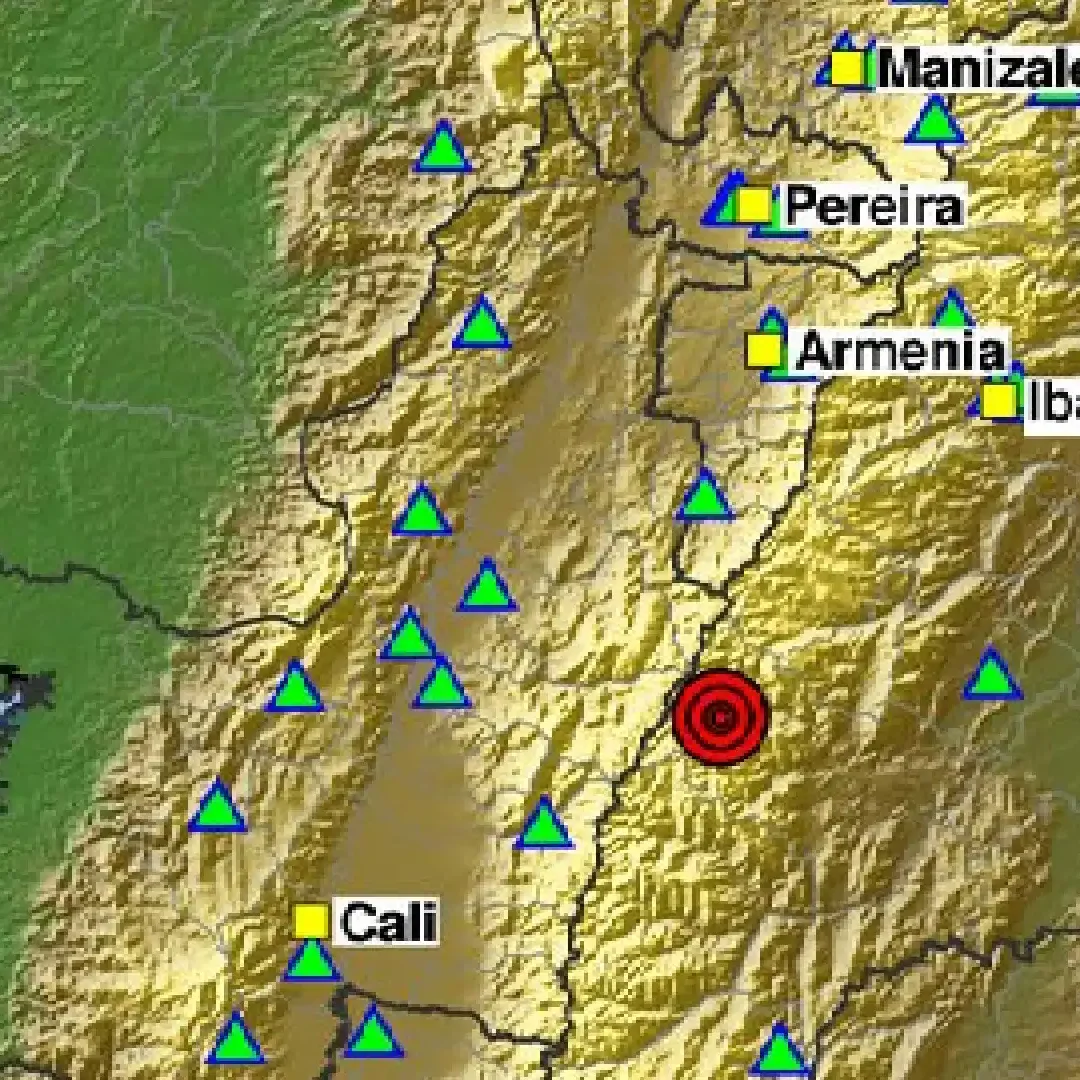
A magnitude-4.2 earthquake struck Chaparral, Tolima, Colombia on September 28, 2026. — Source: gdelt
Peru Tremors and Historical Context
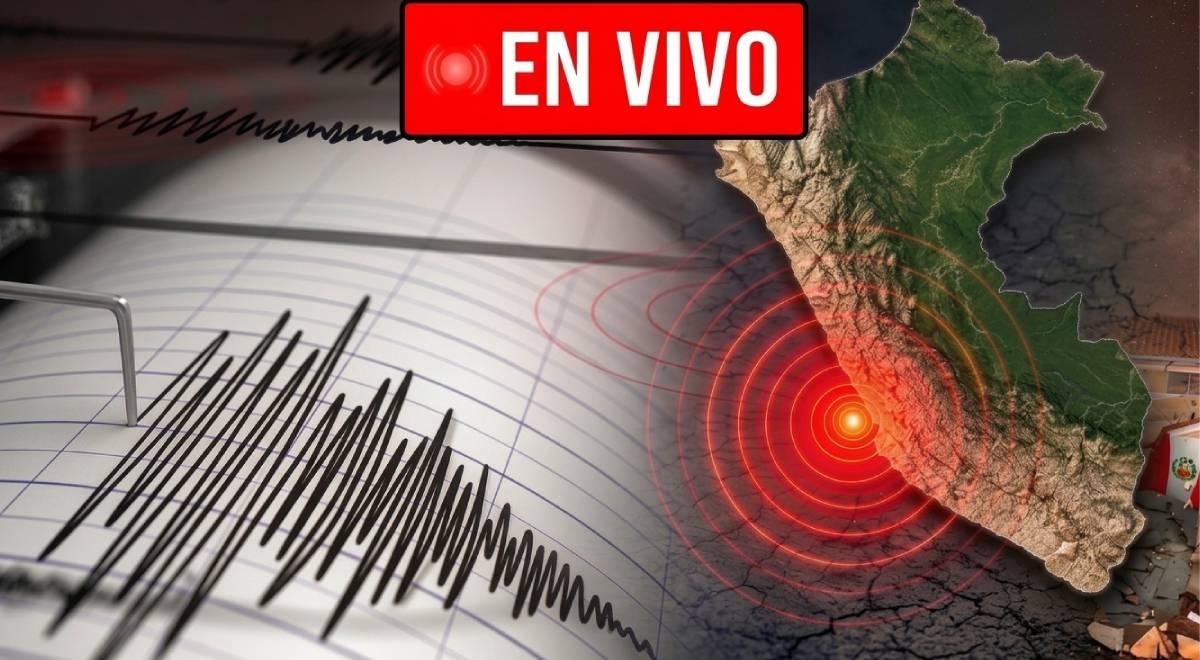
Peru's IGP reported multiple daily tremors on September 28, 2026. [3] The largest historical event cited was an M8.0 quake in 1974 that killed 252 people. [3] The October 3, 1974, magnitude-8.0 event affected Lima and coastal areas, beginning at 9:21 a.m. and lasting about 90 seconds while injuring nearly 3,600 people. [3] Magnitude indicates the energy released by a quake and relates to the Richter scale, while intensity measures how the movement was felt and the damage caused according to the Mercalli scale. [3] Hernando Tavera, president of the IGP, has stated that science does not yet allow exact prediction of location, magnitude, and timing of a seismic event, although forecasts can identify higher-probability zones and estimate possible magnitudes. [3]
U.S. Virgin Islands and Russian Quakes
A M3.3 earthquake was recorded at a depth of 21.2 km, 92 km NE of Cruz Bay, U.S. Virgin Islands. [1] A M4.5 earthquake occurred at a depth of 35.0 km, 173 km SE of Atlasovo, Russia. [2] These reports come directly from USGS data without additional interpretation. [1][2]
Indonesian Training to Reduce Earthquake Risk
Indonesia's BMKG conducted Earthquake Field School training in Karanganyar, Central Java, to build community preparedness near active faults, emphasizing that earthquakes cannot be precisely predicted. [5] The training in Jatiyoso Sub-district involved 53 participants from the Regional Disaster Mitigation Agency, related agencies, educational institutions, volunteers, and media crews. [5] Participants received instruction on the earthquake early warning system, shake simulations, and table-top decision-making exercises led by instructors from the Sleman Class I Geophysics Station. [5] BMKG Head Teuku Faisal Fathani noted that hundreds of seismic sensor units, buoys, tide gauges, and undersea fiber optic cables are available to detect secondary impacts such as tsunamis. [5] The program aligns with global initiatives of Early Warning, Early Action, and Early Warning for All. [5]
Safety Guidance and Limitations of Prediction
Hernando Tavera of the IGP has stated that exact earthquake prediction remains impossible. [3] The SGC has reiterated that earthquakes cannot be predicted. [4] BMKG Head Teuku Faisal Fathani added that no technology can yet precisely forecast when and where an earthquake will occur, underscoring the need for preparedness training. [5] If a quake occurs while outdoors, move away from buildings, poles, trees, and structures that could fall, avoid electrical cables, and stop a vehicle in a safe location away from hazards. [3] The BMKG training aims to enable participants to share mitigation knowledge with families and communities. [5] What to watch next: BMKG plans to expand Earthquake Field School programs to additional communities near active faults while continuing seismic monitoring with existing sensor networks and related technologies.