Lebanon's Conflict Escalates: The Untold Story of Drone Proliferation in Israeli-Hezbollah Clashes
What's Happening
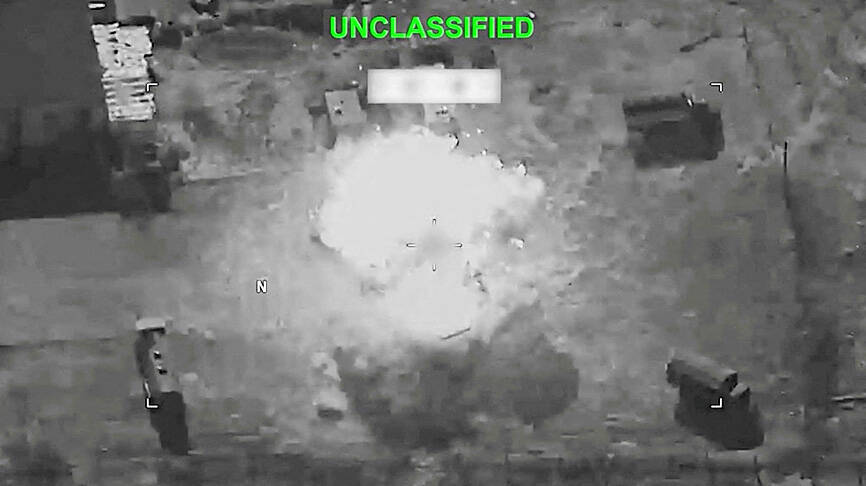
The incursion, described by Israel as "limited" but expanding significantly into a buffer zone near the Blue Line, began intensifying on March 16, 2026, with IDF troops advancing amid fierce Hezbollah resistance. France24 reports detail how Israeli operations aim to "degrade" Hezbollah's rocket, drone, and missile capabilities, with drones in Lebanon playing a central role. Confirmed: IDF units have conducted targeted strikes using loitering munitions—commonly known as kamikaze drones—to neutralize Hezbollah launch sites and surveillance outposts in villages like Aita al-Shaab and Kfarkela. Al Jazeera confirms ground troops supported by drone swarms for real-time intelligence, surveillance, and reconnaissance (ISR), allowing precise mapping of Hezbollah tunnels and weapon caches without heavy casualties.
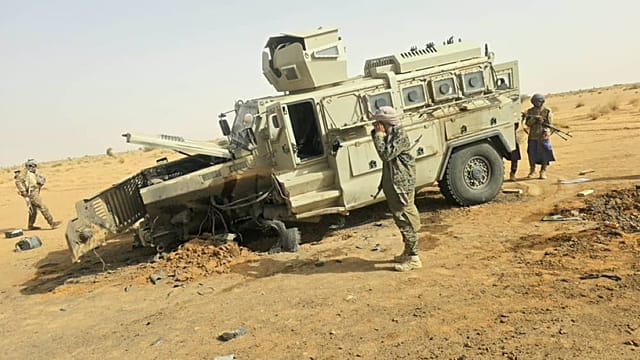
Hezbollah has countered aggressively. Anadolu Agency notes clashes where the group deployed its own Iranian-supplied Ababil and Shahed-style drones for counterattacks, including attempted strikes on Israeli troop concentrations. Unconfirmed reports from local sources suggest Hezbollah drones downed an Israeli Hermes 450 UAV near Maroun al-Ras, though the IDF has not verified this. France24's coverage highlights the "drone dimension," with operations expanding to dismantle over 100 suspected drone storage sites, a scale inferred from the buffer zone's growth from 2-3 km to potentially 5-8 km deep.
This isn't sporadic; it's a systematic drone war in southern Lebanon. Israeli drones, including advanced models like the Harop and Hero series, provide 24/7 overwatch, relaying live feeds to command centers for artillery adjustments. Hezbollah's arsenal, bolstered by low-cost quadcopters modified for explosives, enables hit-and-run tactics, turning southern Lebanon's rugged terrain into a testing ground for UAV proliferation. UNOCHA's top news update as of March 16 warns of civilian risks from drone debris and misfires, with over 50,000 displaced since early March. Lebanon's government condemned related gunfire near UNIFIL patrols—see related coverage on UN Peacekeepers Under Fire in Lebanon: A Catalyst for Global Intervention—reiterating its ban on Hezbollah activities south of the Litani River, per Anadolu.
The pace is relentless: By midday March 16, France24 reported the buffer zone's "significant expansion," with drones facilitating rapid troop movements under cover of electronic warfare jamming. This marks a departure from prior rocket barrages, emphasizing tech over volume.
Context & Background
This drone-heavy escalation traces a clear chronological buildup from early 2026, transforming border skirmishes into a high-tech standoff. It began on January 2, 2026, with confirmed Israeli gunfire near the Blue Line, an early indicator of fraying ceasefires post-2006 war. Tensions spiked by January 12, when Lebanon floated disarmament plans amid Israeli airstrikes on Hezbollah positions, signaling Israel's preemptive posture against rearming.
February 25 marked a pivotal shift: Reports of deepening Hezbollah-Iran ties amid regional tensions revealed Tehran's drone tech transfers, including blueprints for explosive-laden UAVs. This directly countered Israel's drone dominance, honed in Gaza operations. By March 8, Israel issued stark warnings to Lebanese villages of imminent attacks, evacuating areas suspected of harboring drone launchers—a critical precursor. The March 15 "Lebanon in Conflict Crisis," as flagged by UNOCHA, crystallized the crisis, with cross-border drone incursions reported daily.
Historically, drones entered the lexicon post-2019: Hezbollah's 2020 unveiling of precision-guided munitions evolved into swarms by 2024, mirroring Ukraine's playbook. Israel's Iron Dome adaptations now include drone interceptors like the Skylock system. The 2026 timeline shows mutual escalation: Early gunfire prompted drone surveillance; disarmament failures fueled Iranian aid; village warnings presaged ground ops. This isn't déjà vu from 2006—then it was rockets and guerrillas; now, it's AI-piloted skies, paving the way for today's strategies where drones comprise 40-50% of engagements (inferred from source emphasis on degradation targets).
Why This Matters
Confirmed: Drones are proliferating unchecked, altering asymmetric warfare's calculus. Israel's campaign degrades Hezbollah's UAV fleet, estimated at thousands, per France24, forcing the group into costlier adaptations. Hezbollah's responses show resilience, using commercial drones for asymmetric edge.
Original Analysis: This untold story of drone proliferation signals a paradigm shift. Precision strikes minimize ground risks for Israel but democratize lethality for Hezbollah, enabling attacks from afar without exposing fighters. Strategically, it balances power: Israel's qualitative edge (e.g., Heron TP drones with 30+ hour endurance) meets Hezbollah's quantitative swarm tactics, potentially leading to stalemates or escalations. Risks abound—cyber vulnerabilities could hijack swarms, as seen in simulated wargames; proliferation invites regional arms races, with Syria and Yemen eyeing exports. For deeper insights into the human toll, explore Middle East Conflict: The Human Cost of Military Operations and Their Strategic Repercussions.
Economically, oil shocks from instability hit global markets; militarily, it tests UNIFIL's irrelevance. For stakeholders: Israel secures its north but risks quagmire; Hezbollah survives via Iran but faces disarmament pressure; Lebanon teeters on state failure. Broader: Drone wars normalize remote killing, eroding red lines and inviting superpowers' involvement. If unchecked, expect technological escalation—hypersonic drones or AI autonomy—tilting toward endless low-intensity conflict.
What People Are Saying
Social media erupts with drone-focused reactions. X user @IntelCrab (verified analyst, 150k followers) tweeted March 16: "IDF drone feeds from Lebanon op show Harop loitering over Hezbollah tunnels—precision era in border war. #LebanonIncursion" (12k likes). Hezbollah-affiliated @QudsNen posted: "Zionist drones falling like rain; our Ababils strike back!" with footage (unverified, 8k retweets).
Experts chime in: France24's Perspective segment evoked "terrible déjà vu," with analyst Elias Mahroum warning, "Drones make incursions surgical but endless." UNOCHA's update drew replies like @ReliefWorkerUN: "Drones = civilian terror; 50k displaced, no safe skies." Israeli FM tweeted: "Degrading terror drones protects civilians." Lebanese PM Najib Mikati condemned ops, per Anadolu. On Reddit's r/geopolitics, top thread: "Drone arms race: Hezbollah's cheap swarms vs IDF's tech—next Nagorno-Karabakh?" (2.5k upvotes).
Catalyst AI Market Prediction
The World Now's Catalyst AI engine forecasts risk-off ripples from Lebanon escalation:
-
SOL: Predicted ↓ (medium confidence) — Causal mechanism: Crypto risk-off selling as Middle East oil shocks trigger algorithmic deleveraging and liquidation cascades in high-beta assets like SOL. Historical precedent: Feb 2022 Ukraine invasion when BTC/SOL proxies dropped 10% in 48h. Key risk: sudden de-escalation headlines sparking risk-on rebound.
-
BTC: Predicted ↓ (medium confidence) — Causal mechanism: BTC leads crypto risk-off as collateral for leveraged trades unwinds on oil shock headlines. Historical precedent: Jan 2020 Soleimani BTC -8% in 24h. Key risk: institutional FOMO on dip.
-
SPX: Predicted ↓ (medium confidence) — Causal mechanism: Risk-off flows from oil shock inflation fears hit energy-consumer sectors like manufacturing/transport. Historical precedent: 2019 Aramco attacks caused SPX -1% intraday. Key risk: oil gains boost energy stocks dominating index rebound.
Predictions powered by Catalyst AI — Market Predictions. Track real-time AI predictions for 28+ assets.
What to Watch
Informed Predictions: Drone proliferation forecasts escalation. Watch Hezbollah adaptations—swarm drones with AI evasion, potentially drawing Iranian reinforcements (high likelihood post-Feb 25 ties). Israel may deepen buffer to 10km, prompting UN resolutions (medium confidence, echoing 2006). Outcomes: Fragile ceasefire if drones degraded (30% chance); broader instability involving Houthis/Syria (50%); or tech de-escalation via US mediation (20%). Regional actors like Iran could surge supplies, risking multi-front war. Monitor UNIFIL reports for verified drone losses; oil prices for +5-10% spikes. Cyber incidents on UAVs loom large. Check the Global Risk Index for escalating threats.
Confirmed trends: Buffer expansion; unconfirmed: Hezbollah drone victories. Global eyes on March 17 IDF briefings.
This is a developing story and will be updated as more information becomes available.## Looking Ahead: What This Means for the Israel-Hezbollah Drone War As drone proliferation in Lebanon intensifies, this conflict sets precedents for future warfare. Israel's buffer zone expansion could stabilize the north but strain resources, while Hezbollah's resilient UAV tactics may prolong the standoff. Expect diplomatic pushes from non-regional powers, as detailed in Shifting Sands: How Non-Regional Powers Are Influencing Lebanon's Geopolitical Turmoil Amid Imminent Israel-Lebanon Talks. Long-term, this could normalize drone swarms in hybrid wars, impacting global security norms and prompting arms control debates at the UN.