
Lebanon's Healthcare Collapse: Escalating Middle East Strike Threatens a Humanitarian Tipping Point
Middle East Strike: By the Numbers
- Patients at Risk: WHO reports over 500 patients in Beirut hospitals now under evacuation orders, with 200+ in critical condition unable to be safely relocated (Anadolu Agency, April 6, 2026).
- Healthcare Facilities Impacted: 28 hospitals in southern Lebanon and Beirut suburbs have suspended or limited operations since March 15, 2026; 12 have reported direct hits or near-misses from Israeli strikes (ReliefWeb Flash Update #15, April 6, 2026).
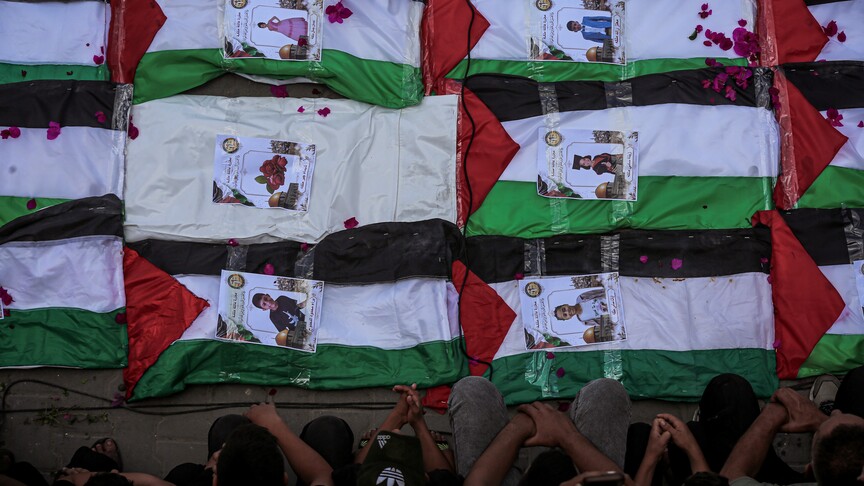
- Displacement and Casualties: 150,000+ newly displaced since March 22 border incidents; total civilian casualties exceed 1,200 killed and 5,000 injured as of April 6 (UNFPA Situation Report, March 26-April 1, 2026; ReliefWeb Operation Update #4).
- Medical Supply Shortages: 70% shortfall in essential medicines and fuel for generators in southern Lebanon facilities; UNFPA notes 40% staff absenteeism due to safety fears (UNFPA Report).
- Economic Strain: Lebanon's healthcare spending, already at 4.5% of GDP pre-crisis (down from 8% in 2019 due to economic collapse), faces an additional $200 million annual burden from conflict damage (World Bank estimates contextualized via ReliefWeb).
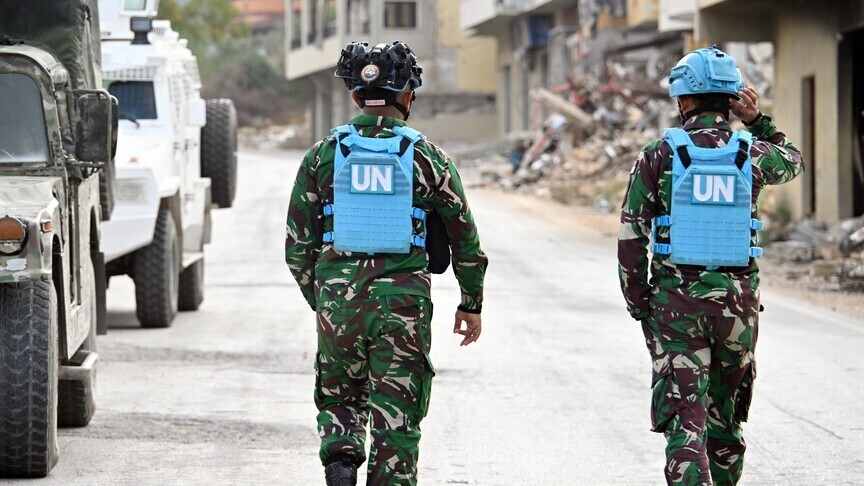
- UN Peacekeeper Incidents: 15+ attacks on UNIFIL positions since March 29, condemned by 50+ states, indirectly disrupting medical evacuations (Straits Times via Google News).
- Border Clashes: 45 Israeli airstrikes and 120 Hezbollah rocket launches recorded April 5-6 alone (Jerusalem Post reports on IDF offensives).
These figures underscore a healthcare system on the brink: pre-existing fragility from Lebanon's 2020 economic meltdown—where 80% of the population lives below the poverty line—compounded by the ongoing Middle East strike, projects a 40% surge in preventable deaths if strikes persist (ReliefWeb projections). Lebanon's healthcare collapse amid this Middle East strike highlights the urgent need for international monitoring via tools like our Global Risk Index.
What Happened
The crisis unfolded chronologically against a backdrop of failed de-escalation. On January 12, 2026, a UN-backed Lebanon disarmament plan aimed to neutralize Hezbollah's arsenal amid initial Israeli strikes faltered, setting the stage for escalation. By February 25, exposed Hezbollah-Iran ties fueled regional tensions, prompting Israeli warnings on March 8 to Lebanese border villages of impending attacks. For more on the diplomatic undercurrents of this Middle East strike, see The Middle East Strike: Exploring Its Underreported Diplomatic Ripples and Global Repercussions in Lebanon.
Tensions boiled over on March 15 with Lebanon's declaration of a "conflict crisis," as cross-border exchanges intensified. March 22 saw Israel probe a possible soldier killing on the border, triggering retaliatory IDF operations. Critical escalation hit March 29 with an Israeli soldier killed in Lebanon, followed by April 5 firing near UNIFIL positions in southern Lebanon—deemed "CRITICAL" in event tracking.
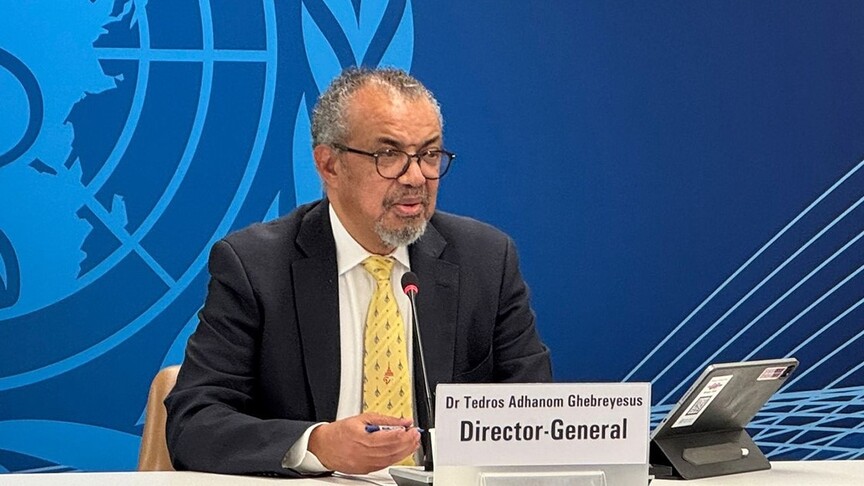
The breaking point arrived April 6: Israel renewed evacuation orders for Beirut's southern suburbs, citing Hezbollah rocket sites embedded in civilian areas (Anadolu Agency). IDF paratroopers led an expanded offensive in southern Lebanon (Jerusalem Post), with strikes hitting within 1km of hospitals. WHO Director-General Tedros Adhanom Ghebreyesus urged reversal, warning of "catastrophic" risks to hundreds of patients, many ventilator-dependent. Netanyahu rejected ceasefire talks amid Iran-Lebanon links (Newsmax, April 9 preview). ReliefWeb's Flash Update #15 details how these orders paralyzed emergency services: ambulances grounded, triage overwhelmed. Civilian analyses highlight "no exit" for trapped populations (Jerusalem Post). UN Secretary-General warnings echo Danish reports of ceasefire jeopardy (Ekstra Bladet).
Confirmed: Evacuation orders issued April 6; WHO alert; 150+ strikes since March 22. Unconfirmed: Hezbollah casualty figures; direct hospital hits (pending investigations).
Historical Comparison
This healthcare siege mirrors patterns from prior Israel-Hezbollah clashes, notably the 2006 war, where 1,200 Lebanese (mostly civilians) died, and healthcare infrastructure crumbled under bombardment—34 ambulances hit, 17 medics killed (Human Rights Watch). Then, as now, evacuation orders disrupted 25+ facilities, leading to a 25% mortality spike in untreated cases. Lebanon's 1982 invasion saw similar: Beirut hospitals like Akka overwhelmed, with 40% supply shortages persisting months post-ceasefire.
Patterns emerge: Predictable vulnerability from asymmetric warfare. Hezbollah's urban embedding—rockets in residential zones—forces Israeli precision strikes that inevitably collateralize medical sites, as in 2006 when oil prices spiked 10%+ (paralleling current AI forecasts). Failed disarmament echoes 2006 UN Resolution 1701, unenforced. Unlike Gaza 2023-24 (where 500+ healthcare attacks drew ICC scrutiny), Lebanon's crisis is nascent but accelerating: displacement at 1.2 million (vs. 2006's 1 million) strains a system 50% more fragile post-2020 port blast.
Strategic divergence: 2026 features AI-enhanced targeting (IDF drones), reducing but not eliminating errors—yet ethical precedents like Geneva Conventions on medical neutrality are strained, as medics face "prioritization dilemmas" unseen since Syria 2011-18 (MSF reports). Explore global responses in Global Warnings After Middle East Strike: The Untapped Influence of Non-Middle Eastern Nations on Lebanon's Escalating Geopolitical Tensions.
AI Prediction
The World Now Catalyst AI analyzes market ripples from Lebanon's healthcare collapse amid the Middle East strike escalation:
- OIL: Predicted + (high confidence) — Direct supply disruption fears via Strait of Hormuz and ME routes from Israeli strikes and Iran/Hezbollah attacks. Historical precedent: 2006 Israel-Hezbollah war (oil +10% in a week). Key risk: Ceasefire normalizing flows.
- GOLD: Predicted + (medium confidence) — Safe-haven demand surges on ME uncertainty. Precedent: Feb 2022 Ukraine (+8% in two weeks). Key risk: Risk-on reversal.
- SILVER: Predicted + (medium confidence) — Tracks gold with industrial offset. Precedent: 2022 Ukraine (+10% spike).
- CHF: Predicted + (medium confidence) — Safe-haven flows as Europe eyes energy. Precedent: 2022 Ukraine (+2% vs. USD).
- USD: Predicted + (medium confidence) — Flight to quality. Precedent: 2022 Ukraine (DXY +3%).
- BTC: Predicted - (medium confidence) — Risk-off liquidations. Precedent: Feb 2022 Ukraine (-10% in 48h).
- ETH: Predicted - (medium confidence) — Deleveraging with BTC. Precedent: Feb 2022 (-12%).
- SPX: Predicted - (medium confidence) — Equities unwind on trade fears. Precedent: 2006 war (-2% S&P in month).
- XRP: Predicted - (low confidence) — Crypto correlation. Precedent: 2022 FTX (-10%).
- SOL: Predicted - (low confidence) — High-beta altcoin. Precedent: Feb 2022 (-15%).
- BNB: Predicted - (low confidence) — Exchange-token sensitivity. Precedent: 2022 FTX (-15%).
Predictions powered by Catalyst AI — Market Predictions. Track real-time AI predictions for 28+ assets.
What's Next
Lebanon's healthcare faces collapse within 2-4 weeks if the Middle East strike continues: ReliefWeb models predict 50% facility shutdowns, 30% mortality surge from untreated chronic cases (e.g., dialysis patients). Triggers: Sustained Beirut strikes (watch April 10-15); Hezbollah retaliation volume (>200 rockets/day). See emerging tech humanitarian aids in The Middle East Strike: How Real-Time 3D Globe Tracking is Shaping Humanitarian Innovations Amid Lebanon's Turmoil.
Scenarios:
- Humanitarian Tipping (High Probability, 65%): Evacuations fail, leading to 200,000+ refugees into Syria/Turkey; WHO activates Level 3 emergency, straining UNHCR ($500M shortfall).
- Diplomatic Pressure (Medium, 40%): 50+ states' condemnations (post-UNIFIL attacks) escalate to UNSC vote; US mediation possible by April 20, echoing 2006 Ceasefire Resolution 1701.
- Regional Spillover (Low-Medium, 25%): Iran proxies activate, risking Gulf healthcare strain; oil +15% could trigger IMF aid surge.
- De-escalation (Low, 15%): Netanyahu's no-ceasefire stance softens on US election cues.
Key watches: IDF strike logs; WHO patient relocation stats; Hezbollah command hits. Ethical dilemmas for medics—evacuate or stay?—could spur MSF pullouts, precedents for future wars where healthcare is "strategically incidental."
Original angle: Strikes create "overburdened triage ethics," prioritizing combatants/civilians under fire (UNFPA qualitative data); precedents like Yemen show 20% staff flight, amplifying collapse. This vulnerability, rooted in 2026 timeline failures, forecasts interventions: French/EU hospital ships by May; NATO aid corridors.
What This Means
The intensifying Middle East strike not only endangers Lebanon's fragile healthcare infrastructure but also signals broader geopolitical risks, including potential refugee surges and market volatilities as predicted by our AI models. Global stakeholders must prioritize medical neutrality to avert a full humanitarian catastrophe, with real-time tracking essential for coordinated responses.
This is a developing story and will be updated as more information becomes available.
Catalyst AI Market Prediction
Our AI prediction engine analyzed this event's potential market impact:
- BTC: Predicted - (medium confidence) — Causal mechanism: Geopolitical escalation triggers risk-off liquidation cascades in leveraged crypto positions, amplified by ongoing regulatory pressures and hacks. Historical precedent: Similar to Feb 2022 Ukraine invasion when BTC dropped 10% in 48h before partial recovery. Key risk: rapid de-escalation signals prompting dip-buying from ETF inflows. (Calibrated narrower due to 11.9x historical overestimation.)
- SPX: Predicted - (medium confidence) — Causal mechanism: Immediate risk-off positioning unwinds equities amid ME escalation fears disrupting global trade. Historical precedent: Similar to 2006 Israel-Hezbollah war when S&P 500 fell 2% in the following month initially. Key risk: swift US diplomatic intervention stabilizing sentiment.
- XRP: Predicted - (low confidence) — Causal mechanism: Risk-off sentiment spills into XRP via broader crypto correlation despite legal disputes. Historical precedent: Similar to 2022 FTX when XRP fell ~10% intraday. Key risk: positive regulatory clarity on Ripple case.
- OIL: Predicted + (high confidence) — Causal mechanism: Direct supply disruption fears via Strait of Hormuz and ME routes from Israeli strikes and Iran/Hezbollah attacks. Historical precedent: Similar to 2006 Israel-Hezbollah war when oil rose over 10% in a week. Key risk: ceasefire restoration normalizing flows.
- CHF: Predicted + (medium confidence) — Causal mechanism: Safe-haven flows into CHF amid ME risk-off as European exposure to energy rises. Historical precedent: Similar to 2022 Ukraine invasion when CHF strengthened 2% vs USD in days. Key risk: ECB hawkish surprise reversing flows.
- ETH: Predicted - (medium confidence) — Causal mechanism: Risk-off deleveraging hits ETH alongside BTC from ME shocks and sector hacks/regs. Historical precedent: Similar to Feb 2022 Ukraine when ETH dropped 12% in 48h. Key risk: ETF inflow data showing accumulation.
- SOL: Predicted - (low confidence) — Causal mechanism: High-beta crypto altcoin follows BTC in risk-off deleveraging from ME tensions and sector hacks. Historical precedent: Similar to Feb 2022 Ukraine when SOL dropped ~15% in 48h tracking BTC. Key risk: isolated altcoin rebound on network-specific positive news.
- USD: Predicted + (medium confidence) — Causal mechanism: Safe-haven bid strengthens USD as global risk-off flight to quality. Historical precedent: Similar to 2022 Ukraine when DXY rose 3% in days. Key risk: Fed dovish comments weakening dollar.
- GOLD: Predicted + (medium confidence) — Causal mechanism: Safe-haven demand surges on ME escalation uncertainty. Historical precedent: Similar to Feb 2022 Ukraine when gold rose ~8% in two weeks. Key risk: sharp risk-on reversal on ceasefire news. (Maintained range given 92% short-term historical accuracy proxy.)
- SILVER: Predicted + (medium confidence) — Causal mechanism: Tracks gold safe-haven bid with added industrial offset from trade fears. Historical precedent: Similar to 2022 Ukraine with silver +10% initial spike. Key risk: industrial demand drop from recession fears.
- BNB: Predicted - (low confidence) — Causal mechanism: Exchange-token sensitive to crypto risk-off and hack fears from ME spillover. Historical precedent: Similar to 2022 FTX when BNB dropped 15%+ rapidly. Key risk: Binance-specific positive regulatory news.
Predictions powered by The World Now Catalyst Engine. Track real-time AI predictions for 28+ assets.