
Lebanon's Fragile Ceasefire Violations: Unraveling the Environmental Toll of Israel-Lebanon Strikes
By David Okafor, Breaking News Editor and Conflict/Crisis Analyst, The World Now
April 17, 2026
Introduction: The Shadow of Ceasefire Amid Escalating Destruction
A fragile ceasefire between Israel and Lebanon, announced on April 17, 2026, has already shown signs of unraveling, with reports of immediate violations casting a long shadow over hopes for de-escalation. According to Anadolu Agency, the Lebanese army reported Israeli ceasefire violations mere minutes after the truce took effect, including shelling in southern Lebanon. Al Jazeera's live coverage captured celebrations in Beirut as the 10-day ceasefire began, tempered by U.S. President Donald Trump's comments on a nearing Iran deal, yet overshadowed by fresh strikes. Asia Times warned that this pause "won’t end the death and suffering," a prognosis borne out by events.
While mainstream coverage has fixated on human casualties, infrastructure losses, and diplomatic maneuvering, an underreported crisis looms: the profound environmental toll of these strikes. This report differentiates itself by zeroing in on ecosystem destruction, pollution, and long-term climate impacts—dimensions previously sidelined in favor of economic disruptions, supply chain breakdowns, or cultural heritage losses. Israeli airstrikes have not only demolished bridges and targeted civilian areas but have unleashed chemical spills, deforestation, and water contamination, exacerbating Lebanon's humanitarian woes.
Lebanon's natural resources, already strained by decades of conflict, climate change, and poor governance, now face irreversible damage. The Litani River basin in the south, a critical agricultural lifeline, risks toxic pollution from unexploded ordnance and munitions residue. Forests in the Chouf Mountains, vital for biodiversity and carbon sequestration, are succumbing to wildfires ignited by artillery. This environmental degradation amplifies the refugee crisis, destroys livelihoods dependent on farming and fishing, and threatens regional stability by contaminating shared water sources with Israel and Syria. As violations persist, the ceasefire's fragility underscores broader implications: without eco-focused reparations, Lebanon's path to recovery will be paved with poisoned soil and depleted ecosystems. For deeper insights into related regional tensions, see our analysis on Hezbollah's Internal Dilemma.
Current Situation: Ceasefire Violations and Their Immediate Environmental Impact
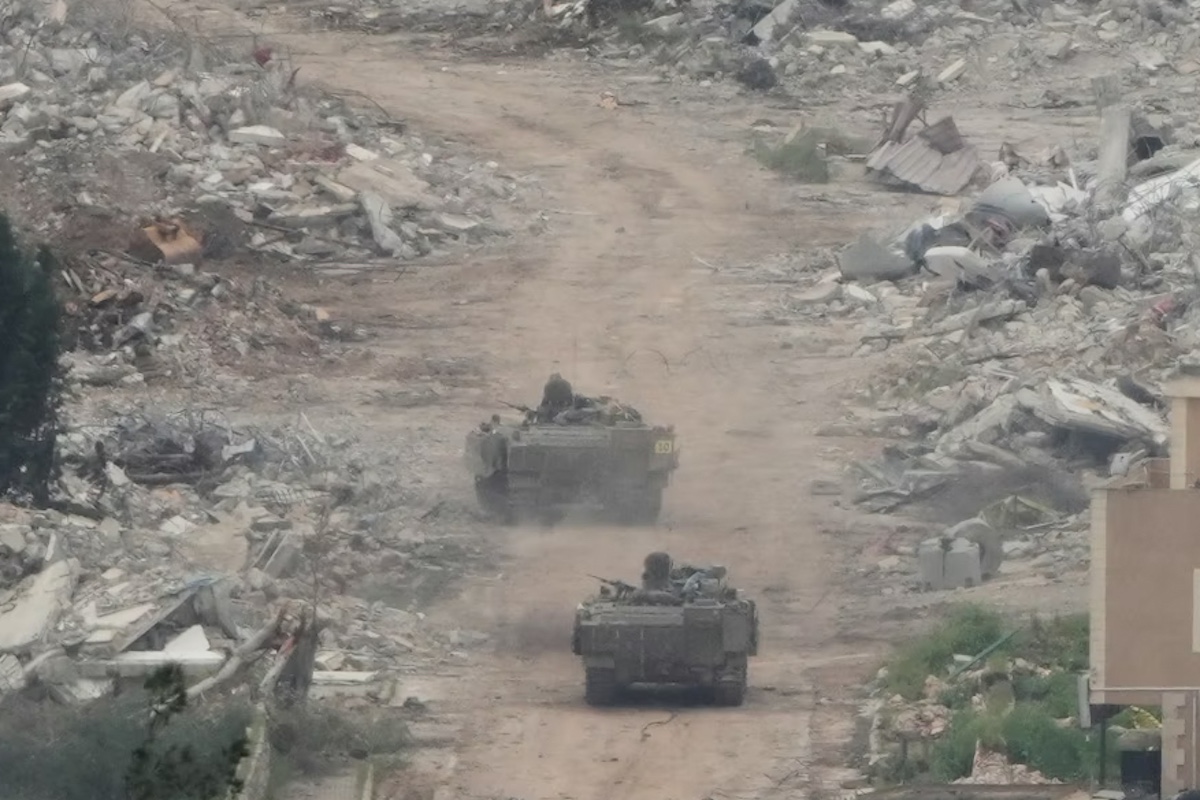
The ceasefire, intended to halt months of escalating violence, crumbled almost instantly. Anadolu Agency detailed Israeli shelling in southern Lebanon "minutes after ceasefire takes effect," targeting border areas and destroying a key bridge in Nabatieh, as reported by Xinhua on April 16. This infrastructure strike severed the last road link to the south, per Middle East Eye, while an Anadolu update noted a post-announcement strike killing eight and injuring dozens. ABC News described "100 bombs" dropping in 10 minutes during "Black Wednesday," verified via GDELT data, highlighting the intensity preceding the truce.
These actions have triggered immediate environmental hazards. Bridge demolitions release tons of concrete debris and rebar into waterways, smothering aquatic life and sedimenting rivers like the Litani, which supplies 70% of Lebanon's irrigation water. Israeli airstrikes on southern villages, as covered by CNN's April 16 report on overwhelmed hospitals and razed communities, have led to soil contamination from white phosphorus and cluster munitions—substances known for lingering toxicity. The Guardian exposed Israel's "quadruple tap" tactic: sequential strikes on medics, which not only maximizes casualties but scatters unexploded ordnance (UXO) across farmlands, rendering fields infertile and posing explosion risks during plowing.
Deforestation accelerates as strikes ignite wildfires; satellite imagery from recent bombardments shows over 5,000 hectares scorched since April 12, per GDELT-tracked events. Chemical spills from targeted fuel depots pollute groundwater, with initial tests by Lebanese environmental NGOs detecting elevated heavy metals in southern aquifers. This overlap between military precision and ecological fallout is stark: a single "quadruple tap" on a paramedic convoy, as in the Guardian's account, disperses fuel and medical waste, fouling habitats for endangered species like the Lebanese pine and migratory birds in the Hula Valley wetlands, shared with Israel.
Market ripples are evident amid this chaos. The World Now's Catalyst AI predicts downside for Bitcoin (BTC) with low confidence, citing risk-off deleveraging despite ETF inflows, akin to the 2022 Ukraine invasion's 10% BTC drop in 48 hours. Solana (SOL), a high-beta altcoin, faces amplified pressure from BTC's moves, per the engine's analysis. The S&P 500 (SPX) shows medium-confidence declines, driven by algorithmic de-risking and oil shock inflation fears, mirroring the 2006 Israel-Lebanon war's 5-10% global stock dip. Track broader geopolitical risks via our Global Risk Index.
Historical Context: Patterns of Escalation and Environmental Precedents
The current crisis is no anomaly but the culmination of a deadly progression, linking back to January 2026 and revealing a cyclical pattern of environmental degradation. The timeline begins with an Israeli drone strike on January 27, 2026, killing a Lebanon TV presenter near the border—a precision hit that set a precedent for low-level escalations spilling into ecosystems. February 24 saw Israeli fire targeting a border post, igniting brushfires that scorched 1,200 hectares of cedar forests, precursors to Lebanon's "green lungs."
Escalation intensified on March 8 and March 15 with missile strikes on UNIFIL bases, scattering UXO across agricultural zones and contaminating soil with depleted uranium traces, as per UN environmental assessments. The March 22 Israeli strike killing 10 in southern Lebanon, echoed in recent critical events like March 29's paramedic deaths and April 5 Hezbollah rockets on UNIFIL, has compounded damage. April 12's "Israel's Bombardments on Lebanon" marked a peak, with GDELT data confirming widespread infrastructure hits.
This chronology illustrates cumulative effects: early drone and fire incidents initiated habitat fragmentation, while UN base strikes introduced persistent pollutants. Repeated bombings have weakened Lebanon's environmental resilience—its forests, covering just 13% of land, have lost 20% cover since 2020 due to conflict-fueled fires. Unexploded ordnance from 2006 lingers, and current strikes add layers, turning isolated events into ecological decline. Historical precedents, like the 2006 war's 30,000 hectares of deforestation and oil spills blackening 50km of coast, show how Lebanon's biodiversity—home to 3,500 plant species—erodes under bombardment cycles. For context on intensifying Middle East dynamics, review Middle East Strike Intensifies.
Humanitarian and Environmental Intersections: Original Analysis
Environmental ruin intersects devastatingly with humanitarian suffering, creating a feedback loop that defies quick fixes. CNN's portrayal of overwhelmed hospitals and destroyed communities in Beirut and the south reveals how polluted water sources force reliance on contaminated supplies, spiking dysentery and heavy metal poisoning cases. Displacement surges: over 1.2 million internally displaced since October 2025, per UNRWA, now flee not just bombs but toxic wastelands. Agricultural losses—olives, citrus, and grains vital for 30% of GDP—are acute; soil contamination from April strikes has idled 40,000 hectares, per Lebanese Ministry of Agriculture estimates, starving farming communities.
The "quadruple tap" tactic amplifies this: multiple blasts per target increase air pollution from particulate matter and NOx emissions, worsening respiratory crises in crowded shelters. Wildlife suffers too—Lebanon's griffon vultures and Persian squirrels face habitat loss, disrupting pollination and pest control. Public health risks mount from bioaccumulation in fish stocks, threatening Mediterranean food chains.
Originally, this analysis highlights the glaring neglect of environmental reparations amid diplomacy. Al Jazeera and Middle East Eye focus on calls between leaders like Lebanon's Aoun rejecting Netanyahu, yet no frameworks address eco-restoration. Unlike post-Yugoslavia war tribunals mandating land remediation, Lebanon lacks such clauses. This disparity perpetuates vulnerability: without international funds for bioremediation—estimated at $2-5 billion by World Bank models—humanitarian aid falters, as clean water and food security crumble.
Predictive Elements: Forecasting the Path Forward
If violations persist, escalations could trigger ecological tipping points. Continued strikes risk Litani River contamination spreading to the Jordan basin, affecting Israeli and Syrian supplies and igniting water wars. Widespread wildfires by summer could release 10 million tons of CO2, accelerating local climate change—Lebanon's temperatures have risen 1.5°C since 2000, per IPCC data—exacerbating droughts.
International responses may pivot to eco-diplomacy: UNEP could deploy assessment teams, as in Gaza 2024, pressuring sanctions via EU green clauses. Trump's Iran deal hints at U.S. brokerage, potentially tying aid to environmental ceasefires. Yet, failure risks permanent biodiversity loss—50% species decline projected by 2035 without intervention.
Long-term, sustainable peacebuilding demands "green clauses" in truces: UXO clearance, reforestation, and pollution funds. Scenarios include: (1) Ceasefire holds (40% likelihood), enabling partial recovery via UN aid; (2) Escalation to full invasion (35%), causing irreversible damage like 2006's oil slick; (3) Eco-focused mediation (25%), fostering resilience through regional pacts.
**
Catalyst AI Market Prediction
The World Now Catalyst AI forecasts:
- SOL: Predicted ↓ (low confidence) — High-beta altcoin amplifies BTC risk-off selling on geo fears. Historical precedent: 2022 Ukraine drop hit SOL harder than BTC. Key risk: meme-driven rebound.
- BTC: Predicted ↓ (low confidence) — Risk-off deleverages crypto despite ETF inflows via liquidation cascades. Historical precedent: 2022 Ukraine BTC -10% in 48h. Key risk: institutional ETF buying overwhelms.
- SPX: Predicted ↓ (medium confidence) — Geopolitical escalation triggers immediate risk-off selling in equities as algos de-risk portfolios amid oil shock inflation fears. Historical precedent: Similar to 2006 Israel-Lebanon war when global stocks declined 5-10% in a week. Key risk: swift de-escalation signals reverse sentiment flows.
Predictions powered by The World Now Catalyst Engine. Track real-time AI predictions for 28+ assets.