War Iran reaches day 96 with US-Iran strikes continuing across the Gulf
The war iran has now reached its 96th day, with the United States and Iran trading strikes across the Gulf as both sides maintain pressure amid a prolonged stalemate. Iran is simultaneously reviewing a proposed agreement aimed at halting the fighting, while key logistical and humanitarian consequences continue to unfold across the region.
Military Exchanges on Day 96
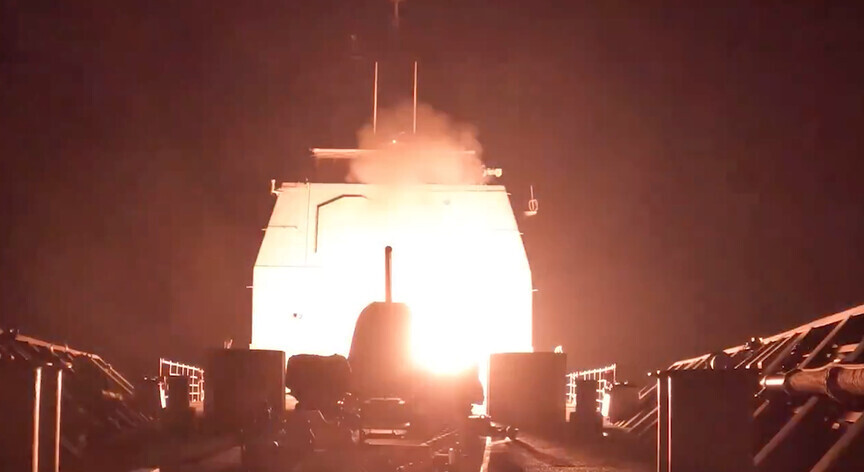
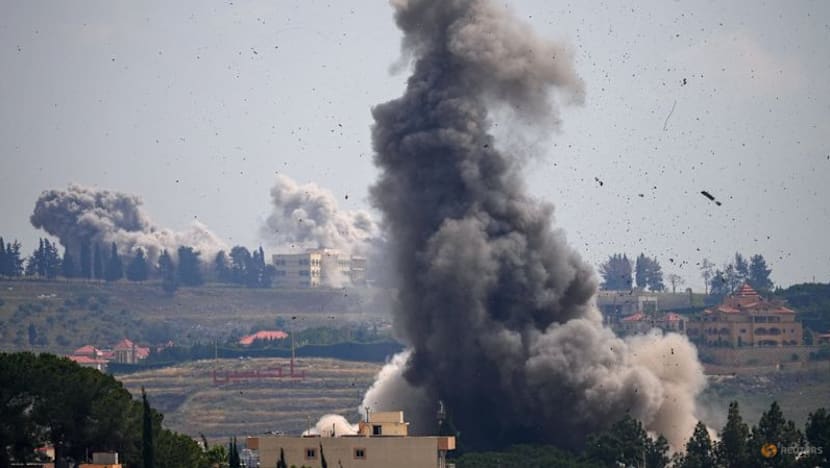
Strikes between the United States and Iran persist on day 96 of the conflict. Reports indicate ongoing exchanges across the Gulf, reflecting the sustained military posture adopted by both nations. These actions occur against the backdrop of more than three months of hostilities that began when the United States and Israel initiated strikes against Iran.
The pattern of daily exchanges underscores the entrenched nature of the confrontation. Military activity remains focused on Gulf positions, with neither side showing immediate signs of de-escalation on the battlefield. This continued trading of strikes forms the immediate operational reality on day 96.
Diplomatic Efforts to End Fighting
Iran is reviewing a proposed agreement with the United States to halt the war between the two countries. [5] Iran’s Mehr news agency reported that Tehran is studying the deal after U.S. President Donald Trump indicated that talks to reach an agreement were continuing. The review comes as the conflict has hardened into a stalemate following more than three months of strikes.
At the same time, the United States has stated it will lift sanctions on Iran only if the country gives up enriched uranium, rejecting any deal linked to the Strait of Hormuz. [1] This condition has been presented as a firm requirement for any sanctions relief, limiting the scope of possible diplomatic outcomes.
The combination of Iran’s ongoing review of the proposed agreement and the explicit U.S. stance on enriched uranium illustrates the narrow parameters within which negotiations are taking place. Both elements remain central to efforts to bring the fighting to a close.
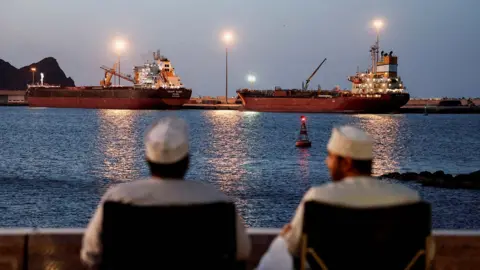
Sailors appear stressed and exhausted after months trapped by Strait of Hormuz blockade. — Source: bbc
Strait of Hormuz Blockade Effects
The blockade of the Strait of Hormuz continues to trap approximately 20,000 seafarers in the war zone. These individuals have been held in place for months, leading to mounting stress and exhaustion among the affected crews. The uncertainty surrounding the duration of the blockade has placed a heavy psychological burden on those unable to leave the area.
Shipping operations through the strait remain severely restricted, directly contributing to the prolonged entrapment of maritime personnel. The situation highlights the human cost of the blockade beyond immediate economic measures, with seafarers facing extended periods of isolation and fatigue.
US Military Infrastructure Damage
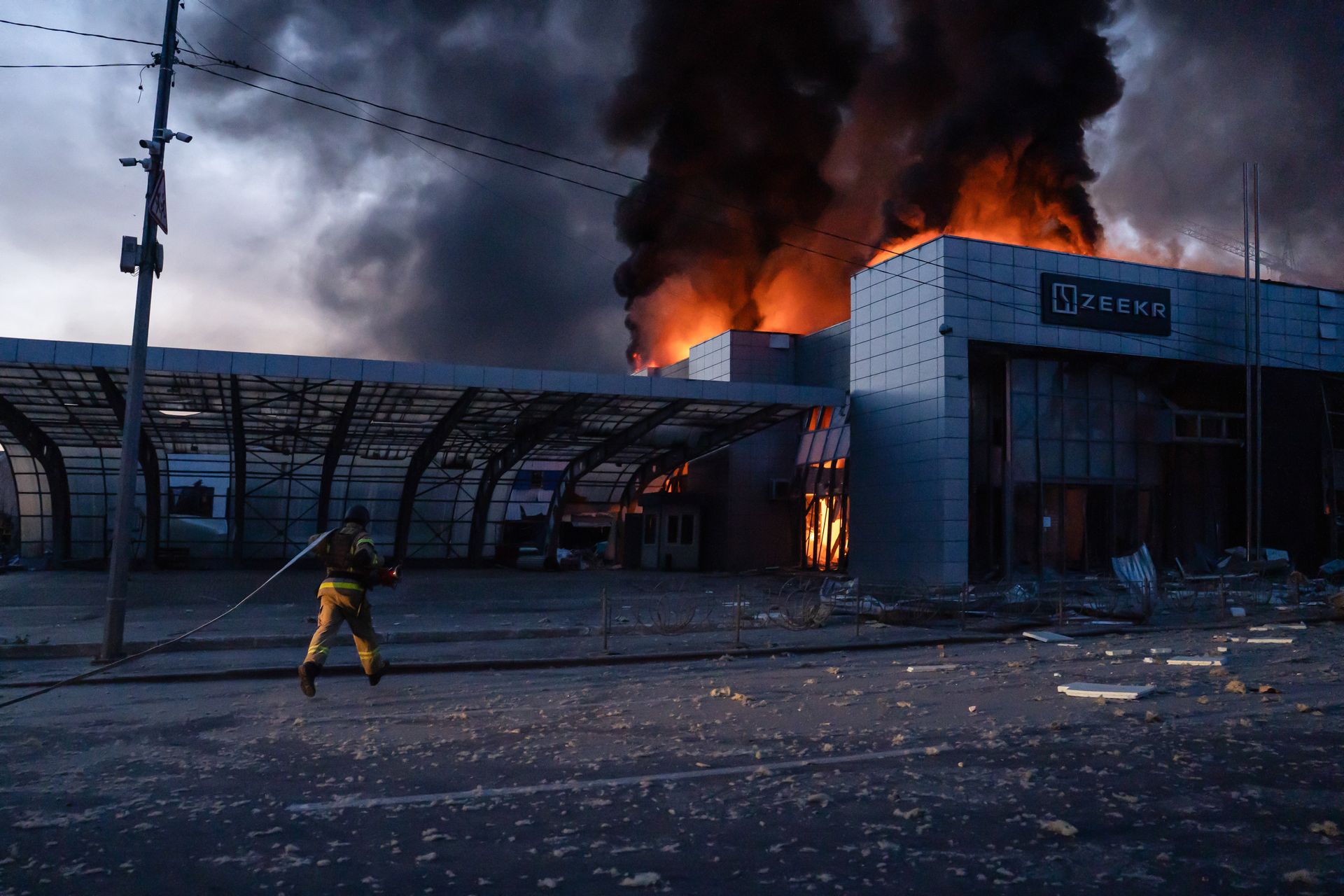
Damage to U.S. military facilities in the war iran has proven more extensive than earlier assessments indicated. A total of 20 facilities have been damaged during the course of the conflict. This revised understanding of the infrastructure impact reflects updated evaluations of the strikes conducted against American positions.
The extent of the damage across these 20 sites points to a broader operational challenge for U.S. forces in the region. Assessments now account for a wider range of affected installations than previously disclosed.
/data/photo/2026/01/30/697c9eb84b1f0.jpg)
Damage to 20 US military facilities in Iran war more extensive than reported. — Source: gdelt
Global Supply Chain Disruptions
The Iran war is tightening air freight capacity across the Middle East and disrupting global aid supply chains. The United Nations logistics chief noted that some airlines have stopped serving certain African destinations as a result of the capacity constraints. These changes have created additional hurdles for the delivery of humanitarian assistance to affected regions.
The reduction in available air freight routes has compounded existing logistical difficulties stemming from the conflict. Aid organizations now face narrower options for moving supplies through the Middle East, affecting the speed and reliability of global distribution networks.
War Iran Enters Fourth Month of Conflict
More than three months after the initial U.S. and Israeli strikes against Iran, the war iran has settled into a prolonged phase without decisive breakthroughs. The extended timeline has allowed secondary effects, such as the Hormuz blockade and infrastructure strain, to intensify. This duration has also shaped the diplomatic environment, with talks occurring alongside continued military activity.
The persistence of the conflict into its fourth month has reinforced the importance of monitoring both battlefield developments and negotiation channels. Iran’s review of the proposed agreement remains a focal point as the stalemate continues.
What to watch next
Attention will remain on whether Iran advances its review of the proposed agreement and how the U.S. condition regarding enriched uranium influences any potential progress toward ending the fighting.