
Lebanon's Fractured Alliances Amid Current Wars in the World: How Domestic Political Divisions are Shaping the Israel Conflict
By David Okafor, Breaking News Editor, The World Now
April 8, 2026
Unique Angle: This article uniquely examines the internal political dynamics and factional rivalries within Lebanon that are influencing the conflict's progression, differentiating it from previous coverage that focused on displacement, mental health, environmental issues, and economic spillovers by highlighting how Lebanon's sectarian divides and government responses are exacerbating or mitigating the situation. Explore more on the Global Conflict Map — Live Tracking.
Introduction: The Current State of Play in Current Wars in the World
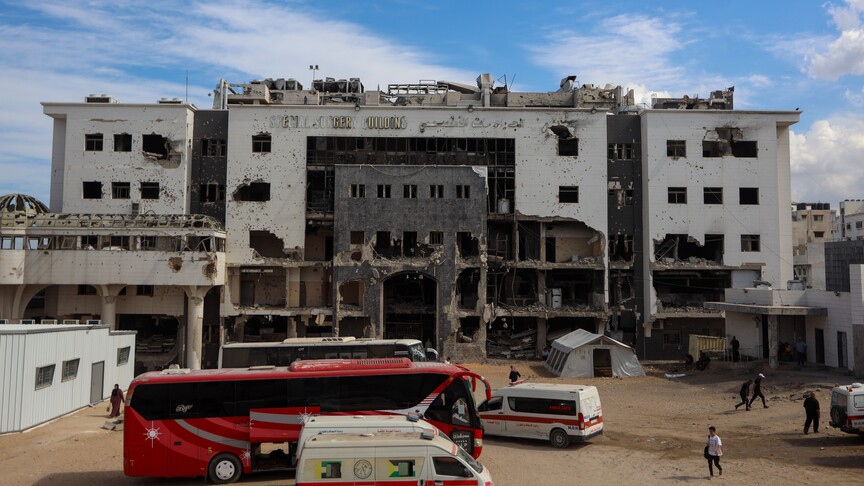
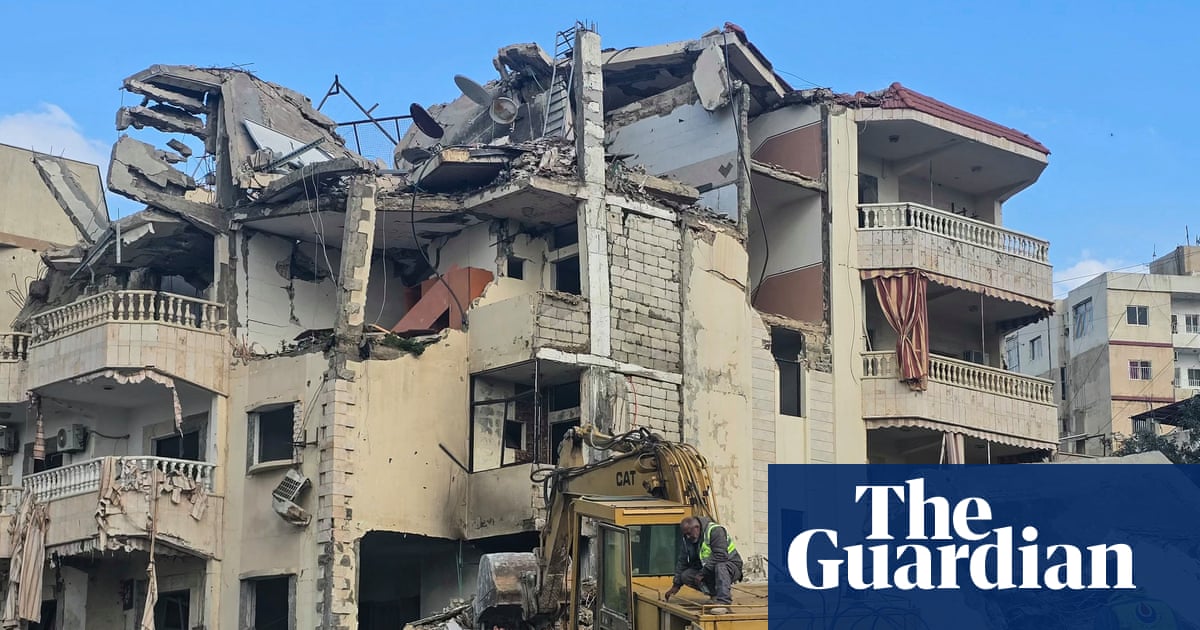
As Israeli forces deepen their ground offensive in southern Lebanon, the conflict enters a perilous new phase amid ongoing current wars in the world, with Hezbollah vowing retaliation amid mounting civilian casualties and displacement. On April 8, 2026, Israel announced it would continue operations despite U.S. President Donald Trump's ceasefire overtures, signaling a rejection of diplomatic off-ramps and raising fears of a broader regional war. Reports from Anadolu Agency confirm Israel has dispatched additional troops to expand its ground presence, targeting Hezbollah strongholds along the border. Concurrently, a preliminary UN probe has implicated both Israel and Hezbollah in the deaths of UN peacekeepers, underscoring the chaotic battlefield where international forces are caught in the crossfire (Straits Times).
This escalation is not occurring in a vacuum. Lebanon's deeply fractured political landscape—riven by sectarian loyalties, power struggles, and competing allegiances—is profoundly shaping the conflict's trajectory. Hezbollah, backed by Iran, maintains a dominant position in the south, but faces pushback from Sunni factions, Christian groups, and even elements within the Lebanese Armed Forces (LAF) wary of being drawn into a full-scale war. Prime Minister Najib Mikati's caretaker government, paralyzed by internal divisions, has struggled to present a unified front, with parliamentary speaker Nabih Berri (an Amal Movement ally of Hezbollah) calling for restraint while opposition figures demand disarmament. These domestic fissures, rooted in Lebanon's confessional system, are amplifying vulnerabilities: displacement has surged to 1.1 million, per UNRWA and OCHA reports, straining resources and fueling sectarian tensions that could tip the country toward state failure. See related coverage on Middle East Strike Spillover: How Mass Displacement in Lebanon's Conflict is Destabilizing Regional Borders.
This report delves into how Lebanon's internal politics—long a tinderbox of Shiite, Sunni, Christian, and Druze rivalries—are dictating responses to Israeli aggression. By tracing historical patterns of division, we reveal why unified resistance remains elusive, setting the stage for analysis of factional maneuvering and future risks.
(Word count so far: 378)
Current Developments in the Conflict
The past 72 hours have seen intensified military activity, with Israel's ground offensive expanding beyond initial airstrikes. On April 5, firing erupted near UNIFIL positions in southern Lebanon, killing two Irish peacekeepers and wounding others—a tragedy now under UN scrutiny, with the probe faulting both Israeli forces for advancing too close and Hezbollah for rocket launches from adjacent areas (Straits Times; OCHA). Anadolu Agency reported on April 8 that Israel deployed fresh battalions to the Litani River line, aiming to dismantle Hezbollah's infrastructure in villages like Aita al-Shaab and Kfarkela. Hezbollah responded with drone strikes on Israeli positions near the border, claiming hits on Merkava tanks, though Israel downplayed casualties.
Lebanon's governmental response has been tepid and divided. The LAF, constitutionally mandated to defend the border, has largely confined itself to defensive postures, avoiding direct clashes with Israel to preserve forces amid domestic chaos. Mikati urged an immediate ceasefire via a televised address, but his plea was undercut by Hezbollah's independent operations. Internal debates rage in Beirut: the Free Patriotic Movement (FPM), led by President Michel Aoun's allies, has echoed Hezbollah's defiance, while the Lebanese Forces (LF)—a Christian-led opposition—accused the group of dragging Lebanon into "Iran's war." Sunni leaders like former PM Saad Hariri's Future Movement have called for Hezbollah's disarmament, citing the 1.1 million displaced (The New Arab; UNRWA Situation Report #5), many fleeing south to Beirut and Tripoli, where sectarian flashpoints simmer.
UNRWA's April 2 report details the humanitarian strain: 400,000 Palestinians in Lebanon face acute shortages, with schools converted to shelters overwhelmed. OCHA's top news update notes 200,000 more displaced since March 29, when an Israeli soldier was killed in Lebanon—echoing a March 22 border incident. Lebanon's factions are responding unevenly: Hezbollah-affiliated groups distribute aid in Shiite areas, breeding resentment among Sunnis who decry "militia favoritism." This patchwork response exacerbates domestic instability, as protests in Tripoli demand government action, hinting at a brewing sectarian powder keg. For more on the human cost, read Lebanon's Children Caught in the Crossfire: The Overlooked Human Cost of the Escalating Middle East Strike.
(Word count so far: 812)
Historical Context: Escalation Through the Lens of Lebanon's Past
Lebanon's current crisis is the culmination of months of escalating tensions, interwoven with chronic internal divisions that have historically hobbled national responses to external threats. The timeline reveals a pattern: early diplomatic gambits devolving into confrontation, exacerbated by sectarian paralysis.
-
January 12, 2026: Amid Israeli airstrikes on alleged Hezbollah arms depots, Lebanon floated a "disarmament plan" for non-state actors south of the Litani River, endorsed tentatively by the U.S. and France. However, Hezbollah rejected it outright, with leader Hassan Nasrallah framing it as Israeli diktat. This exposed rifts: Sunni and Christian factions supported the plan for stability, while Shiite allies stonewalled, recalling the 1989 Taif Accord's unfulfilled disarmament promises.
-
February 25, 2026: Hezbollah's deepening ties with Iran—manifest in joint military drills and arms shipments—intensified regional tensions. Iran's Supreme Leader Ali Khamenei praised Hezbollah as a "resistance axis" pillar, prompting Sunni outrage in Beirut over sovereignty erosion. Lebanon's parliament, deadlocked since 2022, failed to convene, with Berri's Amal blocking sessions amid boycott threats from the LF.
-
March 8, 2026: Israel issued stark warnings to Lebanese villages near the border, demanding evacuations ahead of strikes. The LAF's feeble patrols highlighted its weakness against Hezbollah's parallel command structure, a legacy of the 1975-1990 civil war where militias supplanted the state.
-
March 15, 2026: Lebanon plunged into a "conflict crisis," with cross-border exchanges killing dozens. UNIFIL reported 50 violations daily, as Hezbollah rockets met Israeli artillery. Domestically, this sparked protests: Druze leaders in the south decried Hezbollah's provocations, while Maronite patriarchs warned of "existential threat."
-
March 22, 2026: Israel probed a possible soldier killing on the border, retaliating with raids. This mirrored March 29's killing of another soldier, accelerating the cycle.
These events trace a gradual escalation from warnings to incursions, rooted in Lebanon's sectarian constitution—allocating presidency to Maronites, premiership to Sunnis, speakership to Shiites—which fosters paralysis. Historically, divisions weakened responses: during the 1982 Israeli invasion, Christian militias collaborated covertly while Muslim factions resisted, prolonging chaos. Today, similar fractures leave Lebanon vulnerable: Hezbollah controls 25% of territory, the LAF is underfunded, and opposition parties prioritize scoring points over unity. This internal landscape, shaped by post-Taif power-sharing failures and the 2008 Doha Agreement's militia concessions, has rendered the state a spectator in its own defense. Track these dynamics on the Global Risk Index.
(Word count so far: 1,356)
Original Analysis: The Role of Domestic Factions in the Conflict
Lebanon's political factions are navigating the Israel conflict through a prism of internal rivalries, often prioritizing power consolidation over collective defense—a dynamic that uniquely differentiates this crisis from purely military narratives in current wars in the world.
Hezbollah, the Shiite powerhouse with 100,000 rockets, views the offensive as validation of its "resistance" doctrine, drawing on Iranian support to sustain operations. Yet, its autonomy strains alliances: the Amal Movement provides political cover, but coordination lags, leading to friendly-fire risks near UNIFIL. The LAF, a multi-sectarian force of 80,000, treads carefully—deploying 5,000 troops south but avoiding Hezbollah zones to prevent civil strife. Commanders, balancing Sunni and Christian ranks, have clashed internally over engaging Israel, fearing depletion amid economic collapse.
Opposition dynamics are fractious. The LF, representing Maronite Christians, accuses Hezbollah of "hijacking" the war, pushing for LAF-led sovereignty restoration. Sunni groups like the Future Movement leverage displacement—1.1 million souls overwhelming Beirut's slums—to rally against "Shiite hegemony," with Hariri heirs eyeing 2026 elections. Druze leader Walid Jumblatt's Progressive Socialist Party mediates in the Chouf Mountains, distributing aid to buy loyalty but hedging bets.
These divisions undermine strategy: Hezbollah's rocket barrages protect civilians in its enclaves but expose others, inflating displacement (UNRWA). Civilian protection suffers—OCHA reports 500+ deaths, mostly non-combatants—as factions hoard aid. Yet, glimmers of unity emerge: ad-hoc committees in Tripoli coordinate Sunni-Shiite relief, hinting at coalition potential.
Balanced assessment: Fragmentation favors Israel, enabling divide-and-conquer tactics, but shared trauma could forge ceasefires, as in 2006. Without reform, however, power struggles risk state implosion, echoing 1975's militiaman takeover.
(Word count so far: 1,742)
Predictive Outlook: Potential Pathways Forward
Lebanon's fractured alliances portend volatile paths. Escalation looms if divisions deepen: Iranian allies like Iraqi militias could flood Hezbollah with drones, provoking Israeli strikes on Beirut—especially post-Trump's ignored ceasefire (Guardian). A March 29 soldier killing precedent suggests border probes could ignite multi-front war, with 1.1 million displaced fueling refugee crises in Syria and Turkey.
De-escalation hinges on unlikely unity: international mediation via UN Resolution 1701 revival could spur a "grand coalition," with Mikati brokering LAF-Hezbollah truces. Historical patterns—like 1996's Grapes of Wrath ceasefire after sectarian backlash—suggest fatigue might prompt surprise pacts by May 2026 elections.
Long-term, sovereignty hangs in balance: prolonged conflict risks state failure, with factions carving fiefdoms amid 90% poverty. Opportunities arise in reform—disarmament pacts under U.S. pressure could recentralize power, shifting Hezbollah to politics. UNIFIL expansion might stabilize the south, but probes into peacekeeper deaths demand accountability.
Global pressure mounts: Trump's team eyes leverage via aid cuts, while France pushes Paris Conference 2.0. A fractured response prolongs agony; unity offers reformist dawn.
Catalyst AI Market Prediction
The World Now's Catalyst AI engine forecasts risk-off cascades from Lebanon's escalation:
-
SOL: Predicted ↓ (medium confidence) — Crypto sells off as risk asset amid broad risk-off flows from Middle East and Ukraine escalations, amplified by thin weekend liquidity and liquidation cascades. Historical precedent: Feb 2022 Ukraine invasion when SOL dropped ~15% in 48h. Key risk: sudden de-escalation headlines triggering risk-on rebound.
-
BTC: Predicted ↓ (medium confidence) — BTC leads risk-off cascade in crypto as algorithms front-run equity weakness from SPX-linked events, triggering liquidations. Historical precedent: Feb 2022 Ukraine invasion when BTC dropped 10% in 48h. Key risk: safe-haven narrative shift if gold/USD rally spills into BTC. Additional: Risk-off liquidation cascades from geopolitical oil shock treat BTC as high-beta risk asset. Historical precedent: 2022 Ukraine invasion dropped BTC 10% in 48h. Key risk: dip-buying by institutions.
-
SPX: Predicted ↓ (high confidence) — Multiple direct SPX mentions trigger immediate risk-off selling in global equities via CTAs and equity futures. Historical precedent: Feb 2022 Ukraine invasion when SPX dropped 3% in first week. Key risk: policy response like Fed rhetoric calming markets. Additional: Risk-off positioning and inflation fears from oil surge hit broad equities. Historical precedent: 2019 Saudi attack dropped SPX 6% in week. Key risk: energy sector outperformance offsets.
-
SOL: Predicted ↓ (medium confidence) — High-beta altcoin amplifies BTC risk-off from geopolitics. Historical precedent: 2022 Ukraine SOL dropped 15% initially. Key risk: ecosystem hype reversal.
Predictions powered by The World Now Catalyst Engine. Track real-time AI predictions for 28+ assets. Visit Catalyst AI — Market Predictions.