Kenya Sees Sharpest Internet Freedom Decline as Global Shutdowns Hit 313 in 2025 Among Most Dangerous Countries
Global internet freedom declined for the 15th consecutive year in 2025 as authoritarian governments used censorship, internet shutdowns and offline repression to crush protests organized online, with Kenya recording the most severe decline among 72 countries assessed and ranking among most dangerous countries for online expression. [1]
Global Internet Freedom Declines for 15th Year
Freedom House found that global internet freedom declined for the 15th consecutive year in 2025, as authoritarian governments used censorship and offline repression to crush protests organized online. [1] Access Now’s 2025 report documented at least 313 internet shutdowns globally, with 30 occurring in 15 African countries where protests were the leading trigger followed by elections. [1] This pattern placed several nations among most dangerous countries for digital rights, as repeated disruptions limited public mobilization and information flow during periods of unrest. [1]
Kenya Records Sharpest Drop in Internet Freedom
Freedom House found that in 2025 Kenya had the most severe decline of the 72 countries assessed during the coverage period. [1] During the June 2024 tax protests, authorities shut down internet connectivity for around seven hours and arrested a large number of protesters. [1] The Open Observatory of Network Interference also reported that at least three networks blocked the web version of Telegram during those protests, and the blocks were reversed the same day. [1] A year later, during the June 2025 protests throughout Kenya, a communications authority issued a directive to media houses to stop live broadcasts of the unrest, and Telegram was blocked again. [1] Access Now said this violated a High Court injunction against interfering with internet and Telegram access. [1] Kenya’s experience placed it among most dangerous countries for online expression amid these repeated measures. [1]

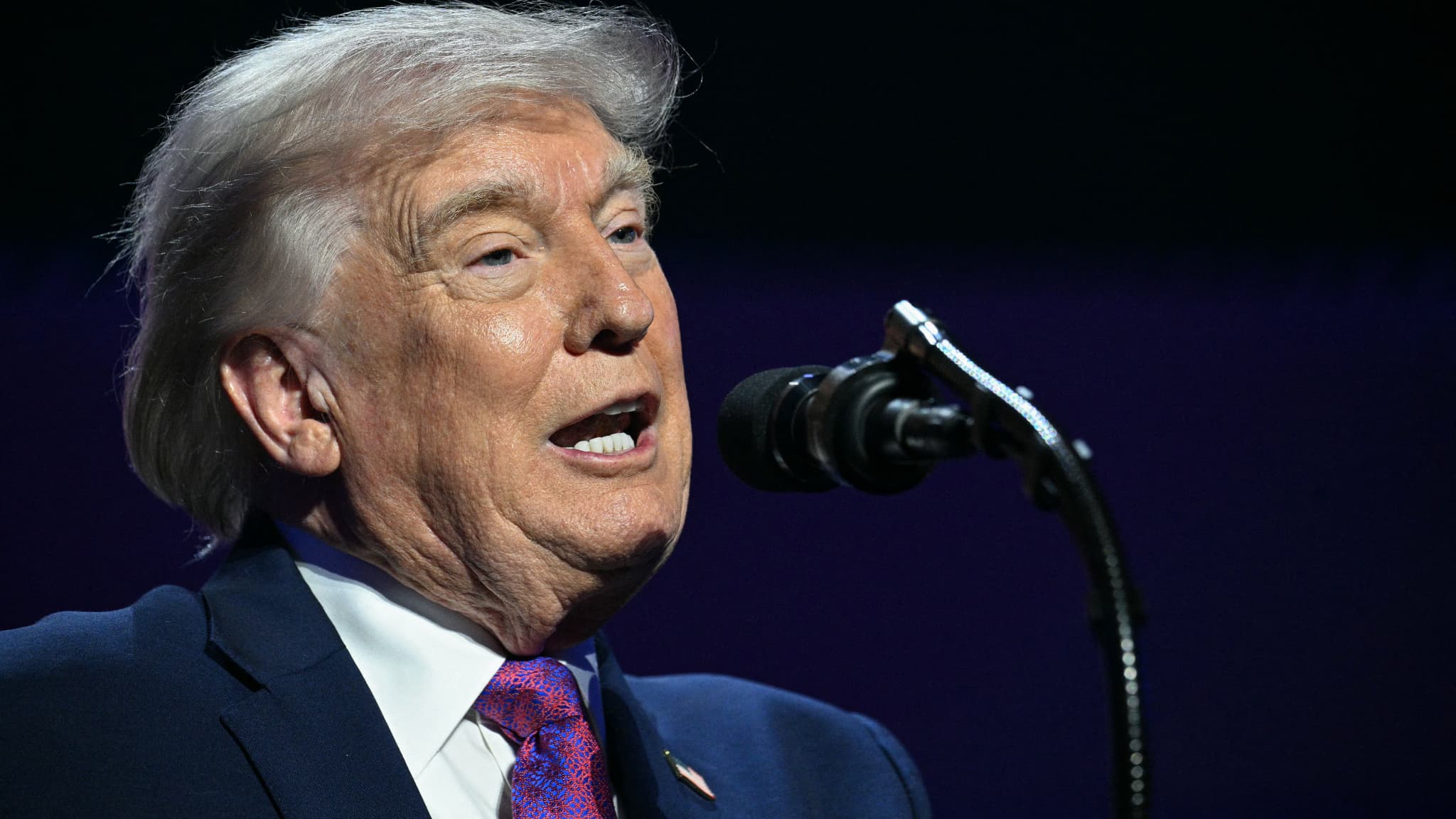
Macron rejects Trump’s claims blaming migrants for French riots. — Source: france24
African Internet Shutdowns Triggered by Protests and Elections
Access Now’s 2025 report found that at least 313 shutdowns were implemented globally, and that in Africa the internet was shut down 30 times in 15 countries, with protests the leading trigger, followed by elections. [1] In Tanzania, an internet blackout was imposed after protests erupted on election day, October 29, 2025. [1] It was only partially eased on November 4, alongside a curfew. [1] An opposition lawyer said online mobilization was part of the reason for the blanket block, and protesters used VPNs to reach platforms such as X Spaces. [1] In Uganda, the regulator ordered all mobile operators and internet providers to suspend public internet access nationwide from 6 p.m. on 13 January 2026, two days before the general election. [1] Officials had publicly denied plans for a blanket shutdown beforehand. [1] The platforms themselves have been targets too: A Facebook ban followed the five-day blackout of the 2021 election and was still in effect in 2026, and Starlink disabled its terminals in the country after Uganda ordered the service shut down on grounds they were unlicensed. [1]
Kenyan Government Expands Legal Tools Against Online Speech
The government has also tried to write that power into law. [1] In October 2025, President William Ruto signed the Computer Misuse and Cybercrimes (Amendment) Act. [1] Human Rights Watch said it risks criminalizing legitimate online speech. [1] The Act also expanded the powers of a state committee, the National Computer and Cybercrimes Coordination Committee, to make websites and apps inaccessible. [1] The High Court in Nairobi suspended key sections a week after Ruto signed it. [1] By July 2026, the High Court had declared the website-blocking powers unconstitutional. [1] The chairperson of the Bloggers Association of Kenya, Kennedy Kachwanya, told Human Rights Watch that the amended law poses an unacceptable threat to digital rights and freedom of expression. [1]
Coordinated Online Campaigns and Platform Pressure in Kenya
Amnesty International documented a coordinated campaign between June 2024 and July 2025 that used social media and digital tools to suppress Gen Z-led protests in Kenya. [1] Amnesty found that X was central to pro-government networks, as pro-government actors posted identical messages repeatedly to hijack the platform’s algorithm and sway public perception. [1] Amnesty noted that X failed to act on organized campaigns that violate its own policy. [1] A participant told Amnesty he was part of a network of around 20 people paid roughly KES 25,000 (USD 192.50) to KES 50,000 (USD 385.29) a day to push pro-government messages onto X’s trending lists. [1] The Kenyan government is now seeking more direct leverage over big tech companies. [1] The ICT Cabinet Secretary told the Senate that X must open a physical office in Kenya within three months or lose operating approval. [1] The directive extends to TikTok and Meta, and gives the communications authority powers to suspend non-compliant platforms. [1] The government framed this as a move to protect children online. [1] However, a rights group summary of the move cautions that local presence could let authorities pressure staff and demand takedowns quietly. [1]
France Riots Highlight Domestic Unrest and Political Fallout
At least 3,000 shops were damaged or looted nationwide on 17 and 18 October, with losses estimated at several hundred million euros. [4] Some 2,500 people have been taken into police custody in connection with last weekend’s violence and 1,000 referred to a judge or prosecutor, the Justice Ministry has said. [4] Courts using special fast-track procedures have convicted 150 people so far. [4] Government spokesperson Maud Bregeon said those primarily responsible were “troublemakers and scum”. [4] Far-right leader Marine Le Pen is gaining popularity amid the nationwide riots. [3] President Emmanuel Macron rejected claims on Wednesday that France had been “invaded” by migrants and Islamists, accusing foreign leaders of spreading false information about the recent unrest and exploiting the situation in France for their own political ends. [4] About 70 percent of those taken into custody were adults and the vast majority were men, the Justice Ministry has said. [4] Those arrested for looting and rioting fall into two broad categories: organised ultra-left activists, known as black blocs, who defend the use of violence for political aims, and people exploiting chaos on the streets to steal from shops. [4]
What to watch next is whether platforms resist orders that silence their users or decide that keeping access to markets is worth complying with government demands, as courts in Kenya have so far pushed back on some of the harshest measures while pressure continues to shift from broadcasters to platforms and laws. [1]