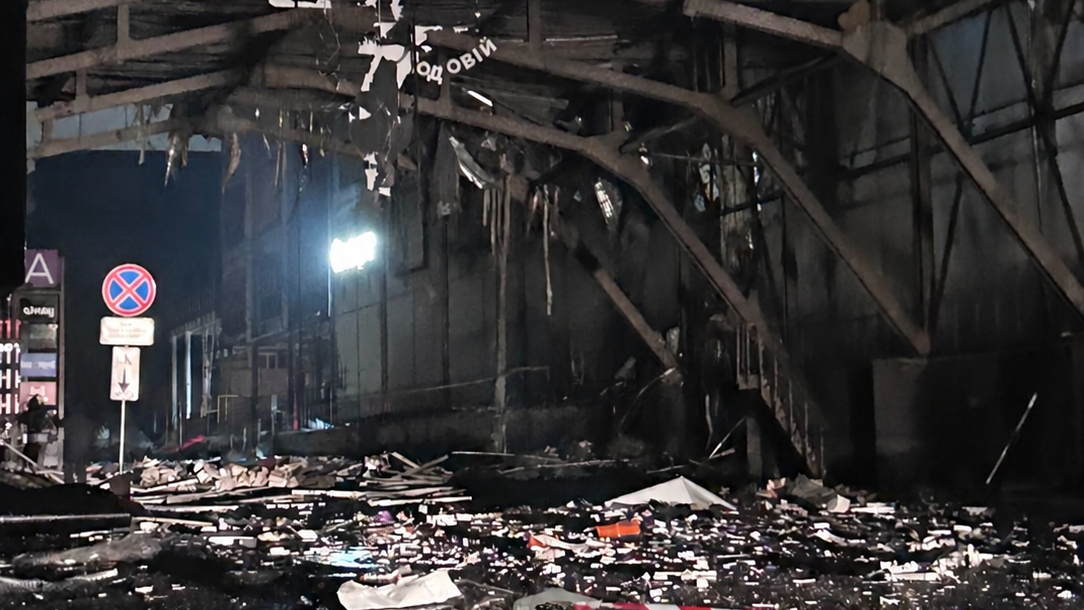
Jordan Conflict Claims Two U.S. Soldiers in Iranian Strike on Muwaffaq Salti Air Base
The Jordan conflict escalated sharply when Iranian missile and drone attacks struck Muwaffaq Salti Air Base in Jordan on July 17, killing two U.S. soldiers and marking another deadly episode in the ongoing confrontation that began in late February. [1] The Pentagon identified the deceased as 19-year-old Private Isabella Gonzales from Texas, assigned to the 10th Army Air Missile Defense Command in Ansbach, Germany, and 25-year-old First Lieutenant Tyler James Feehan from Hawaii, stationed at Fort Bragg, North Carolina. [1] A third U.S. service member remains missing with unidentified remains recovered, while four other service members were treated for injuries and discharged. [2]
Attack on Jordan Air Base
Iranian missile and drone attacks on Muwaffaq Salti Air Base in Jordan on July 17 killed Private Isabella Gonzales and First Lieutenant Tyler James Feehan as part of the broader U.S.-Iran conflict. [4] The Pentagon reported that the soldiers died during the barrage, with Gonzales serving in the 10th Army Air Missile Defense Command in Ansbach, Germany, and Feehan based at Fort Bragg, North Carolina. [5] A third service member remains missing after unidentified remains were recovered from the site. [1] U.S. Central Command confirmed that four additional service members received medical attention for injuries sustained in the strike and were later discharged. [2] The attack occurred on a Friday and formed part of the pattern of strikes that have defined the Jordan conflict since its start in late February. [4] Details released by the U.S. Department of War emphasized the use of both missiles and drones in the assault on the base. [1]
U.S. Military Response
The U.S. responded with retaliatory airstrikes on Iranian military targets including missile and drone storage sites following the July 17 attack. [2] Defense Secretary Pete Hegseth described the strikes as conducted "in honor" of the fallen troops. [1] These operations targeted storage facilities used by Iranian forces in the Jordan conflict. [4] The Pentagon coordinated the response through U.S. Central Command to address the immediate threat posed by the Iranian barrage. [5] The airstrikes represented a direct counter to the missile and drone capabilities demonstrated in the Jordan attack. [2]
{IMAGE_2}
Presidential Statements and Directives
President Donald Trump stated that Iran will "pay" for the deaths many times over and has directed the Pentagon accordingly. [3] Trump wrote on Truth Social that "Every time Iran kills an American Soldier they will pay for that killing many times over," with the directive passed to Secretary of War Pete Hegseth and Chairman of the Joint Chiefs of Staff Daniel Caine. [3] The president defended the campaign as necessary to stop Iran from developing nuclear weapons. [1] Trump is scheduled to attend the dignified transfer at Dover Air Force Base in Delaware for the service members killed. [3] Prior threats from the administration included expanding targets to energy plants, bridges, and sites such as Pickaxe Mountain. [3]
Broader Conflict Context
The U.S.-Iran conflict that began in late February has now claimed 17 American military lives, including the two soldiers killed in the Jordan conflict at Muwaffaq Salti Air Base. [1] Roughly 430 U.S. troops have been injured in the conflict so far, with six killed in March when an Iranian drone struck a facility in Port Shuaiba, Kuwait. [3] The Jordan conflict forms one segment of the wider fighting that has affected civilian infrastructure and international shipping. [2] Rising oil prices and increased regional tensions have accompanied the military exchanges between Washington and Tehran. [4] The total U.S. death toll reached 17 over the weekend of the Jordan attack, with remains of an additional service member under examination. [3]
Diplomatic and Escalation Risks
Both Washington and Tehran have signaled openness to renewed negotiations amid the Jordan conflict's effects on civilian infrastructure, international shipping, rising oil prices, and regional tensions. [1] A U.S. official indicated that additional military aircraft, including fighter jets and refueling tankers, had already begun moving to the Middle East before the Jordan strike. [3] Joe Kent, former head of the National Counterterrorism Center, warned that the back-and-forth risked further escalation and called for troops to be withdrawn to avoid a mass casualty attack. [3] The war's monetary cost and conduct are set to dominate a congressional hearing on Tuesday with Hegseth and Caine. [3] Recent U.S. strikes have aimed at forcing open the Strait of Hormuz while targeting Iranian military capabilities. [3]
Military Movements and Oversight
U.S. forces have repositioned assets in the Middle East as part of efforts tied to the Jordan conflict and the larger campaign against Iran. [3] The upcoming congressional hearing will examine both the operational aspects and financial implications of the ongoing operations. [3] Analysts have noted the potential for the current pattern of strikes and counterstrikes to intensify if diplomatic channels are not pursued. [3]
{IMAGE_3}
Signs of Potential Negotiations
Despite the violence in the Jordan conflict, indications from both capitals point to possible renewed talks. [2] The effects on shipping lanes and energy markets have added pressure for de-escalation alongside the military developments. [4] President Trump has maintained that the campaign serves to block Iranian nuclear advancement while leaving room for future discussions. [1]
What to watch next: The congressional hearing on Tuesday with Defense Secretary Pete Hegseth and Chairman Daniel Caine will address the war's costs, while both sides continue to indicate openness to negotiations.