
Italy Volcano Alert for Etna Downgraded to Orange as Explosive Activity Decreases
The Italy volcano Mount Etna has seen its explosive activity decrease, with the Istituto Nazionale di Geofisica e Vulcanologia lowering the aviation alert from red to orange after no lava clouds formed and volcanic tremor returned to normal levels. This change has allowed Catania airport to resume operations following days of disruption.
Current Volcanic Status
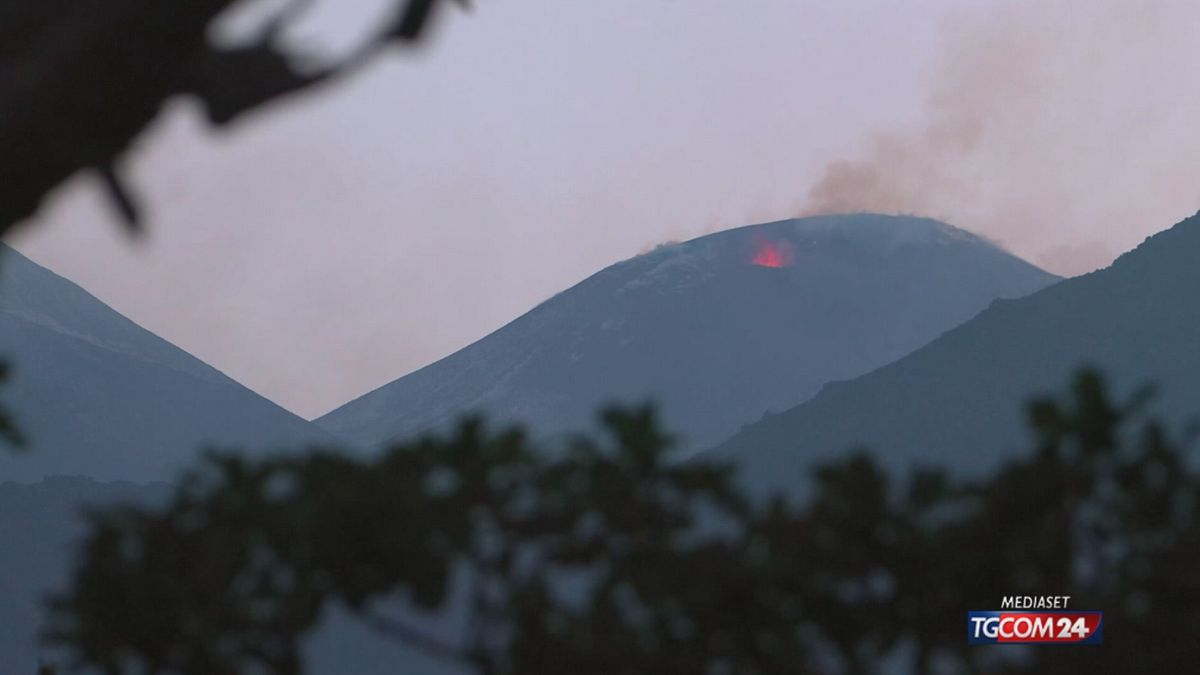
The INGV has reported that explosive activity on Etna is decreasing, with only weak ash emission in the summit area that does not produce eruptive clouds. [1] No other phenomena have been recorded, and the activity remains contained. [1] The volcanic tremor, which signals the quantity of internal energy at Etna, has dropped from high values to normal levels. [1] This indicates a phase of truce or the start of the end of the latest eruptive phase of Europe's tallest active volcano. [1] The INGV of Catania issued a new Volcano Observatory Notice for Aviation that reflects these observations from sources monitoring the site. [1]
Aviation Alert Downgrade
Mount Etna emits weak ash plumes as its explosive activity decreases over Sicily. — Source: gdelt The aviation alert for the Italy volcano shifted from red to orange based on the reduced explosive activity and absence of lava clouds. [1] This downgrade implies improved conditions for flight safety in the surrounding airspace. [3] Catania airport operations resumed immediately following the alert change. [1] The VONA notice from the INGV directly supported the decision to reopen the facility after earlier suspensions tied to ash emissions. [1] No further eruptive clouds have been observed since the alert adjustment. [1]
Airport Disruptions and Travel Impact
Catania airport, Sicily's busiest, remained closed for multiple days due to volcanic ash, which cancelled over a third of nearly 2,000 scheduled flights and diverted more than 600 others. [2] This disruption marked the longest closure since 2002. [2] Flights faced suspension until at least 2pm local time on one of the affected days, leaving hundreds of travellers stranded. [3] The airport normally handles at least 40,000 passengers daily, and the ash reached as far as North Africa during the period. [3] Trenitalia added six extra trains on the Palermo-Messina-Catania route to ease passenger pressure. [2] Tour operators called for a task force to manage the repeated disruptions from Etna activity. [2] Passengers reported multiple cancellations and rescheduling attempts during the peak travel period. [3]
Hazards of Volcanic Ash to Aircraft

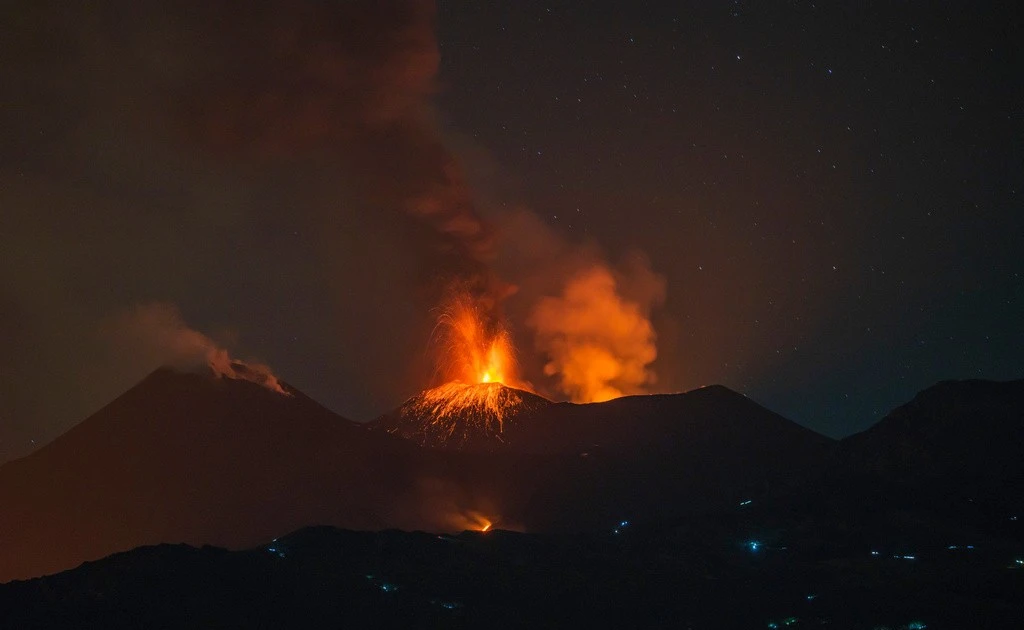
Mount Etna emits weak ash as its aviation alert is downgraded from red to orange. — Source: aljazeera Volcanic ash from Etna consists of fine abrasive rock, mineral and glass particles that can damage aircraft engines by melting and solidifying on turbine blades, leading to potential flameouts even when the sky appears clear. [4] These particles, smaller than 2 millimetres and sometimes only tens of micrometres, can be carried long distances by wind and prove hard to detect visually or by standard aircraft radar. [4] The fine ash can erode compressor blades and other surfaces mechanically before melting in hotter engine sections and depositing on turbine blades. [4] In severe cases, this process has caused loss of thrust in documented incidents involving large aircraft. [4] Ash deposits on runways and infrastructure can be resuspended by aircraft movements or engine jets, further complicating operations even after visible plumes clear. [4] The Federal Aviation Administration notes that ash clouds may not be visible and can resemble ordinary clouds, requiring monitoring of wind patterns and particle trajectories rather than visual checks alone. [4]
Environmental and Agricultural Effects
Etna frequently erupts and its ash ultimately enriches soil as a mineral fertilizer that improves drainage and supports Sicilian agriculture, though fine particles can pose respiratory risks if inhaled in large quantities. [5] The volcano erupts several times a year, sometimes multiple times a month, making current activity normal rather than exceptional. [5] Eruptions release carbon dioxide, sulfur dioxide and smaller amounts of other gases, yet the global climate impact remains minimal compared with human emissions. [5] Ash and small lapilli can be transported by wind onto slopes, with fine particles potentially affecting respiratory systems and prompting mask recommendations during heavy fallout. [5] Over longer periods, the ash adds nutrients to soil, revives microbial communities in degraded areas and helps crops such as Sicilian wines, pistachios and citrus develop stronger root systems and greater biomass. [5] Repeated ash layers create a cycle of enrichment that benefits farmers despite short-term infrastructure and health concerns. [5]
Ongoing Monitoring and Public Safety
Etna's frequent eruptions require constant monitoring because the volcano produces paroxysmal events that can send lava fountains hundreds of metres high and ash clouds several kilometres aloft. [5] These events typically last a few hours and have exceeded 70 in the past six years alone. [5] The greatest immediate risk involves tourists approaching eruption areas without proper mountain equipment, leading to rescue operations especially at night when controls are limited. [5] One access road on the northeast flank has become blocked by hundreds of vehicles, hindering traffic and emergency access. [5] Experts stress that eruptions cannot be predicted precisely in advance and must remain under continuous observation. [5]
What to watch next: Continued INGV monitoring will track whether tremor levels stay normal and ash emissions remain weak without forming new eruptive clouds.