
Belgium Wildfires Burn 3,000 Hectares in High Fens Nature Reserve
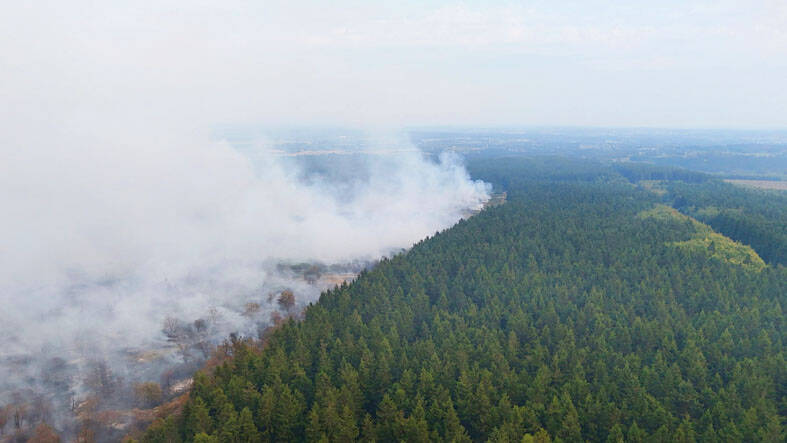
Belgium wildfires have scorched more than 3,000 hectares in the High Fens nature reserve near the German border since the blaze broke out on Friday amid extreme heat and drought, marking the country’s largest recorded wildfire.
Scale of the High Fens Blaze
The fire started on Friday in fragile peatlands and pine forests that previously burned in 1911 during similar heatwaves and drought. [1] By late on Saturday the blaze had scorched more than 2,700 hectares, up from a mere 80 hectares on Friday. [1] Early Sunday the affected area reached 3,000 hectares. [2] Authorities described the event as Belgium’s largest wildfire in modern history and the country’s biggest on record, surpassing the 2011 blaze that burned 14 square kilometres of the same reserve. [3] The current fire more than doubled the size of the 2011 event, which scorched close to 1,400 hectares according to European Forest Fire Information System data. [4] Officials noted that the area ravaged in 1911 experienced comparable conditions of extreme heat and drought. [2] The rapid expansion from 80 hectares on Friday to 850 hectares by Saturday morning and then to 3,000 hectares by early Sunday underscored the intensity of the outbreak. [2] The blaze is now Belgium’s largest modern-day wildfire, with vast swathes of the nature reserve turned to a singed wasteland. [1]
Evacuations and Immediate Impacts
Around 600 residents of Waimes and Butgenbach were evacuated on Saturday as a precaution due to shifting winds and thick smoke. [1] A gymnasium in Malmedy was opened as a shelter, though no homes have been affected so far. [1] The Belgian Red Cross stated that staff were on site to provide information and meet basic needs such as food, water and rest for the most vulnerable people. [1] Around 20 people spent the night in a local sports hall, while others found shelter with friends and family or ignored evacuation orders to stay home. [2] Fumes travelled as far as neighbouring Namur province, prompting authorities to ask residents to stop saturating emergency phone lines with reports of the smell. [2] In Germany the town of Monschau said the fire had come within about 3 kilometres of the border and advised residents of three districts to leave temporarily due to smoke. [3] A restaurant owner in the Waimes area described ash falling onto tables and customers being asked to leave without dessert. [1] The partial evacuation of two villages close by left the entire area blanketed by a thick plume of yellowish smoke. [2]
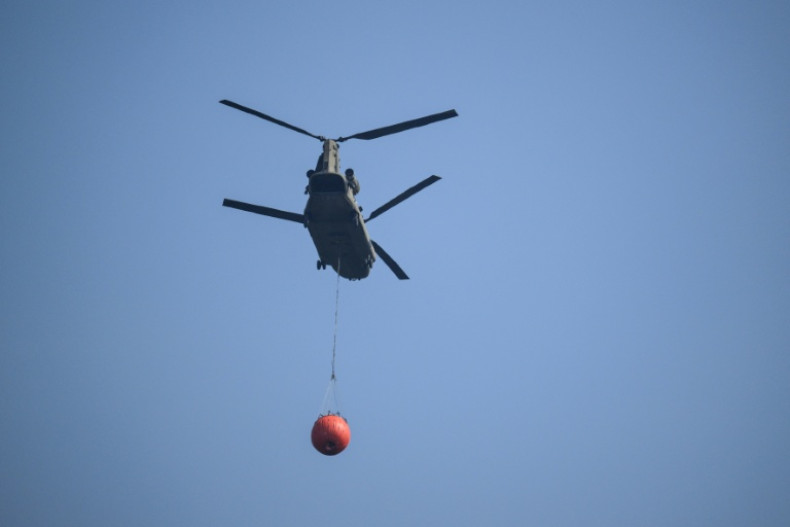
Air support deploys over expanding wildfire in Belgium's High Fens nature reserve. — Source: bangkokpost
Challenges Posed by Terrain and Weather
The rugged terrain of heath, peat bogs and boardwalks has made ground access difficult, forcing reliance on aerial support and defensive lines. [1] Operations were made harder by the fens’ terrain, a patchwork of heath, peat bogs and raised wooden boardwalks where heavy vehicles risk sinking into the ground. [2] Firefighters pulled back to the edge of the forest and allowed parts of the heathland to burn because the area is very difficult to access. [1] The situation remained complicated and highly dependent on aerial resources. [1] Shifting winds complicated firefighters’ efforts, yet the defensive line protecting evacuated areas held. [2] The fire came after Belgium experienced another burst of severe heat, with temperatures reaching as high as 37C in some parts on Friday after weeks with barely any rain. [2] Like much of Europe, Belgium faced repeated heatwaves that left vegetation tinder-dry. [4] The blaze broke out during a new spell of intense heat and drought that created conditions conducive to wildfire outbreaks. [2]
Deployment of Firefighting Resources
More than 250 firefighters and emergency workers from Belgium, Germany, Luxembourg and the Netherlands are deployed. [3] Next-generation fire engines and tractors hauling water tankers assisted the crews. [2] Four helicopters, two Belgian and two Dutch, were already on site drawing water from a nearby lake. [2] Two Swedish water-bombing aircraft arrived to back up the helicopters. [2] A liaison officer coordinated the aerial resources to prevent accidents. [2] Firefighters from across Belgium and from Germany were deployed, supported by next-generation fire engines. [2] The army and farmers also joined efforts to contain the blaze. [4] More than 100 Belgian and German firefighters, police, military and civil defence personnel participated in the rescue work. [5]

Wildfire spreads through Belgium’s High Fens nature reserve near the German border. — Source: aljazeera
European and Cross-Border Response
Belgium swiftly activated the EU civil protection mechanism, allowing it to request personnel and equipment from across the continent. [1] European Commissioner for Humanitarian Aid and Crisis Management Hadja Lahbib stated that the blaze was the latest sign of the climate upheaval affecting the continent. [1] She noted that never before has the wildfire season started so early in the year and reached such northern latitudes. [1] Assistance came from Dutch, Swedish, German and Luxembourg teams. [3] A Dutch military helicopter carried water to help fight the wildfire. [2] Belgian Prime Minister Bart De Wever thanked European partners for the assistance they were providing. [2] The EU deployed three helicopters and two water-bombing aircraft from around Europe after Belgium requested emergency reinforcements. [4] Coordination focused on protecting the German border town of Monschau while firefighters worked to keep the blaze from crossing into Germany. [3]
Current Containment Status and Outlook
Two fire fronts towards Jalhay and Monschau were reported under control by Sunday. [2] The defensive line protecting evacuated villages is holding, and no homes have been affected at this stage. [2] Rescue teams have been unable to access the area where the High Fens fire first broke out, meaning its precise cause remains unknown. [2] Officials warned that the situation remains complicated and dependent on aerial resources. [1] Firefighters focused on containing the advancing front of the fire moving towards Germany. [3] Authorities said residents who had been evacuated on Saturday should not yet return. [4] The fire remains close with significant smoke levels reported. [2]
What to watch next: Officials continue to monitor the remaining fire fronts and rely on continued aerial support while evacuated residents await clearance to return, as the broader European pattern of early and northerly wildfires driven by climate upheaval persists.