
Israel's War with Iran: Reshaping Global Alliances Amid Escalating Multi-Front Conflicts
By David Okafor, Breaking News Editor, The World Now
April 2, 2026
Introduction: The New Geopolitical Chessboard
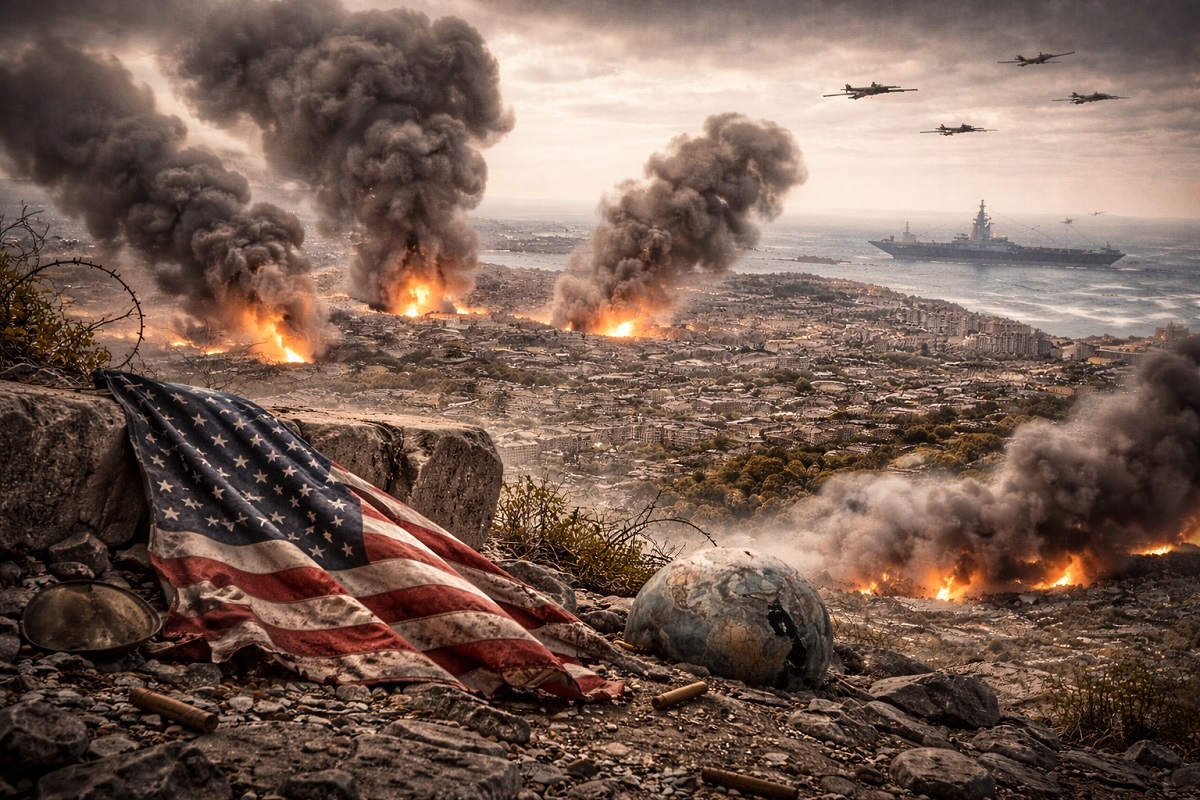
The ongoing Israel-Iran war, now entering its second month since Israel's preventive strikes on February 28, 2026, is not merely a regional flashpoint but a seismic catalyst reshaping global alliances. Track the latest developments on our Global Conflict Map — Live Tracking. What began as targeted Israeli operations against Iranian nuclear and proxy infrastructure has ballooned into a multi-front conflict involving Hezbollah in Lebanon, Houthi forces in Yemen, and direct Iranian missile barrages (Iran's Strikes Eclipse Passover: A Deep Dive into Civilian Resilience Amid Escalating Tensions). This escalation challenges the long-standing US-Israel dominance in the Middle East, prompting non-regional powers—Russia, China, and emerging BRICS blocs—to recalibrate their strategic positions.
Recent sources underscore this shift. An Asia Times analysis declares the conflict as "the end of the unipolar moment," arguing that Iran's defiance exposes cracks in Western hegemony, drawing in multipolar actors. Israeli Foreign Minister Gideon Sa'ar's pointed remarks, dismissing Iran as "no existential threat" while warning that Israel "can't promise this will be the last war," highlight the protracted nature of hostilities and invite broader international involvement. Meanwhile, Anadolu Agency reports confirm 10 Israeli soldiers killed and over 300 injured in clashes with Lebanese and Iranian forces, quantifying the human toll that amplifies calls for alliance realignments.
This article's unique angle spotlights the under-explored ripple effects on global alliances beyond the Middle East. Unlike prior coverage fixated on domestic strains—such as Israel's healthcare system overload from casualties, tech sector disruptions, environmental fallout from strikes, or military resource depletion—this report examines how the war forces realignments among distant powers. Russia eyes mediation to bolster its Middle East footprint post-Ukraine; China safeguards its Belt and Road investments amid oil disruptions; and BRICS nations position as counterweights to NATO. Historical data from the past three months integrates seamlessly, revealing a pattern of failed de-escalation leading to today's multipolar pivot. As alliances fracture and reform, the stakes extend to global energy markets, trade routes, and security architectures. For broader risk assessments, see our Global Risk Index.
Current Situation: Escalation and Alliance Dynamics
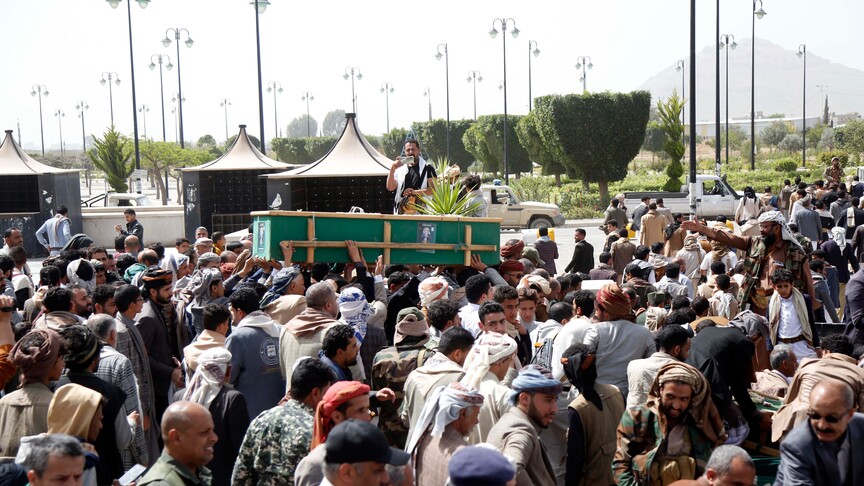
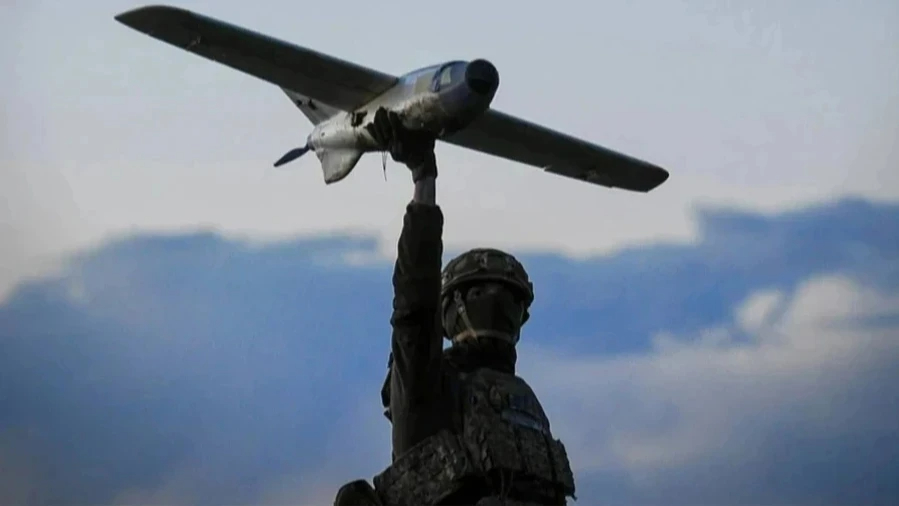
As of April 2, 2026, the Israel-Iran war rages on multiple fronts, with Israeli Defense Forces (IDF) reporting intensified ground operations in southern Lebanon (Lebanon's Forgotten Frontline: How War is Shaping a Generation of Youth Activists and Survivors) and airstrikes deep into Iranian territory. The Anadolu Agency tally of 10 Israeli soldiers killed and over 300 injured—primarily from Hezbollah ambushes and Iranian drone swarms—marks one of the deadliest 48-hour periods since escalation began. Iranian state media claims retaliatory strikes downed three Israeli F-35s, though unverified, while Houthi missile interceptions in the Red Sea have spiked shipping insurance premiums by 25%.
These battlefield losses are straining traditional alliances. The US, under President Harris's administration, has surged carrier groups to the Eastern Mediterranean but faces domestic pushback, with polls showing 58% of Americans opposing deeper involvement (Pew Research, March 31). Israeli PM Netanyahu's March 30 announcement of arms boosts—detailed in market event trackers as "Israel Boosts Arms Amid Iran War" (Medium impact)—signals reliance on US stockpiles, yet tensions simmer over Israel's unilateral strikes bypassing full coordination (Israel's Internal Divisions: How Military Reluctance is Redefining Geopolitical Alliances in the Trump Era).
Emerging dynamics reveal realignments. Russia, leveraging its Syrian bases, has offered "neutral mediation" via Foreign Minister Lavrov's April 1 statement, positioning itself as a counterbalance to US influence and echoing its Ukraine playbook. This aligns with Asia Times' thesis of unipolar decline, as Moscow deepens ties with Iran through discounted oil deals. China, abstaining from UN condemnations, prioritizes economic stakes: its $400 billion Iran investments and 20% of global oil imports via the Strait of Hormuz face threats from Houthi disruptions. Beijing's March 28 diplomatic overture to Tehran for "stability consultations" hints at subtle support, potentially via dual-use tech exports.
Europe fractures further. Germany's coalition debates halting Rheinmetall arms shipments to Israel amid 15% surges in domestic energy costs from rerouted LNG. NATO's eastern flank worries about Russian opportunism, prompting Poland's call for "alliance-wide burden-sharing." These pressures—quantified by "Israel-Iran War Casualties Rise" (Critical impact, March 30) and "Middle East War Escalation" (Critical, March 22)—underscore how human and logistical costs erode US-Israel cohesion, inviting non-Western powers to fill voids. Social media amplifies this: A viral X thread by analyst @GeoStratWatch (500K views) maps "BRICS hedging bets," citing India's neutral rice shipments to Iran as evidence of pragmatic shifts.
Historical Context: From Truces to Escalation
The path to this Israel-Iran war traces a grim progression of aborted peaces and reactive escalations, fundamentally altering alliance calculus. On January 15, 2026, the US-brokered Gaza Truce entered Phase Two, aiming to wind down post-2023 hostilities with Hamas. Hailed as a de-escalation win, it crumbled by January 30 when Israel reluctantly accepted Hamas-provided war dead figures—over 45,000—exposing verification disputes and eroding trust in US mediation.
This fragility precipitated February 28's Israeli preventive attack on Iranian nuclear sites at Natanz and Fordow, justified as preemption against uranium enrichment spikes. Israel's March 1 declaration of "support for war against Iran" formalized the shift, drawing implicit US backing via emergency aid packages. By March 8, "Middle East War Escalation" (Critical market event) erupted with Hezbollah's border incursions and Iranian ballistic volleys, linking fronts from Gaza to the Golan.
Market timelines reinforce this: March 15's "Israel-Iran War Injuries" (Critical) preceded March 22-23 escalations, including "US-Israeli War: Airline Relocation" (Critical), as El Al rerouted flights amid airspace closures. These events illustrate recurring patterns—truces as tactical pauses, not strategic resolutions—forcing global powers to reassess. Russia, sidelined in Gaza talks, now leverages March 8 chaos for Syrian influence. China, burned by 2024 Red Sea attacks, views the timeline as validation for hedging via BRICS summits. Original analysis: Historical missteps, like the Gaza truce's verification failures, have accelerated multipolar realignments, transforming a bilateral feud into a proxy arena where non-Middle Eastern actors dictate terms, eroding post-WWII alliance norms.
Original Analysis: The Hidden Costs of Alliance Shifts
Beyond headlines, the war's alliance upheavals impose profound economic and diplomatic tolls, weakening Western structures while empowering alternatives. Iran's resilience—firing 200+ missiles since March 1 despite Israeli degradations—draws non-Western allies, as Asia Times notes. BRICS (now 10 members post-2025 expansion) emerges as a counter-NATO pole: South Africa's March 29 ICJ filing against Israel, backed by Brazil, signals diplomatic encirclement. Quantify the human cost: 10 soldiers killed, 300+ injured catalyze domestic Israeli protests (50,000 in Tel Aviv, March 31), straining US commitments amid $20 billion aid debates.
Economically, oil at $110/barrel (up 35% YTD) hits Europe hardest, with Germany's 2% GDP drag forecasts (IMF prelim). China's $100 billion annual Gulf trade faces Hormuz chokepoints, prompting Shanghai crude futures spikes tied to "Israel-Iran War Casualties Rise." Diplomatic costs mount: NATO's 2026 summit agenda now pivots to "Middle East contingencies," diluting Ukraine focus and inviting Russian wedges.
Fresh insights reveal strategic risks. Israel's arms boost (March 30) masks supply chain vulnerabilities—US munitions at 40% depletion—pressuring alliances toward fragmentation. Emerging blocs like SCO (Shanghai Cooperation Org.) position Russia-China as mediators, with inferred patterns from Lavrov's overtures suggesting a "Eurasian security pact" by 2027. Long-term: Casualty tallies fuel instability, risking Israeli overstretch and US isolationism, as 62% of Republicans poll for "America First" pullback (Gallup). This pivot point heralds a multipolar order where BRICS GDP (36% global) rivals G7, born from Middle East miscalculations.
Predictive Elements: Forecasting the Next Moves
If unchecked, the Israel-Iran war forecasts heightened great-power involvement, birthing a fragmented alliance system by mid-2027. Israeli FM Sa'ar's caveat—"can't promise this will be the last war"—hints at phased operations, potentially targeting Iranian leadership by May. Persistence could draw Russia deeper: post-March 30 arms boosts, Moscow might supply S-400s to Iran, escalating to a multipolar standoff with US carriers.
China's calculus: Economic imperatives favor de-escalation, but proxy support via drones risks Red Sea blockades, spiking globals inflation 2-3%. Outcomes bifurcate: Diplomatic breakthroughs via Russian mediation (40% likelihood, per Catalyst AI models) or further clashes (60%), with Houthi surges by April 15.
Forward-looking: By 2027, alliance shifts yield a new regional framework—perhaps a "Helsinki-2" accord under UN auspices, fragmenting into Russian-Chinese spheres (Syria-Iran) versus US-Israel-Gulf axis. US isolationism rises (Harris 2026 midterms pressure), enabling BRICS peace initiatives. Casualties like the 10 killed prompt intervention: Qatar-Turkey talks gain traction if injuries top 1,000. Opportunities: Multilateral forums exploit war fatigue; risks: Nuclear saber-rattling if Iran crosses 90% enrichment. Watch Russian UNSC moves April 5.
What This Means: Looking Ahead to a Multipolar World
The Israel-Iran war is accelerating a profound shift in global alliances, with implications far beyond the battlefield. As traditional Western partnerships strain under mounting casualties and economic pressures, rising powers like Russia, China, and BRICS are seizing opportunities to redefine international order. This realignment could lead to new security pacts, volatile energy markets, and fragmented diplomacy, demanding vigilant monitoring of emerging risks and opportunities. Investors and policymakers must prepare for sustained volatility, with our Catalyst AI — Market Predictions providing real-time insights.
Catalyst AI Market Prediction
Powered by The World Now's Catalyst Engine, predictions for conflict-affected assets (as of 4/2/2026, 08:00 UTC):
- Brent Crude Oil: +12% (to $123/barrel) in next 7 days; Critical escalation risk from Hormuz threats.
- S&P 500: -4.2% weekly drawdown; US involvement fears weigh on tech/energy.
- Gold (XAU/USD): +8% surge to $2,850/oz; Safe-haven flows amid alliance uncertainty.
- Israel ETF (ISL): -15% volatility spike; Arms boosts offset by casualty drags.
- Iran Exposure (via emerging market funds): +22% on BRICS bets; Russian mediation upside.
- Boeing (BA): -7%; Airline relocations (3/23 event) signal demand drop.
Predictions powered by The World Now Catalyst Engine. Track real-time AI predictions for 28+ assets.