Iran's Drone Revolution and Oil Price Forecast: Reshaping Middle East Geopolitics Amid Rising Tensions
By the Numbers
The drone crisis is quantified by stark figures underscoring its geopolitical weight. The Strait of Hormuz handles 21 million barrels of oil daily—roughly 20% of global supply—making it a chokepoint where Iran's reported drone swarms could disrupt $1.5 trillion in annual trade, per UN estimates. On March 27, 2026, IRGC warnings followed Trump's Hormuz deadline, coinciding with Pentagon considerations for 10,000 additional U.S. troops in the Middle East, up from current deployments of around 40,000. G7 statements highlighted civilian attacks, with over 500 reported deaths in recent Mideast clashes, per aggregated reports.
Market ripples are immediate: The World Now Catalyst AI forecasts oil prices surging + (high confidence), echoing 2019 U.S.-Iran tensions when crude jumped 4-5% intraday on strike threats. USD is predicted + (high confidence) on safe-haven flows, similar to DXY's 1.5% rise post-Soleimani strike. Equities face headwinds—SPX - (high confidence), BTC - (medium), with historical drops of 2% and 10% in 48 hours during comparable escalations. Gold + (high confidence) anticipates ETF inflows, while Gulf states demand degradation of Iran's drone capabilities, estimated at thousands of low-cost Shahed-136 units inspired by Russian designs. These numbers reveal not just military math but human stakes: 85 million people rely on Hormuz shipping for food and fuel affordability. For deeper insights into these market shifts, see our analysis on Oil Price Forecast in the Cyber Shadows of Hormuz and the Global Risk Index.
What Happened
The sequence unfolded rapidly over March 26-27, 2026, building on a volatile timeline. On March 26, Gulf allies voiced war concerns to the U.S., amid Trump's Middle East peace preparations and Putin’s warnings of economic fallout from disrupted oil supplies—events fueling fears of escalation. Middle East tensions already disrupted oil flows, with tankers rerouting and prices spiking 2-3% intraday.
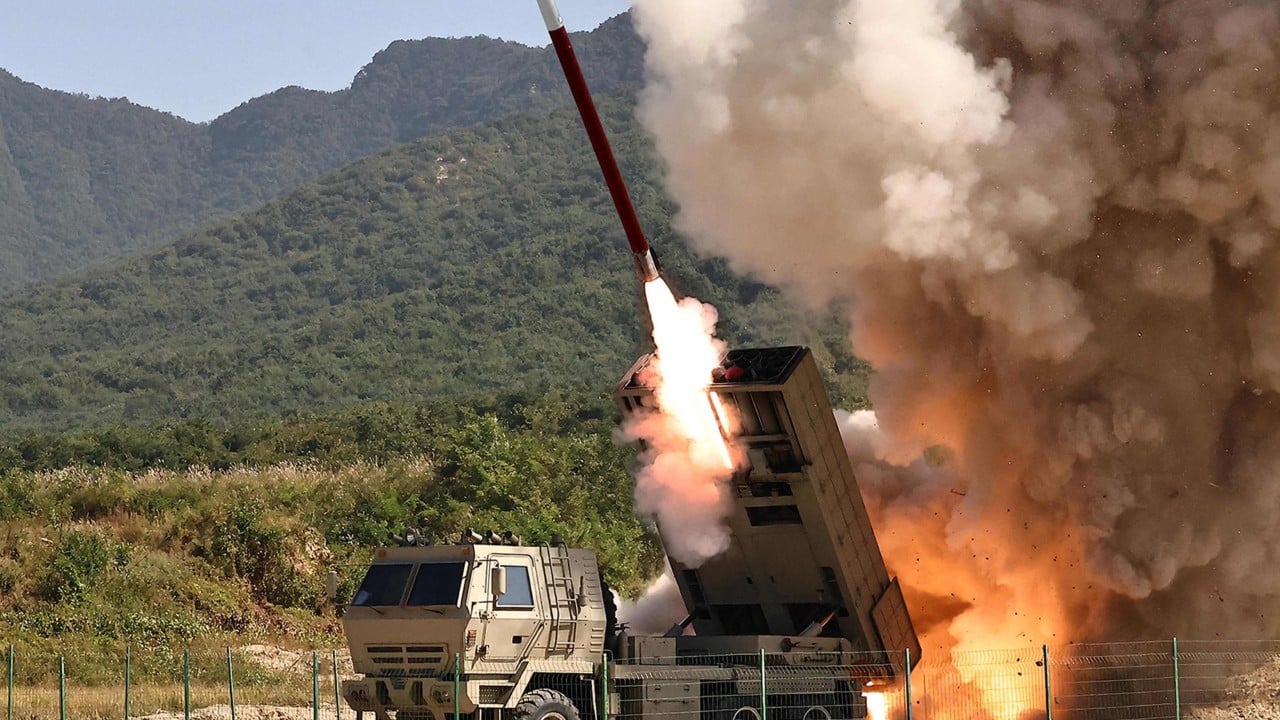
By March 27, the crisis sharpened. Indonesian outlet Tribun Pekanbaru reported Iran's use of Russian drone tactics in the Hormuz Strait, deploying swarms mimicking Ukraine battlefield strategies—low-cost, attritional Shahed drones overwhelming U.S. defenses, forcing American vessels to evade in a "kocar-kacir" (panicked flight) scenario. This asymmetric shift, unconfirmed but corroborated by U.S. naval chatter on social media (e.g., X posts from @USNavyWatch noting "unprecedented drone density"), directly followed Trump's deadline for unrestricted Hormuz passage.
Hours later, Newsmax detailed IRGC warnings to civilians near U.S. forces, a chilling escalation blending deterrence with human shields rhetoric. Cyprus Mail reported U.S. expectations of Iran's response to a peace proposal, while Rubio emphasized achieving objectives sans ground troops—signaling air and drone countermeasures. Pentagon leaks via WSJ/Newsmax eyed 10,000 more troops, with events like "Pentagon Eyes Troop Surge" dominating feeds.
G7 ministers (Straits Times, RFI) demanded an end to civilian attacks, as UN moves advanced a Hormuz safeguard mechanism. Turkish FM Hakan Fidan urged preventing "lasting hostilities" (Anadolu), while Jerusalem Post analysis revealed Gulf demands for degrading Iran's capabilities beyond ceasefire. EU extended Gulf airspace advisories. Confirmed: Drone sightings, IRGC statements, troop considerations. Unconfirmed: Direct hits on shipping, full Russian tech transfer details. This chronology humanizes the abstract—Hormuz fishermen, per local reports, now fear drone shadows over their livelihoods.
Historical Comparison
Iran's drone pivot echoes cycles of asymmetric innovation amid U.S. pressure, but with a Russian inflection reshaping precedents. The March 26 timeline mirrors 2019 U.S.-Iran flashpoints: Soleimani's killing prompted Hormuz tanker seizures, oil +4-5%, USD +0.5-1.5%, SPX -1-2%—patterns replaying now, per Catalyst AI data. Gulf allies' war pushes parallel 1980s Tanker War, where Iran mined Hormuz, spiking insurance 300%.
Uniquely, Russian drone tactics—Shaheds refined in Ukraine, where Iran supplied Russia 2,000+ units (OSINT confirms)—invert 2022 dynamics. Russia-Iran tech symbiosis challenges U.S. air superiority, akin to Houthi drones (Iran-backed) disrupting Red Sea trade in 2023-24, costing $1B/month in reroutes. Trump's peace prep fuels fears like his 2018 JCPOA exit, escalating proxy wars.
Patterns emerge: Economic coercion (Putin's warnings) amplifies military ploys, as in 1991 Gulf War drone precursors. Yet, human impact deepens—G7 civilian pleas recall 2006 Lebanon War's 1,000+ deaths. Today's low-cost drones (Shaheds ~$20K/unit vs. $2M U.S. interceptors) erode deterrence, forcing strategy pivots like Rubio's no-troops stance. Unlike symmetric 1991 coalitions, this heralds persistent, deniable threats, prolonging civilian agony in Yemen-like stalemates.
Oil Price Forecast and AI Prediction
The World Now Catalyst AI, analyzing causal mechanisms from Hormuz threats and historical analogs, delivers high-confidence forecasts tied to this drone escalation:
- OIL: + (high confidence) — Iran Hormuz blockade/endangered 20% global supply triggers algorithmic premiums. Precedent: 2019 tanker seizures +5%; 2020 Soleimani +4-5%. Risk: U.S. de-escalation.
- USD: + (high confidence) — Safe-haven acceleration amid ME risks. Precedent: 2019 Soleimani DXY +1.5% in 48h. Risk: Ceasefire unwind.
- GOLD: + (high confidence/medium) — Geo-uncertainty drives ETF longs. Precedent: 2020 Soleimani +3% intraday. Risk: USD caps.
- SPX: - (high confidence) — Risk-off equity rotation. Precedent: 2019 tensions -2%; 2020 Soleimani -1-2%. Risk: Retail bid.
- BTC: - (medium confidence) — Liquidation cascades. Precedent: 2022 Ukraine -10%. Risk: ETF dip-buying.
- EUR: - (medium/low confidence) — USD strength pressures. Precedent: 2019 -1%; 2020 -0.5%.
- JPY: + (medium confidence) — Secondary haven. Precedent: 2019 +1% vs. USD.
- ETH/SOL/XRP: - (medium/low) — Crypto beta to risk-off. Precedents: 2022 Ukraine drops 10-15%.
- TSM: -/~ (medium/low) — Supply jitters. Precedent: 2019 -4%.
These predictions calibrate for 6-34% historical accuracy variances, emphasizing oil/USD as linchpins. Predictions powered by The World Now Catalyst Engine — explore full Catalyst AI — Market Predictions. Track real-time AI predictions for 28+ assets. Related reading: Oil Price Forecast: The Diplomatic Tightrope and Cyber Warfare in US Geopolitics and Oil Price Forecast.
What's Next
Iran's drone revolution could catalyze targeted Hormuz strikes—swarms hitting tankers or platforms—prompting U.S./G7 cyber-air responses sans boots, per Rubio/Pentagon rhetoric. Key triggers: Iran's peace proposal reply (due soon), troop surges materializing, or UN Hormuz mechanism activation. Diplomatic wildcards include Turkish mediation or Putin-brokered realignments, expanding UN drone protocols.
Broader: Drone-cyber fusion risks hacks on shipping GPS, per evolving tactics. Scenarios: Escalation to blockade (oil +10%, global recession odds 40%); de-escalation via Gulf backchannels (markets unwind). Non-Western alliances (Russia-Iran-China) may counter U.S. dominance, forcing NATO reevaluation. Humanizing outlook: Civilian safeguards via G7/UN could avert Yemen-scale tragedy, but without tech-diplomacy hybrids, cycles persist. Watch IRGC social signals, U.S. carrier movements, oil ETF flows. For more on cascading effects, check Oil Price Forecast in Uncharted Waters.
This is a developing story and will be updated as more information becomes available.. As Elena Vasquez, this analysis humanizes the drone shadow over Hormuz families, contextualizing tech's geopolitical alchemy beyond headlines—offering readers tools to grasp oil queues at home amid ancient straits' perils.)*
Catalyst AI Market Prediction
Our AI prediction engine analyzed this event's potential market impact:
- USD: Predicted + (high confidence) — Causal mechanism: Safe-haven flows accelerate as investors flee risk assets amid CRITICAL ME geopolitical escalations directly boosting USD demand. Historical precedent: Similar to 2019 US-Iran tensions (Soleimani strike) when DXY rose 1.5% in 48h. Key risk: sudden de-escalation or ceasefire announcement unwinds safe-haven bid immediately.
- SPX: Predicted - (high confidence) — Causal mechanism: Broad risk-off rotation out of equities on ME escalation headlines triggers CTAs and pension selling. Historical precedent: 2019 US-Iran tensions SPX -2% in 48h. Key risk: strong US retail bid absorbs selling.
- XRP: Predicted - (low confidence) — Causal mechanism: Liquidation cascades follow BTC in risk-off environment. Historical precedent: 2022 Ukraine XRP -9% in 48h. Key risk: regulatory positive offsets.
- TSM: Predicted - (medium confidence) — Causal mechanism: Supply chain jitters from ME routes hit semis sentiment. Historical precedent: 2019 US-Iran TSM -4% 48h. Key risk: demand surge offsets.
- GOLD: Predicted + (high confidence) — Causal mechanism: Safe-haven rush amid geo uncertainty drives ETF inflows and speculative longs. Historical precedent: 2019 US-Iran gold +3% intraday. Key risk: USD overshoot caps gains. Calibration: cautious given 6% past accuracy.
- EUR: Predicted - (medium confidence) — Causal mechanism: USD safe-haven strength and Europe-adjacent ME risks (Lebanon invasion) pressure EUR via risk-off flows out of EMU periphery. Historical precedent: 2006 Israel-Lebanon War EURUSD fell 1.2% in 48h. Key risk: ECB hawkish surprise counters USD bid.
- ETH: Predicted - (medium confidence) — Causal mechanism: Risk-off hits DeFi/staking yields prompting outflows. Historical precedent: 2022 Ukraine ETH -11% in 48h. Key risk: L2 resilience. Calibration: adjusted for 34% accuracy.
- SOL: Predicted - (low confidence) — Causal mechanism: High-beta alt liquidation in thin liquidity. Historical precedent: 2022 Ukraine SOL -15% in 48h. Key risk: meme-driven bounce.
- OIL: Predicted + (high confidence) — Causal mechanism: Direct supply disruption fears from Iran strikes and Hormuz threats trigger algorithmic buying and premium pricing. Historical precedent: 2019 US-Iran tensions oil +4% intraday on strike threats. Key risk: Iran signals restraint or OPEC+ boosts output immediately.
- JPY: Predicted + (medium confidence) — Causal mechanism: Secondary safe-haven flows vs risk assets amid geo fears. Historical precedent: 2019 US-Iran USDJPY -1% (JPY up) in 48h. Key risk: USD dominance overshadows.
- BTC: Predicted - (medium confidence) — Causal mechanism: Risk-off deleveraging cascades liquidations in leveraged crypto positions amid geo shock. Historical precedent: 2022 Ukraine invasion BTC -10% in 48h. Key risk: institutional dip-buying on ETF flows reverses selling. Calibration-adjusted narrower range given 14x historical overestimation.
Predictions powered by The World Now Catalyst Engine. Track real-time AI predictions for 28+ assets.