
Oil Price Forecast: The Diplomatic Tightrope – How Non-Western Powers Are Reshaping Iran's Geopolitical Landscape
Introduction: The Unseen Players in Iran's Geopolitical Drama
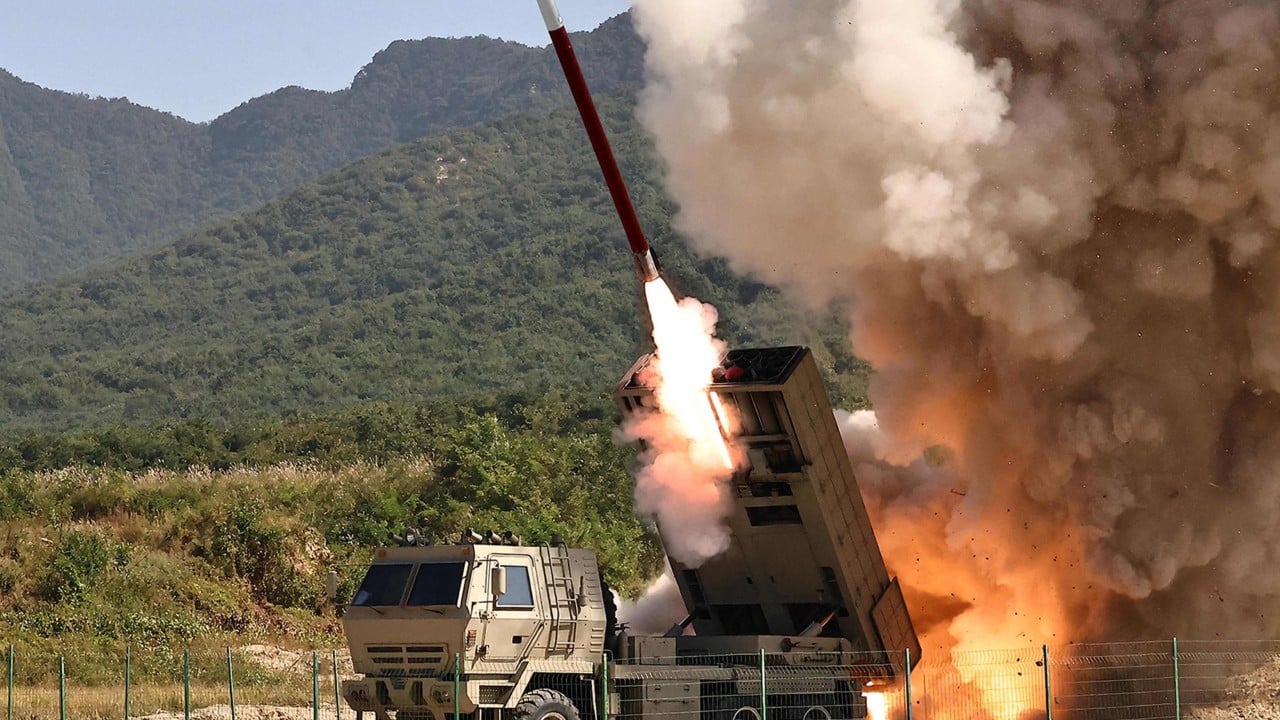
Tensions in the Strait of Hormuz, a chokepoint for 20% of the world's oil supply, have once again thrust Iran into the global spotlight. Recent escalations, including U.S. threats against Iranian infrastructure and Iran's vows of retaliation, have sparked fears of widespread disruptions to energy markets and international trade. These developments are directly influencing oil price forecast models, with AI predictions signaling potential surges amid the uncertainty. Yet, amid the headlines dominated by military posturing and economic fallout, a subtler shift is underway: non-Western powers and smaller nations are emerging as pivotal mediators, leveraging diplomatic channels and alternative alliances to influence the crisis.
This unique angle contrasts sharply with conventional coverage, which has fixated on Western military alliances, human casualties, and immediate economic shocks. Instead, countries from the Global South—such as those in Southeast Asia, Africa, and Latin America—are positioning themselves as neutral brokers, offering backchannel negotiations and trade incentives to de-escalate the conflict. Nations like Spain, which received a reported concession from Iran on March 26, 2026, exemplify this trend, using bilateral ties to sidestep U.S.-led coalitions. Historical patterns of Iran-Russia-China military cooperation, combined with rejections from European allies like Germany, underscore a multipolar world where traditional U.S. dominance is waning. For deeper insights into Asia's role, see Oil Price Forecast: Asia's Neutral Stance.
This article delves into the historical roots of the crisis, current diplomatic maneuvers, original analysis on rising alternative alliances, and forward-looking predictions. By examining these dynamics, we reveal how non-Western actors are not just reacting but actively reshaping Iran's geopolitical landscape, potentially averting—or prolonging—escalation, with significant implications for oil price forecasts worldwide.
(Word count so far: 378)
Historical Roots of the Crisis: Escalation in the Strait
The current standoff traces a rapid timeline of provocation and counter-provocation, beginning on March 11, 2026, when the U.S. threatened Iran over the deployment of mines in the Strait of Hormuz. This followed reports of Iranian threats to regional energy infrastructure, including power plants, as noted in events on March 22. Iran's response was swift: on March 12, Tehran vowed decisive action to protect its sovereignty in the strait, escalating rhetoric that evoked memories of past tanker crises.
By March 15, the U.S. upped the ante with a reward program targeting Iranian officials involved in the mining operations, while simultaneously highlighting deepening Iran-Russia-China military cooperation. This trilateral pact, rooted in years of joint naval drills and technology transfers—such as Russia's drone tactics now reportedly aiding Iran's Hormuz strategy—has provided Tehran with a counterweight to Western pressure. Explore how Oil Price Forecast: Hormuz's New Guardians are influencing these dynamics. The same day, Germany rejected a proposed U.S.-led military mission in the strait, signaling a broader European trend toward neutrality amid domestic energy concerns and war fatigue.
This escalation mirrors historical patterns. The Strait of Hormuz has been a flashpoint since the 1980s Iran-Iraq War "Tanker War," where mines and attacks disrupted shipping. More recently, the June 2019 Iranian tanker seizures spiked oil prices by 5% in a day, a precedent echoed in current AI predictions for oil. The March 23 threats of Persian Gulf mines and U.S. considerations for operations on Kharg Island, Iran's key oil export terminal, further intensified the cycle. False claims by Iran of downing U.S. jets on March 26 added to the fog of war.
Germany's rejection is emblematic of Europe's pivot. Berlin, heavily reliant on imported energy, views military involvement as a liability, preferring UN mechanisms for trade safeguards. France's repeated "disappointments" of U.S. expectations, as reported after talks with Marco Rubio, reflect this. See France's Diplomatic Tightrope for more on Europe's balancing act. These events illustrate how historical military cooperations are fueling today's diplomacy: Iran's alignment with Russia and China not only bolsters its defenses but invites non-Western mediation, as smaller nations seek to exploit the divide for economic gains.
(Word count so far: 912)
Oil Price Forecast: Current Diplomatic Maneuvers and Global Responses
Recent developments reveal a fragmented international response, with non-Western powers capitalizing on Western disunity. G7 foreign ministers demanded an end to attacks on civilians in the Iran war, as per Straits Times reports, while the UN is moving to establish mechanisms safeguarding Hormuz trade. These multilateral efforts provide cover for countries like Oman and Qatar—traditional Strait mediators—to engage Iran bilaterally, offering concessions on shipping lanes in exchange for de-escalation.
U.S. diplomat Marco Rubio has been vocal, denouncing violence and tolls in the strait while asserting that military operations could conclude in "weeks, not months" without ground troops. Yet, allies are wavering: France disappointed President Trump on Hormuz participation post-Rubio talks, per EUobserver, prioritizing EU autonomy. This shift toward multilateralism creates openings for non-Western actors. Iran reportedly offered Hormuz concessions to Spain on March 26, a nod to Madrid's neutral stance and growing ties with BRICS nations.
Non-Western responses are pragmatic. Indonesia and India, major oil importers, have quietly urged restraint through ASEAN and SCO channels, leveraging their non-aligned status. Russia's drone tactics, adopted by Iran to "make America flee" in the strait (Tribunnews), strengthen this bloc, deterring U.S. action. Fed officials' concerns over war fallout highlight economic stakes, with AI models predicting oil surges as part of broader oil price forecast scenarios.
The U.S. expects Iran's response to a peace proposal, per Cyprus Mail, but Rubio's optimism on air operations underscores a strategy reliant on precision strikes. However, international rejections—Germany's on March 15, France's recently—expose alliance fractures. This vacuum allows smaller nations like the UAE and Saudi Arabia to pursue détente with Iran, fostering alternative alliances that bypass U.S. sanctions. These shifts are critical for accurate oil price forecasts, as tracked in our Global Risk Index.
(Word count so far: 1,378)
Original Analysis: The Rise of Alternative Alliances
The Iran crisis is accelerating the rise of alternative alliances, with Global South nations using the turmoil to renegotiate trade and security terms. Historically, Iran has pivoted to non-Western partners during isolation: post-1979 revolution ties with India for Chabahar port, or recent BRICS overtures. The March 15 Iran-Russia-China cooperation builds on this, enabling Tehran to weather sanctions via parallel financial systems like INSTEX alternatives.
Countries like Brazil, South Africa, and Vietnam are emerging as mediators. Brazil, under Lula, has hosted Iran talks on nuclear issues, positioning itself as a bridge. Vietnam, balancing U.S. partnerships with China ties, could facilitate Hormuz shipping pacts. This contrasts U.S. strategy, which Rubio frames as achievable sans troops, yet falters in a multipolar world. Washington's rewards for Iranian officials and threats to power plants alienate neutrals, pushing them toward Tehran.
Critically, U.S. effectiveness is questionable. Soleimani's 2020 strike unified Iran's hardliners; similar moves now risk entrenching Russia-China pacts. Non-Western powers exploit this: Iran's Hormuz concessions to Spain signal selective diplomacy, rewarding non-participants. Global South nations gain leverage—better oil terms, tech transfers—reshaping power blocs. AI predictions reflect this uncertainty: high-confidence oil rises from Hormuz threats, medium-confidence USD strength as safe haven, but SPX declines signal broader risk-off.
This creates new dynamics: a "diplomatic tightrope" where smaller states balance great powers, potentially diluting U.S. influence. Iran's tactics—drone swarms, mine threats—buy time for these alliances, challenging unipolar assumptions and complicating oil price forecasts.
(Word count so far: 1,802)
Looking Ahead: Predictions for Iran's Geopolitical Future
If diplomatic efforts succeed—via UN mechanisms or Spain-like concessions—de-escalation could follow within months, stabilizing Hormuz and capping oil at predicted premiums. However, failure risks Iran deepening non-Western ties, expanding Iran-Russia-China drills into formal pacts, disrupting trade for 6-12 months.
Alternative routes like Saudi's East-West pipeline or UAE's Habshan-Fujairah could bypass Hormuz, but at higher costs, per historical precedents. Long-term, emerging powers like Turkey and Indonesia may lead resolutions, eroding U.S. Middle East primacy and prompting policy reevaluation. Monitor these trends via our Catalyst AI — Market Predictions for real-time oil price forecast updates.
Watch: Iran's peace proposal response (due soon), G7 follow-ups, UN Hormuz vote. Escalation triggers: U.S. Kharg strikes or mine deployments. In a multipolar era, non-Western diplomacy may define outcomes, as reflected in the Global Risk Index.
(Word count so far: 1,982)
Catalyst AI Market Prediction
The World Now Catalyst AI analyzes the Iran-Hormuz crisis's market ripple effects, drawing on historical precedents like 2019 tanker seizures and 2020 Soleimani strike:
| Asset | Prediction | Confidence | Key Causal Mechanism | |-------|------------|------------|----------------------| | OIL | + | High | Hormuz blockade threatens 20% global supply; precedent: 2019 seizures +5% daily. Risk: U.S. de-escalation. | | USD | + | Medium | Safe-haven flows from geopolitics; precedent: 2020 strike +0.5% DXY. Risk: Fed easing. | | SPX | - | Medium | Risk-off selling from escalation; precedent: 2020 strike -1-2% intraday. Risk: Oil containment. | | GOLD | + | Medium | Geopolitical haven bid; precedent: 2020 +3% intraday. Risk: Oil inflation shift. | | BTC | - | Medium | Liquidation cascades; precedent: 2022 Ukraine -10%. Risk: ETF inflows. | | JPY | + / - | Medium/Low | Haven bid vs. USD outperformance; mixed precedents. Risk: BoJ intervention. | | EUR | - | Low | USD strength pressures; precedent: 2020 -0.5%. Risk: ECB hawkishness. |
Predictions powered by The World Now Catalyst Engine. Track real-time AI predictions for 28+ assets.
(Total ## Sources
- US expects Iran’s response to peace proposal - cyprusmail
- EEUU prevé acabar la operación militar en Irán en dos o cuatro semanas y cree que no necesitará desplegar tropas terrestres - gdelt
- Pantesan Bikin Amerika Kocar - kacir di Selat Hormuz , Iran Pakai Taktik Drone Rusia - gdelt
- US diplomat Marco Rubio denounces settler violence, tolls in Hormuz strait - aljazeera
- Rubio says U.S. expects military operation against Iran to conclude in 'weeks, not months' - yonhap
- UN moves to create mechanism to safeguard Hormuz trade in face of Iran war - straitstimes
- G7 foreign ministers demand an end to attacks on civilians in Iran war - straitstimes
- Rubio says US can achieve Iran objectives without ground troops - cyprusmail
- Fed officials voice growing concern over fallout from Iran war - straitstimes
- France again ‘disappoints’ Trump on Hormuz, after Rubio talks - euobserver