
Global geopolitics sees oil prices climb after Trump's Iran rejection
Oil prices have surged following President Trump's rejection of Iran's peace proposal, with the Strait of Hormuz remaining shut, amid preparations for his state visit to China.[1] This development has intensified concerns in the geopolitics global arena, where energy markets are reacting sharply to escalating tensions in key chokepoints for international trade.[1][2] China has confirmed US President Donald Trump's state visit from May 13 to 15, amid heightened US-China tensions.[2] Saudi Aramco has warned of significant losses in the oil market due to the ongoing issues in the Strait of Hormuz,[1] while tankers are navigating the area with tracking systems disabled, raising alarms over global energy supply routes.[1] Adding to the uncertainty, fears are mounting over China's potential threats to undersea cables, which carry 99% of global data, as Trump-Xi talks approach.[3]
Oil Price Surge and Iran Tensions
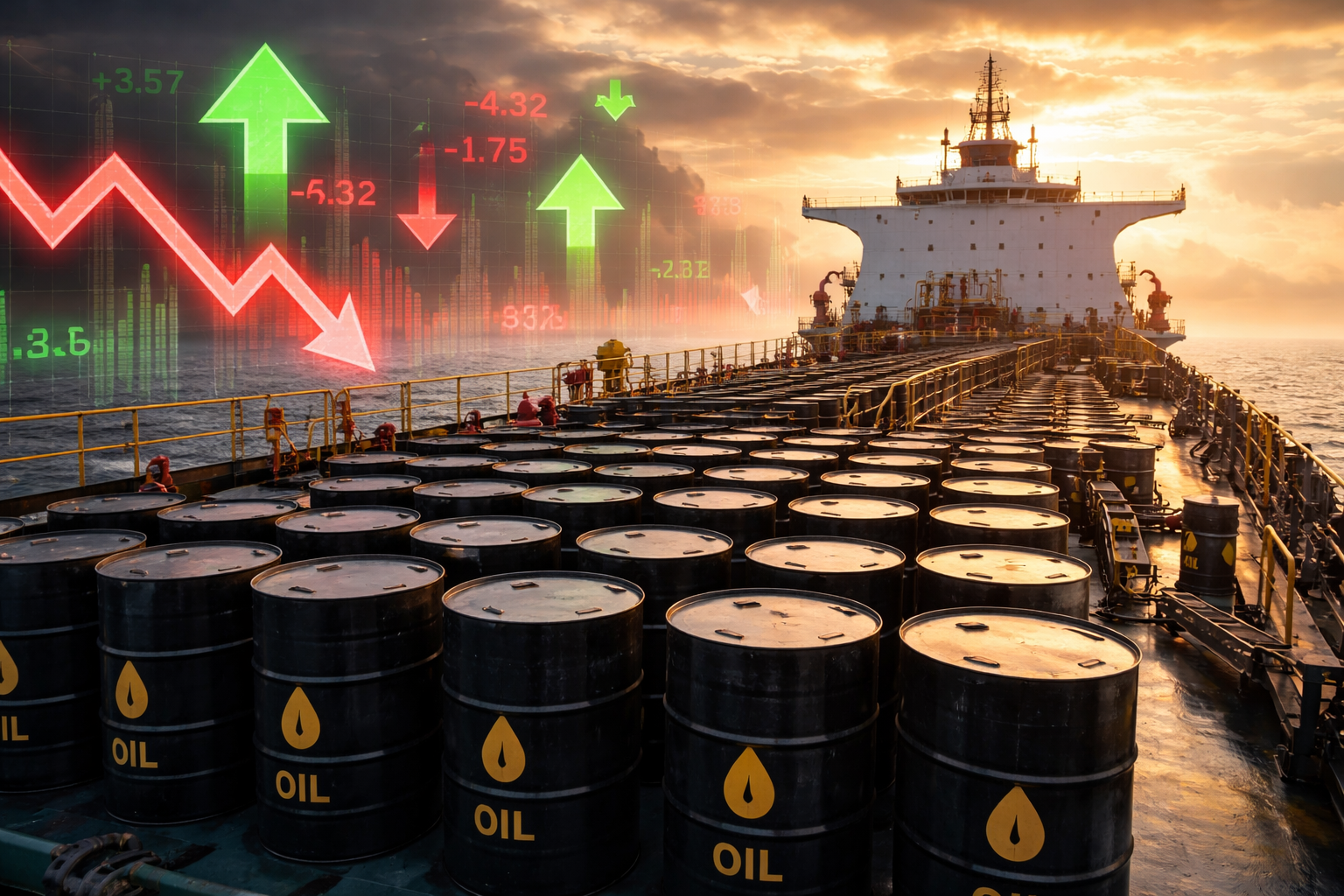
The immediate trigger for the sharp rise in oil prices stems directly from President Donald Trump's rejection of Iran's latest peace proposal, a move that has dashed hopes for any near-term resolution in the region.[1] This decision has reignited widespread fears about disruptions to global energy supply routes, particularly as the Strait of Hormuz continues to remain shut.[1] The Strait, a critical waterway through which a substantial portion of the world's oil passes, has been a focal point of tension, with the ongoing closure amplifying market volatility.[1]
Market watchers note that the fading prospects of breakthrough talks have shifted investor attention elsewhere, even as the immediate impact on crude prices becomes evident.[1] Trump's firm stance against the Iranian offer underscores a broader pattern of hardline diplomacy, contributing to the surge observed in recent trading sessions.[1] Without a reversal in the status of the Hormuz closure, analysts anticipate sustained pressure on oil benchmarks, as supply chain vulnerabilities come into sharper focus.[1] This situation not only affects pricing but also prompts shipping companies to adopt precautionary measures, further complicating logistics in an already strained environment.[1]
Trump's Upcoming Visit to China
China has officially confirmed the dates for US President Donald Trump's state visit to Beijing, scheduled from May 13 to 15, at the invitation of President Xi Jinping.[2] Announced by the foreign ministry in Beijing on Monday, this will mark the first visit to China by a US president in almost nine years.[2] The timing is particularly notable, arriving against a backdrop of heightened tensions between the two superpowers over a range of issues, from trade disputes to strategic rivalries.[2]
This state visit coincides with fragile dynamics in US-Iran relations, including the referenced ceasefire and the blockade of the Strait of Hormuz, which are driving up energy costs worldwide.[2] As preparations intensify, the trip represents a potential platform for high-level dialogue amid these pressures, though expectations remain tempered by the existing frictions.[2] Beijing's confirmation underscores its willingness to host such engagements, even as global markets grapple with the ripple effects of concurrent Middle East instability.[2] The visit's proximity to these developments positions it as a key moment in US foreign policy scheduling, with implications for bilateral relations under scrutiny.[2]
Implications for Global Energy Supplies
Saudi Aramco, one of the world's largest oil producers, has issued stark warnings about significant losses looming in the oil market due to the persistent issues surrounding the Strait of Hormuz.[1] With the strait remaining shut, the potential for widespread disruptions to international oil flows has prompted this alert, highlighting the vulnerability of global energy infrastructure.[1] Aramco's assessment points to cascading effects on production, refining, and distribution, as alternative routes fail to fully compensate for the shortfall.[1]
Compounding these risks, reports indicate that tankers continuing to navigate the Strait of Hormuz are doing so with their tracking systems disabled.[1] This practice raises serious concerns over the safety and reliability of global energy supply routes, as it obscures real-time visibility into vessel movements and potential threats.[1] In a region already fraught with geopolitical risks, such measures by shipping operators signal heightened caution, potentially leading to delays, insurance hikes, and rerouting that strain supply chains further.[1] Aramco's cautionary note serves as a reminder of the market's interdependence on stable passage through this vital chokepoint, where any prolongation of the shutdown could exacerbate losses across the sector.[1]
Undersea Cable Threats and Economic Risks
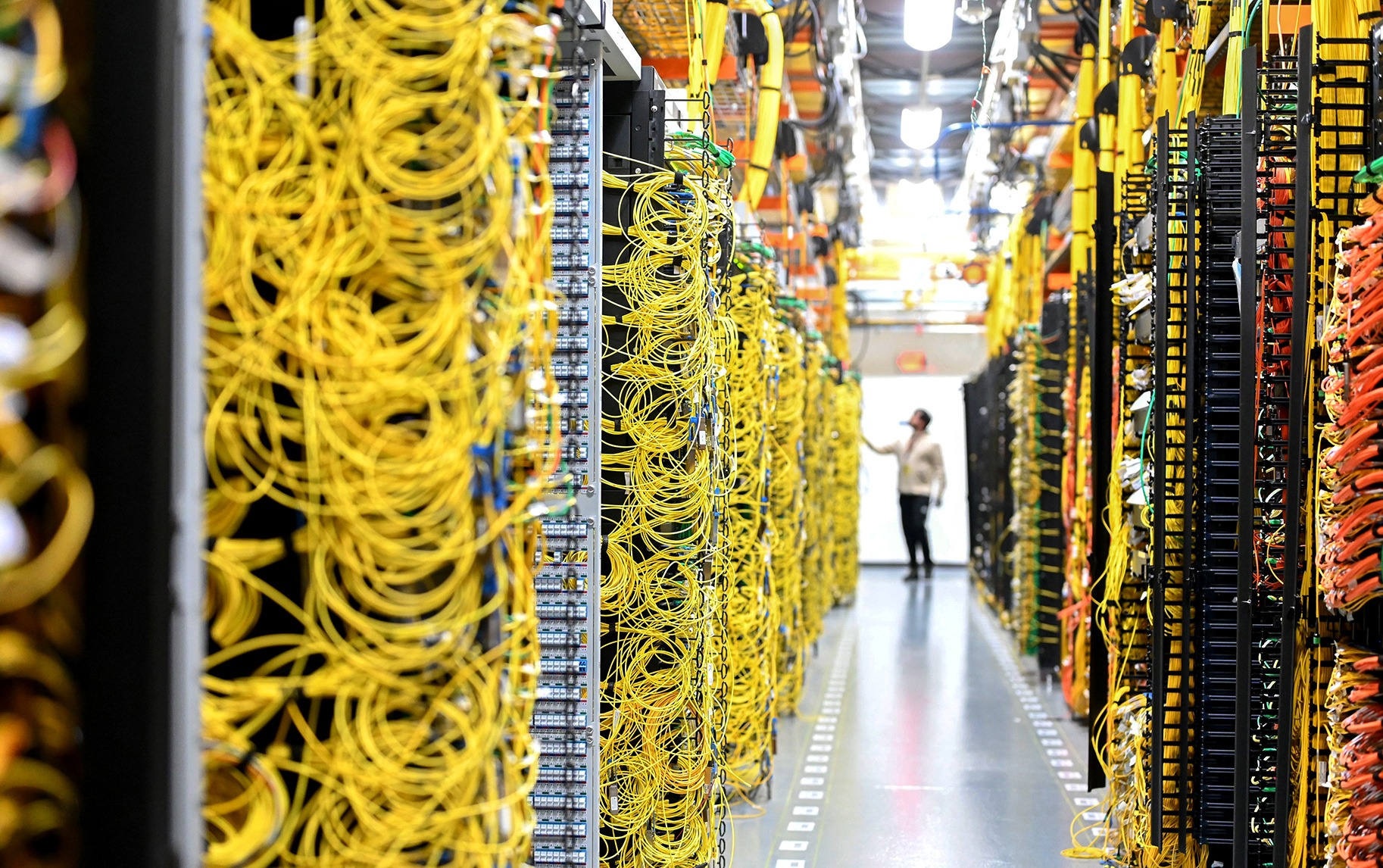
Warnings about China's potential capabilities to target undersea cables have escalated fears of devastating economic chaos, particularly as talks between Trump and Xi loom on the horizon.[3] A former intelligence official has highlighted how both China and Russia possess the means to inflict massive damage by striking these critical infrastructures, which carry 99% of global data traffic.[3] Such an action could trigger losses estimated in the trillions—specifically raising $10 trillion fears—disrupting communications, financial systems, and internet-dependent economies worldwide.[3]
These undersea cables form the backbone of international data exchange, linking continents and supporting everything from stock trades to cloud services.[3] The proximity of the Trump-Xi summit amplifies these concerns, as any escalation in US-China tensions could heighten the perceived risk of such asymmetric tactics.[3] Experts emphasize that the vulnerability lies not just in physical severance but in the prolonged recovery times, which could paralyze global operations for days or weeks.[3] This threat adds a layer of digital insecurity to the already tense geopolitical environment, prompting calls for enhanced protections on these submerged lifelines.[3]
Broader Geopolitical Context
The convergence of events in the geopolitics global landscape ties together US-Iran frictions, the Hormuz shutdown, and US-China dynamics into a complex web of foreign relations challenges.[1][2][3] Trump's rejection of Iran's peace proposal has not only propelled oil prices upward but also drawn parallels to the fragile ceasefire and blockade referenced in reports on his China itinerary.[1][2] Meanwhile, Saudi Aramco's market loss warnings and the shadowy tanker movements through Hormuz illustrate the immediate energy repercussions feeding into wider instability.[1]
Layered onto this is the confirmed Trump state visit to Beijing from May 13 to 15, occurring amid heightened bilateral tensions and coinciding with these Middle East pressures.[2] The undersea cable threats from China and Russia further interconnect these strands, as a former intelligence official's $10 trillion warning looms over Trump-Xi discussions, potentially influencing negotiations.[3] Tankers disabling trackers in Hormuz reflect operational adaptations to risk, mirroring broader strategic hedging in international waters.[1] This multifaceted context underscores how US diplomatic moves— from Iran rejections to China engagements—resonate across energy, data, and economic domains, shaping global markets and alliances.[1][2][3]
What to watch next: Observers will monitor oil price trajectories amid the Hormuz closure and any updates from Trump's Beijing visit, alongside developments on undersea cable vulnerabilities as US-China talks unfold.[1][2][3]