
Iran War Stalemate Persists Two Months In
The war between the US, Israel, and Iran has settled into a costly stalemate two months after initial strikes, with a fragile ceasefire in place but no clear resolution.[2] Israeli Prime Minister Benjamin Netanyahu is facing mounting electoral threats due to inconclusive multi-front wars against Iran and other groups, eroding public trust.[1] The Strait of Hormuz remains blocked, and direct talks have collapsed with neither side showing signs of yielding.[2] Casualties from the US-Israel versus Iran war have reached 5,831 dead and tens of thousands injured.[4] A Pakistan-brokered ceasefire has paused fighting, but it is fragile and negotiations have stalled.[2]
Current Status of the Iran War
Two months after US and Israeli strikes began, the war Iran conflict has settled into a costly stalemate, marked by a pause in active fighting but persistent tensions.[2] The fighting has halted under a fragile ceasefire brokered by Pakistan, yet this arrangement shows clear signs of vulnerability, with no immediate path to de-escalation.[2] Direct talks between the involved parties have collapsed entirely, as neither the US-Israel alliance nor Iran demonstrates any willingness to concede ground.[2] A key flashpoint remains the Strait of Hormuz, which continues to be blocked, disrupting global maritime traffic and underscoring the entrenched positions on both sides.[2] Last weekend, Washington's envoys cancelled their planned trip to the Pakistani capital for further discussions after Tehran explicitly stated it would not participate in negotiations until the US Navy lifted its blockade of Iranian waters.[2] This development highlights the deadlock, where military posturing and diplomatic breakdowns reinforce the stalemate. The current status reflects a war Iran scenario where initial aggressive strikes have given way to a tense equilibrium, with economic pressures mounting due to the ongoing blockade and paused hostilities.[2] Analysts note that this phase lacks the decisive momentum seen at the outset, as both coalitions maintain their strategic footholds without advancing toward victory.[2] The Pakistan-brokered truce, while providing a temporary reprieve, operates without robust enforcement mechanisms, leaving the region susceptible to renewed clashes.[2]
Political Implications for Involved Parties
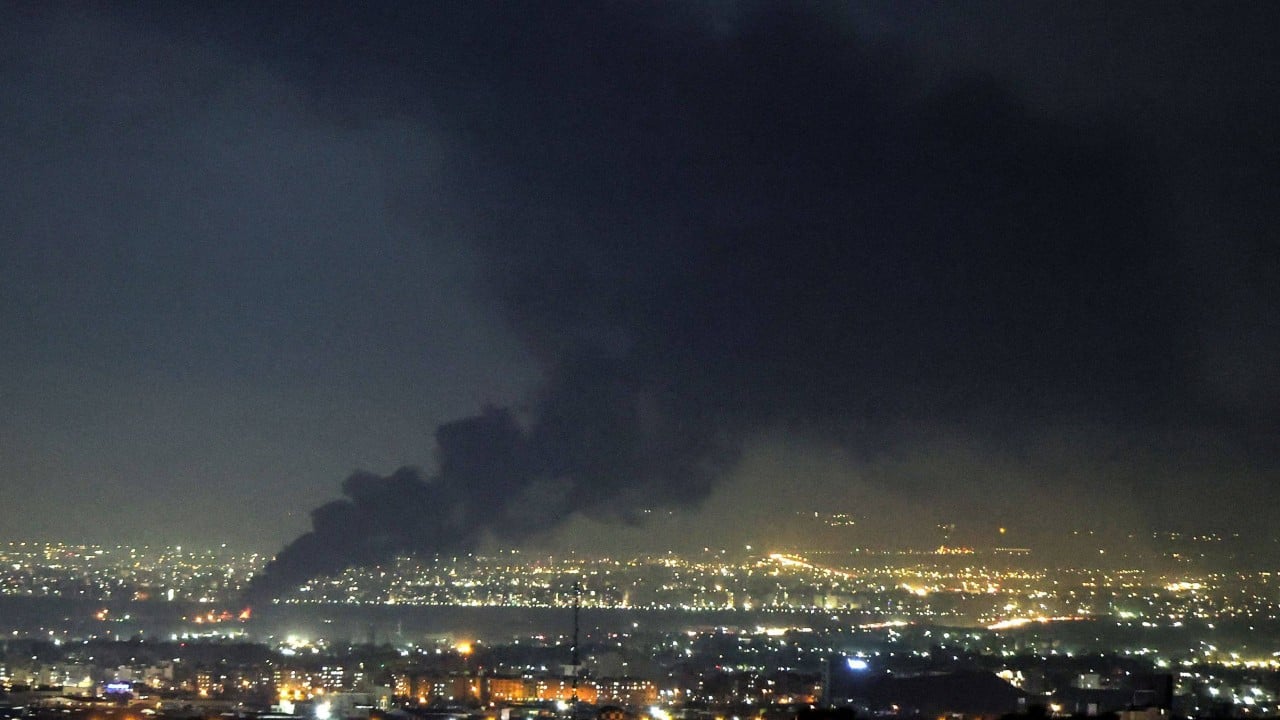
Two months into the Iran war, a fragile ceasefire holds amid a costly stalemate. — Source: scmp
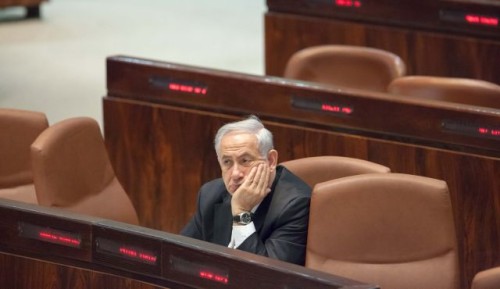
Israeli Prime Minister Benjamin Netanyahu is facing escalating political challenges and widespread public exhaustion ahead of October elections, driven by inconclusive multi-front wars against Iran, Hamas, and Hezbollah.[1] These conflicts, lacking definitive victories after prolonged engagement, have spurred political consolidation against the leadership, eroding public trust in Netanyahu's ability to deliver results.[1] The absence of clear outcomes has fueled domestic discontent, positioning the prime minister under mounting electoral threat as voters grapple with the fatigue of extended warfare.[1] Public sentiment has shifted amid the multi-front pressures, with the Iran theater contributing significantly to the narrative of stalemate and unresolved threats.[1] This erosion of support manifests in growing calls for accountability, as the government's war efforts fail to translate into strategic gains, amplifying opposition voices ahead of the polls.[1] The political landscape in Israel reflects broader implications for leaders tied to protracted conflicts, where inconclusive results undermine legitimacy and invite electoral reckoning.[1] Netanyahu's position is particularly precarious, as the combination of fronts—including the war Iran—intensifies scrutiny on decision-making and resource allocation.[1] Domestic exhaustion is palpable, with reports indicating a consolidation of anti-incumbent forces leveraging the lack of triumphs to challenge the status quo.[1]
Human and Casualty Toll
The human cost of the US-Israel versus Iran war has escalated dramatically, with documented casualties reaching 5,831 dead and tens of thousands injured.[4] This toll, reported as of late April 2026, underscores the devastating impact of the conflict's initial phases and subsequent engagements.[4] The figures encompass losses on all sides, reflecting the intensity of strikes and counterstrikes that defined the war's early months.[4] Tens of thousands more suffer from injuries, straining medical resources and compounding the humanitarian crisis in affected regions.[4] These numbers provide a stark measure of the war Iran's toll, where frontline combat and associated operations have exacted a heavy price from combatants and civilians alike.[4] The casualty count highlights the scale of destruction, with the published data from global event tracking sources confirming the precision of 5,831 fatalities.[4] Beyond the raw numbers, the injuries—described as numbering in the tens of thousands—imply long-term consequences for recovery efforts and societal stability.[4] This level of loss serves as a grim benchmark for the conflict's ferocity, particularly in the context of the stalemate that followed initial US and Israeli actions.[4]
Potential Stalemate and Future Outlook
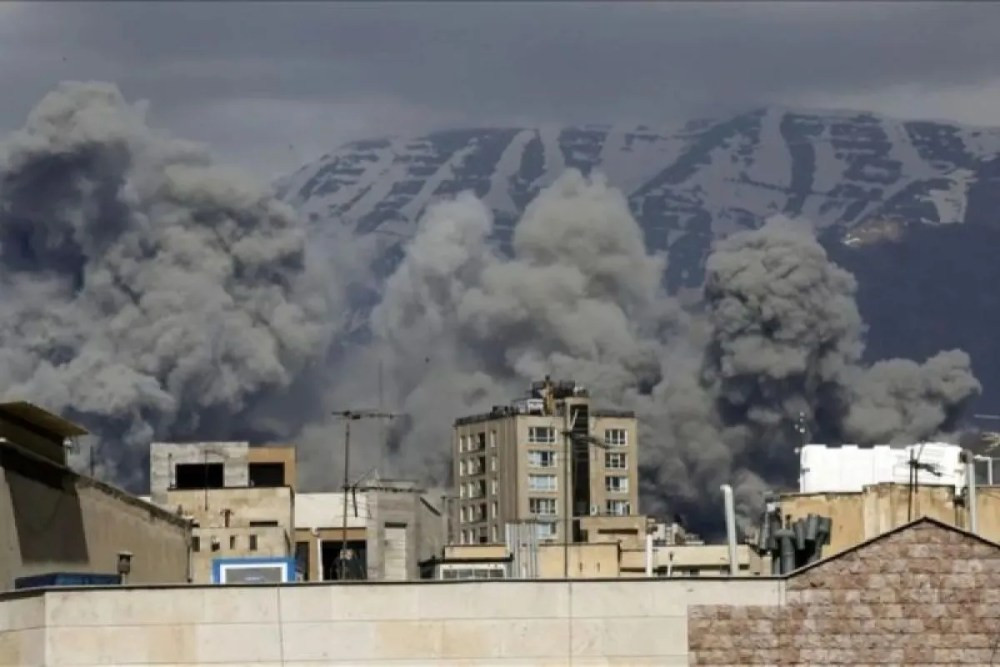
Casualties in the US-Israel-Iran war reach 5,831 dead and tens of thousands injured. — Source: gdelt
The Iran war may evolve into a 'phoney Sitzkrieg,' signaling a prolonged period of apparent inactivity reminiscent of historical precedents.[3] This characterization captures the current dynamics, where overt combat has subsided but underlying hostilities persist without resolution.[3] Reports suggest that the conflict could settle into this deceptive calm, with both sides avoiding escalation while maintaining blockades and military readiness.[3] The term 'phoney Sitzkrieg' evokes a war Iran phase of inertia, where strategic patience replaces active maneuvers, potentially extending the impasse indefinitely.[3] Such an outlook points to a future defined by diplomatic maneuvering rather than battlefield decisive actions, as neither coalition appears poised to break the deadlock.[3] The possibility of this prolonged stasis raises questions about sustainability, with economic strains from blockades like the Strait of Hormuz exacerbating the inertia.[3] Current trajectories indicate that without concessions, the war Iran could mirror extended periods of watchful waiting, testing the resolve of all parties involved.[3]
Broader Context of the Conflict
The broader context of the war Iran encompasses critical elements such as the persistent blockade of the Strait of Hormuz and the fragility of the Pakistan-brokered ceasefire.[2] Two months into the conflict, initiated by US and Israeli strikes, the situation has devolved into a stalemate where these factors loom large.[2] The ceasefire, while pausing direct fighting, remains precarious, with stalled negotiations underscoring the lack of progress.[2] Direct talks have collapsed, and Tehran's refusal to engage until the US Navy ends its blockade illustrates the rigid stances preventing advancement.[2] Washington's cancellation of envoy trips to Pakistan further entrenches this broader impasse, linking maritime chokepoints to diplomatic failures.[2] The Strait of Hormuz blockage continues to have ripple effects, amplifying the costs of the stalemate across global trade routes.[2] In this context, the Pakistan-mediated pause serves as a thin veneer over unresolved grievances, with no side yielding territory or demands.[2] These intertwined dynamics paint a picture of a multifaceted conflict, where blockades and broken talks define the wider theater.[2]
Summary of Key Events
The timeline of the war Iran begins with US and Israeli strikes two months ago, leading to a costly stalemate under a fragile Pakistan-brokered ceasefire.[2] Key developments include the blockage of the Strait of Hormuz, collapsed direct talks, and cancelled Washington envoys' trips after Tehran's preconditions.[2] Politically, Israeli Prime Minister Netanyahu faces electoral threats from inconclusive multi-front wars against Iran and others, eroding public trust ahead of October elections.[1] Casualties stand at 5,831 dead and tens of thousands injured in the US-Israel versus Iran war.[4] The potential for a 'phoney Sitzkrieg' looms, indicating prolonged inactivity.[3] These events collectively recap a conflict paused but unresolved, with domestic pressures in Israel compounding international deadlock.[1][2][3][4] Initial strikes gave way to exhaustion without victories, spurring opposition consolidation.[1] The ceasefire's fragility and stalled negotiations highlight the absence of yielding, while the casualty toll quantifies the human price.[2][4] This summary distills the main facts: stalemate two months in, political fallout, high losses, and a 'phoney' future outlook.[1][2][3][4]
What to watch next: Monitor the Strait of Hormuz for any shifts in blockade status, upcoming Israeli elections amid public exhaustion, and signs of renewed talks or escalation under the fragile ceasefire, as neither side shows yielding.[1][2]