
Iran War Sees Trump Reportedly Open to Ending Conflict Without Nuclear Deal
Reporting based primarily on theyeshivaworld.com.
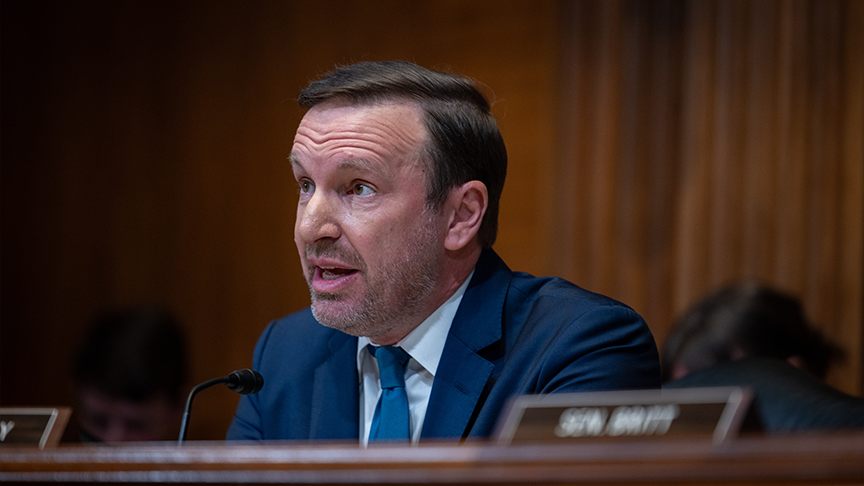
The Iran war has placed the Trump administration in a difficult position, with reports indicating openness to ending the conflict without a full nuclear deal if the Strait of Hormuz reopens. US Senator Chris Murphy stated that President Trump has “lost” the Iran war because continued fighting weakens the United States, strengthens Iran and drives up energy prices.
Current Status of the Iran Conflict
The conflict with Iran began in late February and has driven US gasoline prices to an average of $4.02 per gallon. [2] The fighting has also produced a reported missile attack on a UAE vessel, which occurred shortly before Iran issued new conditions for reopening the Strait of Hormuz. [2] These developments have increased pressure on global energy markets and on the Trump administration to find an exit from the fighting. [2] The months-long conflict has kept commercial shipping under threat in the Strait of Hormuz, prompting continued discussion of military options. [2]
Senator Murphy's Assessment
US Senator Chris Murphy says Trump has “lost” the Iran war. [1] Murphy stated that continued fighting is weakening the US, strengthening Iran and driving up prices. [1] The senator’s remarks highlight the political and economic costs that have accumulated since the conflict began in late February. [2] Murphy’s assessment comes as the administration weighs options that would allow it to declare an end to the Iran war even without a comprehensive nuclear agreement. [2]
{IMAGE_2}
Trump Administration's Position on Ending the Conflict
President Donald Trump is reportedly prepared to end the war with Iran without securing a comprehensive nuclear agreement. [2] According to The Wall Street Journal, Trump has in recent weeks laid the groundwork to declare victory if Tehran agrees to reopen the critical shipping route, even if broader disputes over Iran’s nuclear program remain unresolved. [2] The White House believes an agreement to reopen the Strait of Hormuz may be within reach. [2] Such a breakthrough would allow Trump to argue that the US achieved one of its central objectives in the Iran war while easing pressure on global energy markets ahead of the midterm elections. [2] The Wall Street Journal reported that Trump is considering accepting the reopening of the Strait of Hormuz and a temporary neutralization of Iran’s nuclear threat rather than insisting on an immediate comprehensive agreement. [2]
Iran's Hardened Demands
Iran has hardened its demands on Saturday. [2] Mohammad Bagher Zolghadr, a senior official on Iran’s Supreme National Security Council, said reopening the strait would require a permanent end to the war, the lifting of sanctions and the US maritime blockade, the withdrawal of American forces, the release of frozen Iranian assets and the payment of war reparations. [2] The demands came shortly after another reported missile attack targeting a United Arab Emirates vessel. [2] Some analysts believe Tehran’s escalating demands reflect its assessment that Washington is increasingly eager to bring the Iran war to an end. [2]
{IMAGE_3}
US Signals on Pressure and Military Options
Vice President JD Vance has said the United States is prepared to maintain economic and military pressure on Iran for as long as necessary. [2] The White House has also stressed that military action remains an option as long as threats against commercial shipping in the Strait of Hormuz continue. [2] Trump has made clear that US taxpayer money will not be transferred to Iran, though a partial release of frozen Iranian assets reportedly remains under consideration. [2] These positions indicate that the administration intends to keep leverage available while exploring an exit from the Iran war focused on reopening the strait. [2]
Economic and Political Pressures
The conflict, which began in late February, has driven up energy prices, with the average US gasoline price now around $4.02 per gallon, increasing pressure on the Trump administration to find an exit from the fighting. [2] The rise in prices has added urgency to efforts to reopen the Strait of Hormuz ahead of the midterm elections. [2] Analysts note that both sides appear to be testing how far the other will go before agreeing to terms that would end active combat in the Iran war. [2]
What to watch next: Reports indicate the White House believes an agreement to reopen the Strait of Hormuz may be within reach, while Iran continues to link any reopening to a permanent end to the war and sanctions relief.