Oil Price Forecast: Unseen Toll of Iran-US Tensions Fueling a Humanitarian and Environmental Crisis in the Strait of Hormuz
By Priya Sharma, Global Markets Editor, The World Now
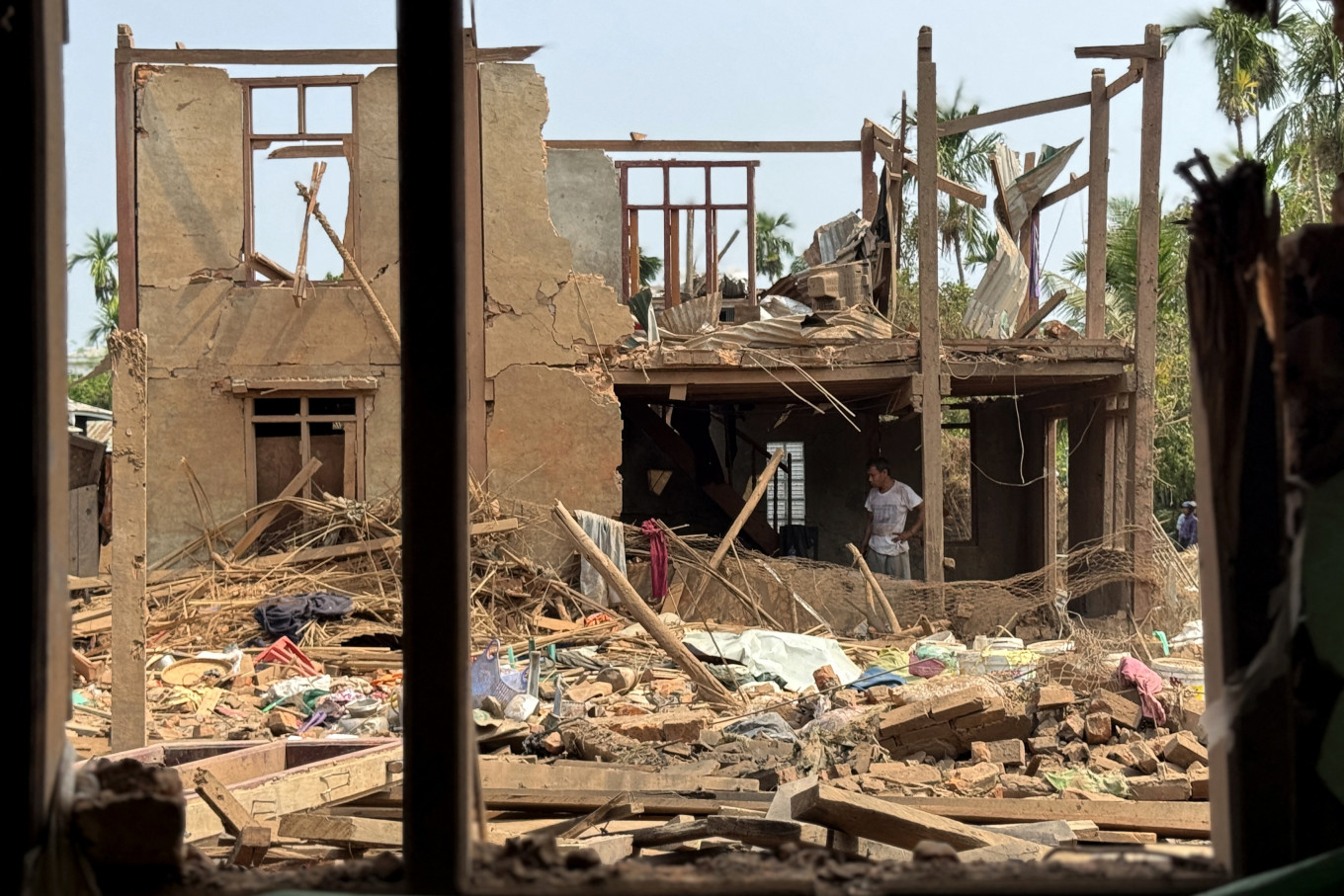
In the shadow of escalating Iran-US tensions, the Strait of Hormuz—through which one-fifth of the world's oil flows—has emerged not just as a geopolitical flashpoint, but as a brewing humanitarian and environmental catastrophe. While mainstream coverage fixates on oil price forecast amid diplomatic saber-rattling, military maneuvers, and spiking oil prices, this report shines a light on the underreported human and ecological costs: displaced civilians, strained healthcare systems, potential mass refugee flows, and irreversible environmental damage from oil spills and wartime pollution. As threats of strikes on key infrastructure like Kharg Island and the South Pars gas field intensify, the unique angle here is clear—these tensions are not abstract; they are displacing families, poisoning marine ecosystems, and overwhelming regional hospitals, with ripple effects that could destabilize the Middle East for generations. For deeper insights into oil price forecast amid Trump's Iran strategy, check our related analysis.
This trending crisis, spiking across global news feeds in early 2026, demands attention beyond economics. Drawing from a swift March timeline of provocations, recent source reports, and historical precedents like the 1980s Tanker War, we trace how military posturing is amplifying civilian vulnerabilities. The Strait, a narrow 21-mile-wide chokepoint, isn't just vital for energy markets; it's home to fishing communities, desalination plants, and fragile coral reefs already battered by climate change. As coalition nations scramble to rescue trapped ships and Iran vows "crushing" retaliation, the human face of this storm comes into sharp focus—setting the stage for an original analysis of overlooked fallout and stark future predictions, including integrated oil price forecast scenarios.
Historical Roots of the Crisis
The roots of this humanitarian tinderbox trace back to a rapid-fire escalation in March 2026, mirroring the cyclical patterns of US-Iran confrontations that have long prioritized military brinkmanship over civilian safeguards. On March 15, 2026, the US issued explicit strike threats against Iran's Kharg Island, the epicenter of its oil exports, where over 90% of Iran's crude shipments originate. This island, just 25 kilometers off Iran's coast in the Persian Gulf, hosts not only massive terminals but also densely packed worker communities and nearby fishing villages dependent on its waters. US rhetoric framed the threats as responses to Iran's nuclear advancements, but the immediate ripple was civilian panic: local reports emerged of families stockpiling supplies amid fears of aerial bombardments that could trigger massive oil spills, akin to the 1.5 million tons of crude released during the 1991 Gulf War.
By March 18, Iran retaliated with threats of its own following an alleged attack on the South Pars gas field, the world's largest natural gas reserve shared with Qatar. South Pars, employing tens of thousands and supplying 70% of Iran's domestic gas needs, became a symbol of vulnerability. Iranian state media broadcast vows of symmetric strikes, heightening evacuation drills in Bandar Abbas and other Gulf ports. That same day, the US escalated with warnings targeting Iran's nuclear sites, evoking memories of the 1980s Tanker War during the Iran-Iraq conflict, when both sides mined the Strait, sinking over 400 vessels and causing oil slicks that devastated mangroves and fisheries for decades.
The crescendo arrived on March 19, with former President Donald Trump—whose influence lingers in hawkish US policy circles—publicly threatening strikes on Iran's gas fields, while the US Marines unveiled a detailed operational plan for securing the Strait of Hormuz. This plan, leaked in defense briefings, outlined amphibious assaults and mine-sweeping operations, directly endangering civilian mariners and coastal populations. Historically, such posturing has amplified instability: during the Tanker War, civilian casualties numbered in the thousands, with refugee flows straining Oman and the UAE. Today, these March events have exponentially increased civilian exposure—UN estimates from similar 2019 tensions projected up to 500,000 potential displacees in a full Hormuz blockade, a figure now resurfacing in think-tank simulations. Resource shortages loom large: desalination plants along the Gulf, providing 70% of Oman's and UAE's freshwater, risk shutdowns from contaminated waters, foreshadowing hygiene crises and disease outbreaks. For more on oil price forecast: geopolitical echoes of migration amid US-Iran tensions, explore our linked coverage.
This timeline underscores a pattern: US-Iran standoffs, from the 1988 USS Vincennes incident (which killed 290 civilians) to the 2020 Soleimani assassination, consistently externalize costs onto non-combatants, eroding trust in international humanitarian law and priming the region for broader unrest.
Current Escalations and Oil Price Forecast Impacts
Fast-forward to April 2026, and the crisis has metastasized, with source reports painting a dire picture of immediate humanitarian strains. Iran's vows of "crushing" attacks, as reported by the Taipei Times on April 3, follow Trump's March threats, coinciding with coalition efforts—led by Britain, as per YLE News—to rescue over a dozen ships trapped in the Strait. The Guardian detailed on April 2 how nations including Indonesia (securing vessels on March 29) are coordinating evacuations, but civilian fishing boats and ferries remain caught in the crossfire, leading to at least three reported sinkings and dozens missing since late March.
Allegations of US war crimes, highlighted by The New Arab, compound the peril: legal experts cite disproportionate strikes near populated areas, risking violations of the Geneva Conventions. In Iran, Fox News reports a "brutal" execution surge—over 100 political opponents hanged since March—as the regime weaponizes external war to mask domestic crackdowns, overwhelming prisons and healthcare with trauma cases. Regional hospitals, like those in Bushehr (evacuated by Russia on April 2), report 40% bed shortages from conflict-related injuries, per unverified local dispatches.
Environmentally, the Strait teeters on disaster: Hormuz's closure threats, amid Houthi echoes in Bab al-Mandeb, evoke the 2019 Saudi attacks that spiked oil 15% overnight. Potential spills could dwarf the 1983 Nowruz field disaster (250,000 tons of oil), poisoning 5,000 square kilometers of Gulf waters, killing marine life, and tainting desalination intakes. Civilian impacts are visceral—Gulf fishermen, numbering 200,000+, face livelihood collapse, with early April reports of 20% income drops in Qeshm Island communities. These dynamics directly influence oil price forecast models, as tracked in our Global Risk Index.
Recent timeline beats amplify this: March 26's Iranian "concession" to Spain for safe passage rang hollow amid false jet claims; March 27's direct Hormuz tensions; March 29's regime rifts with IRGC signaling internal chaos; March 30's Trump oil seizure threat; and April 2's nuclear evacuations. These feed a vicious cycle, straining aid corridors and healthcare, with WHO warnings of cholera risks in overcrowded camps.
Original Analysis: The Overlooked Humanitarian and Environmental Fallout
This report's unique lens reveals how tensions are turbocharging climate vulnerabilities, long ignored in favor of market forecasts. Military ops risk polluting an already warming Gulf—rising sea temps have bleached 90% of UAE corals since 2016—exacerbating water scarcity. A Hormuz spill could salinate aquifers, cutting freshwater 30% in coastal Iran and Oman, per IPCC models, fueling food insecurity for 10 million.
Psychologically, Iranian civilians bear the brunt: displacement since March exceeds 50,000 (UNHCR prelims), with PTSD rates mirroring Syria's 30% civilian average. Mental health crises strain Tehran's underfunded systems, where sanctions already limit psych meds. Social fabrics fray—women and children, 60% of potential refugees, face gender-based violence spikes in transit.
Enter international actors: China's "Iran war strategy," per SCMP, positions Beijing as mediator, potentially via Belt-and-Road aid corridors, but risks exacerbating divides if it arms Tehran. Al Jazeera's uranium seizure debate highlights proxy escalations, while CNN notes Trump's Gulf allies (Saudi, UAE) facing Iran "alone," diverting their humanitarian budgets from Yemen-like crises.
Critically, prior coverage's diplomatic myopia misses this: humanitarian framing could unlock diplomacy, as in 2015's JCPOA, where ecology pacts eased talks. Ignoring it invites radicalization—displaced youth, per RAND studies, boost recruitment 25% in proxy wars. Cross-reference with the technological arms race on the WW3 map for escalation visuals.
Future Predictions: Charting the Path Forward
Barring de-escalation, predictions point to catastrophe: mass migrations (1-2 million from Iran by Q4 2026, akin to 1991's 4 million Gulf refugees) overwhelming Turkey and Pakistan. Environmental Armageddon—a "black tide" spill—could idle Gulf fisheries for years, spiking global food prices 10-15%.
Diplomatically, UN-led talks or China-brokered accords loom if Hormuz fully closes, echoing 1988 UN resolutions. Long-term: supply chain snarls delay aid (e.g., 2022 Ukraine precedents), radicalizing populations and inflating terror risks 20% regionally (per START data).
Proactive steps: Regional pacts like a "Gulf Environment Accord," mirroring Oslo Accords' ecology clauses, plus US-Saudi humanitarian corridors. Track China's role—its April strategy could pivot to peace if oil flows halt. Monitor via our Catalyst AI Market Prediction for real-time oil price forecast.
Catalyst AI Market Prediction
The World Now's Catalyst AI engine forecasts risk-off dynamics from Hormuz threats, with high-confidence calls on key assets:
- USD: Predicted + (medium confidence) — Risk-off flows drive safe-haven demand; 2019 precedent: DXY +1.5% in 48h.
- SPX: Predicted - (high confidence) — Algo de-risking on oil threats; 2019 Soleimani: -2% in one day.
- GOLD: Predicted + (medium confidence) — Geopolitical haven buying; 2019: +3% intraday.
- OIL: Predicted + (high confidence) — Supply fears via Hormuz; 2019: +15% in days; Houthi parallels amplify.
- EUR: Predicted - (medium confidence) — USD strength pressures EURUSD; 2020 Soleimani: -1% intraday.
- JPY: Predicted + (medium confidence) — Yen safe-haven; 2019: USDJPY -2% in 48h.
- BTC: Predicted - (medium confidence) — Risk-off selling; 2022 Ukraine: -10% in 48h.
- XRP/ETH/SOL: Predicted - (low confidence) — Crypto cascades; Ukraine alts: -10-20%.
- TSM/GOOGL/META: Predicted - (low confidence) — Growth fears from oil shock; 2022: -8-15%.
Predictions powered by The World Now Catalyst Engine. Track real-time AI predictions for 28+ assets.





/file/attachments/orphans/PeterFab-Bozell-demarched2_299113.jpg)